Dan Manley

858 posts

Dan Manley

Dan Manley

@DanManley5

Raised by wolves.

Katılım Kasım 2015
144 Takip Edilen42 Takipçiler
Dan Manley
Dan Manley@DanManley5·
@texasrunnerDFW It’s east to blame boomers, investors and interest rates when the truth is often deep rooted in structural incentives!
English
0
0
4
480
Amy Nixon
Amy Nixon@texasrunnerDFW·
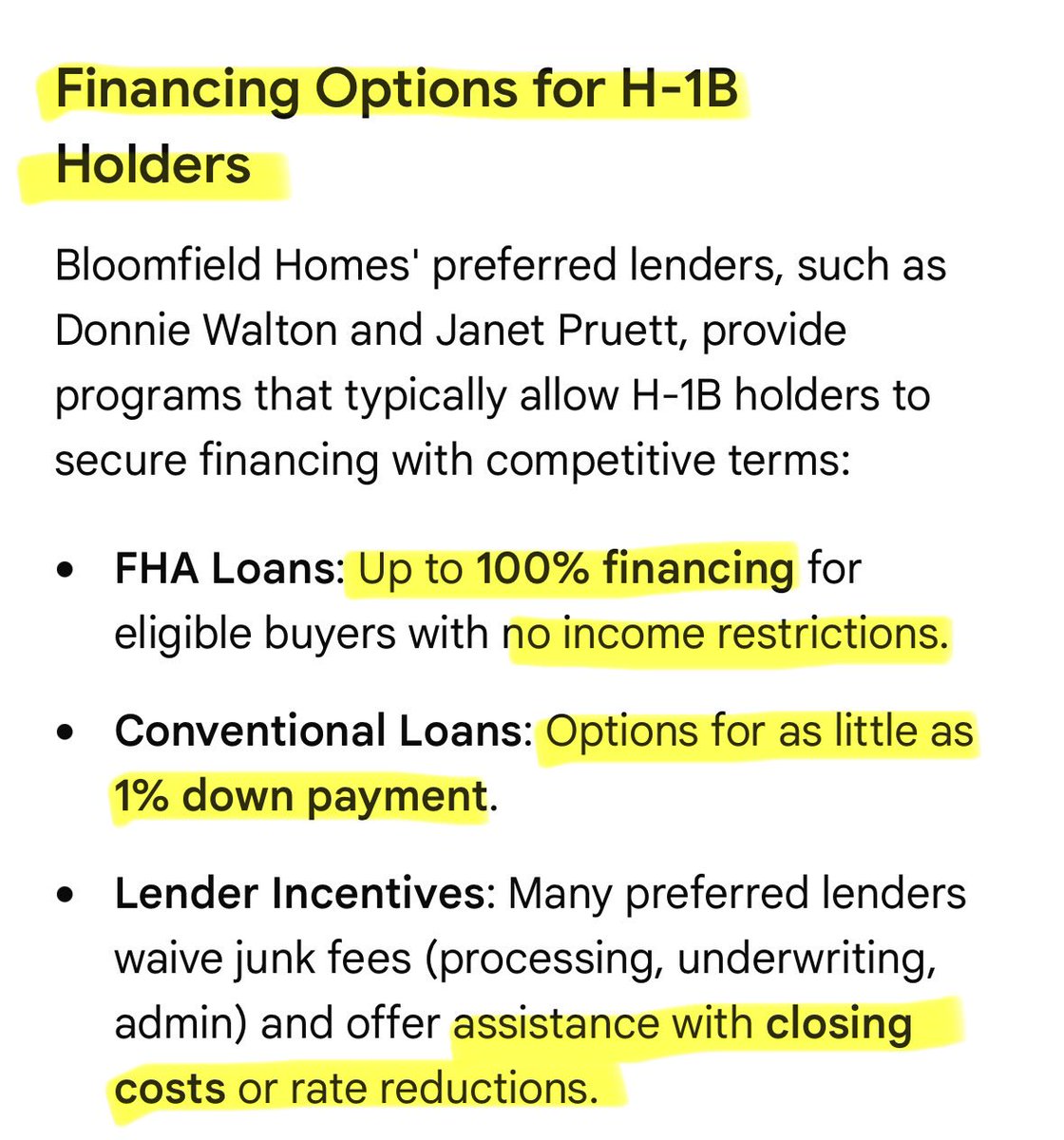
We basically did NINJA loans again but this time with non-US citizens Many homebuilders, such as Bloomfield Homes in Celina, TX offered access to FHA loans for H-1B visa holders through their preferred lenders until May of 2025, when Trump had HUD shut these lending practices down Some of these FHA loans offered 100% financing through a combination of a standard FHA loan and access to State assisted first time homebuyer grants for the 3% downpayment Yes, you read that correctly, your tax dollars funded home-buying grants for non-US Citizens during the Biden administration Is it just a coincidence that home prices began falling at a rapid pace in Celina, TX almost immediately after Trump shut this program down? How many people bought a brand new home with zero money down at peak 2022-2024 pricing? You won’t see an impact at a national level, but you WILL see it in certain markets with a lot of H-1B tech workers and new construction
Amy Nixon tweet media
English
179
1.1K
4K
638.9K
Dan Manley
Dan Manley@DanManley5·
@PerBylund Can’t have competition when a third party pays. If everyone paid out of pocket, the cost would drop 95% the next day.
English
1
0
0
17
Per Bylund
Per Bylund@PerBylund·
If the government had allowed competition and entrepreneurship in healthcare, we would not be suffering from outdated standards and outrageous prices. Healthcare desperately needs to be subject to market forces.
English
18
59
332
9.7K
StripMallGuy
StripMallGuy@realEstateTrent·
Massive untapped real estate opportunity: Lack of supply of high-end suburban small office suites. This is why demand for WeWork was so high. But if you're a CPA, attorney, wealth manager, or therapist, you don't want co-working. We just did this, and it's crushing it!
English
65
14
746
139K
Dan Manley
Dan Manley@DanManley5·
@crudechronicle Gerrymandering has more to do with Congress composition. While his pivot to foreign policy may disappoint many supporters, ultimately it makes no difference.
English
0
0
1
26
The Crude Chronicles 🛢
The Crude Chronicles 🛢@crudechronicle·
Random thought. With the SoH lasting longer than what DJT clearly assumed and approval rating tanking its not a stretch to think the base case is Republicans lose the House and there is even a path now for Dems to also take the Senate. In such a scenario, DJT is a lame duck on domestic policy so foreign policy is the only lever to pull. Do you really think tariff wars, trade wars and the SoH crisis is all over if the only thing his administration can do is on foreign policy front? Thoughts?
English
3
0
8
1.7K
Dan Manley
Dan Manley@DanManley5·
@EricLDaugh Works well for car companies and unions. Works terrible for consumers. The average consumer would get twice the quality at 1/3 the price from other countries.
English
6
2
3
3K
Eric Daugherty
Eric Daugherty@EricLDaugh·
🚨 PRESIDENT TRUMP just said it perfectly: "I used to just marvel at the fact that the car companies were leaving Detroit and leaving our country! All they had to do was say, 'you can leave our country, you can have lots of fun building your cars, but if you THINK you're going to sell it back into our country for no cost, you're WRONG!'" Tariffs work 🇺🇸
English
56
1K
8K
370.6K
Dan Manley
Dan Manley@DanManley5·
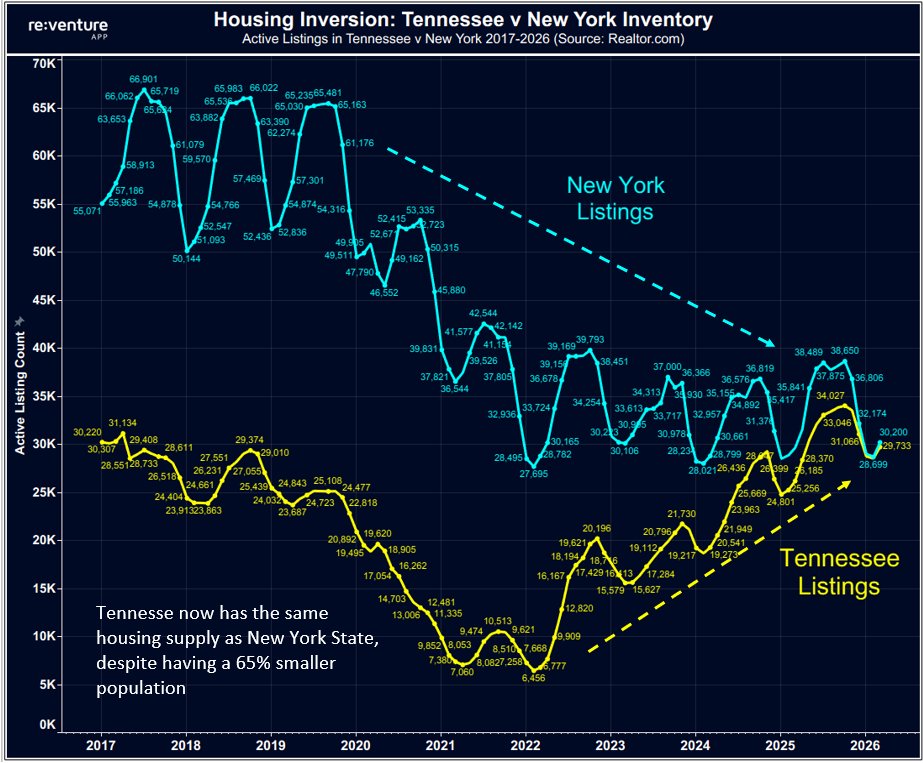
@nickgerli1 Maybe. New York in absolute terms had the greatest population growth-over 100,000 in past three years. so if there was no building, this is the expected outcome. Nashville has a different story. The two are likely uncorrelated.
English
1
0
1
176
Nick Gerli
Nick Gerli@nickgerli1·
In Tennessee, housing supply is skyrocketing. In New York, it's contracting. So much so that both states now have 30,000 listings. (with TN having a 65% smaller population) This represents a vast change from pre-pandemic norms, when New York had nearly 3x more listings in 2019. This shift suggests a trend in reverse migration may be occurring, with pandemic boom states losing homebuyers back to legacy markets. RTO mandates, unaffordable prices in TN, and a lack of construction in NY are the leading causes of this shift. Check your ZIP code on our app reventure.app/mobile
Nick Gerli tweet media
English
15
27
238
24.8K
Dan Manley
Dan Manley@DanManley5·
@onechancefreedm This is the correct focus. Price is very different than cost. The cost of taxes, HOAs and insurance have escalated to the point of suffocation. The costs now exceed principle and interest.
English
0
0
1
123
EndGame Macro
EndGame Macro@onechancefreedm·
Foreclosures Are Rising Because The Monthly Carry Is Breaking The last major housing crisis was driven by bad credit, exotic mortgages, overbuilding, and collapsing collateral. This cycle is different. The stress is coming from the cost of carrying the home after purchase. Property taxes, insurance premiums, HOA dues, consumer debt, and still elevated mortgage rates are hitting households that may technically have equity but no longer have enough monthly cash flow. That distinction matters. Equity can make a homeowner look solvent on paper. But equity does not pay the escrow bill. It does not cover a 40% insurance increase, a property tax reset, a job loss, or a credit card balance compounding at 20%. The Stress Pipeline Is Reopening Q1 2026 foreclosure filings hit nearly 119,000 properties, up 26% from a year earlier. Foreclosure starts rose 20% year over year. Bank repossessions rose 45%. That is not a national collapse yet. But it is a clear sign that the distress pipeline is reopening after years of pandemic era suppression, loan workouts, forbearance programs, and delayed recognition. This is how housing stress usually comes back. Not all at once. First the borrower gets squeezed. Then the missed payments rise. Then loss mitigation absorbs the first wave. Then the cases that cannot be cured begin turning into foreclosure filings and repossessions. Why The South Shows Stress First The regional pattern makes sense. Housing stress tends to show up first where ownership costs rose the fastest, supply rebuilt the most, and foreclosure timelines are shorter. Florida has the insurance shock. Texas and Georgia have property tax pressure. Parts of the South had massive pandemic era price inflation, heavy migration, aggressive new construction, and now more inventory competition. When affordability breaks in those markets, price discovery happens faster because sellers and builders actually have to compete. This does not mean the Northeast and Midwest are immune. It means they are more illiquid. Supply is tighter, sellers are more locked in, and in judicial foreclosure states like New York and Connecticut, the legal process can take years. That creates lag. The pain often appears later, not never. The Real Warning Housing downturns start at the margin, then move inward. First the stretched buyer disappears. Then transaction volume falls. Then inventory rises in the weaker regions. Then price cuts spread. Then delinquencies and foreclosures appear where household cash flow finally breaks. That is what this looks like now. Not a sudden nationwide crash. A slow recognition cycle where affordability broke first, cash flow is breaking second, and forced selling follows with a lag. The most important point is simple. A homeowner can have equity and still be financially trapped. If income weakens while taxes, insurance, debt payments, and living costs rise, the balance sheet can look fine right up until the monthly payment no longer clears. That is the risk people are underestimating.
GIF
The Wall Street Journal@WSJ

Foreclosure filings jump to six-year high as rising property taxes, insurance costs and debt strain U.S. homeowners on.wsj.com/3Piq8sz

English
10
33
165
27.8K
SightBringer
SightBringer@_The_Prophet__·
⚡️This is household insolvency wearing the mask of monthly affordability. The car market has become one of the clearest pressure gauges for the American consumer because a car is no longer just transportation. It is a required access pass to employment, school, healthcare, childcare, groceries, and basic participation in the economy. When people cannot afford that access pass, they do not simply opt out. They stretch the debt until the payment barely fits. That is what the 84-month loan is really saying. The buyer is not choosing comfort. The buyer is buying time. Seven years of payments on a depreciating machine means the household is trading future flexibility for present survival. Negative equity makes the structure poisonous. The old loan does not die. It gets rolled into the new loan like a ghost riding inside the next car. The borrower begins the next purchase already buried. Then the new vehicle depreciates. Rates stay high. Insurance rises. Repairs rise. Income does not keep up. The loan gets longer. The payment stays barely manageable. The balance sheet gets worse. That is debt treadmill behavior. The deeper signal is that inflation permanently reset the cost of necessities while wages only partially caught up. Cars got more expensive. Financing got more expensive. Insurance got more expensive. Maintenance got more expensive. Then consumers tried to preserve the old standard of life by extending duration. That is exactly how stress migrates from price shock into credit fragility. Auto credit is where the private household recession shows up before the official recession label. People keep spending because they have to. They keep borrowing because the alternative is losing mobility. Then defaults rise because the payment stack becomes too heavy. Rent, food, insurance, credit cards, healthcare, car note. One more bill becomes the breaking point. The nastiest part is that this market punishes the people with the least margin. Higher-income households can buy cash, shorten duration, or avoid rolling negative equity. Strained households finance depreciation at high rates over seven years and call it affordability. The system sells them access to daily life by converting them into long-duration collateral damage. This is the collapse of middle-class mobility economics. The car used to symbolize freedom. Now it increasingly functions as a debt shackle with wheels.
The Kobeissi Letter@KobeissiLetter

A growing number of Americans can no longer afford their car loans: A record 42.6% of underwater car buyers turned to an 84-month (7-year) loan to keep monthly payments manageable in Q1 2026. Being underwater means owing more on a car loan than the car is currently worth, resulting in negative equity. Rather than paying off the difference, many buyers roll this gap into their next loan, pushing themselves deeper into debt. This percentage has DOUBLED since 2016 and is on track for its 3rd consecutive annual increase. Buyers with negative equity financed an average of ~$56,000 for a new car in Q1 2026, ~$12,000 more than the average new vehicle buyer. As a result, their average monthly payment rose to $932, the highest on record. In March, car loan default rates jumped to their highest since 2010. Auto-loan distress is surging.

English
10
18
131
21.7K
SightBringer
SightBringer@_The_Prophet__·
⚡️American healthcare became a bureaucracy with a hospital attached. The deepest signal is administrative capture. The system spends enormous energy proving care is billable, contesting whether care is covered, coding the care, denying the care, appealing the denial, documenting the appeal, complying with rules, managing liability, negotiating reimbursement, protecting margins, and feeding every intermediary sitting between the patient and the clinician. That is how a healing system turns into a paper empire. The physician becomes a throughput node. The patient becomes a claim object. The hospital becomes a revenue cycle machine. The insurer becomes a permission gate. The administrator becomes the priest of the maze. The tragedy is that many of these jobs exist because the system itself is insane. A simpler system would not need armies of people translating sickness into billing codes and fighting over who pays. Complexity creates the administrative class, then the administrative class protects the complexity that justifies its existence. That is the loop. The result is civilizationally grotesque. Doctors burn out doing paperwork. Patients wait. Premiums rise. Hospitals consolidate. Insurers extract. PBMs extract. Consultants extract. Software vendors extract. Compliance expands. Everyone touches the dollar before care reaches the body. Deep down, the chart is showing institutional metabolism failure. Healthcare should convert money into healing. America converts money into navigation of the machine.
David Parker@david_parker

This is why your healthcare sucks. Most of the money is being used to create fake jobs for parasites.

English
72
228
827
63.9K
Dan Manley
Dan Manley@DanManley5·
@m3_melody So there’s a shortage but no buyers? Logic left that conference before it started.
English
2
1
31
1.5K
Melody Wright
Melody Wright@m3_melody·
Was at a housing policy conference yesterday w/ some of the biggest "establishment" names in housing All you heard was shortage, shortage, shortage and hopium that younger gens will somehow soon be able to afford houses On stage I offered to take anyone on a tour No takers
English
75
42
537
61.9K
Jon Brooks
Jon Brooks@jonbrooks·
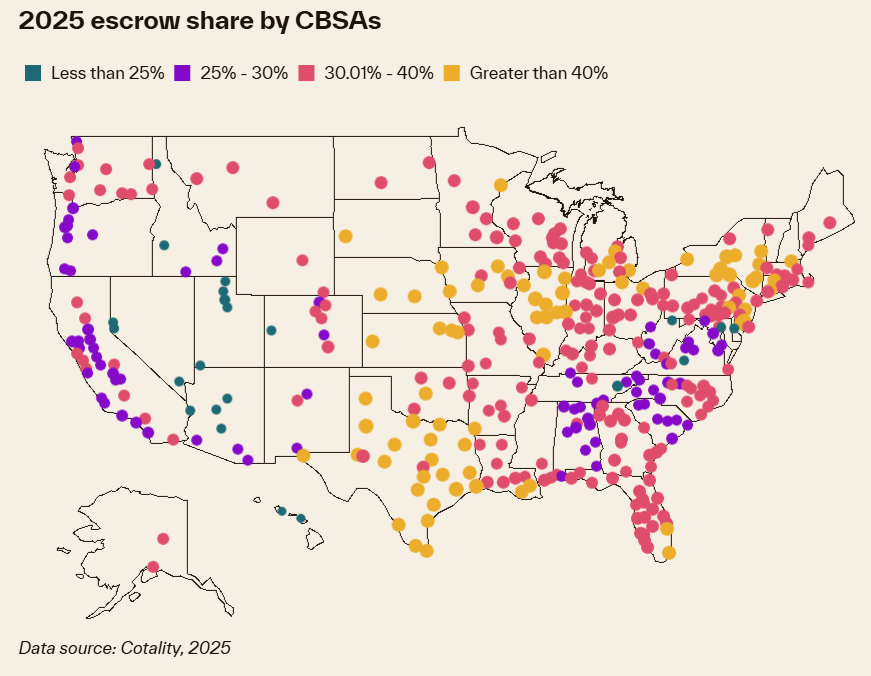
Really interesting chart. Taxes & insurance are greater than 40% of the monthly housing payment.... Can it go even higher from here?
Jon Brooks tweet media
English
21
29
89
16K
Dan Manley
Dan Manley@DanManley5·
@SecretaryTurner I love Chinese social credit scores. Can we include my ontime payments for groceries?
English
0
0
1
95
Scott Turner
Scott Turner@SecretaryTurner·
If you pay your rent and utilities on time, your credit score should reflect it. FHA is moving forward with two modern credit scores that give homebuyers credit for paying their rent and utilities — increasing accuracy for lenders and opportunity for first-time buyers.
English
317
1.2K
8.2K
229K
Tracy Shuchart (𝒞𝒽𝒾 )
Spirit Airlines accounts for about 1.4% of US airline seat capacity. They are currently going through bankruptcy. They are continually ranked as one of the worst airlines. Remind me why the American tax payers need to bail out this company? Especially, during a jet fuel crisis?
English
110
676
6.5K
247.1K
Santi Torres
Santi Torres@SantiTorAI·
Claude acaba de hacer obsoleto a Looker y a todos los SaaS de marketing. Conectas tu cuenta de anuncios en 1 clic, y Claude construye dashboards de Google y Meta en 30 segundos, edita campañas, programa tareas recurrentes y genera creatividades.
Español
19
109
1.2K
234.6K
Darth Powell
Darth Powell@VladTheInflator·
I can rent a $1.2m house for $3,500/mo..... Why? Because its really a $600k house
English
51
55
2.1K
62.3K
Dan Manley
Dan Manley@DanManley5·
@BeardyBrandon Wild and quite shocking for many. Keep your real estate close and your bankruptcy attorney closer.
English
0
0
1
1.2K
Dan Manley
Dan Manley@DanManley5·
@RickPalaciosJr If there was a shortage, there wouldn’t be 1.4 million homes sitting on the market.
English
0
0
1
311
Jon Brooks
Jon Brooks@jonbrooks·
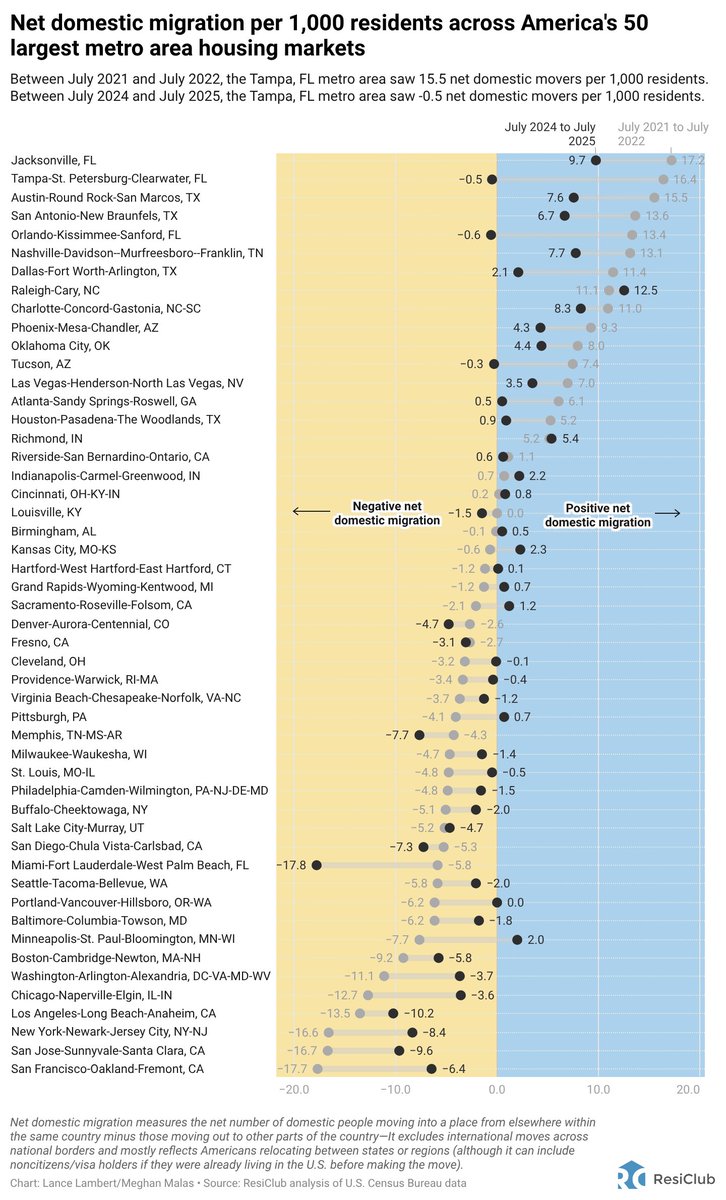
The 5 Sunbelt markets with the biggest collapse in net domestic migration over the last 3 years: 1) Tampa 2) Orlando 3) Miami 4) Dallas 5) Austin The people who were coming here already came. That's not a slowdown. That's a structural shift.
Jon Brooks tweet media
English
9
4
69
4.1K
Jon Brooks
Jon Brooks@jonbrooks·
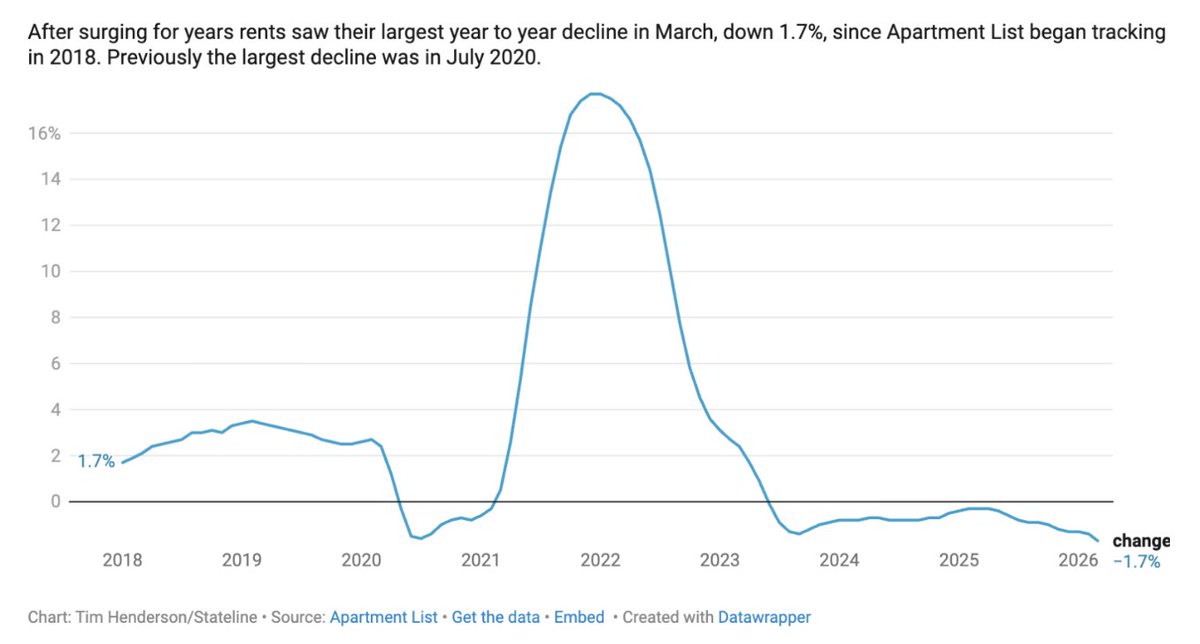
Apartment rents are falling. That’s pressure on the entire housing system. Everything reprices from here.
Jon Brooks tweet media
English
10
8
110
2.9K