

@IronWeave @PatelcoPays Absolutely, we'd be happy to speak with your team.
English
David Iseminger
73 posts

@DavidIseminger
Technologist, IronWeave founder and inventor, instructor, generally intent on technology protecting and making the world a better place.

🔗🤖 Bitcoin mining and AI are forming powerful partnerships, driving innovation, enhancing data reliability. Learn how IronWeave is making these collaborations even more effective! #AI #Blockchain #BitcoinMining #TechInnovation blog.ironweave.io/ai-powered-by-…
🛡️@CDKGlobal's recent cyberattack shows the vulnerability of centralized systems. IronWeave offers a robust decentralized solution to keep your data secure. Explore more: blog.ironweave.io/ransomware-cri… #Ransomware #IronWeave
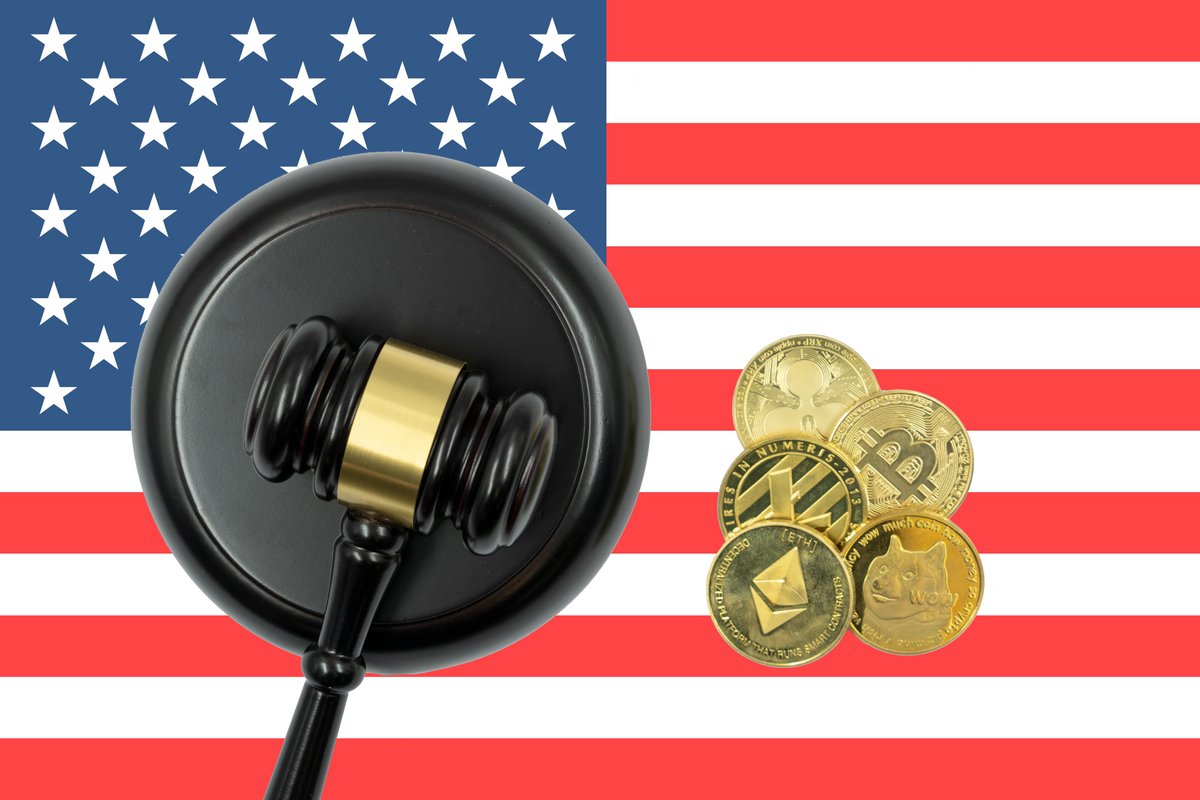
SEC Commissioner @HesterPeirce proposed a joint "Digital Securities Sandbox" between the United States & the United Kingdom The idea? Allow companies in the U.S. & the U.K. to experiment with blockchains & potential securities-trading tech without regulatory rebuke In her letter, Hester went on to say: "Even though I tend to be more of a beach than a sandbox type of regulator, sandboxes have proven effective in facilitating innovation in highly regulated sectors. Experience in the UK and elsewhere has shown that sandboxes can help innovators “try out their innovations under real-world conditions.” A sandbox can provide a viable path for smaller, disruptive firms to enter highly regulated markets to compete with larger incumbent firms. According to one report, firms that entered the FCA’s sandbox raised 15% more capital, are 50% more likely to raise capital, and are 25% more likely to survive years later. This capital raising effect is most pronounced for “smaller and younger firms." One report found that firms have used the FCA’s sandbox to “understand how regulatory requirements would apply to their innovative services or products,” perform testing that could “speed up the creation of a minimum viable product,” or use their experience with real customers to “refine their business model.” Sandboxes also can benefit regulators by creating an environment that helps produce effective and efficient regulations. A 2019 survey of sandbox regulators found that 73 percent believed “that implementing a sandbox contributed to building their capacity around fintech, and about 85 percent reported that it helped them to assess the appropriateness of their legal or regulatory frameworks." Regulators can “acquire insight into the development process for innovations” and “better understand how emerging products and services might operate in the real world.” Sandboxes can provide regulators with “empirical evidence . . . to support policy development” and “can be beneficial where regulatory requirements are unclear or missing or create barriers to entry disproportionate to the risks.” Most important, sandboxes can benefit the public. Allowing firms to access markets without having to comply immediately with the full panoply of regulations provides a manageable entry point into highly regulated markets. As a consequence, consumers and investors have access to products and services that might not otherwise be available to them. A cross-border sandbox could be even more transformative than a solely domestic one. The US and UK are well paired for such an experiment due to our shared commitment to capital markets as a vital building block of a growing and dynamic economy. Additionally, we have well-integrated financial markets, a shared role as global financial service providers, and a reputation for being financial technology hubs. A cross-border sandbox would allow US and UK innovators to benefit from simultaneously serving markets in two jurisdictions. It also would benefit regulators by producing more data on how complex emerging technologies operate in different contexts than would be possible with a single jurisdiction sandbox. A cross-border sandbox also could benefit the British and American public as it could prompt firms domiciled in one jurisdiction to expand their product and service offerings to the other. A cross-border sandbox covering the issuance, trading, and clearing of securities using DLT is particularly ripe for exploration. Experiments might look, for example, at how tokenization could enable further market transparency, fractionalization of assets, and “operational efficiencies” to reduce costs, including shortening settlement time. Other participation candidates might be solutions to tokenization hurdles, including the lack of interoperability across different blockchains and tokens, cybersecurity risk, privacy concerns, the fragmentation of asset ownership, and any unique challenges arising from the cross-border nature of blockchains. Of course, as a regulator, my focus is less on positing ideas of how innovation might improve the financial markets than it is on ensuring that innovators can try to operationalize their ideas. My proposal may not be as immediately actionable as other responses to your consultation request. However, this consultation request from the FCA and Bank of England offers a timely opportunity to discuss greater cross-border collaboration in facilitating innovation. I look forward to discussing with you, my colleagues in the US, and interested members of the public in the US and the UK about how we might bring a cross-border sandbox to life. Commissioner Hester M. Peirce United States Securities and Exchange Commission"
#Consensus2024 , in Austin, TX, is later this month. How will you make the most of your event time? (not just eat great BBQ) We've written a plan that you can & should use to push your business to the next level. Feel free to steal this template. blog.ironweave.io/get-most-out-o…

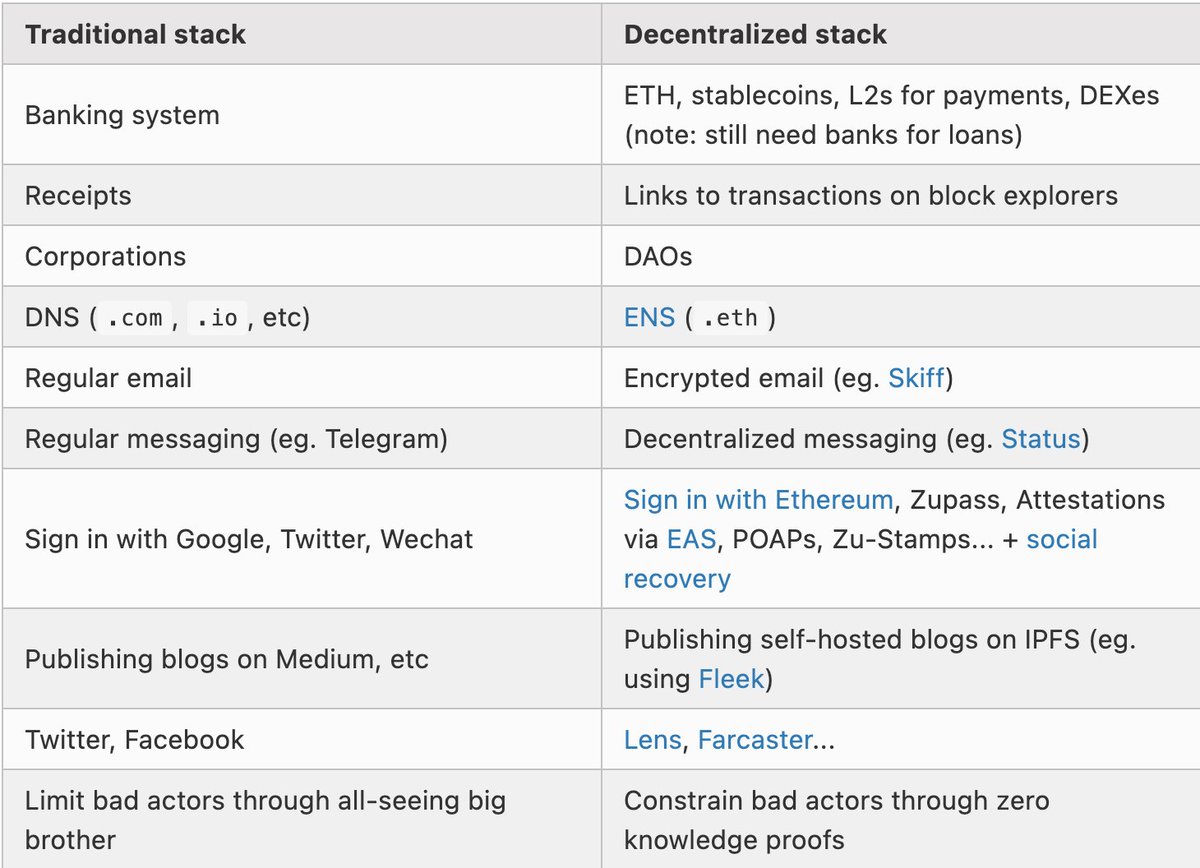
The end of my childhood: vitalik.eth.limo/general/2024/0…