David Regev · דָּוִ֖דֿ רֶֽגֶֿבֿ

856 posts

David Regev · דָּוִ֖דֿ רֶֽגֶֿבֿ

David Regev · דָּוִ֖דֿ רֶֽגֶֿבֿ

@DavidRegev

Israeli-American interested in: • Academic Talmud ∩ Jewish Law • Rethinking computing / UX / HCI

Brooklyn, NY לבי במזרח ואנכי ב Katılım Haziran 2009
249 Takip Edilen198 Takipçiler
Sabitlenmiş Tweet
David Regev · דָּוִ֖דֿ רֶֽגֶֿבֿ
🧵 on Web Browser #UX: #TooManyTabs 𝗗𝗼 𝘆𝗼𝘂 𝗵𝗮𝘃𝗲 𝘁𝗼𝗼 𝗺𝗮𝗻𝘆 𝘁𝗮𝗯𝘀 𝗼𝗽𝗲𝗻? Years ago, I discovered the solution! No browser on the market has truly solved this problem. Part 1: What’s the problem? Part 2: The solution! Part 3: Flow Browser
David Regev · דָּוִ֖דֿ רֶֽגֶֿבֿ tweet media
David Regev · דָּוִ֖דֿ רֶֽגֶֿבֿ@DavidRegev

1. Flow Browser (thesis project): The zoomable Web browser that automatically organizes your tasks. This is the latest in my quest to redesign Web browsers (and computers in general). medium.com/david-regev-on…

English
2
1
10
4.9K
David Regev · דָּוִ֖דֿ רֶֽגֶֿבֿ
⁦I used הכי גרסינן¹ for the BT manuscripts. I’m not sure if it includes any Yemenite ones. I also looked at the Parma Mishnah and whatever is available on אוצר כתבי יד תלמודיים². ⁦I also searched online in various places for [מצה על שנגאלו], but I couldn’t find anything useful. Mind you, I researched all this a few years ago, so there may be new information now. ¹ bavli.genizah.org, though I actually used the old Android app, called Bavli Variants. There’s an APK floating around online. ² nli.org.il/he/discover/ju…, though I actually used their older and much better site that seems to be gone now.
0
0
1
28
David Regev · דָּוִ֖דֿ רֶֽגֶֿבֿ
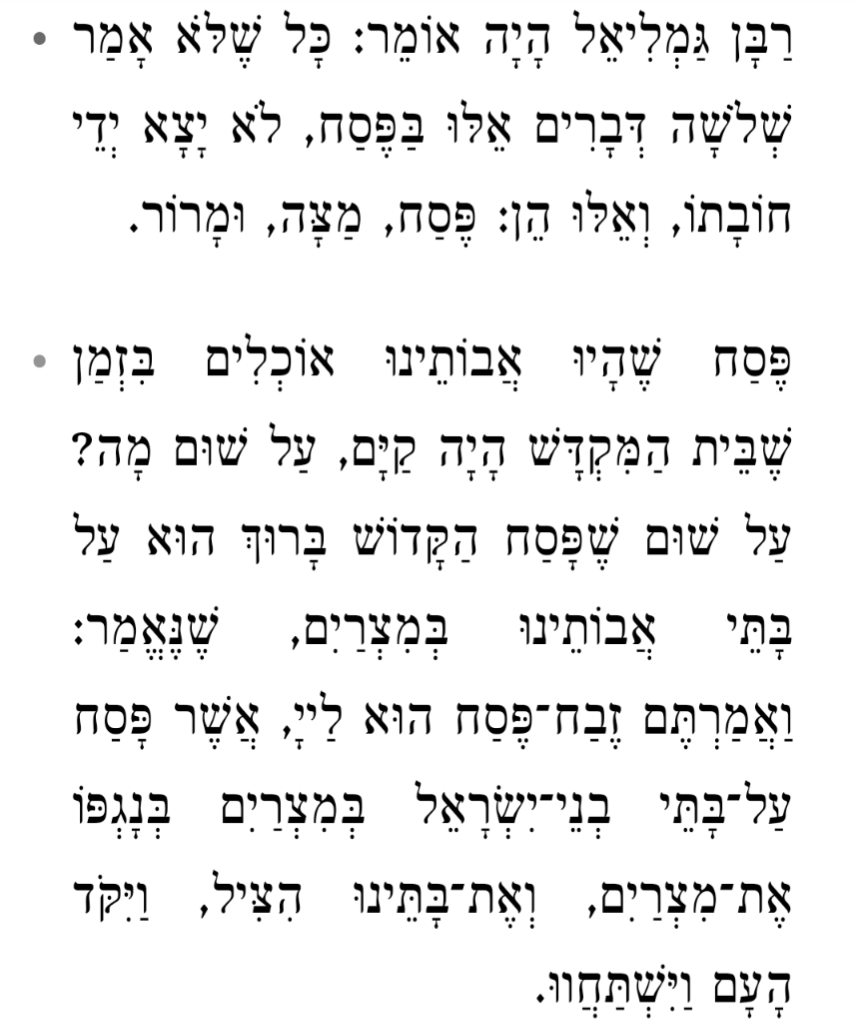
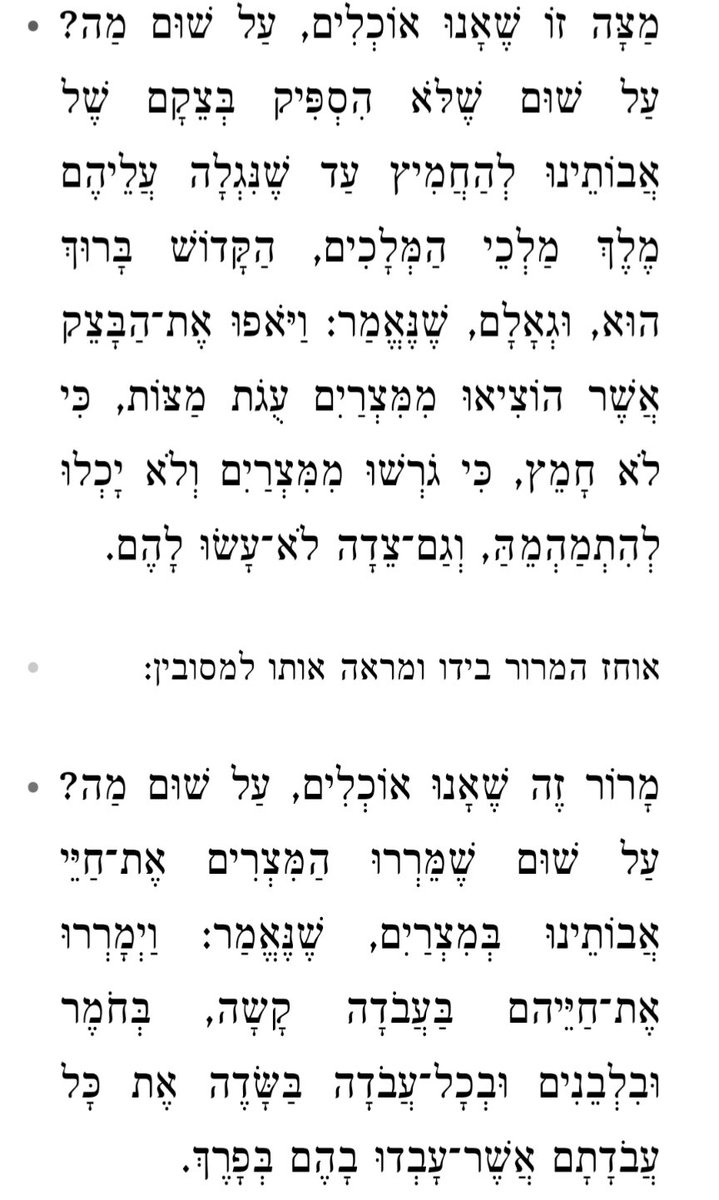
⁦A little דבר תורה for Passover night (if your guests don’t mind technical discussions involving manuscripts). What is Rabban Gamli’el talking about? Rabban Gamli’el requires everyone to mention these three items: א. פסח ב. מצה ג. מרורים See the standard text of the Haggaḏah below. sefaria.org/Pesach_Haggada… I have a few questions: 1. Why is it so important to say these things, such that you haven’t fulfilled your obligation otherwise? 2. Why are we explaining etymologies, rather than something more important? ⁦3. The third etymology doesn’t work. It looks like it’s going to explain the origin of the word ‘מצה’, but it doesn’t. (This one always bothered me.)
David Regev · דָּוִ֖דֿ רֶֽגֶֿבֿ tweet mediaDavid Regev · דָּוִ֖דֿ רֶֽגֶֿבֿ tweet media
1
0
4
104
David Regev · דָּוִ֖דֿ רֶֽגֶֿבֿ
⁦There is another question regarding whether the explanations are coming from Rabban Gamli’el himself or from the Mishnah. But this shouldn’t affect my analysis. I could see the explanations being added later on in order to clarify the vague “אמר”. Or perhaps Rabban Gamli’el did that himself. A secondary lesson from all of this is that Kaufmann is an excellent manuscript!
English
1
0
2
49
David Regev · דָּוִ֖דֿ רֶֽגֶֿבֿ
⁦There is some manuscript evidence for this theory. One BT manuscript (Vatican 134) has “על שום” only for פסח. Two others (Munich 95 and JTS 1608) have it for מרור as well. None of these have it for מצה. ⁦It seems that these are intermediate steps between having “על שם” nowhere and having it everywhere. People would only have added it to מצה once both of the other items had it, just to make the language more uniform (even though it makes no sense). ⁦What I have yet to find is a manuscript corresponding to Kaufmann’s base text (according to my reconstruction): no “על שם” anywhere.
1
0
1
55
David Regev · דָּוִ֖דֿ רֶֽגֶֿבֿ retweetledi
David Regev · דָּוִ֖דֿ רֶֽגֶֿבֿ
With everyone arguing over whether customs are important in Judaism, I think people need to be reminded of something: Halakhah is a legal system. It has rules about how it works, which are recorded in rabbinic literature (Mishnah, Tosephta, etc.). You want to argue that halakhah requires you to observe the same customs your father’s father’s father had halfway across the globe over a century ago? Prove it! Start arguing like a lawyer (or, better yet, like a logician), instead of just yelling on social media. If you’re genuinely interested in this question (rather than just looking to confirm what you “know”), you can start with Josh’s series on halakhah: 👇 ⁦By the way, ‘מנהג’ just means ‘practice’, not ‘custom’. All customs are practices, but not all practices are customs. You can’t just argue from the use of ‘מנהג’ without understanding the context.
Rabbi Josh Yuter@JYuter

With Passover approaching and fights over customs, here's my classic shiur, "Popular Practice and the Process of Psak: The Role of Custom in Jewish Law."

English
1
1
11
232
David Regev · דָּוִ֖דֿ רֶֽגֶֿבֿ
אנחנו גם זה וגם זה. מלכות רומי נעלמה ואנחנו נשארנו, ביחד עם כל הספרות שמדברת על "Palestine". עכשיו, זו המילה שלנו. לך תגיד לכל חוקרי התלמוד היהודים שאסור להגיד "Palestinian Talmud" בגלל שיש אנשים שלא מבינים מה זה. אם תעשה את זה, אתה נותן ל-Fauxlestinians לנצח בתוכנית ה-doublespeak שלהם.
עברית
1
0
2
26
Guy גיא
Guy גיא@SuperCat_alw·
@DavidRegev @elongilad הרכבת הזו יצאה מהתחנה. ועם כל הכבוד, אנחנו ממש לא "הפלסטיניים המקוריים". אנחנו בני ארץ ישראל המקוריים, ולא משנה כמה הרומאים היו עצבניים אחרי מרד בר כוכבא.
עברית
1
0
0
21
Elon Gilad
Elon Gilad@elongilad·
1/8 Imagine preparing for the Passover Seder, only to realize half the Jews in your city think the holiday doesn't start for another two days. In the year 921 CE, this actually happened. 🧵
English
6
3
44
9K
Question Assumptions
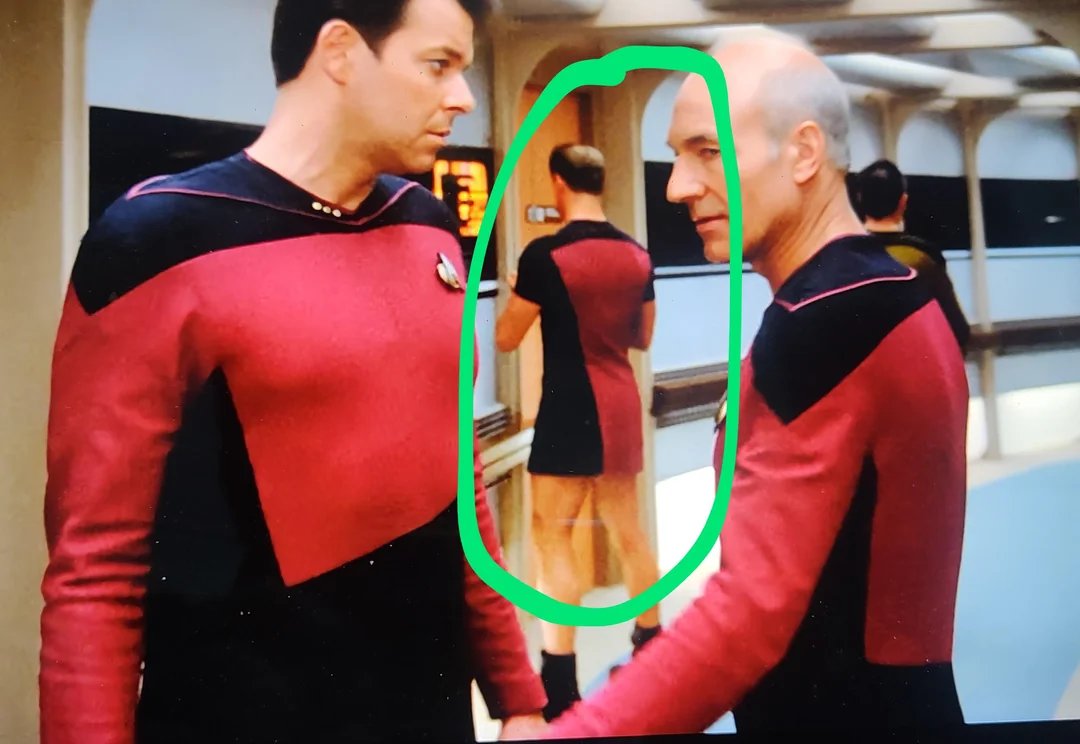
@DavidRegev @wtfcetialpha5 You can call it whatever made up name you want it doesn’t change why it was there (why did they have to “make up for all the miniskirts in TOS”?) and it went away because people realized it was stupid. Be honest.
English
1
0
0
14
Khan Noonien Singh
Khan Noonien Singh@wtfcetialpha5·
Star Trek was never woke. It was about the military in space, written by a veteran, with progressive elements and storylines. Not about the gheys and putting Klingons in a dress to send a message about inclusivity. I'm glad your show is rotting and gone.
English
109
221
3.8K
35K
David Regev · דָּוִ֖דֿ רֶֽגֶֿבֿ
וזאת הבעיה! אנשים כל-כך רגילים למשמעות החדשה של "פלסטיני", הם שכחו ש"פלסטיני" = "יהודי מארץ ישראל". למה שנשנה את הלשון שלנו בגלל רשעים שרוצים לשכנע את העולם שהם הפלסטינים המקוריים ולא אנחנו? בשבילי, כשאני שומע "פלסטיני", אני חושב על המשנה, על תלמוד ארץ-ישראל, על רבי יוחנן, על גניזת קהיר, על סדור ארץ ישראל… המשמעות האחרת היא המוזרה.
עברית
1
0
1
16
Guy גיא
Guy גיא@SuperCat_alw·
@DavidRegev @elongilad תודה על התגובה דוד. מזכיר שאנחנו בטוויטר, לא בכתיבה אקדמית, כפי שכתבת. לדעתי הביטוי "רבנים פלסטינים" הוא מוזר בכל שפה, בכל תרגום, לכל קהל יעד, ולא משנות הנסיבות.
עברית
1
0
0
17
Question Assumptions
@wtfcetialpha5 TNG put a counselor on the bridge next to the captain like a commissar on a Soviet Navy ship, put a girlboss in charge of security, made the doctor a woman, put a blind man at the helm, put crewmen in skirts, and introduced the Trill to raise questions about gender preferences.
Question Assumptions tweet media
English
2
0
1
17
David Regev · דָּוִ֖דֿ רֶֽגֶֿבֿ
That’s the standard way of referring to the Land of Israel from 135 CE to 1948 in Western academic parlance. There’s nothing weird about it. No one would ever think that this term refers to anything other than Jews living in the Land of Israel. If you let evil people appropriate this term, you let them lay claim to historical information about Jews and pretend that it refers to them. This term is ours! So, yes, Palestinian rabbis, Palestinian Talmud, Palestinian rite, Palestinian Judaism.
English
1
0
1
15
Guy גיא
Guy גיא@SuperCat_alw·
@elongilad Great thread, but "Palestinian rabbis"? I mean, come on...
English
1
0
0
17
David Regev · דָּוִ֖דֿ רֶֽגֶֿבֿ
⁦The fixed calendar was one of the last acts of the Great Court (סנהדרין). It was never meant to be permanent, since the correct way to determine the beginning of the month is by witnesses. But that became increasingly difficult, due to persecution, so they enacted the fixed calendar as a temporary measure. The Sages felt that the state of affairs could change soon, and they’d be able to return to the correct way of calculating the calendar. So, rather than tell Diaspora Jews to observe only one day, they told them to continue observing two days like they were used to. After all, the Great Court could go back to the old way by next year, and then the Diaspora would go back to all those doubts about when the holiday falls (which is why two days were observed in the first place). What the Sages sadly didn’t forsee is that the persecution would get so bad that the Great Court would cease to exist, and we’d all be stuck with this temporary measure for 16½ centuries (and counting). If the Great Court were around today, they’d obviously get rid of having two days in the Diaspora, since we have electronic communication now and no longer would we have any doubts as to when the new month was declared in Jerusalem. So, the question is not why we have two days, but why we haven’t revived the Great Court. Yes, this is technically challenging, since it’s not clear how to do this. But getting unity to do this is even harder!
English
0
0
1
23
The Jewish Meme Queen
The Jewish Meme Queen@jewishmemequeen·
Ok, so why are we still doing 2 days of Chag in the diaspora?? We know when the holidays start and end. Passover should be 7 days with 1 Seder. How do we fix this?
English
113
5
190
37.1K
David Regev · דָּוִ֖דֿ רֶֽגֶֿבֿ retweetledi
Heimish Humor
Heimish Humor@HeimishHumor·
The formatting when you type a Hebrew word into English text.
Heimish Humor tweet media
English
18
34
415
7.5K
David Regev · דָּוִ֖דֿ רֶֽגֶֿבֿ
Indeed. אָמַר רַבִּי יְהוֹשֻׁעַ, שָׁמַעְתִּי, שֶׁמַּקְרִיבִין אַף עַל פִּי שֶׁאֵין בַּיִת, וְאוֹכְלִים קָדְשֵׁי קָדָשִׁים אַף עַל פִּי שֶׁאֵין קְלָעִים, קָדָשִׁים קַלִּים וּמַעֲשֵׂר שֵׁנִי, אַף עַל פִּי שֶׁאֵין חוֹמָה, שֶׁקְּדֻשָּׁה רִאשׁוֹנָה קִדְּשָׁה לִשְׁעָתָהּ וְקִדְּשָׁה לֶעָתִיד לָבֹא: sefaria.org/Mishnah_Eduyot…
עברית
0
0
1
7
Lisa Liel
Lisa Liel@LisaLiel·
@RodgersTed @shevereshtus We're not allowed to bring it outside of the area of the Temple. But we are allowed to bring it in that area whether or not the building is constructed. The reason we don't bring it is that the government won't let us.
English
1
0
2
21
shevereshtus
shevereshtus@shevereshtus·
What a load of absolute nonsense. Rabban Gamliel said that you were allowed to eat what’s called a gedi mekula on Pesach. A gedi mekula was a young roasted goat that was cooked in a way that resembled (what was different) a Korban Pesach. This is a practice that predated the destruction of the Temple, and the questions as whether you were allowed to continue doing it or not. The Sages decreed you were not allowed to continue this custom that some had after the destruction of the Temple, because people could be confused by it and think you had sacrificed your own Korban Pesach. It was not, in any way, shape, or form, considered a sacrifice, or replacing a sacrifice. Rabban Gamliel absolutely *never* advocated for Jews to make private sacrifices at home. A child in cheder would know this.
Elon Gilad@elongilad

5/7 The transition was messy and took generations. Rabban Gamaliel, head of the Jewish assembly, believed families could adapt by sacrificing their animals at home.

English
20
17
292
18.3K
David Regev · דָּוִ֖דֿ רֶֽגֶֿבֿ
I’ve thought about it and have come to a different interpretation of the Mishnah: the concern is not cold dough but dough with a dried-out shell. x.com/i/status/20355… “So, in conclusion, if your dough is hard on the outside, and you have no other doughs made at the same time, and you leave it out for 72 minutes without kneading it, then (and only then) you really need to worry about it having fermented.” If the above is not the case, then it has nothing to do with the clock but with how the dough looks.
David Regev · דָּוִ֖דֿ רֶֽגֶֿבֿ@DavidRegev

Addendum: It occurs to me that the worry with cold dough is based on a violation of the laws of thermodynamics. If you used cold water to make a dough, that dough should be equally cold throughout. After that time, the outside should always be somewhat warmer than the inside, since heat travels from warmer areas (the air) to colder areas (the center of the dough). Therefore, there’s no possible way for the center of the dough to have risen more than its outside. People in the past didn’t understand how heat worked. They might have noticed that we feel warm when we bundle up. Not knowing that this is because we produce our own heat, they might have thought that the center of a dough would be warmer because it’s “bundled up”. Now, fermentation apparently does produce a small amount of heat. But we’re not talking about yeasted dough here. If there’s any yeast in this cold dough, it’s on the surface, which is the only place airborne yeast can get to. So, basically, even cold dough should not be a concern (though it’s hardly a practical issue anyway). x.com/i/status/17801…

English
0
0
0
29
David Regev · דָּוִ֖דֿ רֶֽגֶֿבֿ
Finally, a rant about how chometzphobia: x.com/DavidRegev/sta…
David Regev · דָּוִ֖דֿ רֶֽגֶֿבֿ@DavidRegev

𝗢𝗻 𝘁𝗵𝗲 𝗧𝗿𝗮𝗻𝘀𝗶𝘁𝗶𝗼𝗻 𝗳𝗿𝗼𝗺 Ḥ𝗮𝗺𝗲ṣ 𝘁𝗼 𝗖𝗵𝗼𝗺𝗲𝘁𝘇 or: Why are we so stringent on #Passover? I recently came to the realization that there was a fundamental shift in people’s conception of what ḥameṣ is. Allow me to pontificate… ⚠️ Warning: rant ⚠️

English
1
0
2
229
David Regev · דָּוִ֖דֿ רֶֽגֶֿבֿ retweetledi
David Regev · דָּוִ֖דֿ רֶֽגֶֿבֿ
⁦That said, it’s possible that “deaf” dough does not refer to cold dough but to something else. I think I have a pretty good suggestion: dough that has hardened on the outside, like earthenware. In other words, it’s not בצק החרשׁ but בצק החרשׂ (original spelling of חרס). This interpretation solves several problems. First, it’s much more of a practical concern. If you don’t keep your dough in a humid environment, it’s a very real possibility that it will dry out on the outside and that this crust will prevent the dough from expanding, all while the inside is fermenting along. Second, it doesn’t violate thermodynamics. Third, it explains clearly why checking another dough would make sense: if you made several doughs at the same time, it’s totally possible for one to dry out on the outside while another doesn’t, due to small variations in the environment. If that other dough is soft on the outside but hasn’t visibly expanded, you can safely assume that neither has the “earthenware” dough. ⁦Amazingly, Safrai’s commentary on the Mishnah says the same thing. ברוך שכוַנתי! sefaria.org/Mishnat_Eretz_… So, in conclusion, if your dough is hard on the outside, you have no other doughs made at the and time, and you leave it out for 72 minutes without kneading it, then (and only then) you really need to worry about it having fermented.
English
0
0
0
26
David Regev · דָּוִ֖דֿ רֶֽגֶֿבֿ
Addendum: It occurs to me that the worry with cold dough is based on a violation of the laws of thermodynamics. If you used cold water to make a dough, that dough should be equally cold throughout. After that time, the outside should always be somewhat warmer than the inside, since heat travels from warmer areas (the air) to colder areas (the center of the dough). Therefore, there’s no possible way for the center of the dough to have risen more than its outside. People in the past didn’t understand how heat worked. They might have noticed that we feel warm when we bundle up. Not knowing that this is because we produce our own heat, they might have thought that the center of a dough would be warmer because it’s “bundled up”. Now, fermentation apparently does produce a small amount of heat. But we’re not talking about yeasted dough here. If there’s any yeast in this cold dough, it’s on the surface, which is the only place airborne yeast can get to. So, basically, even cold dough should not be a concern (though it’s hardly a practical issue anyway). x.com/i/status/17801…
English
1
0
0
57
David Regev · דָּוִ֖דֿ רֶֽגֶֿבֿ
𝗟𝗲𝗮𝘃𝗲𝗻𝗲𝗱 𝗱𝗼𝘂𝗴𝗵 (חמץ) 𝗶𝗻 𝟭𝟴 𝗺𝗶𝗻𝘂𝘁𝗲𝘀? Someone needs to bust this #Passover myth, and the information is not easily found online, so…
English
2
0
3
263