Professor Dr. De Curtò y Díaz

5.4K posts

Professor Dr. De Curtò y Díaz banner
Professor Dr. De Curtò y Díaz

Professor Dr. De Curtò y Díaz

@DeCurto2

Researcher @BSC_CNS; Professor @Comillas_ICAI; @UOCuniversitat; Father; Worked/Alumni: @CityUHongKong @UPV @CUHKofficial @CarnegieMellon @UABBarcelona @ETH_en


Earth Katılım Aralık 2019
3K Takip Edilen732 Takipçiler
Sabitlenmiş Tweet
Professor Dr. De Curtò y Díaz
"Computing is not about semiconductors in the same way that astronomy is not about telescopes. It's the ideas, the algorithms, and the logic that drive innovation and change." #TechForGood
English
0
0
4
3K
Professor Dr. De Curtò y Díaz retweetledi
NASA
NASA@NASA·
LIVE: They are coming home. Watch as the Artemis II crew returns to Earth, splashing down at around 8:07pm ET (0007 UTC April 11). twitter.com/i/broadcasts/1…
English
4.7K
34.3K
138.9K
9M
Professor Dr. De Curtò y Díaz retweetledi
Blue Origin
Blue Origin@blueorigin·
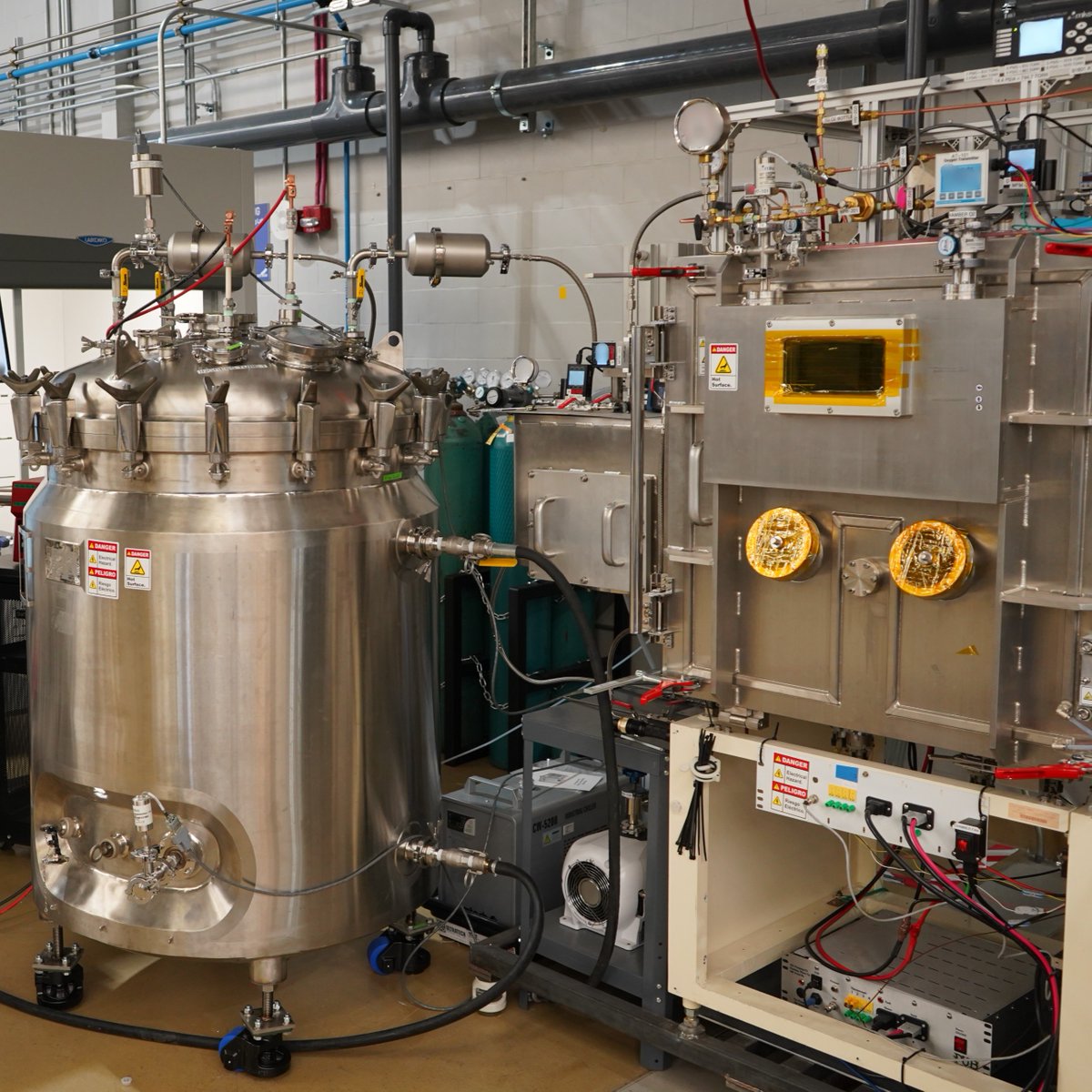
Melt. Extract. Breathe. Repeat. 🧑‍🚀 From Moon dust to fresh air, our Air Pioneer technology turns lunar regolith into breathable oxygen, ready for astronauts returning to the Moon. At our Space Resources Center of Excellence in LA, we developed a reactor (left) that melts regolith simulant and passes a current through it to release oxygen and other gases. The gases flow into the purification system (right) and emerge as medical- and propellant-grade oxygen. A flight-qualified Air Pioneer at this same scale could provide the first breath of life for a sustainable Moon base. 🌕
Blue Origin tweet media
English
100
510
4K
487.1K
Professor Dr. De Curtò y Díaz retweetledi
NASA
NASA@NASA·
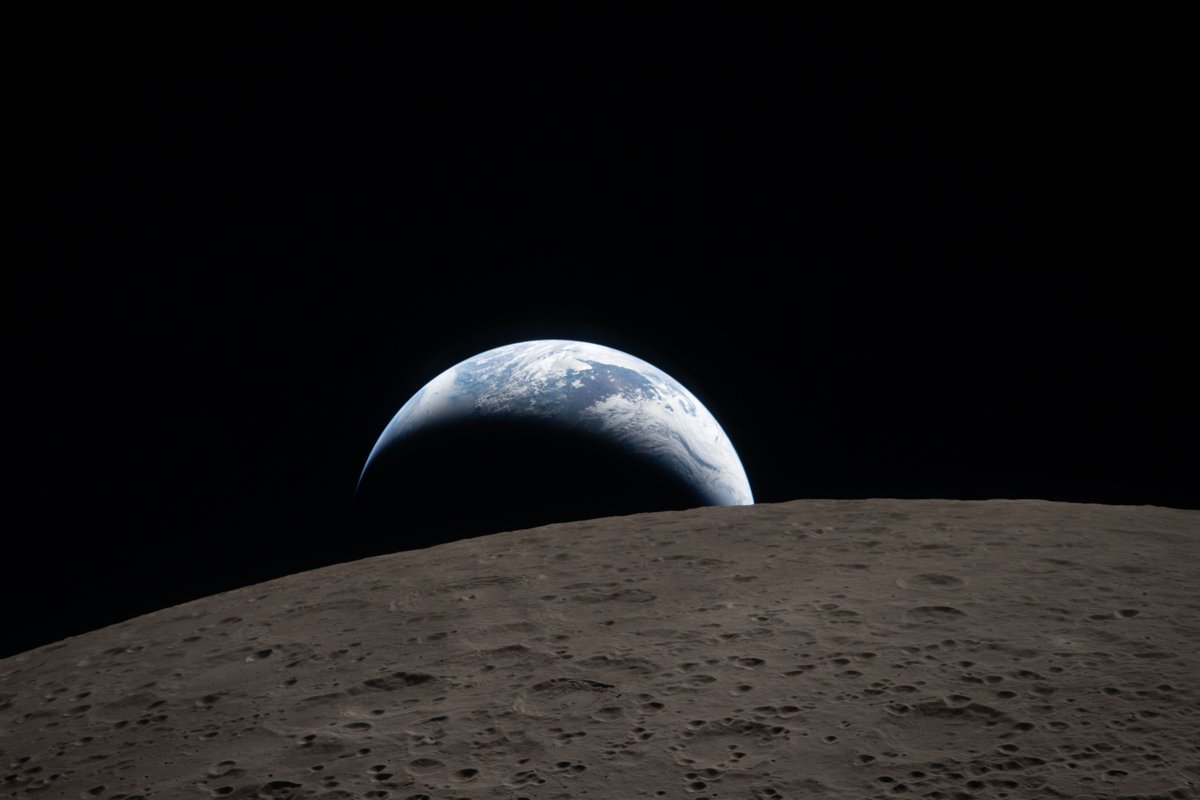
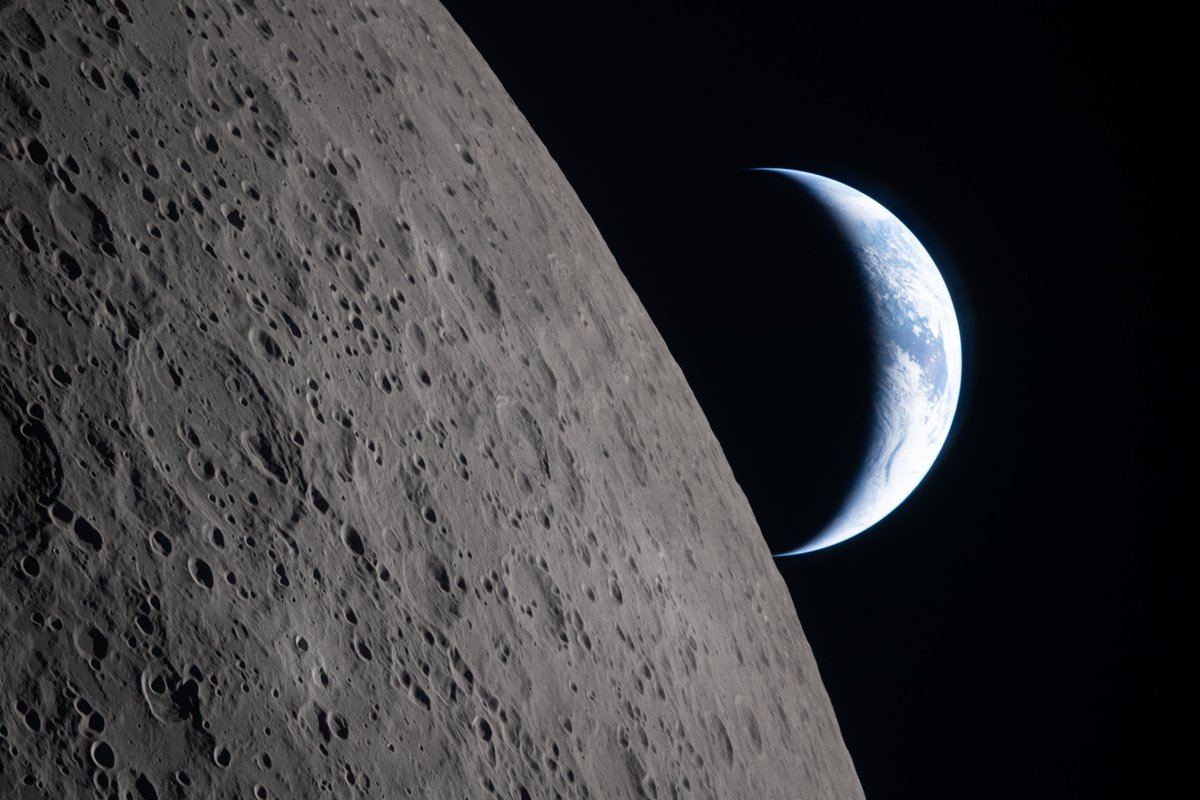
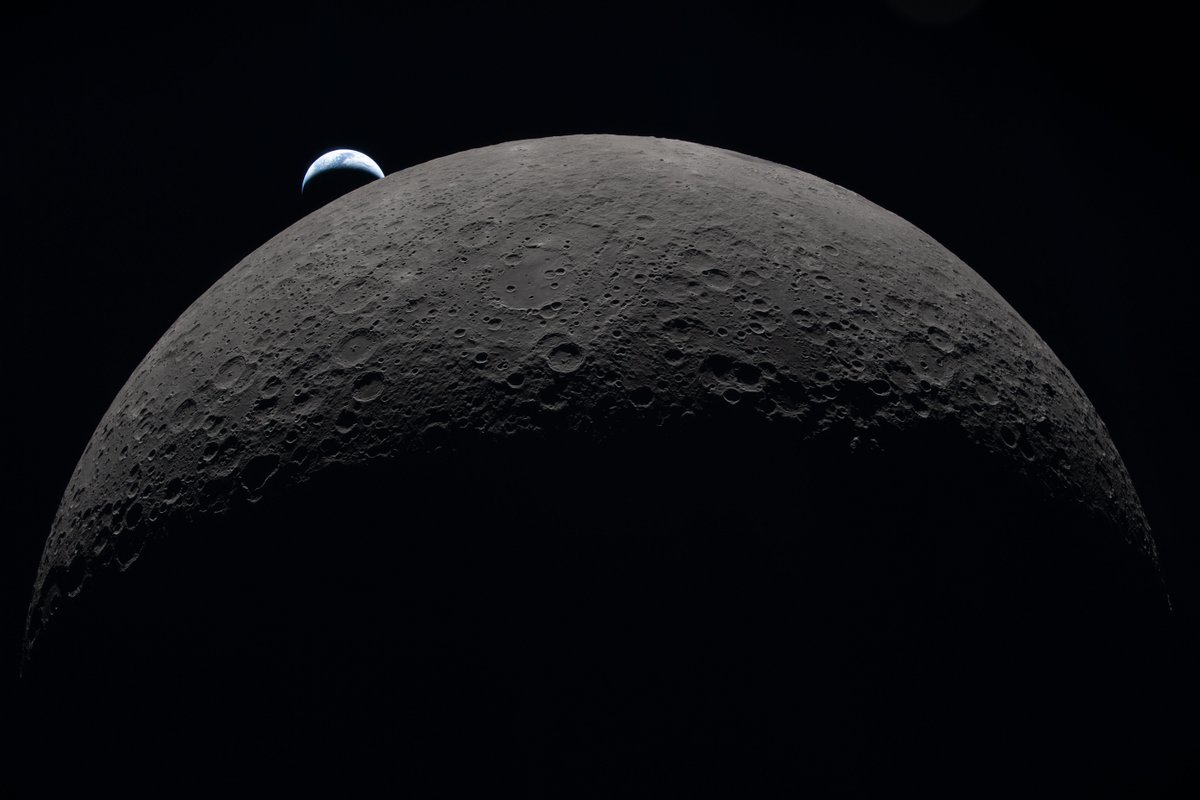
It's not just a phase 🌕 Artemis II astronauts captured these views of the Moon as the Orion spacecraft flew around the far side of the Moon on April 6, 2026.
English
1.2K
18.4K
89.6K
3.7M
Professor Dr. De Curtò y Díaz retweetledi
NASA
NASA@NASA·
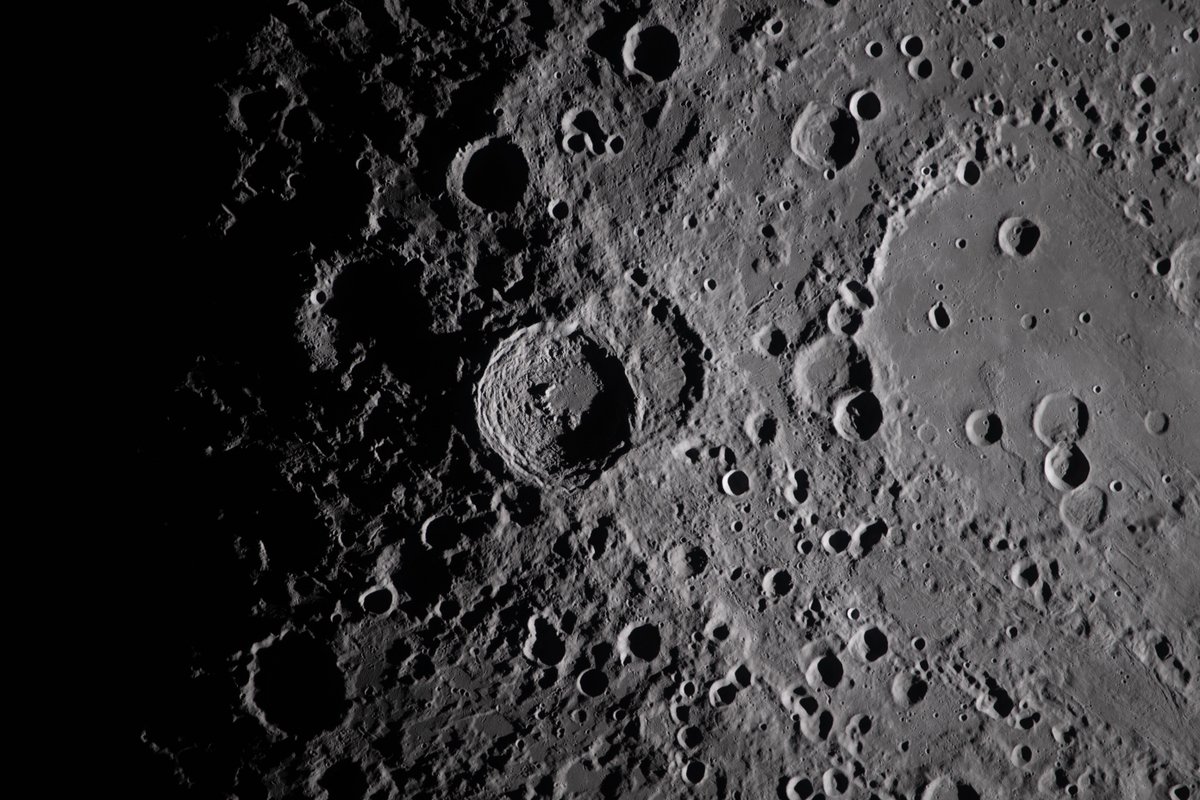
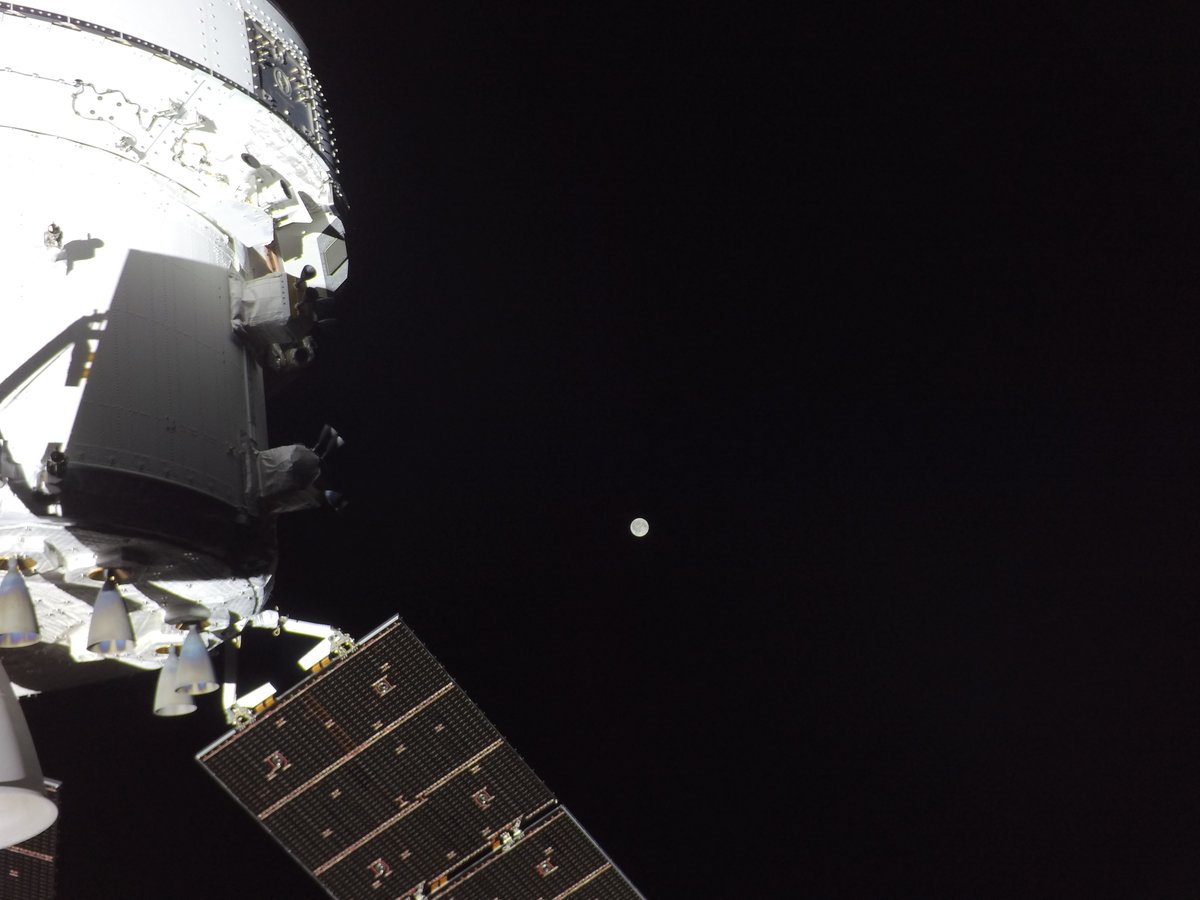
Hello, Moon. It’s great to be back. Here’s a taste of what the Artemis II astronauts photographed during their flight around the Moon. Check out more photos from the mission: nasa.gov/artemis-ii-mul…
NASA tweet mediaNASA tweet mediaNASA tweet mediaNASA tweet media
English
10K
173.9K
809.8K
28.3M
Professor Dr. De Curtò y Díaz retweetledi
NASA Earth
NASA Earth@NASAEarth·
New record🥇 The Artemis II astronauts are now farther from Earth than humans have ever been! At 1:57 p.m. EDT, they broke the record set by Apollo 13 in 1970. Their journey around the far side of the Moon today will take them a maximum distance of 252,752 miles from Earth.
English
550
10K
55.5K
4.3M
Professor Dr. De Curtò y Díaz retweetledi
NASA Artemis
NASA Artemis@NASAArtemis·
We’re halfway there. At the time of posting this, the Artemis II mission is about halfway to the Moon. When the astronauts arrive, they will conduct a lunar flyby and collect scientific observations of the Moon’s surface.
NASA Artemis tweet media
English
1.2K
10.3K
74.1K
2.7M
Professor Dr. De Curtò y Díaz retweetledi
NASA Artemis
NASA Artemis@NASAArtemis·
Next stop: lunar flyby. The Orion spacecraft recently ignited its main engine on the service module for about six minutes to provide about 6,000 pounds of thrust. This maneuver sets the Artemis II astronauts on the path to the Moon.
English
179
1.9K
12.1K
565.8K
Professor Dr. De Curtò y Díaz retweetledi
Hubble
Hubble@NASAHubble·
Go Artemis II! 🌕 Godspeed and best wishes from the Hubble team!
NASA@NASA

Liftoff. The Artemis II mission launched from @NASAKennedy at 6:35pm ET (2235 UTC), propelling four astronauts on a journey around the Moon. Artemis II will pave the way for future Moon landings, as well as the next giant leap — astronauts on Mars.

English
50
413
5.4K
149.8K
Professor Dr. De Curtò y Díaz retweetledi
NASA
NASA@NASA·
We're going around the Moon. Come watch with us. Artemis II's four-astronaut crew is lifting off from @NASAKennedy on an approximately 10-day mission that will bring us closer to living on the Moon and Mars. The launch window opens at 6:24pm ET (2224 UTC). twitter.com/i/broadcasts/1…
English
5.7K
29.2K
108.9K
16.8M
Professor Dr. De Curtò y Díaz retweetledi
NASA
NASA@NASA·
The hatch is now closed. The Artemis II astronauts are now strapped into their seats and ready for launch.
English
340
2.4K
13.6K
1.8M
Professor Dr. De Curtò y Díaz retweetledi
Fermat's Library
Fermat's Library@fermatslibrary·
On this day in 1972, NASA launched the Pioneer 10 spacecraft. It became the first probe to successfully traverse the asteroid belt, the first to capture close-up images of Jupiter, and the first human-made object placed on a trajectory to completely leave our solar system. Bolted to its exterior: a golden plaque designed by Carl Sagan, using the hydrogen atom as a universal unit of measurement to tell any alien civilization where we are. Pioneer 10 sent its last signal in 2003 and it's still flying heading toward the star Aldebaran. Estimated arrival: 2 million years.
Fermat's Library tweet media
English
6
51
228
17.2K
Professor Dr. De Curtò y Díaz retweetledi
Hubble
Hubble@NASAHubble·
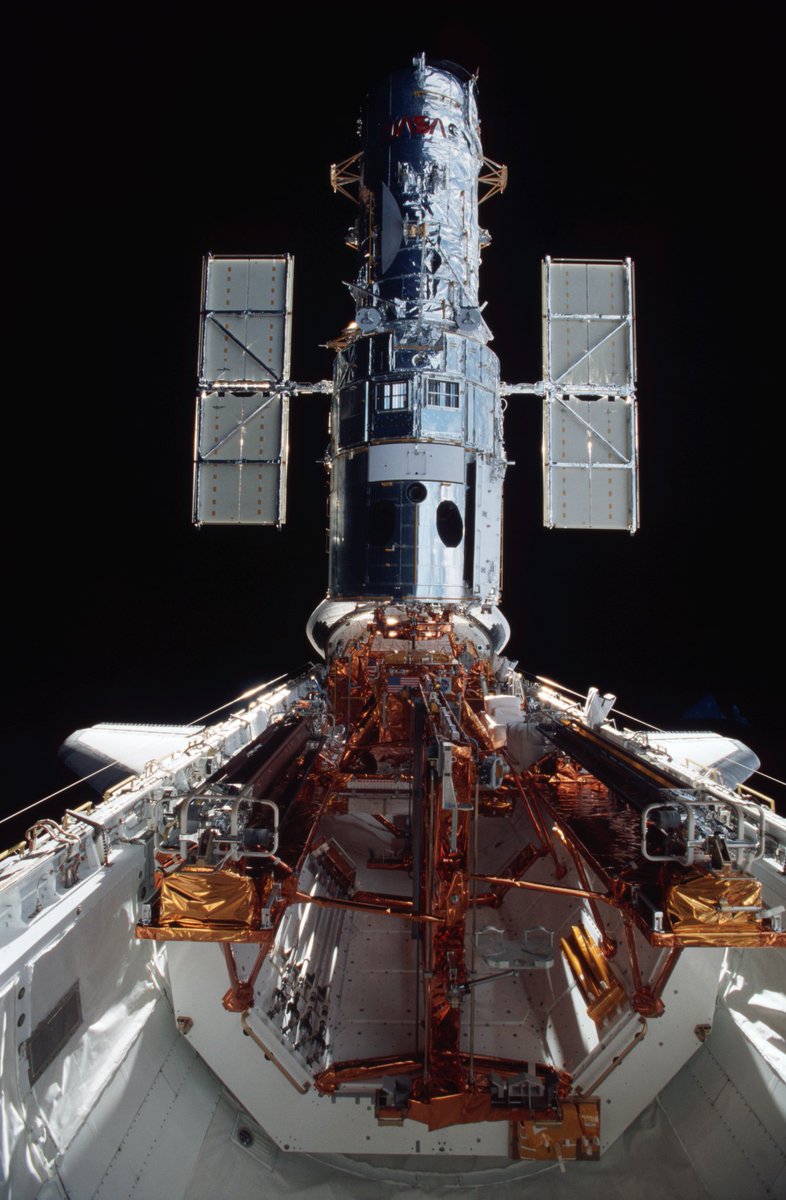
New eyes on the universe 👀 #OTD in 2002, Hubble's Servicing Mission 3B launched. Astronauts installed a new instrument, the Advanced Camera for Surveys, that increased Hubble's scientific abilities 10-fold: go.nasa.gov/4tV0wBL
Hubble tweet media
English
43
242
1.6K
63.6K
Professor Dr. De Curtò y Díaz retweetledi
Earth
Earth@earthcurated·
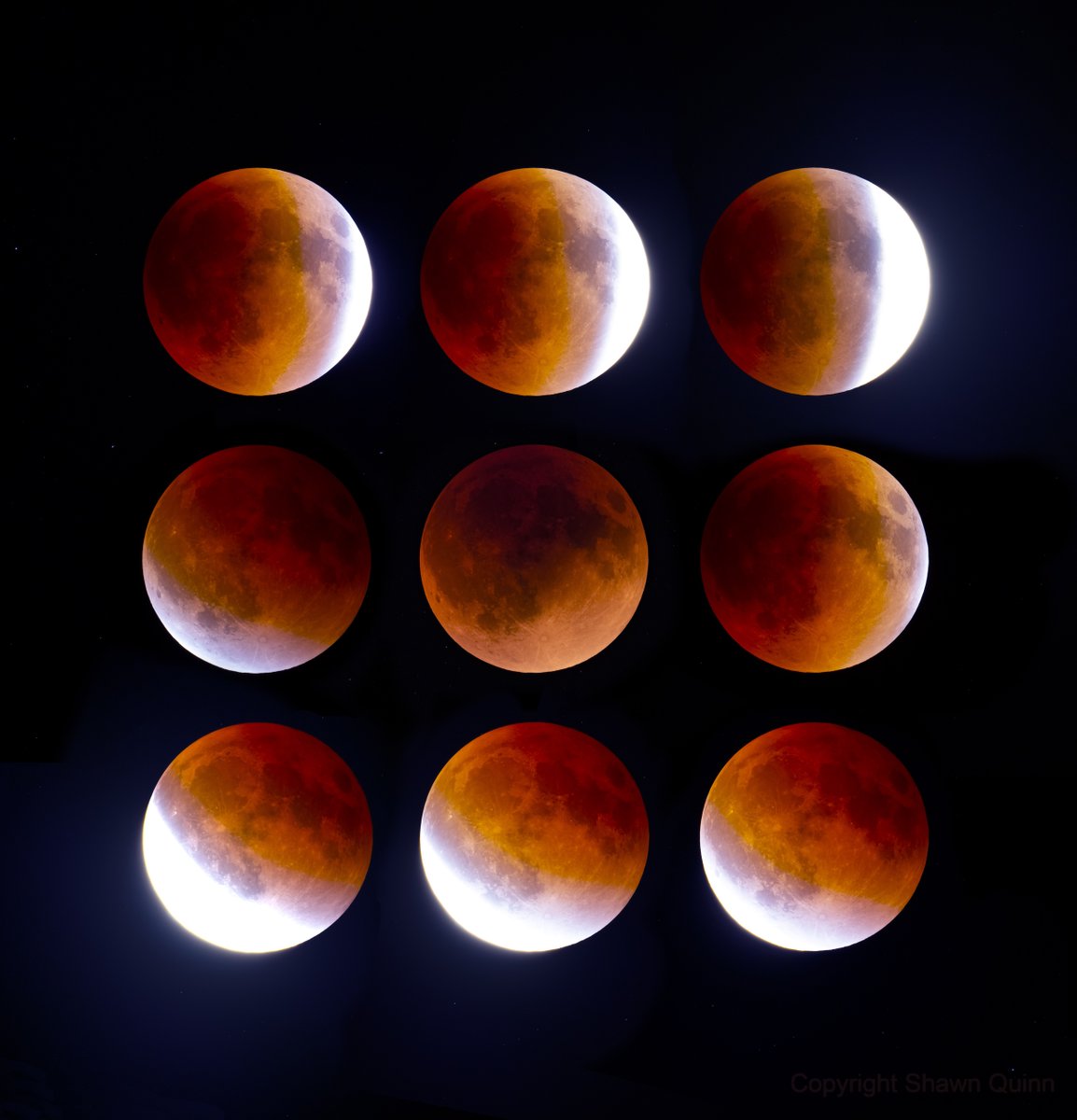
🚨 BREAKING NEWS | The Moon will turn blood red tomorrow, March 3, visible to nearly six billion people.
Earth tweet mediaEarth tweet media
English
216
1.8K
9.3K
791.8K
Professor Dr. De Curtò y Díaz retweetledi
Rocket Lab
Rocket Lab@RocketLab·
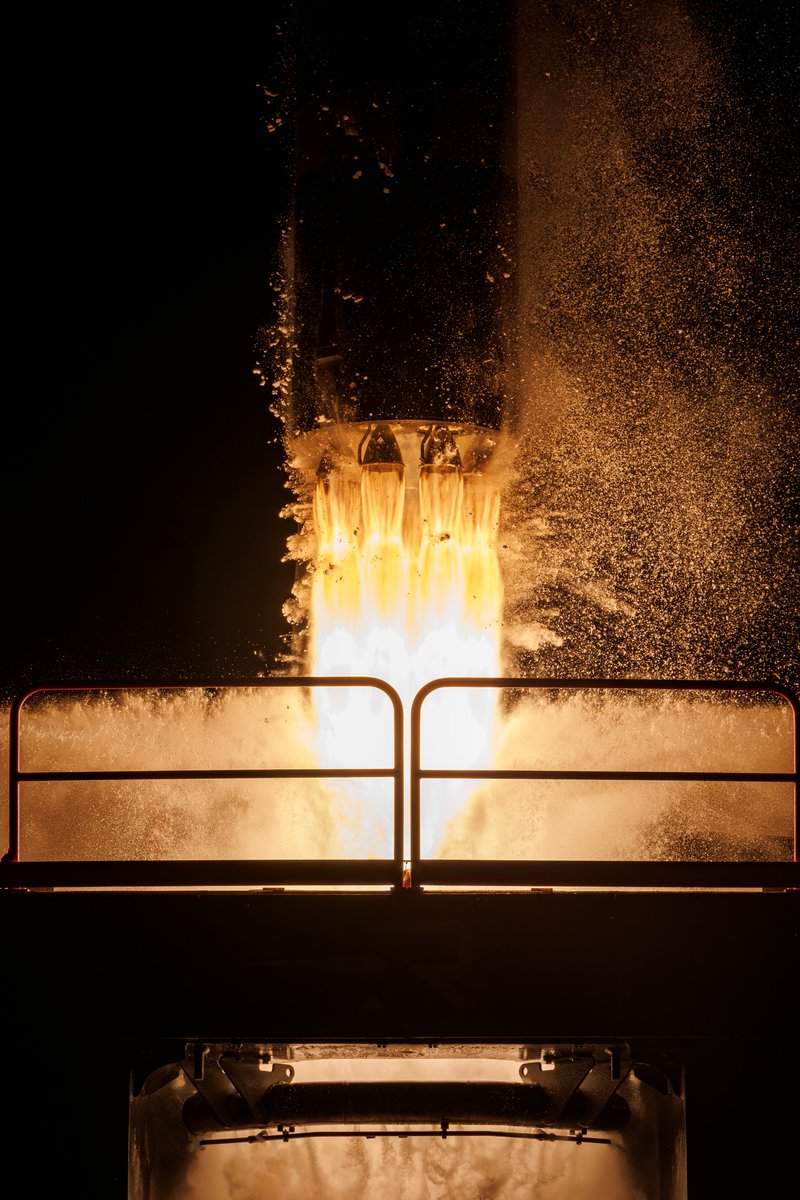
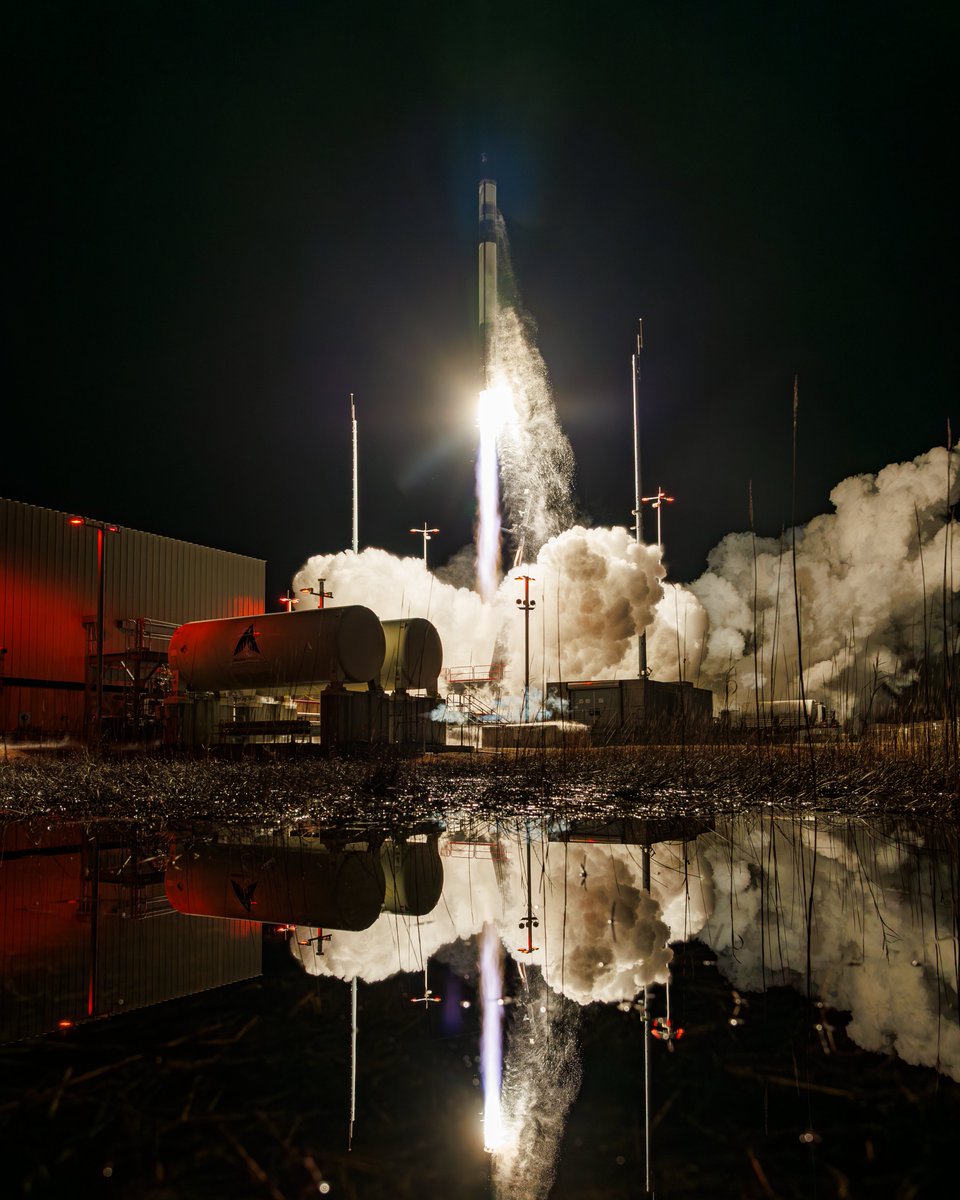
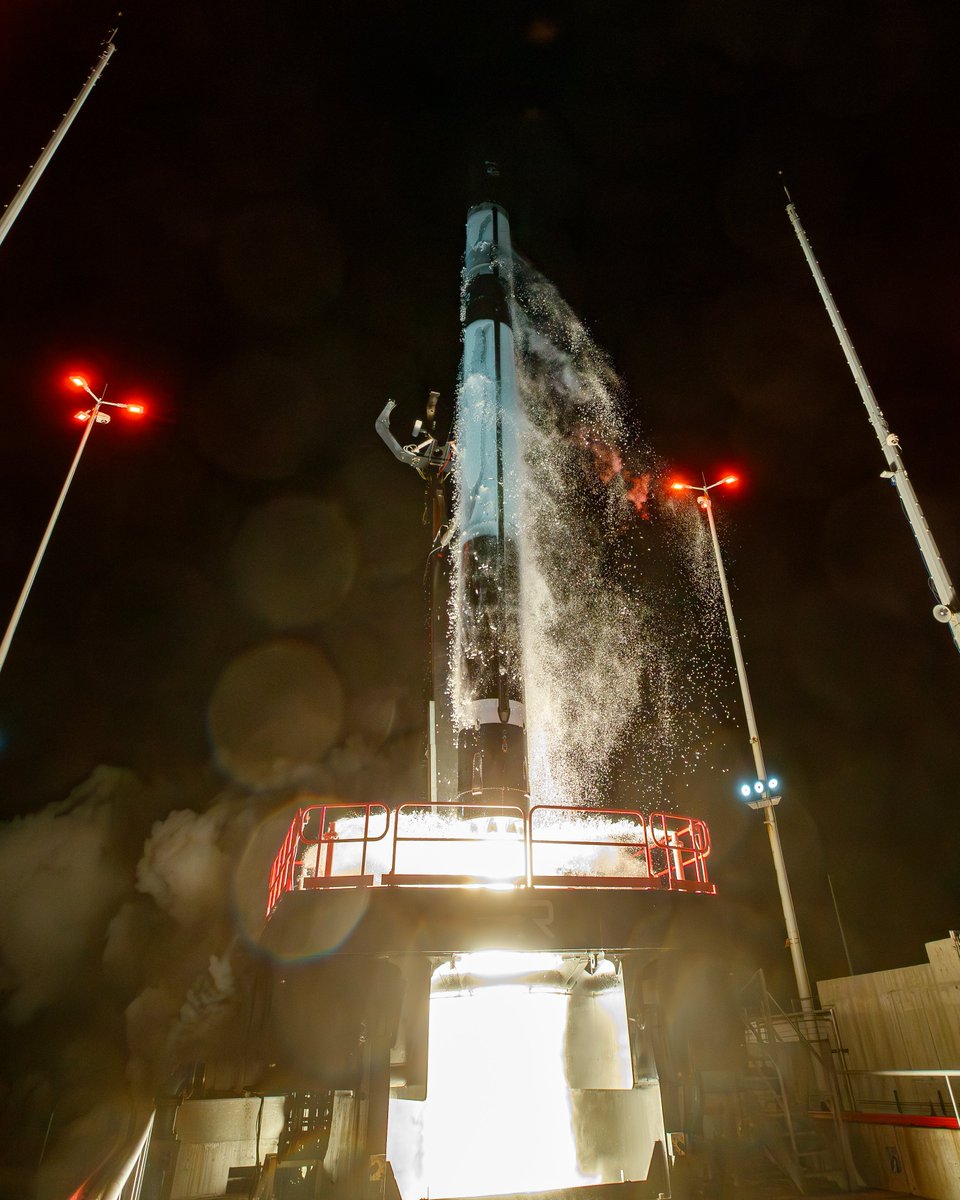
Highlights from the "That's Not A Knife" mission for @DIU_x and @HypersonixAU launched from LC-2 with our latest hypersonic test flight.
Rocket Lab tweet mediaRocket Lab tweet mediaRocket Lab tweet media
English
20
131
1.2K
41.4K
Professor Dr. De Curtò y Díaz retweetledi
NASA Artemis
NASA Artemis@NASAArtemis·
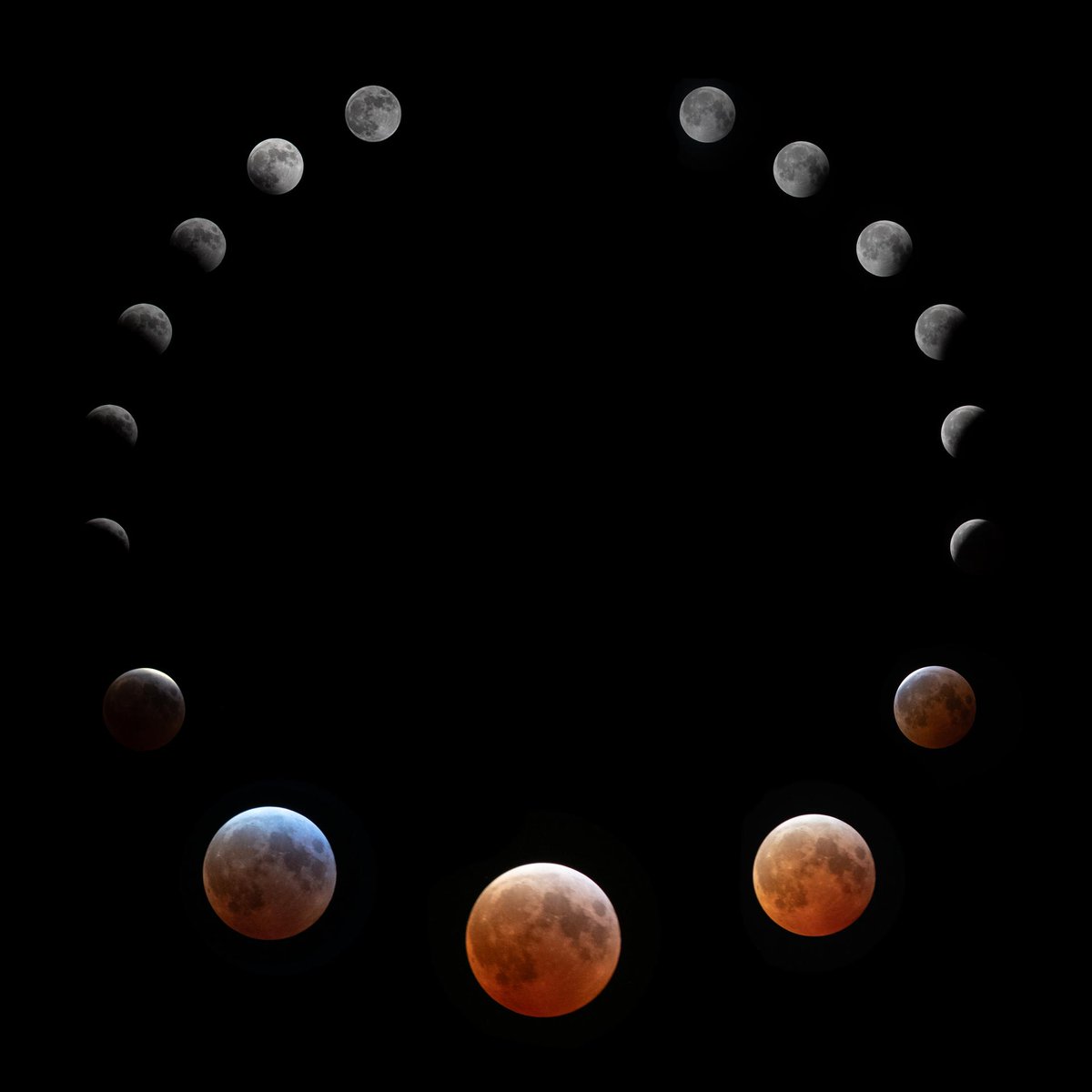
On Mar. 3, a total lunar eclipse will be visible in the Americas for the first time since March 2025. A lunar eclipse occurs when the Earth passes directly between the Sun and Moon, casting a shadow that makes the Moon appear red. go.nasa.gov/3OLlByf
NASA Artemis tweet media
English
28
296
1.3K
117.8K
Professor Dr. De Curtò y Díaz retweetledi
NASA's Johnson Space Center
NASA's Johnson Space Center@NASA_Johnson·
A total lunar eclipse - no telescope required. 🌕🔴 On the morning of March 3, 2026, the Moon will slip into Earth’s shadow and turn a deep red during totality. That “blood moon” color comes from sunlight bending through Earth’s atmosphere, the same effect behind sunrise and sunset glow. Totality lasts about 58 minutes and will be visible across parts of eastern Asia, Australia, the Pacific, and the Americas. Tell us where you’ll be watching from! 👇
NASA's Johnson Space Center tweet media
English
265
1.8K
7.2K
486.7K
Professor Dr. De Curtò y Díaz retweetledi
Tory Bruno
Tory Bruno@torybruno·
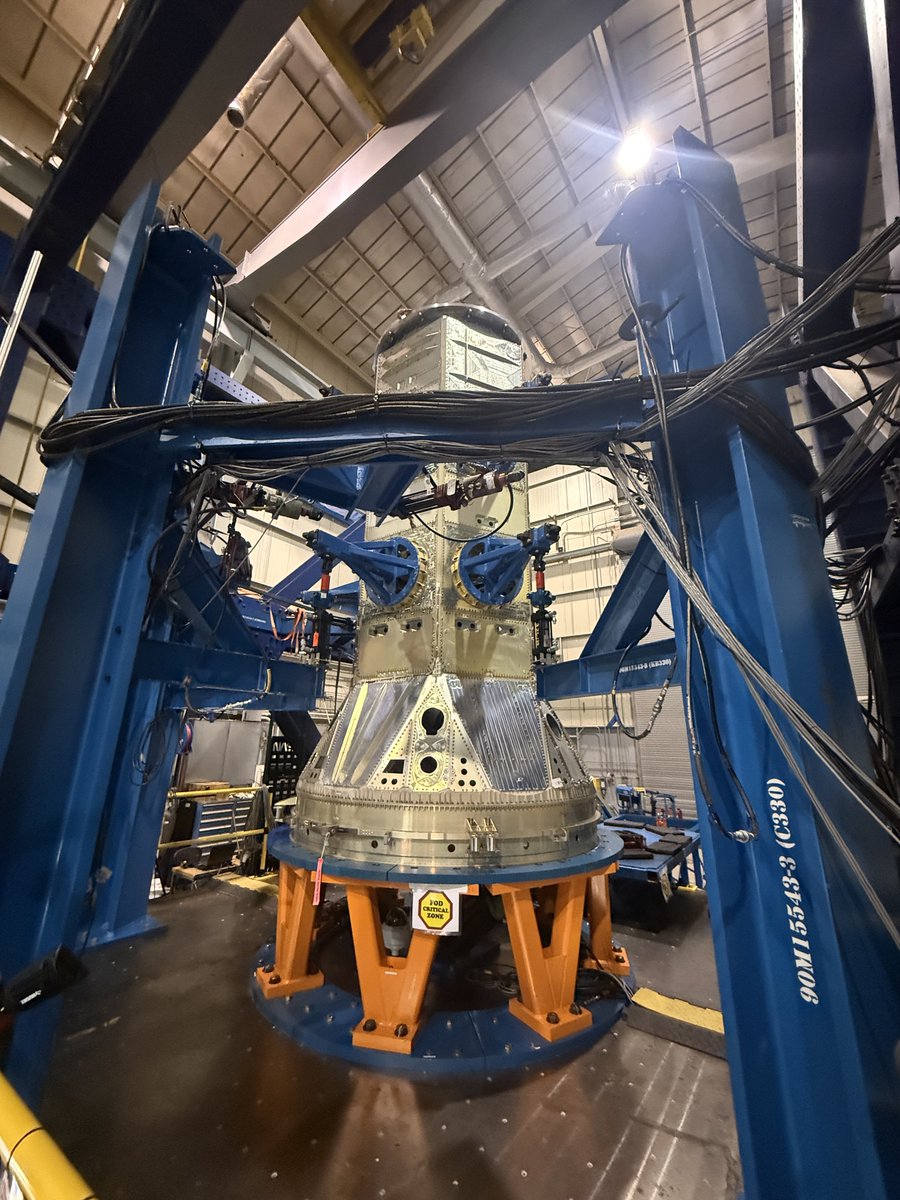
You guys liked the last Blue Ring picture so much, I felt that you deserve another one. This is the dedicated Structural Test Asset (STA) undergoing load testing at NASA's awesome Marshall Space Flight Center. So far so good. The Ring is proving to be fit trim and very strong...
Tory Bruno tweet media
English
59
171
1.7K
66.6K
Professor Dr. De Curtò y Díaz retweetledi
National Radio Astronomy Observatory | NRAO
The blood moon rises once again. 🔴 In the early morning hours tomorrow, March 3, skywatchers across North America may witness a total lunar eclipse – the last until New Year's Eve 2028-2029. Totality from 6:04 - 7:02 AM EST (4:04 - 5:02 AM MDT).
GIF
English
2
25
79
2K