Decisive History

6.6K posts

Decisive History banner
Decisive History

Decisive History

@DecisiveHist

Exploring ancient history | Posting content from books, museums & sites I’ve visited | Pinned thread for book recommendations and highlights for deeper dives👇

Katılım Nisan 2023
1K Takip Edilen2K Takipçiler
Sabitlenmiş Tweet
Decisive History
Decisive History@DecisiveHist·
Official recommended reading thread 🧵 This is worth a bookmark if you are an avid reader. I'll keep adding books that I think are worthy of your hard earned money and most importantly your time. In complete transparency, these are Amazon affiliate links so I will earn a commission if you purchase any. I will only recommend books that I've personally read.
GIF
English
5
9
66
23.6K
Decisive History retweetledi
Hermahai
Hermahai@hermahai·
1/ Ugarit had a strong cosmopolitan character, functioning as a trade bridge between the Near East, Egypt and the Aegean. According to archaeological and epigraphic evidence, foreign merchants (and craftsmen) had settled in the city, as well as in its harbor, Minet el-Beida.
Hermahai tweet media
English
1
22
144
9.7K
Decisive History retweetledi
Hermahai
Hermahai@hermahai·
1/During the LBA, Ugarit,a coastal Levantine city-state, emerged as one of the most important trading centers of the Near East,due to its strategic location, but also to a particularly active local aristocracy that promoted its interests within a complex geopolitical environment.
Hermahai tweet media
English
1
20
165
5.7K
Decisive History retweetledi
Visuals of the Ancients
Visuals of the Ancients@visualsancients·
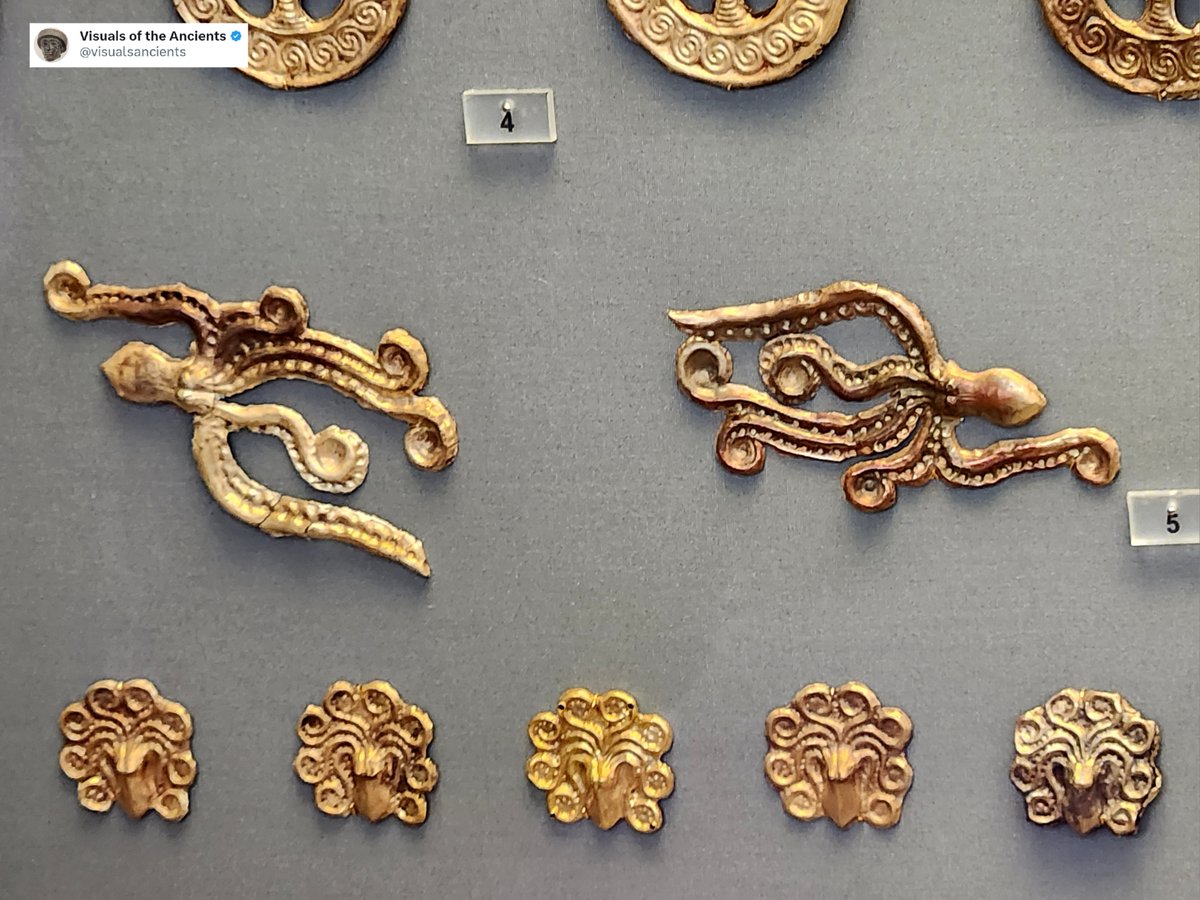
Octopus designs were also popular among the elites. Likely sewn onto clothing, here you have these gold brooches found in the Grave Circle A, right next to the Lion Gate, inside the citadel of Mycenae. 16th century BC. Dimensions of those in the first pic: 2 1/2 x 2 1/8 x 1/16 in. (6.4 x 5.4 x 0.2 cm). 📸 by me at the National Archaeological Museum, Athens.
Visuals of the Ancients tweet mediaVisuals of the Ancients tweet media
Visuals of the Ancients@visualsancients

The Roman poet Horace (65-8 BC) wrote: “Conquered Greece took captive her savage conqueror and brought her arts into rustic Latium.” But this was not the first time the conqueror admired the arts of the conquered. Let's talk about Minoans and Mycenaeans. Thread of 📸 below!

English
4
9
85
2.1K
Decisive History retweetledi
Decisive History
Decisive History@DecisiveHist·
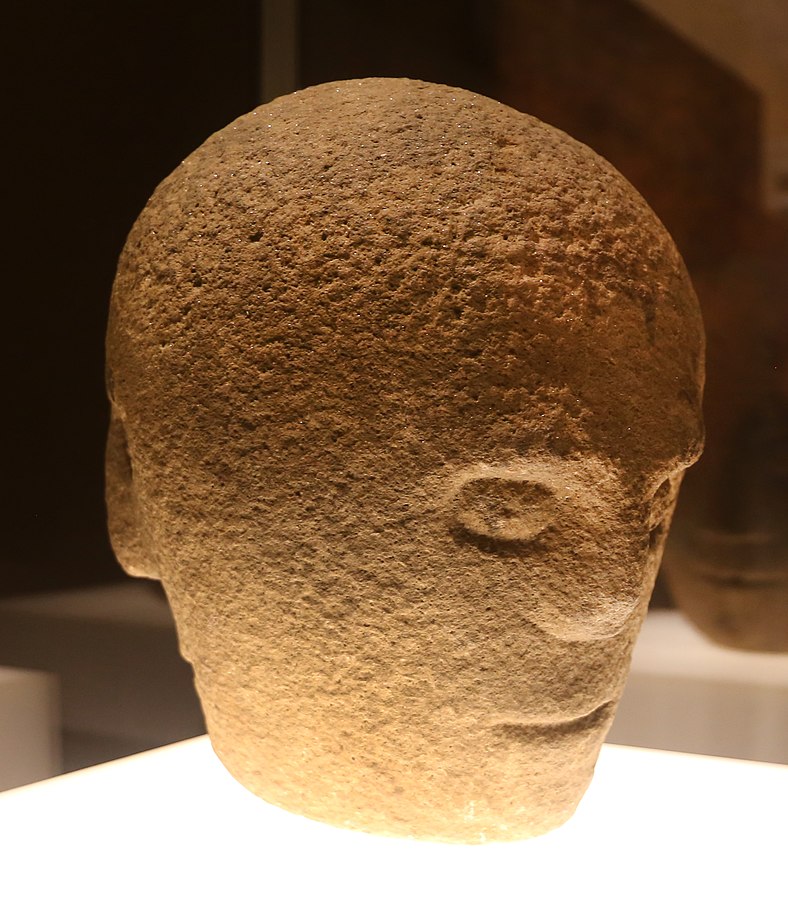
The Corleck Head was discovered in 1855 in the town of Drumeague, Ireland. The carved head dates to approx. 1st-2nd century CE and might be a carved head of the Celtic God Crom Dubh. Crom Dubh is mentioned in the Annals of the Four Masters which is book of ancient Irish history written in the 1600s. This was the pre-Christian era of Irish history. Crom Dubh was also known in Celtic mythology as a God that demanded human sacrifice in his name. 📷Sailko / National Museum of Ireland
Decisive History tweet media
English
1
2
12
429
Decisive History retweetledi
Decisive History
Decisive History@DecisiveHist·
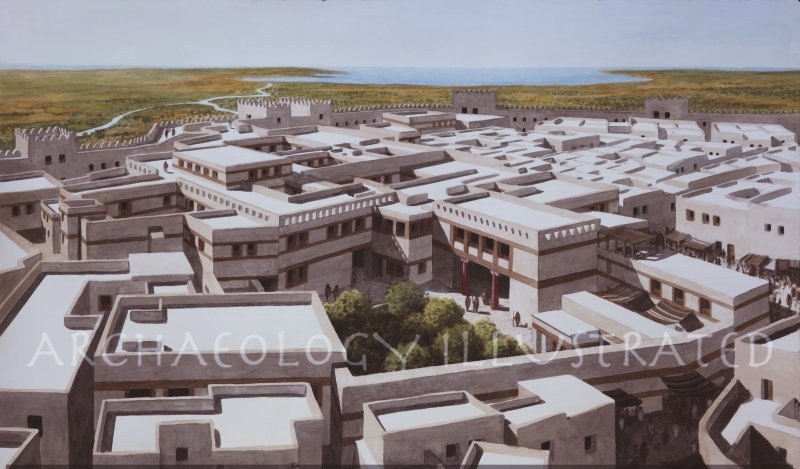
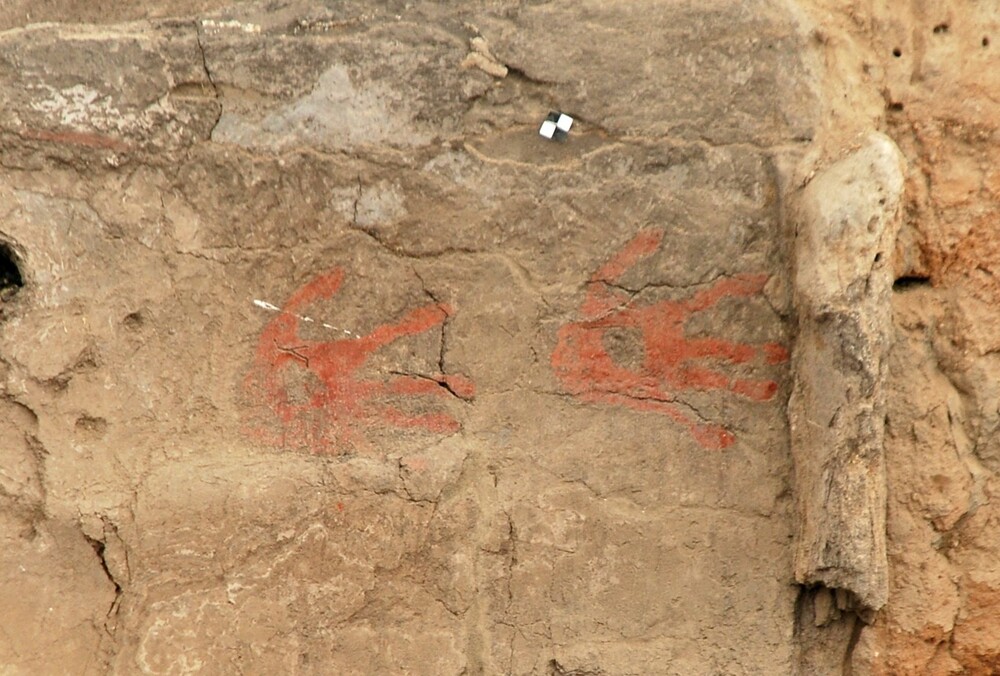
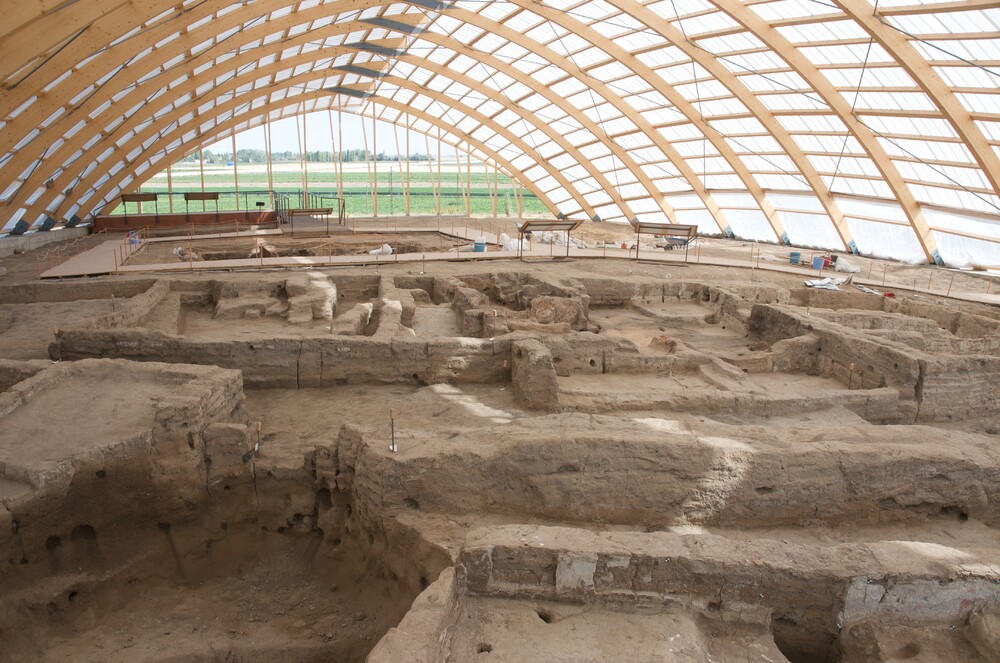
Catal Huyuk (Çatalhöyük) is 300 miles west of Gobekli Tepe, near the Anatolian plateau. In 1958, James Mellaart excavated the ancient site & was astounded to find more than 150 homes/buildings along with many artifacts. It would date back to 7400 BCEish or over 9,000+ years old.
Decisive History tweet mediaDecisive History tweet media
English
1
6
23
1K
Decisive History
Decisive History@DecisiveHist·
King Philip IV was the original Jason Vorhees #fridaythe13th
Decisive History@DecisiveHist

#OTD - Friday the 13th, 1307, King Philip IV of France along with Pope Clement V had the Knights Templar arrested. They were accused of denying Christ, profaning the cross, worshiping pagan deities, desecrating the mass and practicing homosexuality. 🧵

English
0
0
0
82
Decisive History retweetledi
Hermahai
Hermahai@hermahai·
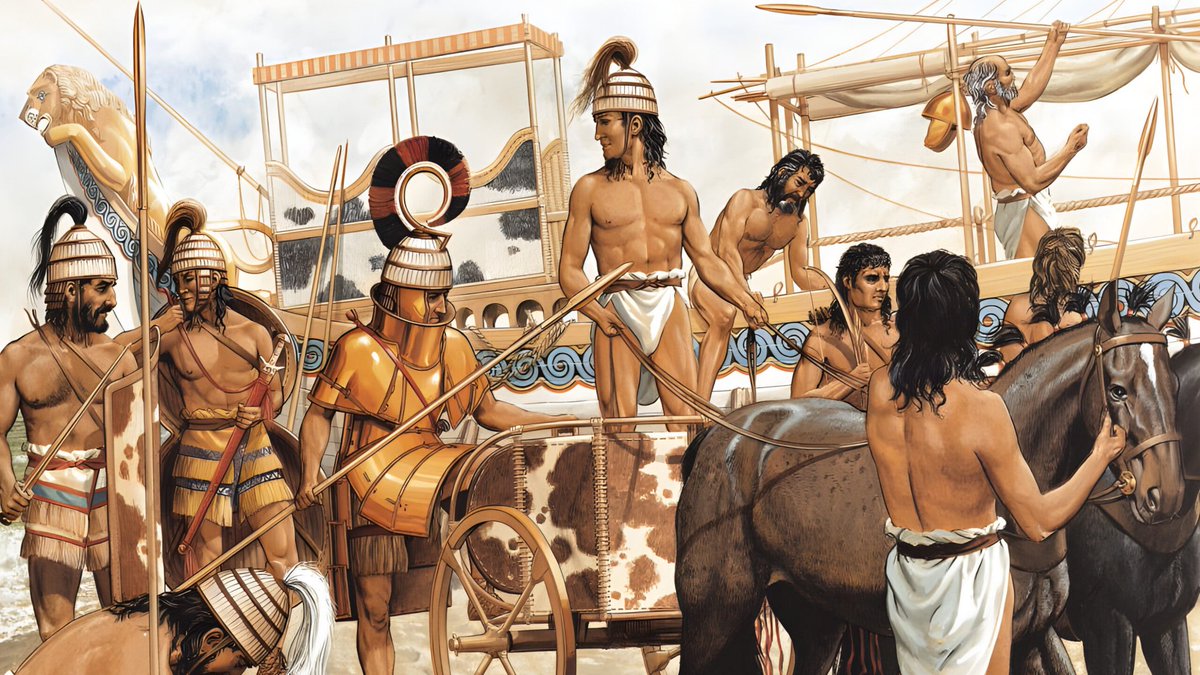
1/ The Hittite texts demonstrate that the Hittite Empire was in a long-standing conflict with the Mycenaean Aegean, mainly due to the constant Achaean involvement in the affairs of the Hittite vassal kingdoms of Western Anatolia. Often the Hittite kings were forced to send 👉
Hermahai tweet media
English
5
100
840
47.7K
Decisive History retweetledi
Decisive History
Decisive History@DecisiveHist·
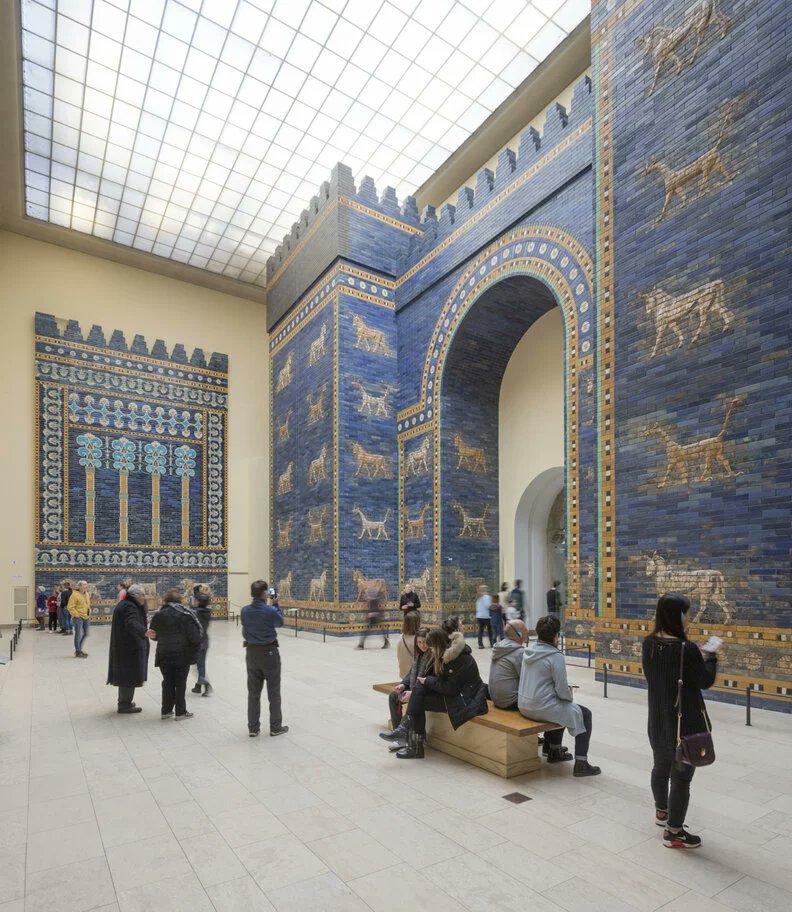
The Ishtar Gate from Babylon is impressive and what's just as impressive was how the gate was reconstructed after excavation. Robert Koldewey excavated the site of Babylon for 15 years (1899-1914). The amount of dirt covering the ancient site was substantial. Approx. 900 boxes of bricks were filled and shipped to the University of Porto in Portugal. Excavations ceased in 1914 as World War I broke out. The boxes were subsequently shipped to the Pergamon Museum in Berlin, Germany. In 1928, the painstaking project of piecing together the Ishtar Gate puzzle kicked off. The bricks were cleaned and sorted to reconstruct the gate we see today in the Pergamon Museum. The project took 2 year to complete and was displayed to the public in 1930 where the exhibit stands today. The gate isn't completely how it looked in Babylonian times, but it gives you a sense of just how impressive Babylonian architecture was. #ancienthistory #babylon #ishtargate #pergamonmuesum #History
Decisive History tweet media
English
4
15
59
5.4K
Decisive History retweetledi
Visuals of the Ancients
Visuals of the Ancients@visualsancients·
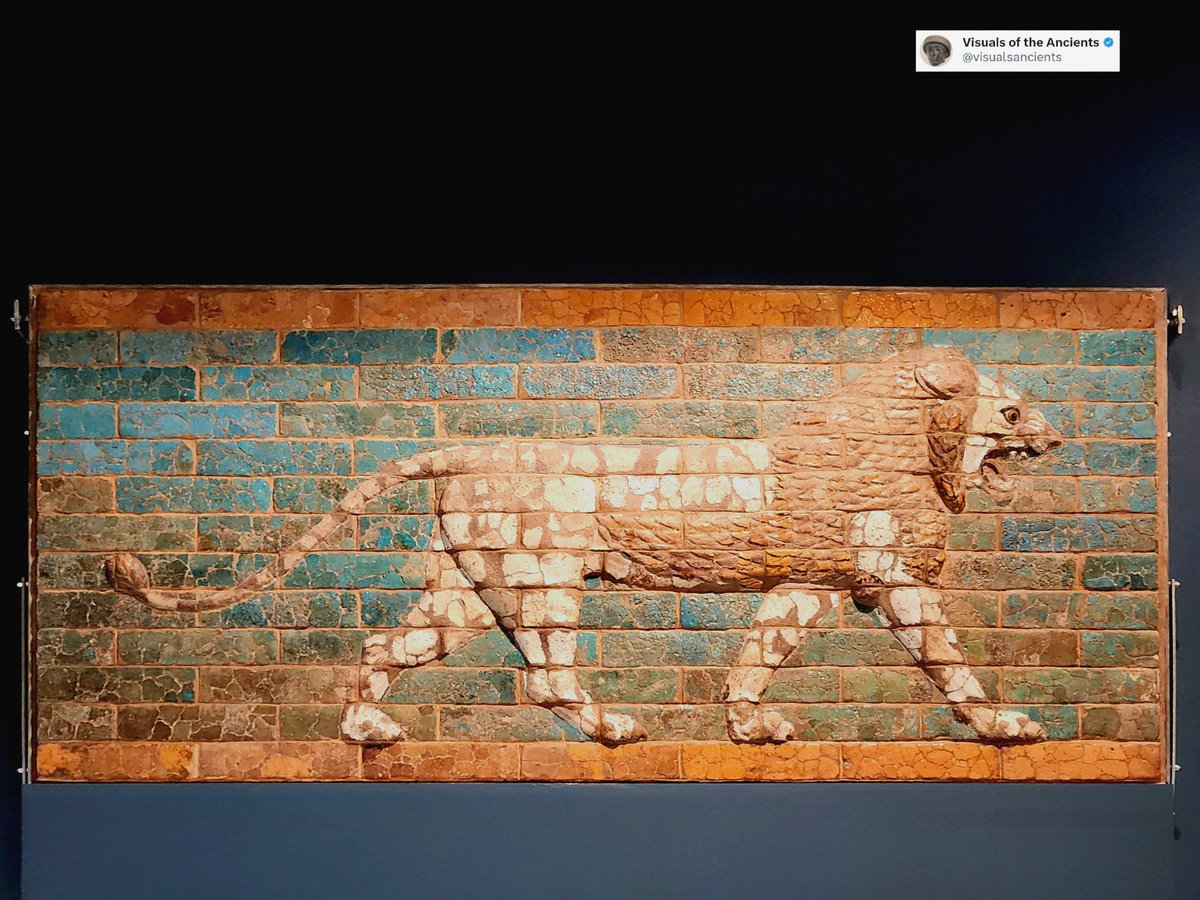
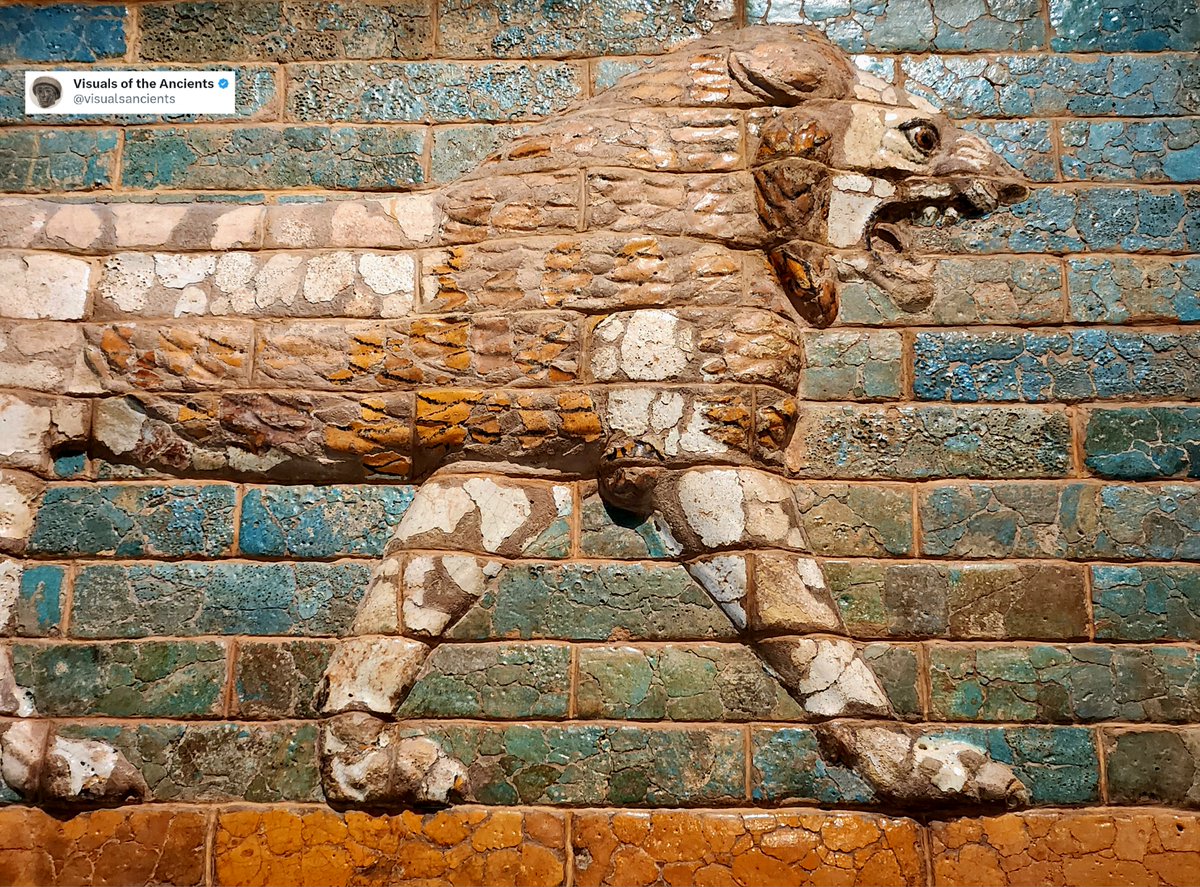
These two striding lions adorned the Processional Way of Babylon, a 24-meter-wide (79 ft) monumental avenue that ran through the Ishtar Gate all the way to the city's religious and political heart. Let's explore their details in this thread of history and religion. 📸 by me.
Visuals of the Ancients tweet media
English
1
10
62
1.1K
Visuals of the Ancients
Visuals of the Ancients@visualsancients·
If you enjoyed this post, please share and follow for more of this content!
Visuals of the Ancients tweet media
English
2
1
19
389
Decisive History retweetledi
Dan Davis
Dan Davis@DanDavisWrites·
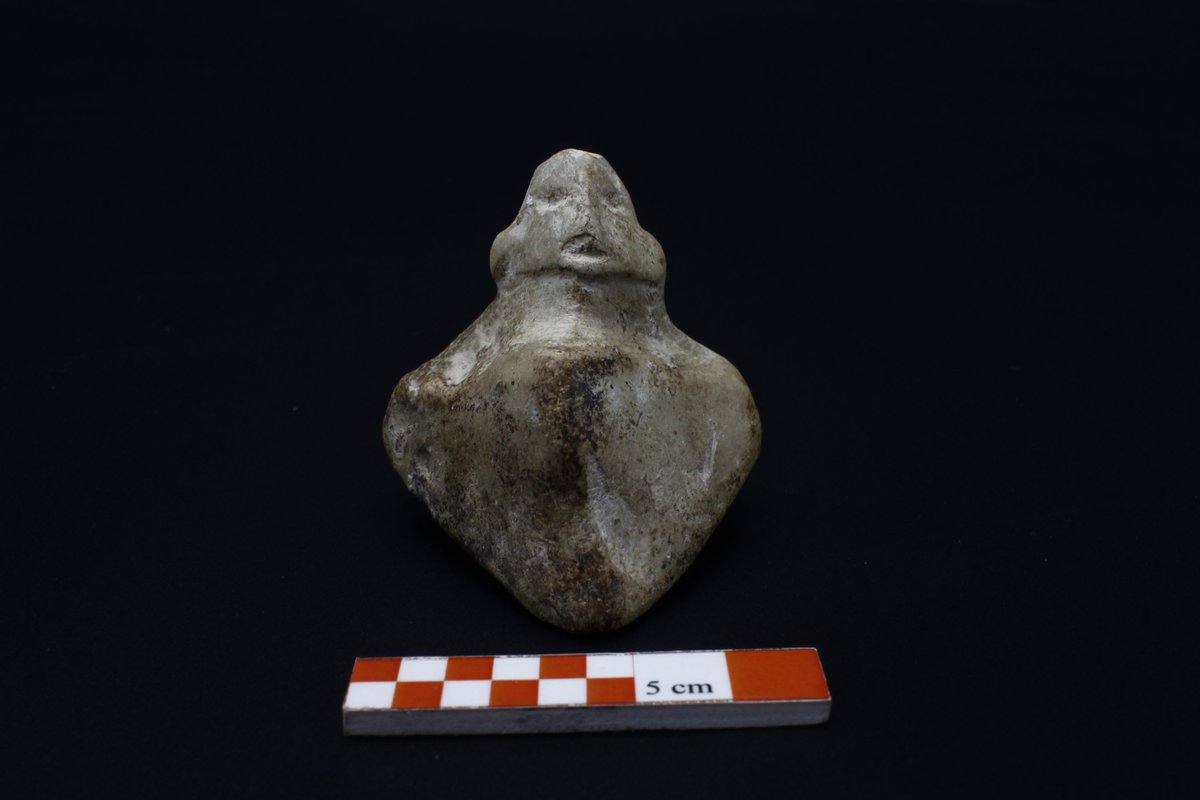
Beautiful stone figurine from Çatalhöyük, over 8000 years old.
Dan Davis tweet media
1
6
66
2.9K
Visuals of the Ancients
Visuals of the Ancients@visualsancients·
The Ishtar Gate was the most grandiose of the five entries to Babylon’s inner city.
Visuals of the Ancients tweet media
English
2
2
25
362
Decisive History
Decisive History@DecisiveHist·
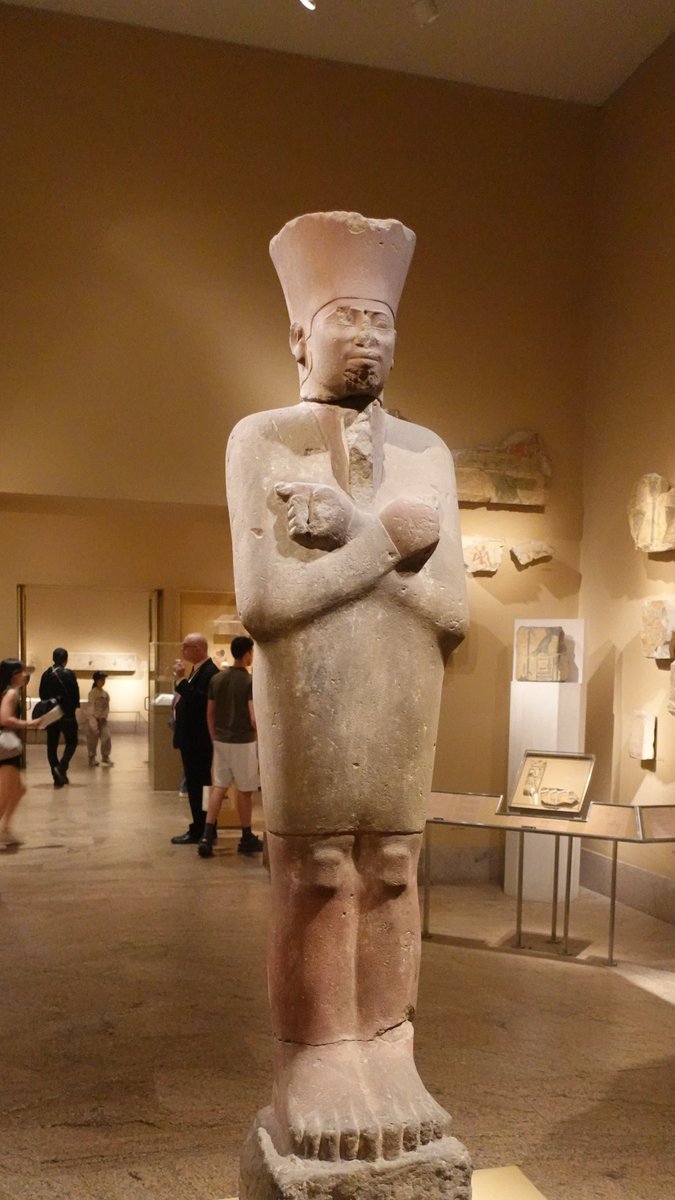
Statue of Mentuhotep II who was a pharaoh of Egypt’s 11th Dynasty and ruled approx. from 2055–2004 BCE. He is best known for reuniting Egypt after a long civil war which resulted in the beginning of the Middle Kingdom period. 📷 @DecisiveHist / Met Museum / NY
Decisive History tweet media
English
0
0
4
129
Decisive History
Decisive History@DecisiveHist·
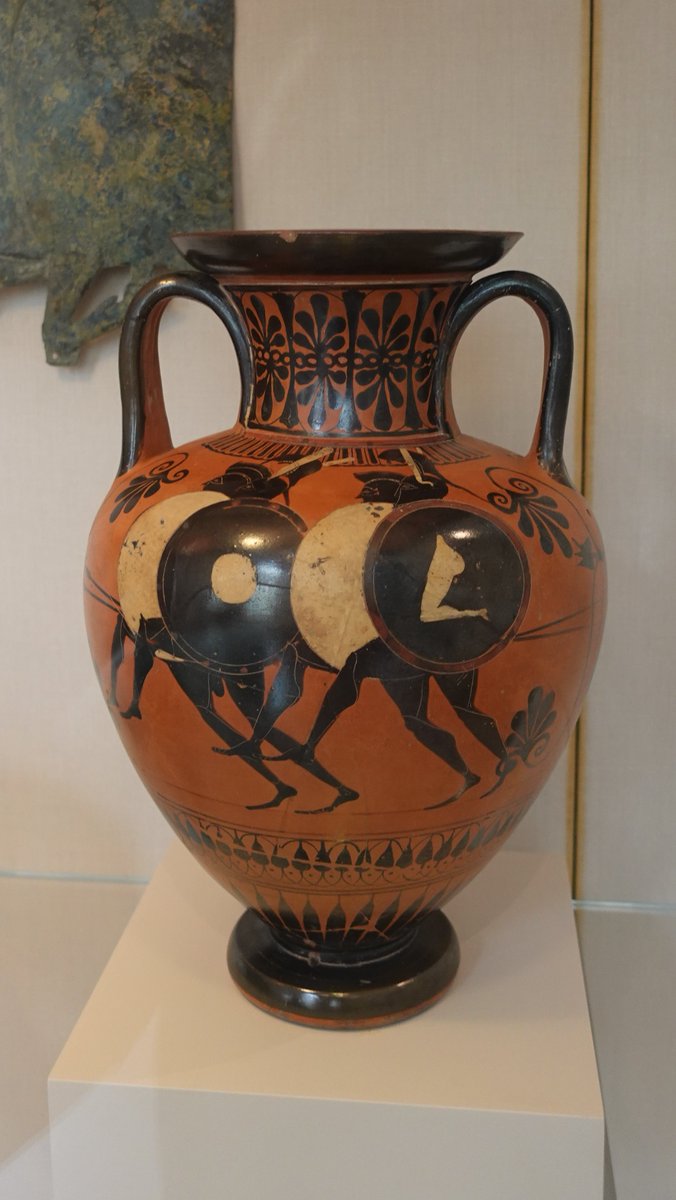
A phalanx formation illustrated on a terracotta amphora dating to 510 BCE in ancient Greece. 📷 @DecisiveHist Met Museum / NY
Decisive History tweet media
English
0
0
1
87
Decisive History retweetledi
Hermahai
Hermahai@hermahai·
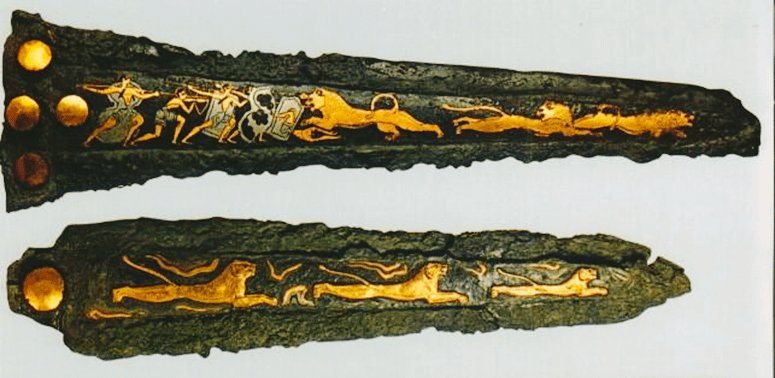
1/ The lion has an important place in Minoan and Mycenaean art, as it is depicted in frescoes, seal stones, funerary steles, plaques, blades, daggers, rhytes, metal cups, vases, jewelry, pommels, mirror handles, hilts etc. However did lions live in the Aegean Bronze Age?
Hermahai tweet media
English
6
76
729
214.1K
ArchaeoHistories
ArchaeoHistories@histories_arch·
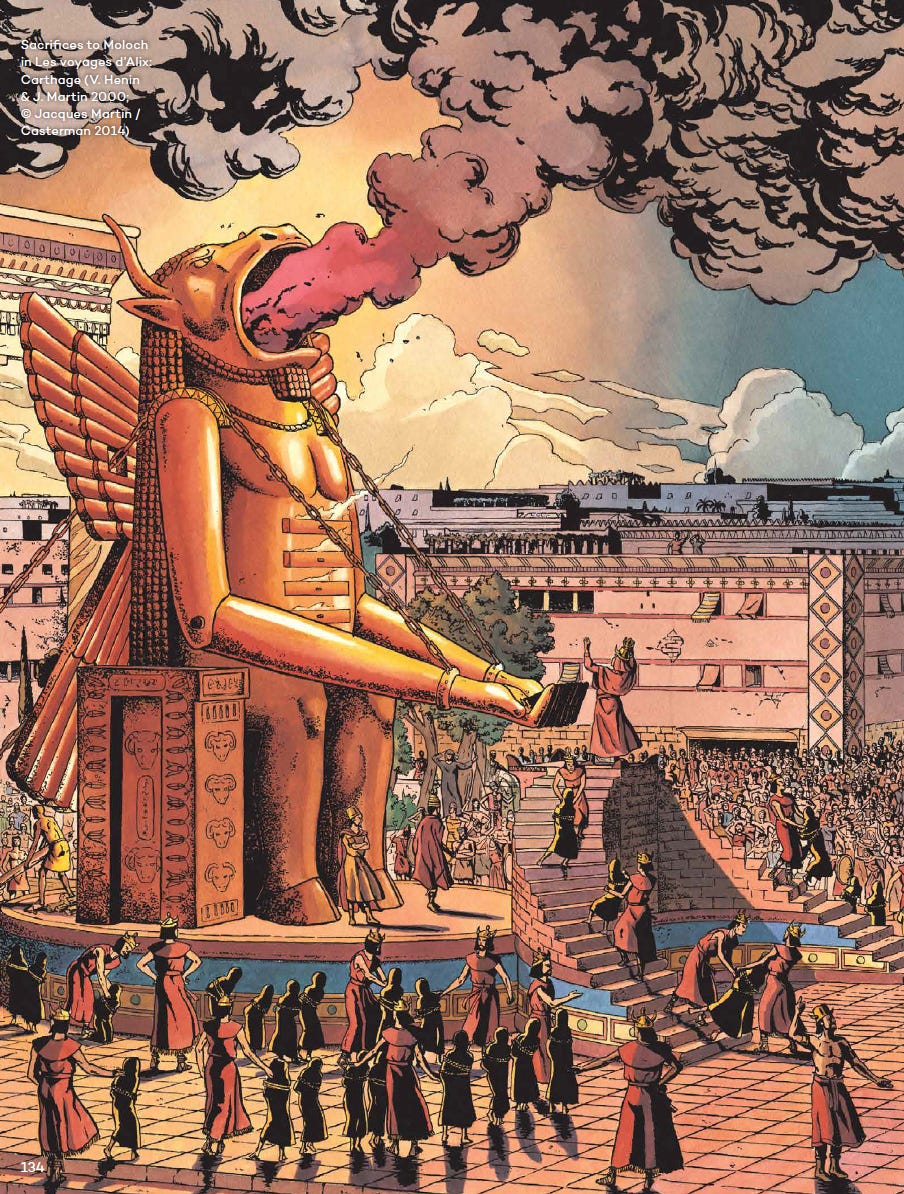
Archaeological evidence reveals that ancient Carthage practiced child sacrifice on a scale previously dismissed as Roman propaganda. The Tophet of Carthage—a sacred burial ground dating from 800-146 BC contains thousands of urns filled with charred infant and child remains. Modern excavations and bone analysis confirm these weren't stillbirths or natural deaths, but deliberate ritual killings performed during crisis periods and as offerings to the gods Baal Hammon and Tanit. The practice, called *molk* in Punic inscriptions, targeted children from elite Carthaginian families. Parents offered their firstborn sons during military defeats, famines, or plagues, believing the sacrifice would restore divine favor. Inscriptions on commemorative stones describe these offerings explicitly. Roman and Greek historians—including Diodorus Siculus and Plutarch—documented the practice in horrifying detail, describing bronze statues with outstretched arms beneath which fires consumed living children while drums drowned their screams. Recent isotope analysis of bones proves most victims came from wealthy families, contradicting theories that the poor substituted slave children. DNA evidence shows many were biological offspring of those who commissioned the burial markers. The practice peaked during Carthage's greatest crises: the invasion of Agathocles in 310 BCE reportedly triggered a mass sacrifice of 500 children from noble families, as Carthaginians believed their declining fortunes resulted from offering purchased children rather than their own. The Romans used these sacrifices as moral justification for Carthage's destruction. While Rome itself practiced infanticide through exposure, they portrayed Carthaginian ritual killing as barbaric proof of cultural inferiority. This propaganda proved effective—Carthaginian child sacrifice became the archetypal example of ancient depravity, used for two millennia to characterize enemies as fundamentally evil. Archaeological science has vindicated ancient testimony that scholars once rejected as wartime propaganda. The Tophet's 20,000 urns stand as physical evidence of a society that systematically killed its children during times of stress. What once seemed too monstrous to be real proved true, demonstrating that even modern skepticism can underestimate historical brutality when confronted with practices that violate fundamental human instincts. Carthaginian child sacrifice profoundly shaped Western civilization's moral framework and propaganda strategies for millennia. The practice became Christianity's ultimate evidence of pagan evil, reinforcing monotheistic claims of moral superiority and justifying religious conquest. It established a template for wartime propaganda—attributing child murder to enemies—that persists today in conflict rhetoric. The Roman destruction of Carthage, morally justified by these sacrifices, normalized cultural genocide as righteous action against "barbaric" practices. Modern archaeology's confirmation of ancient accounts forces uncomfortable recognition that skepticism can become denial, and that societies under extreme stress may embrace unthinkable practices. The debate over Carthaginian sacrifice continues to influence how historians approach ancient testimony, creating lasting tension between respecting source materials and avoiding propaganda repetition. Most significantly, it demonstrates how genuine atrocities become weaponized narratives, complicating our ability to distinguish historical truth from politically motivated exaggeration—a problem that extends far beyond ancient history. #archaeohistories
ArchaeoHistories tweet media
English
410
1.8K
9.3K
1.5M
Decisive History retweetledi
Visuals of the Ancients
Visuals of the Ancients@visualsancients·
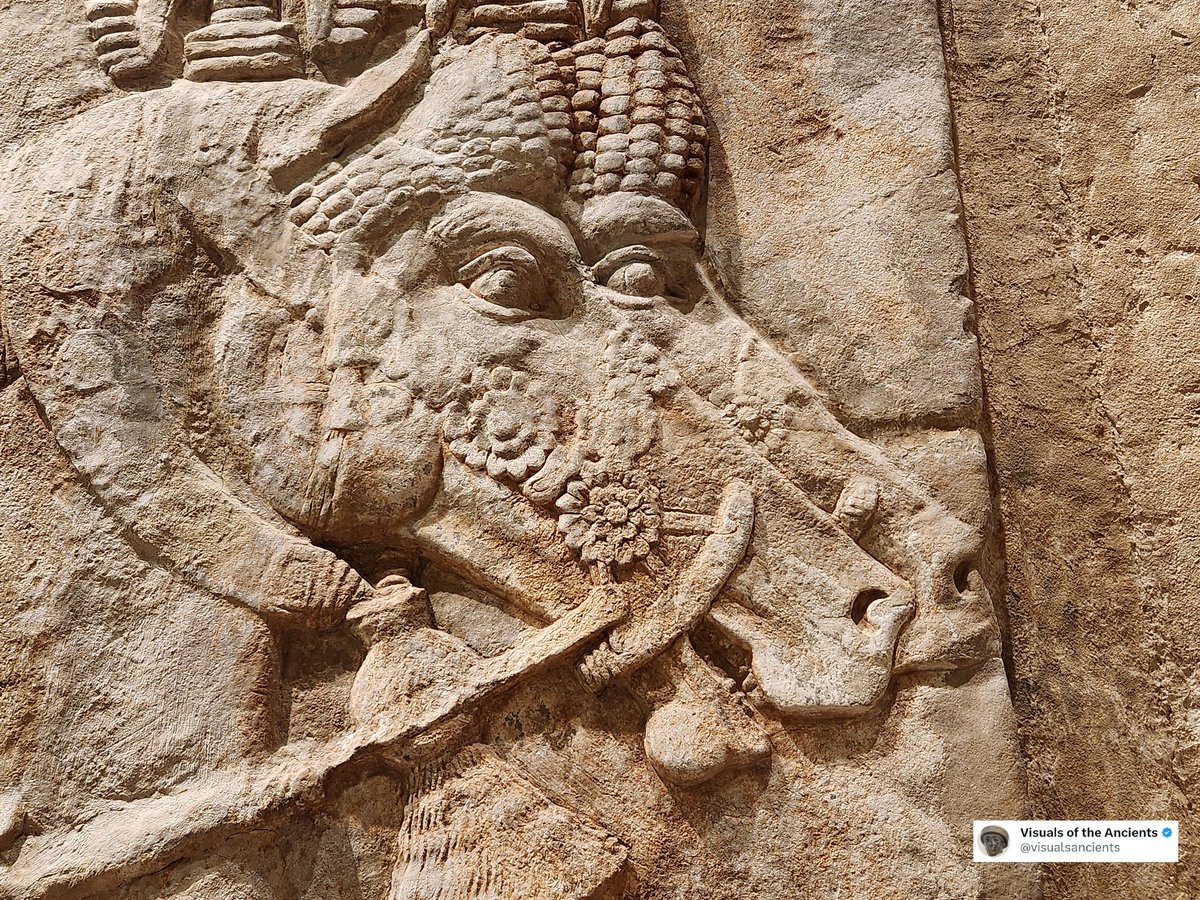
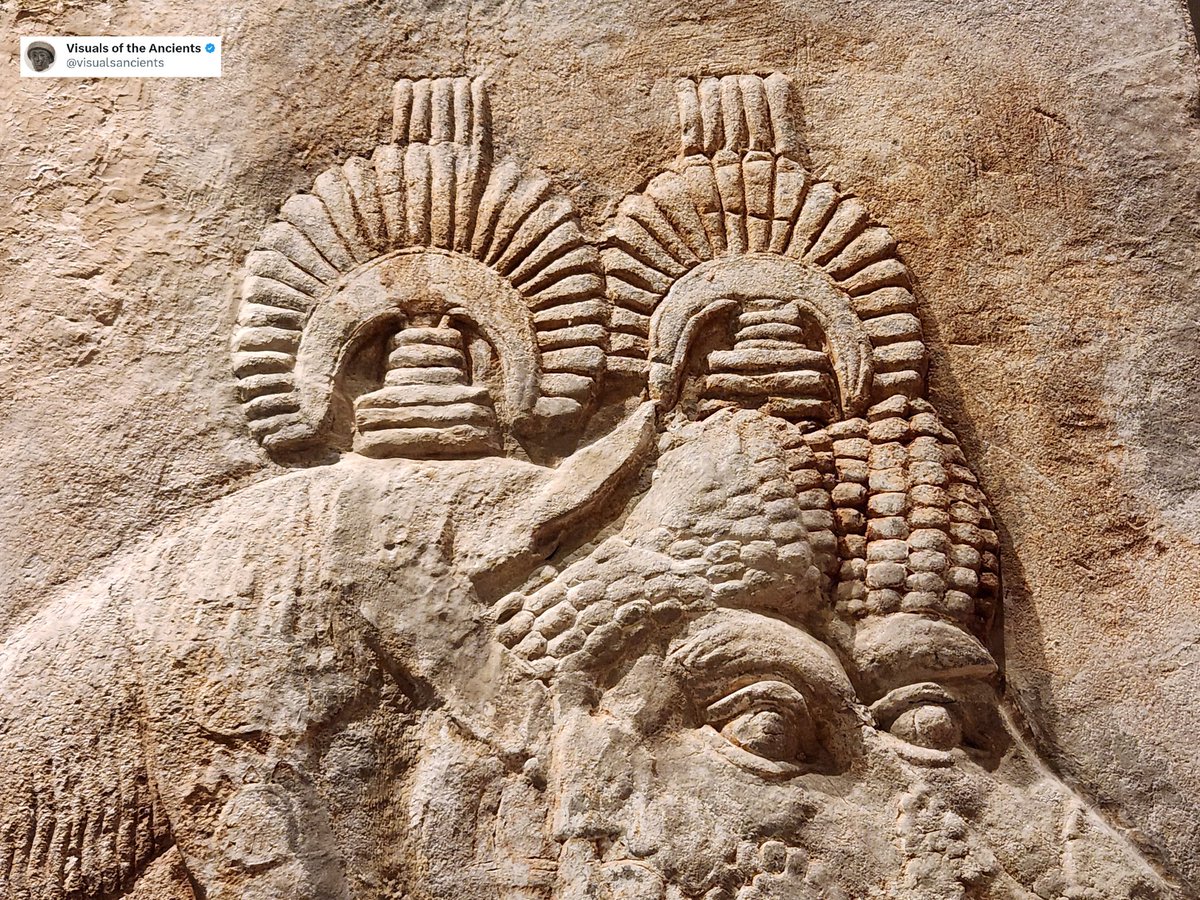
Richly decorated horse harness from a bas-relief found in the royal palace of the Assyrian king Sargon II (721-705 BC), in Dur-Sharrukin. 📸 by me. University of Chicago’s Institute for the Study of Ancient Cultures (ISAC), formerly the Oriental Institute.
Visuals of the Ancients tweet mediaVisuals of the Ancients tweet mediaVisuals of the Ancients tweet media
English
3
26
139
7.9K
Decisive History retweetledi
Hermahai
Hermahai@hermahai·
Have you considered the possibility that the Homeric narratives found inspiration in a much older Aegean epic context than we imagine? The depiction on the Pylos Combat Agate brings to mind the Homeric descriptions of the hand-to-hand combats of the heroes of the Iliad.
Hermahai tweet media
English
17
32
336
11K
Decisive History retweetledi
Alison Fisk
Alison Fisk@AlisonFisk·
Timeless humour! A 2,000 year-old Roman souvenir pen with a joke inscription roughly equivalent to: “I went to Rome and all I got you was this cheap pen!" 😂 Dated circa 70 AD, this iron stylus pen was recovered in London during excavations by MOLA. 📷 Juan Jose Fuldain/MOLA #Archaeology
Alison Fisk tweet media
English
19
366
2.4K
71.5K