Emoji

5.5K posts

Emoji banner
Emoji

Emoji

@DevorahChaya

Wife and Mom of many children Intensely curious about the world, human nature, and getting to the bottom of true health and nutrition.

Eretz Yisrael Katılım Eylül 2022
4.2K Takip Edilen768 Takipçiler
AP
AP@Average_NY_Guy·
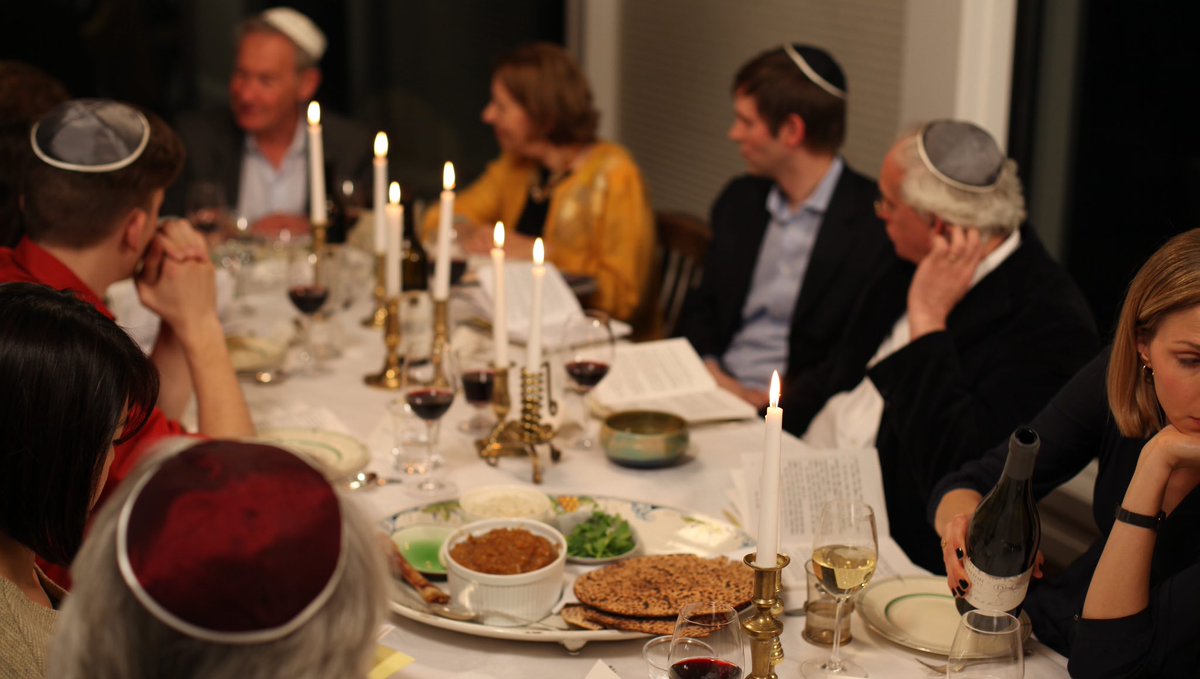
If you’ve never experienced Passover in an Orthodox Jewish home, it’s almost impossible to understand how far it actually goes. People throw around the phrase “spring cleaning” and think that’s what it is. It’s not. It’s a full teardown and rebuild of how you live inside your own house, all for just one week. It doesn’t start a few days before the holiday. It starts weeks, sometimes even months earlier. Every cabinet gets emptied, every shelf is wiped down, and every corner is checked. We’re not just cleaning dirt, we’re on the hunt for chametz, any leavened grain product. Bread, cookies, crumbs, even something that fell behind a couch months ago. You move appliances, you vacuum inside drawers, you scrub surfaces you normally wouldn’t even think about, like high walls. Some people take apart their ovens, some pour boiling water over countertops, others line entire kitchens with foil or special coverings so nothing that touched chametz during the year comes into contact with Pesach food. And that’s just the beginning. In many homes, especially more careful or Hasidic ones, cleaning alone isn’t enough. The entire system gets replaced. Separate dishes, separate pots, separate utensils that were never used with chametz all year. Some families have full Pesach kitchens packed away in boxes eleven months of the year. And it goes further. In certain homes, you won’t eat there unless you know exactly how that kitchen was prepared, down to the smallest detail, and many won’t eat anything that wasn’t prepared in their own home, even if it’s from close friends. Then comes the halachic process. You don’t just clean and call it a day. There’s bedikat chametz, the formal search the night before Pesach, done with a candle and a blessing, where pieces of bread are traditionally placed around the house and then found. The next morning is biur chametz, burning whatever remains. Anything you can’t realistically get rid of gets sold through a rabbi in a formal transaction called mechirat chametz, because owning chametz on Pesach is forbidden, not just eating it. Then the eating itself changes completely. For seven or eight days depending on where you are, there is no bread, no pasta, no flour products unless they are specifically made as matzah, which is unleavened bread made quickly so it doesn’t rise. And matzah itself is a whole world. It has to be made in under 18 minutes from the moment water touches flour, because otherwise it could start fermenting and become chametz. Some only eat shmurah matzah, which means matzah that has been supervised from the time the wheat was harvested to make sure it never came into contact with moisture. Others insist on handmade matzah, not machine. There are also families who won’t eat anything that has even a question of moisture that could have caused fermentation. Then you have kitniyot, which is legumes and similar foods like rice, corn, beans, and peanuts, which adds another layer. Ashkenazi Jews, Jews of European descent, traditionally don’t eat these on Pesach. Sephardic Jews, from Middle Eastern and North African backgrounds, generally do. So even within Orthodox Judaism, what your Pesach looks like depends on your background. One family is eating rice, and another wouldn’t let it into the house. One family is comfortable with certain processed Pesach foods, another will only eat simple, basic items they prepared themselves. And it keeps going. Some peel every vegetable because maybe something touched it in a factory. Others won’t use any product unless it has a very specific Pesach certification, meaning rabbinic approval that it meets all Passover standards. Many won’t eat out at all, not even in kosher restaurants, because they don’t trust anyone else’s standards. In certain homes, even food prepared before Pesach won’t be touched once the holiday starts. Everything is fresh, controlled, and intentional. Then comes the Seder. It’s not just a meal. It’s a structured reliving of Yetziat Mitzrayim, the Exodus from Egypt, guided step by step through the Haggadah, with four cups of wine, matzah on the table, maror eaten to feel the bitterness, korech put together like a reminder you can actually taste, children asking questions, and everyone leaning like free people. It’s built to make it feel like you yourself left Egypt. And that’s the point behind all of this. We’re not just avoiding bread because of some random restriction. Chametz represents inflation, ego, something that rises. Matzah is simple, flat, controlled. The Torah commands us to remember the Exodus as if you yourself left Egypt. All the cleaning, all the restrictions, all the effort, it forces you to step out of your normal life and enter a completely different mode. You feel it physically. Your house looks different, your kitchen functions differently, your diet changes, your schedule changes. You can’t ignore it even if you wanted to. And if you step back, it’s actually insane in the most literal sense. Thousands of years later, Jews are still removing every crumb of bread from their homes because of something that happened in Egypt. Entire industries exist around this. Families plan their lives around it. Kids grow up expecting it as normal. There is no other nation on earth that has maintained something this detailed, this demanding, and this consistent for this long. Empires came and went, languages disappeared, cultures vanished, and Jews are still arguing over how to kasher a countertop and whether a product is acceptable for Pesach. You can call it stubbornness, but it’s more than that. It’s continuity, it’s identity, it’s a direct line from the Torah to a kitchen in Brooklyn in 2026. And for those of us who live it, it’s real. It’s exhausting, it’s expensive, it’s sometimes overwhelming. But it’s also something we take seriously in a way that barely exists anywhere else. Because this is what it means to be part of Am Yisrael, not just believing something but living it in a way that shapes your entire life, down to the crumbs you can’t keep in your house for one week a year. And after all of that, after the cleaning, the stress, the shopping, the kashering, all the details that never seem to end, you sit down at the Seder with your family and it all comes together. You look around the table, your kids are asking the same questions kids have asked for generations, and you realize it worked. This whole system actually worked. It kept us the same people. So wherever you are, whatever your level, whether your kitchen looks like a full Pesach operation or you’re just doing what you can, there’s something powerful about being part of this. Wishing you a happy and kosher Pesach, wherever you are, physically and spiritually.
English
94
121
961
55.9K
Emoji
Emoji@DevorahChaya·
@LucciCrypto @ArchDeltaHound @Average_NY_Guy God built that into the system. We have tons of laws about it that bring us closer to Him with intense learning and studying and He’s loving it. Not sure why you think it’s a flex to denigrate everything you are unfamiliar with or have not experienced yet.
English
0
0
0
2
Frum TikTok
Frum TikTok@FrumTikTok·
Elon Gold roasts Pharaoh. 🤣
English
8
27
200
13.9K
EatMyShortsPlz 📉
EatMyShortsPlz 📉@LucciCrypto·
@Average_NY_Guy Thank you for just demonstrating how much of psychotic cult you creatures truly are. Especially with all your little “God tricks”.
English
1
0
0
49
Emoji
Emoji@DevorahChaya·
@LucciCrypto @ArchDeltaHound @Average_NY_Guy 🤡🤥🤦‍♀️ has nothing to do with the shape idi@t! Has to do with if it’s hand made vs machine made. Some Orthodox Jews only use hand made which is always round (for practicality) because it’s made with human intentions, unlike machine.
English
1
0
0
7
EatMyShortsPlz 📉
EatMyShortsPlz 📉@LucciCrypto·
@ArchDeltaHound @Average_NY_Guy Because it’s not bread if it’s a circle instead of a square right! You creatures are so “creative” with your “God tricks” 😂 literally a psychopathic cult
English
1
0
0
18
Brett Boettcher
Brett Boettcher@brettboettcher1·
If I woke up at 50 years old with high blood pressure, prediabetes and 30 lbs to lose, here's everything I'd do to reverse it by summer: 1. Watch a show or game on the incline walking pad every night.
Brett Boettcher tweet media
English
11
26
305
136K
Emoji
Emoji@DevorahChaya·
@AWiesy @FarroYossi Halacha has not changed. Rabbis are very clear about what is Halacha and what is a chumra. Everyone is free to make their own choices. It’s really sad that you feel you need to use them as scapegoats to relive your stress or something.
English
0
0
0
18
Yossi Farro
Yossi Farro@FarroYossi·
The Passover program industry has quietly become A $1.5 Billion a year industry, one of the most fascinating niches in the global travel market. Every year, roughly 300,000 Jews around the world spend Passover at fully kosher, all-inclusive resorts instead of preparing the holiday at home. What started decades ago in the Catskills has evolved into a global luxury travel industry. Today there are roughly 100–150 Passover programs worldwide, taking place across: • The United States • Mexico & the Caribbean • Israel • Europe • Morocco • Dubai • Costa Rica and more These programs typically run 10–12 days and include: • Glatt kosher gourmet meals • Seders and holiday services • Celebrity speakers & rabbis • Concerts and entertainment • Kids and teen programs • Chol Hamoed excursions • Luxury resort amenities The appeal is simple: Pesach preparation is extremely intense. Preparing a kosher-for-Passover home can take weeks of cleaning, koshering kitchens, and cooking dozens of meals. Many families choose to outsource the entire experience. Prices vary widely. Budget programs may cost $5,000–$8,000 per family, while mid-tier programs often run $10,000–$15,000. Luxury programs can exceed $40,000–$60,000 per family. A typical mid-sized program might host 400–600 guests, generating $3M–$6M in revenue in just 10 days. Large luxury programs with 800+ guests can generate $10M–$15M+. When you add everything together, the industry becomes massive. Estimated annual totals: • ~150,000 participants worldwide • 200 programs globally • Average spend: $3k–$5k per person That puts the direct Passover program industry at roughly $1.5B annually. And that doesn’t even include the massive surrounding ecosystem: • Kosher catering companies • Entertainment & speakers • Flights and travel • The kosher-for-Passover food market (a $1B+ seasonal industry on its own) For one holiday lasting just over a week, Passover has created one of the most unique travel industries in the world. A billion-dollar market built around matzah, maror, and the Seder table.
Yossi Farro tweet media
English
33
42
542
76.3K
Abbey
Abbey@Abigailouise00·
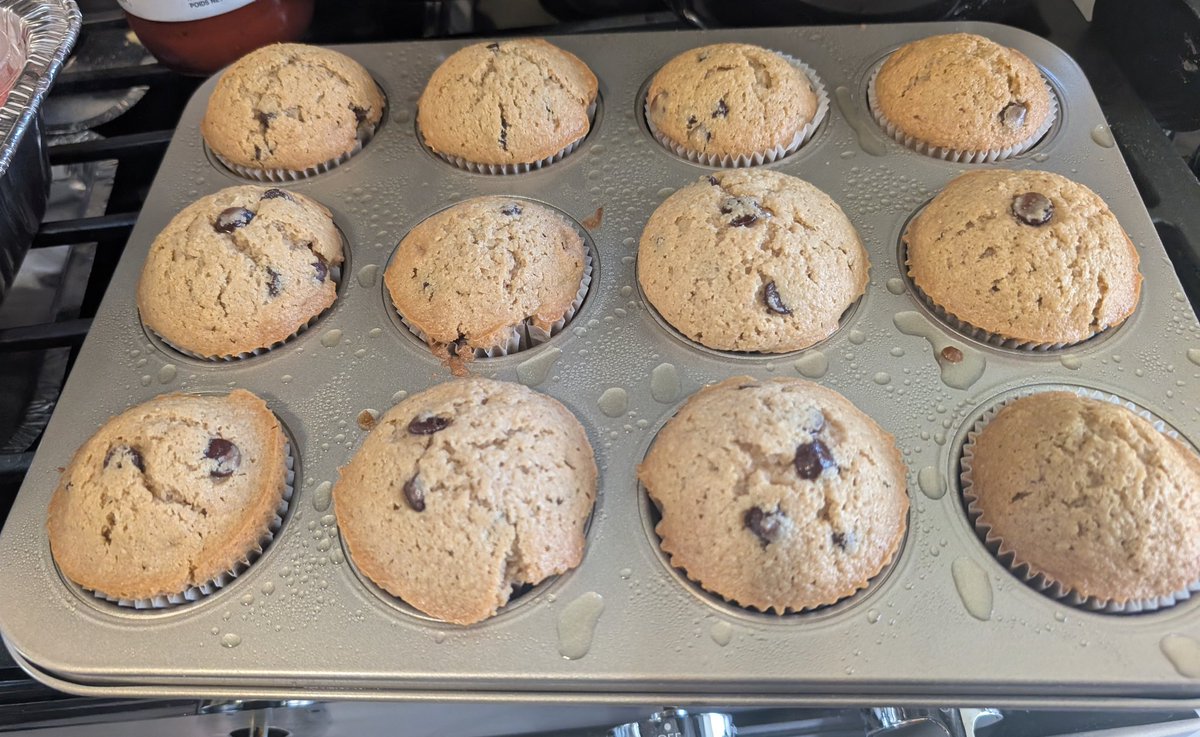
@DevorahChaya @FrumTikTok Yep! Today was a big baking day - these Pesach muffins came out so good, they look like chametz!
Abbey tweet media
English
1
0
1
14
Frum TikTok
Frum TikTok@FrumTikTok·
The Seder plate menu. Creating a dish with Karpas.
English
8
4
58
7.7K
Abbey
Abbey@Abigailouise00·
@FrumTikTok I appreciate the effort, but homemade gnocchi on Erev Pesach?
GIF
English
1
0
3
159
Emoji retweetledi
Laura Loomer
Laura Loomer@LauraLoomer·
Kahane was right about a lot. And they killed him for it.
English
184
265
2.3K
112.6K
Ami Kozak
Ami Kozak@amiKozak·
As Tucker said - preferences, not principles…
English
144
739
3.1K
87.4K
Emoji
Emoji@DevorahChaya·
@JewishWonk Seriously. Pesach literally occupies months of my life each year.
English
0
0
0
31
Alex גדעון בן װעלװל
I just to want to say as a BT that the biggest false advertising in Judaism is that Pesach is 8 days. Signed, Carbo-loading on a Thursday morning
English
7
0
64
5.7K
Anthony 🇺🇸
Anthony 🇺🇸@AnthonyTrackII·
@FrumTikTok Imagine doing all of that just to go out of your way to disconnect yourself from God
English
5
2
144
7.7K
Frum TikTok
Frum TikTok@FrumTikTok·
A day in the life of a Yeshiva student in Israel. Welcome to Aish HaTorah in Jerusalem. Credit: zacharyhearst
English
166
82
1.3K
80.3K
ilovehamas123
ilovehamas123@Helloworld18788·
@FrumTikTok Gets out of bed stinking to wear clothes and leave without washing up. I don’t want to smell that room…
English
1
0
2
883
M
M@TulaWdaRuga·
@FrumTikTok See how none of them have jobs?? This lifestyle is funded by American.
English
2
1
56
3K
sheynatov
sheynatov@SheynaTova·
@FrumTikTok And in between, ba'alei teshuva, who are the majority of the students, are told to cut off all contact with their non-frum family so they don't get "corrupted" again.
English
2
0
5
4.8K
Polluted Vehicles
Polluted Vehicles@EarnestEve·
@FrumTikTok incredible insight into what 1.Doing Nothing, 2. Throwing Your Life Away for Some Bullshit, and then 3. Regretting That You Have No Love or Meaning In Your Life And Taking It Out On The Rest Of Humanity, looks like. thanks for this.
English
1
0
1
1.1K
Emoji
Emoji@DevorahChaya·
@KassyKosher Yes, we desperately need Hashem’s help and for all Jews to wake up and do Teshuva.
English
0
0
1
27