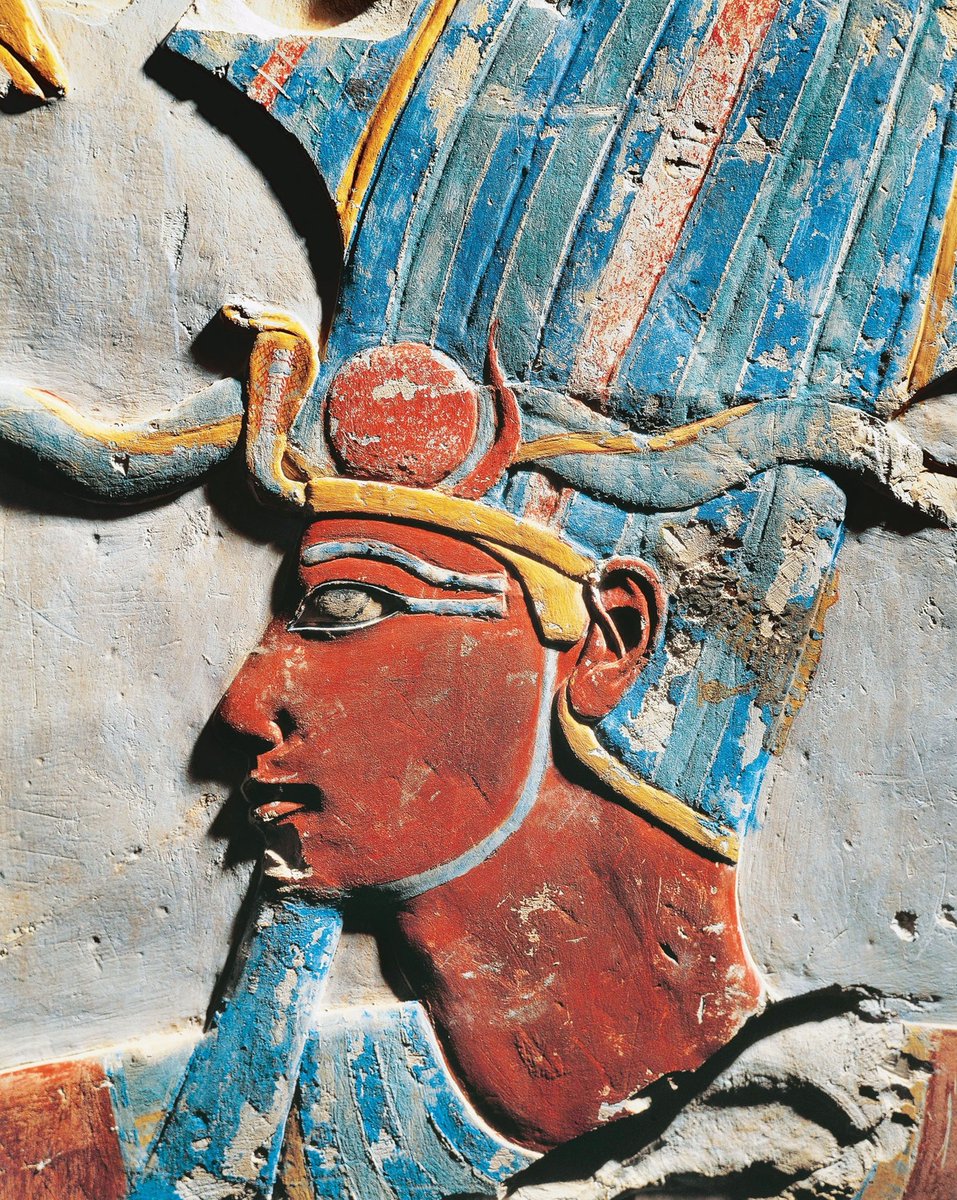
Thutmose III ruled ancient Egypt from 1479 to 1425 BC and earned his place as one of history's most formidable military leaders. Though he became pharaoh at age two, his stepmother and aunt Hatshepsut served as co-regent for the first 22 years of his reign. After her death in 1458 BC, Thutmose III emerged as sole ruler and immediately demonstrated the military genius that would transform Egypt into an ancient superpower.
Over his reign, Thutmose III conducted between 17 and 20 military campaigns—every single one victorious. His most famous achievement came at the Battle of Megiddo in 1457 BC, where he boldly led his forces through a narrow mountain pass his generals deemed too dangerous. This daring tactical decision allowed him to outflank the Canaanite coalition and secure a decisive victory that gave Egypt control of northern Canaan. The battle forced Syrian princes to send tribute and hostages to Egypt, establishing Egyptian dominance throughout the region.
Thutmose's military innovations revolutionized ancient warfare. He created the world's first organized navy, pioneered the strategic use of hostage-taking to ensure loyalty from conquered nobles, and employed revolutionary tactics like portaging boats overland to surprise his enemies. His campaigns stretched Egypt's empire from Syria in the north to the fourth cataract of the Nile in Nubia to the south, crossing the Euphrates River and making the Mitanni kingdom submit to Egyptian power.
Beyond his military prowess, Thutmose III proved himself a prolific builder, constructing over 50 temples and commissioning magnificent architectural projects at Karnak. Historians have dubbed him "the Napoleon of Egypt" for his unprecedented conquests and strategic brilliance. When he died in 1425 BC after 54 years of rule, he left behind an empire at its zenith and a legacy as ancient Egypt's preeminent warrior pharaoh.
Thutmose III's military campaigns fundamentally reshaped the ancient Near East for centuries. His conquests expanded Egypt's territorial control to unprecedented levels, creating a vast empire that brought immense wealth through tribute, trade routes, and access to valuable resources like Lebanese timber and Syrian minerals. The policy of taking noble hostages and garrisoning strategic locations established a system of imperial administration that maintained Egyptian dominance for generations. His military innovations—particularly the creation of a professional navy and advanced chariot tactics—influenced warfare throughout the Mediterranean world. The tribute and plunder from his campaigns funded massive construction projects that employed thousands and enriched Egyptian culture with foreign artistic influences. Most significantly, Thutmose III transformed Egypt from a regional power into an international superpower whose influence extended from Nubia to Mesopotamia, establishing diplomatic relationships with kingdoms as distant as Babylon and the Hittite Empire, and creating a legacy of military excellence that subsequent pharaohs sought to emulate but rarely matched.
#archaeohistories
@archeohistories Earth is no more than 7000 years old so don’t believe the lies of men that hate their creator and their fellow man. Trust in the Lord Jesus Christ and the Bible Only!