@TyrannyStomper @green78499 @iceskatergirl3 Think of the costs to produce graphene. Obtaining the graphite, separating the layers, exfoliation, and processing. Compare that to HG, Levidian, GMG, or other similar methods.
English
Donald
100 posts







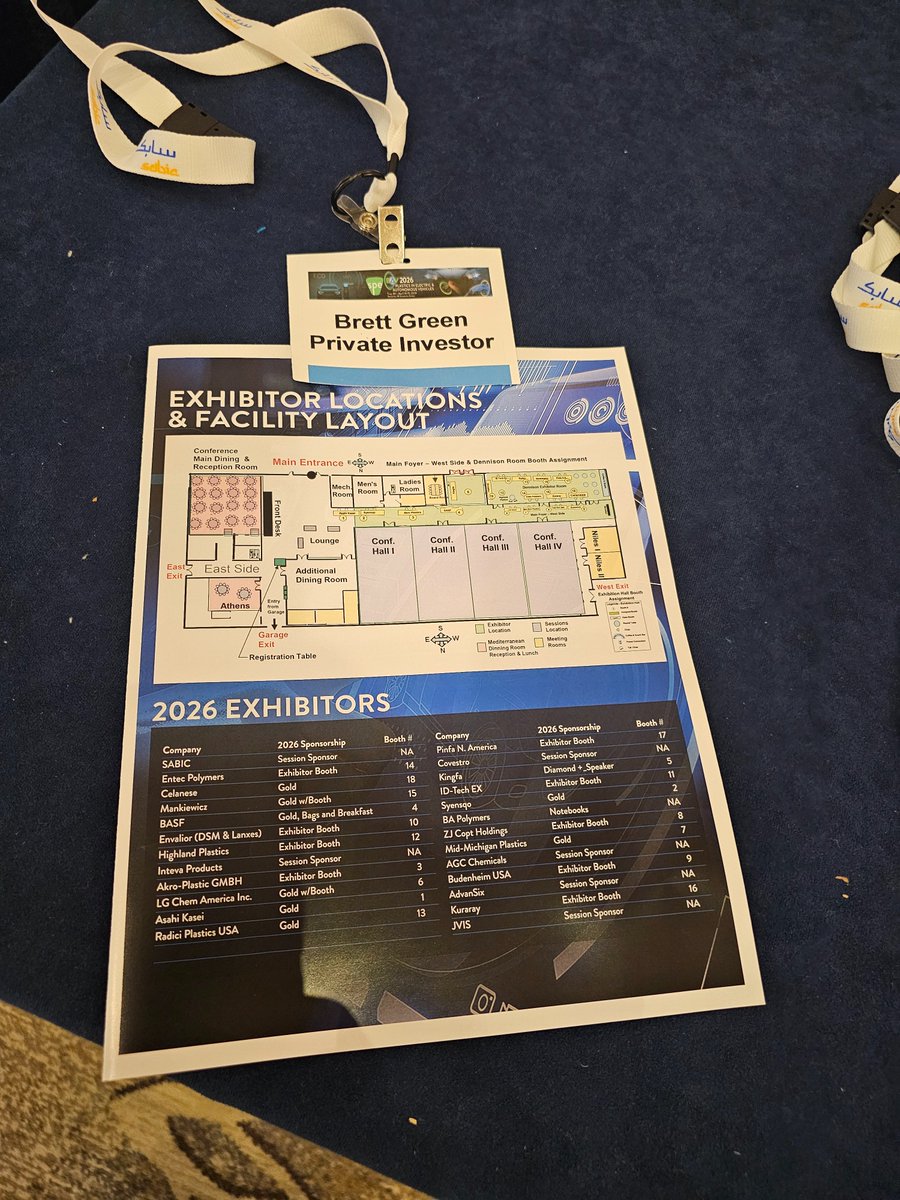


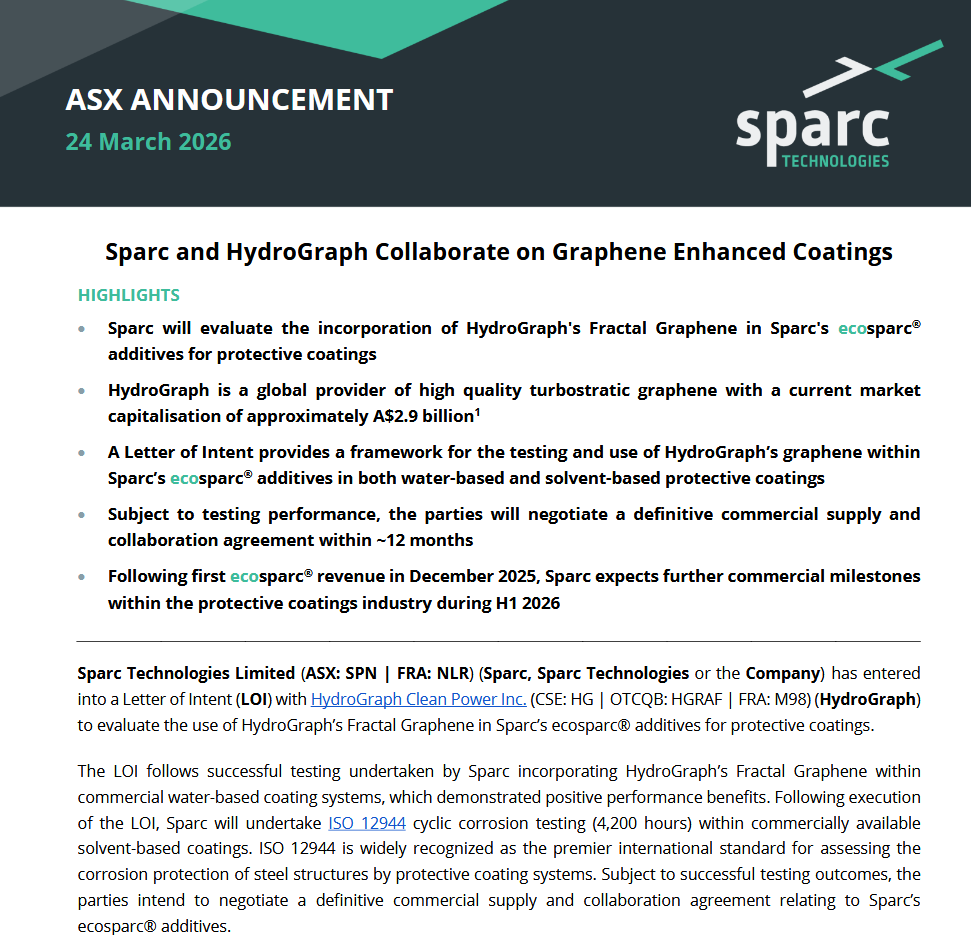
@rhoman1996 @TheSqeakyMouse US Military contracts require re-domicilation to US. HydroGraph likely wants DOD announcement to coincide with the NASDAQ entry. According to Kjirsten… Sounds like mid to late summer. Always expect headwinds before the tailwinds. 😁 $HGRAF | #HG







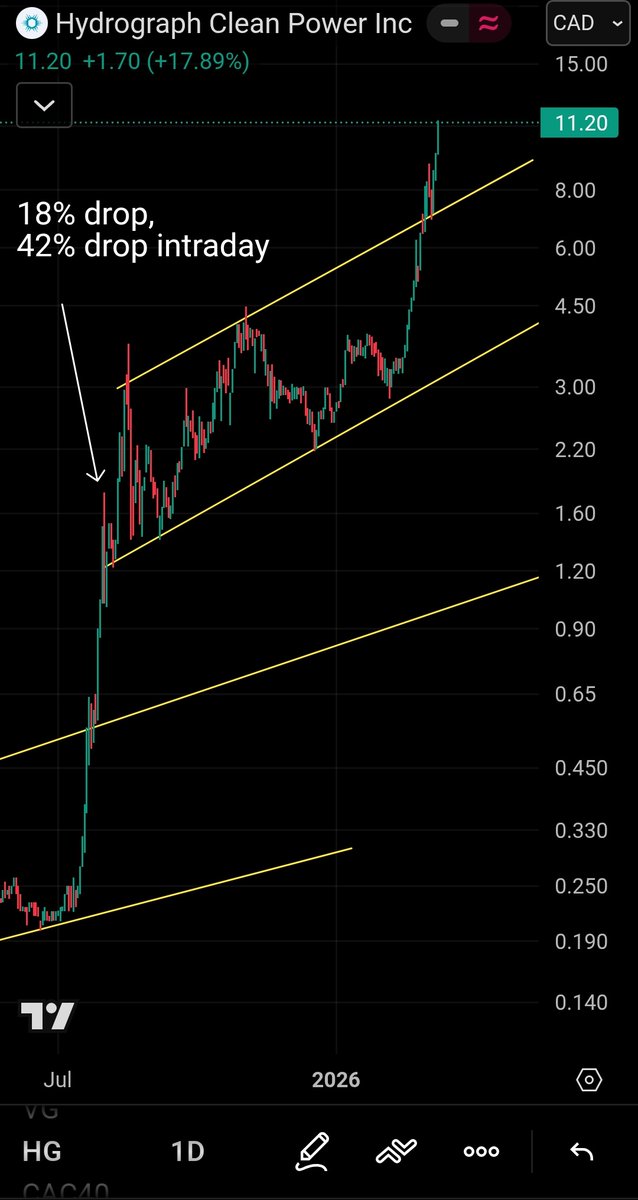
Note all the people saying find the next one. Completely unwilling to do the due diligence to understand that $hg is the next $hg Pattern recognition system see chart says ‘I missed it’ Meanwhile, if/when they close a series of big orders and get a large military partnership the stock will be another 20x higher. The bias / laziness combo is a huge detriment to 100x returns. We can put all the information out in plain site… but people seem to find every reason possible to not read and think.




🚨Photonics investors! Read this post about $AXTI Demand. Demand. Demand. That's the story over and over. No one can supply enough to meet the demand needed The substrate layer can't provide enough wafers and the companies using the wafers can't manufacture enough chips for the hyperscalers For those of you that aren't familiar with the supply chain and process, here is a very simple breakdown: - Companies source raw materials like indium and phosphorus - These materials get refined, synthesized into InP crystal, and sliced into wafers - These wafers are sold to companies like Coherent and Lumentum - These companies grow epitaxial layers on the wafers and fabricate laser chips - Those chips either get packaged into transceivers by the laser companies themselves, or sold to pure-play module makers like Luxshare and Innolight who build their own - These transceivers get deployed into data centers So if the raw material/substrate layer is constrained, everyone downstream feels it. And that's where AXT sits. They can't supply enough to meet demand. But here's what makes this even more interesting. AXT's constraint right now isn't just manufacturing capacity. They have finished goods sitting in their cleanroom ready to ship. The problem is Chinese export permits. AXT manufactures through their Chinese subsidiary Tongmei, which means every shipment out of the country requires a license from China's Ministry of Commerce (MOFCOM). That process has become unpredictable. They received permit denials in Q4. This is a geopolitical chokepoint sitting right in the middle of the global AI infrastructure buildout. And when AXT can't ship, there's no easy fix. Sumitomo Electric and JX are the main alternatives, but both are running constrained and fully booked. There is no spare capacity sitting on a shelf somewhere waiting to be allocated. The constraint is real and structural. I think it's easy to think the photonics trade is overextended because of some stock charts. But the photonics trade is really under supplied. Those are very different things. Don't take my word for it, let's look at what AXT management is saying: "...we definitely have more orders than we can actually... manufacture now. As we add the capacity, we're counting on who we can supply to." "people are telling us that their demand's gonna be going up three, four, five over the next four or five years. And, you know, there's not – how many [qualified] suppliers are there? You know the answer to that." (For context: Sumitomo Electric and AXT are the two main players. The point isn't the exact number, it's that the number of suppliers who can meet Tier One quality and volume requirements is extremely small) "...every customer is worried about getting enough for their needs. There's a general concern where the meetings we've had this week, we're not meeting with the purchasing manager, we're meeting with CEOs and general managers. They all wanna talk to Morris about capacity and about future growth." "...we are definitely talking about long-term supply agreements with a number of customers right now, and we are planning our business according to those long-term supply agreements. We're seeing forecasts out beyond 2030 for many of these customers." AXT is in a very powerful position. If they ramp capacity like they say they can, and permits get eased up, there is a lot of money on the table. There are also two other companies worth watching closely in the context of everything above. $COHR Coherent's 6-inch InP transition, completed a full year ahead of schedule, means they get roughly 4x the devices per wafer, dramatically reducing how much substrate they need per unit of output. At the exact moment substrate supply is most constrained and most geopolitically uncertain, they've systematically reduced their exposure to it. Full post coming soon. And then there's $ALMU Aeluma, who is building InGaAs on 300mm silicon wafers, an approach that sidesteps the InP substrate dependency entirely. The worse this constraint gets industry-wide, the more interesting their platform becomes. Full post coming on that one too. The stack is constrained top to bottom. The demand isn't slowing. And the companies that saw this coming are already positioned.