
@tjparker you chose poorly my friend. Should’ve gone the golf route.
English
Dr. Christopher Crow
2.6K posts
@DrCCrow
President of @catalystHN. Passionate about #HelpingCommunitiesThrive


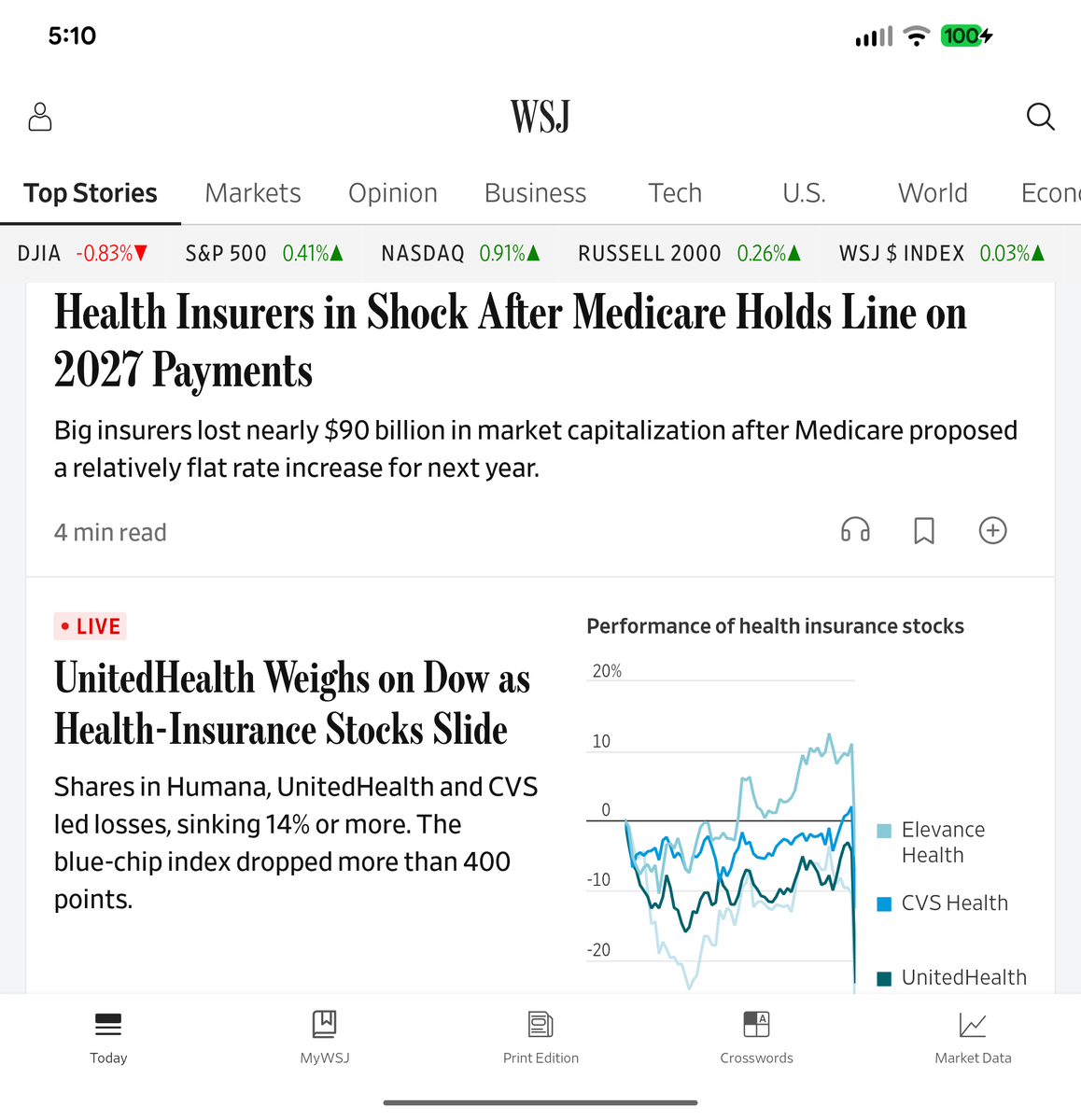

IMHO , you are missing what made the costs so high. It starts with the insurance plan. These are the costs providers take risk on and shouldn’t : 1. The credit risk of the deductible 2. The float for Pre Auth denials/delays 3. The doctor/admin cost to appeal PA 4. The underpayments by carriers of contracted rates. 5. The admin costs of processing, that changes ever year. 6. All the consultants they pay re the above 7. (Excluding networks that are so dominant they see the rules ) In response the hospitals try to compensate for the above by : 1. Inventing Facilities Fees 2. Overcharging patients they will negotiate 3. 340b abuses 4. Site neutrality arbitrages 5. Underpaying doctors and nurses The question is what would happen for hospitals that didn’t have the above issues with carriers ? Could they be profitable at hospital (as opposed to Indy physician rates ) I think the answer is yes. Multiple hospitals make money on Medicare and Medicaid rates. But they make sure their expenses fall in line with expected revenue. Curious what everyone here thinks






@dp_oneill Already happening. A significant portion of trend uptick is AI-enabled coding. Case intensity up
Adherence =/= compliance. This is measuring proportion of days covered (cadence of refills). Obviously when you only have to fill a med once instead of three times PDC goes up. PDC drives stars and other quality metrics but has a very loose relationship, at best, with taking the med.