eMeF15

34.8K posts

eMeF15 banner
eMeF15

eMeF15

@EMEF0815

Exploring with,Joining the journey,Part of community

indonesia Katılım Mayıs 2025
4.5K Takip Edilen4.4K Takipçiler
Sabitlenmiş Tweet
eMeF15
eMeF15@EMEF0815·
CRYPTO 101 Part 5 - DAOs: Governance Without Managers (and why it often struggles) When people first hear about DAOs, it sounds like the perfect idea. No bosses. No centralized control. Everything decided by the community. Just vote, and the system follows. But after spending time around DAOs, you start noticing something. Most of them don’t fail loudly. They just… slow down. Decisions take longer. Participation drops. Only a few people stay active. The idea behind DAOs is simple. Instead of a company making decisions, rules are written on-chain, and participants vote on changes. In theory, that sounds fair. Everyone gets a voice. Everything is transparent. In practice, it’s different. Most people don’t vote. Not because they don’t care, but because: it takes time it takes effort it requires understanding context So over time, fewer people participate. And when participation drops, power concentrates. Whales vote more. Core contributors decide direction. Governance becomes less “decentralized” than it looks. Another thing that becomes obvious: Voting doesn’t always lead to better decisions. Sometimes it leads to: short-term thinking popularity over quality decisions driven by incentives, not sustainability Because again, people respond to incentives. There’s also a deeper issue. Not everything should be voted on. Some decisions need speed. Some need expertise. Some need accountability. DAOs often try to decentralize everything, and that creates friction. What I’ve seen is that governance is harder than finance. Moving money is simple. Coordinating people is not. You’re dealing with: different incentives different time horizons different levels of knowledge And there’s no manager to align everything. That doesn’t mean DAOs don’t work. They just don’t work the way people first imagined. The stronger ones usually: limit what gets voted on rely on smaller groups for execution use governance more as a safety layer than a daily tool Less “everyone decides everything” More “system limits damage over time” Another thing that stands out: DAOs don’t remove politics. They just move it on-chain. Debates still happen. Influence still matters. Coordination is still messy. It’s just more visible. At this point, something becomes clear. Crypto can remove trust from systems. But it doesn’t remove human behavior. And governance is where that reality hits hardest. Still, DAOs are important. They’re one of the first real attempts at organizing people without traditional structures. Not perfect. Still evolving. But pushing the boundaries of coordination. And that leads to the next layer. If coordination is hard, and systems have limits, what kind of infrastructure actually supports all of this? Next: Crypto 101 - Part 6 L1, L2, and Modular Infrastructure (why everything feels fragmented) Sources Ethereum DAO Overview ethereum.org/en/dao/⁠� Vitalik Buterin — DAO Governance Writings vitalik.ca⁠� MIT Digital Currency Initiative dci.mit.edu⁠� a16z Crypto — DAO & Governance a16zcrypto.com⁠� Disclaimer This thread is shared for learning and discussion purposes only. Not financial advice. Always do your own research and understand the risks before interacting with crypto systems.
eMeF15 tweet media
English
6
0
9
123
Zack_
Zack_@0xZackBh·
@EMEF0815 Merek nya Bapak-Bapak kali yaa 😋
Indonesia
1
0
1
6
eMeF15
eMeF15@EMEF0815·
Weekend yang penuh kesibukan kemarin bersama bocil dan mantan pacar dan sekarang waktunya memulai aktivitas kembali gas poll sampai hari jumat Selamat hari senin ceria kawan Awali dengan ngopi dulu Tapi jangan tanya merk rokok ya guys udah tanggal tua soalnya Wkwkwkwk😂
eMeF15 tweet media
Indonesia
16
0
15
111
Roziqin
Roziqin@khoirulr331·
@EMEF0815 salfok nama merknya galang baru 🤣
Indonesia
1
0
1
6
eMeF15
eMeF15@EMEF0815·
@MobWeth Hahaha Iya nih bang Met pagi
Indonesia
0
0
0
2
Dikzzy🍉
Dikzzy🍉@diikzzyy__·
Fakta menarik hari senin Hari Senin berasal dari bahasa Arab "al-iṯnayn" yang berarti "dua" atau "hari kedua" dalam sistem penanggalan, di mana Ahad (Minggu) adalah hari pertama. Di Indonesia, istilah ini diserap menjadi "Senin" melalui pengaruh budaya Jawa dan Arab. Secara historis, hari ini juga dikaitkan dengan bulan (Moon/Luna), menjadikannya "hari bulan".
Indonesia
5
0
6
76
D
D@Deasycii·
Semangat Senin, semoga menyenangkan hari klean😍
Indonesia
8
0
8
85
eMeF15
eMeF15@EMEF0815·
@maanar_ooo Exactly. Clean models meet messy reality the moment real incentives and egos show up.
English
0
0
0
3
eMeF15
eMeF15@EMEF0815·
CRYPTO 101 Part 5 - DAOs: Governance Without Managers (and why it often struggles) When people first hear about DAOs, it sounds like the perfect idea. No bosses. No centralized control. Everything decided by the community. Just vote, and the system follows. But after spending time around DAOs, you start noticing something. Most of them don’t fail loudly. They just… slow down. Decisions take longer. Participation drops. Only a few people stay active. The idea behind DAOs is simple. Instead of a company making decisions, rules are written on-chain, and participants vote on changes. In theory, that sounds fair. Everyone gets a voice. Everything is transparent. In practice, it’s different. Most people don’t vote. Not because they don’t care, but because: it takes time it takes effort it requires understanding context So over time, fewer people participate. And when participation drops, power concentrates. Whales vote more. Core contributors decide direction. Governance becomes less “decentralized” than it looks. Another thing that becomes obvious: Voting doesn’t always lead to better decisions. Sometimes it leads to: short-term thinking popularity over quality decisions driven by incentives, not sustainability Because again, people respond to incentives. There’s also a deeper issue. Not everything should be voted on. Some decisions need speed. Some need expertise. Some need accountability. DAOs often try to decentralize everything, and that creates friction. What I’ve seen is that governance is harder than finance. Moving money is simple. Coordinating people is not. You’re dealing with: different incentives different time horizons different levels of knowledge And there’s no manager to align everything. That doesn’t mean DAOs don’t work. They just don’t work the way people first imagined. The stronger ones usually: limit what gets voted on rely on smaller groups for execution use governance more as a safety layer than a daily tool Less “everyone decides everything” More “system limits damage over time” Another thing that stands out: DAOs don’t remove politics. They just move it on-chain. Debates still happen. Influence still matters. Coordination is still messy. It’s just more visible. At this point, something becomes clear. Crypto can remove trust from systems. But it doesn’t remove human behavior. And governance is where that reality hits hardest. Still, DAOs are important. They’re one of the first real attempts at organizing people without traditional structures. Not perfect. Still evolving. But pushing the boundaries of coordination. And that leads to the next layer. If coordination is hard, and systems have limits, what kind of infrastructure actually supports all of this? Next: Crypto 101 - Part 6 L1, L2, and Modular Infrastructure (why everything feels fragmented) Sources Ethereum DAO Overview ethereum.org/en/dao/⁠� Vitalik Buterin — DAO Governance Writings vitalik.ca⁠� MIT Digital Currency Initiative dci.mit.edu⁠� a16z Crypto — DAO & Governance a16zcrypto.com⁠� Disclaimer This thread is shared for learning and discussion purposes only. Not financial advice. Always do your own research and understand the risks before interacting with crypto systems.
eMeF15 tweet media
English
6
0
9
123
Jett ツ
Jett ツ@jettzeeee·
@EMEF0815 makin hari makin ilegal ya rokoknya hhe 😹
Indonesia
1
0
1
5
eMeF15
eMeF15@EMEF0815·
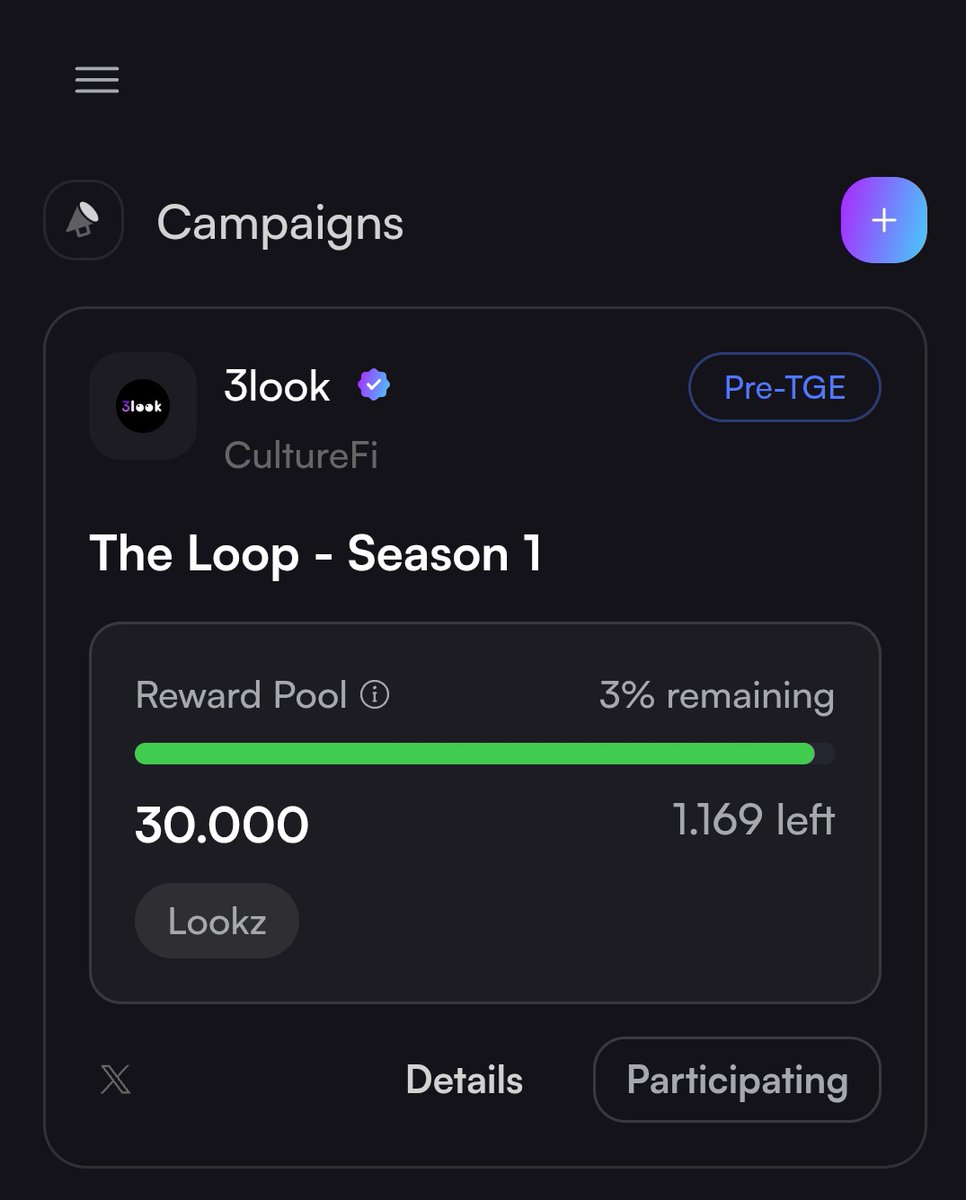
99% → 3% The Loop Season 1 hampir habis gue ikut dari awal ga selalu dapet hasil yang gue harap tapi banyak yang gue pelajari sampai ketemu di season berikutnya @3look_io
eMeF15 tweet media
Indonesia
17
0
18
208
eMeF15
eMeF15@EMEF0815·
@Deasycii Iya kak gnetlayer malah jarang aku bukak
Indonesia
0
0
0
3
D
D@Deasycii·
@EMEF0815 Ooh, gl ya kak
Indonesia
1
0
1
4
eMeF15
eMeF15@EMEF0815·
2026 is the year AI agents stop being tools and start being actors. they negotiate deals, execute workflows, and dispute outcomes onchain. the real problem is not building agents. it is how millions of agents trust each other when traditional blockchains were only built for deterministic computation. Bittensor is solving decentralized AI compute. Render Network is tackling distributed GPU infrastructure. both are real. but neither solves the trust layer, where agents actually reason, decide, and verify each other outputs in a decentralized way. that gap is the biggest unsolved problem in crypto right now. my top pick for 2026 is @GenLayer. most AI crypto projects run logic off-chain and use a regular blockchain just for settlement. GenLayer embeds AI directly into the consensus layer. intelligent contracts read live data, interpret language, and make subjective decisions onchain. if Bitcoin is trustless money and Ethereum is trustless applications, GenLayer is trustless decision-making. that is the layer the agentic economy actually needs.
eMeF15 tweet media
English
5
0
4
67
eMeF15
eMeF15@EMEF0815·
@tkcyfc yeah, capability isn’t the bottleneck anymore. agreeing on subjective outputs without breaking consensus is the hard part
English
0
0
0
1
nomaden
nomaden@tkcyfc·
@EMEF0815 The main problem in the agentic economy isn’t capability, but the trust layer for non deterministic decision making.
English
1
0
1
11
eMeF15
eMeF15@EMEF0815·
@Deasycii Kagak nih bang Ngepuah di rally ini
Indonesia
1
0
0
5
D
D@Deasycii·
@EMEF0815 Ngepush dcnya juga kak?
Indonesia
1
0
1
10
D
D@Deasycii·
@EMEF0815 Met ngopag bess
Filipino
1
0
1
12
eMeF15
eMeF15@EMEF0815·
@maanar_ooo strong vision, but it only works if that value loop is real, automated, and trusted without human intervention
English
0
0
0
4
Manaro| Endless 𒀭
Manaro| Endless 𒀭@maanar_ooo·
A robot completes a facility inspection and creates real economic value. The real question is where that value goes next. If it all flows upward to operators, companies, and human decision-makers, then the robot is useful, but the system is still economically dependent. This is where @StrikeRobot_ai wants $SR to matter. SR Agentic is the productive core, the system that actually patrols, detects, reports, and coordinates work. $SR is being positioned as the ownership layer around that core. The ambition is bigger than just launching a tradable token. It is to make robotic output investable, and over time let part of that value stay inside the network, funding the next action, the next upgrade, or the next transaction with another agent. That only works if the robot has an onchain identity, verifiable permissions, and a way to settle value without waiting for human approval each time. That is the difference between a token attached to a story and a token trying to shape the product economy itself.
Manaro| Endless 𒀭 tweet media
English
38
0
41
205
eMeF15
eMeF15@EMEF0815·
@MarMalova interesting concept, but reliability and verifiability will decide everything
English
0
0
0
0
𝓜𝓪𝓻𝓲
𝓜𝓪𝓻𝓲@MarMalova·
2026 will become the year where AI agents move from novelty to necessity. As millions of these autonomous entities begin managing capital and making complex decisions, we are hitting a massive coordination wall. Traditional blockchains are built on rigid and deterministic logic, but the AI economy runs on subjective reasoning that old school smart contracts simply cannot process. I have been digging into the top players trying to fix this gap. Bittensor continues to be a giant in decentralized compute and model training, while Virtuals has done an impressive job creating an ecosystem for AI agents in gaming and entertainment. Both are essential for the stack, but they still treat the blockchain as a ledger that sits outside the actual thinking process. This is exactly why @GenLayer is my definitive choice for the breakthrough project of 2026. It is not just another layer for AI; it is the first true Intelligent Blockchain. While other projects use the chain to record what happened after the fact, GenLayer embeds the reasoning engine directly into the consensus layer. The jump from standard smart contracts to Intelligent Contracts is the evolution we have been waiting for. Being able to write logic in Python that can actually interpret natural language and analyze real time web data changes the game. By using Neural Consensus, GenLayer allows validators to agree on subjective outcomes, creating a decentralized layer of trust for agent decisions. In this new economy, we need more than just a calculator; we need a system that understands context. GenLayer provides the infrastructure for agents to interact and trade without relying on centralized APIs or opaque black boxes. It is the first time a blockchain has actually gained a brain, making it the only logical foundation for a truly autonomous future. Are we ready to move past simple if this then that code and embrace a blockchain that can actually reason through the complexity of the real world?
𝓜𝓪𝓻𝓲 tweet media
English
22
0
39
236
eMeF15
eMeF15@EMEF0815·
@satyaXBT Ini kalo di kampung gw di tangkepin orang bang di jual ke juragan bebek buat campuran pakan ternak
Indonesia
0
0
0
3
satyaxbt
satyaxbt@satyaXBT·
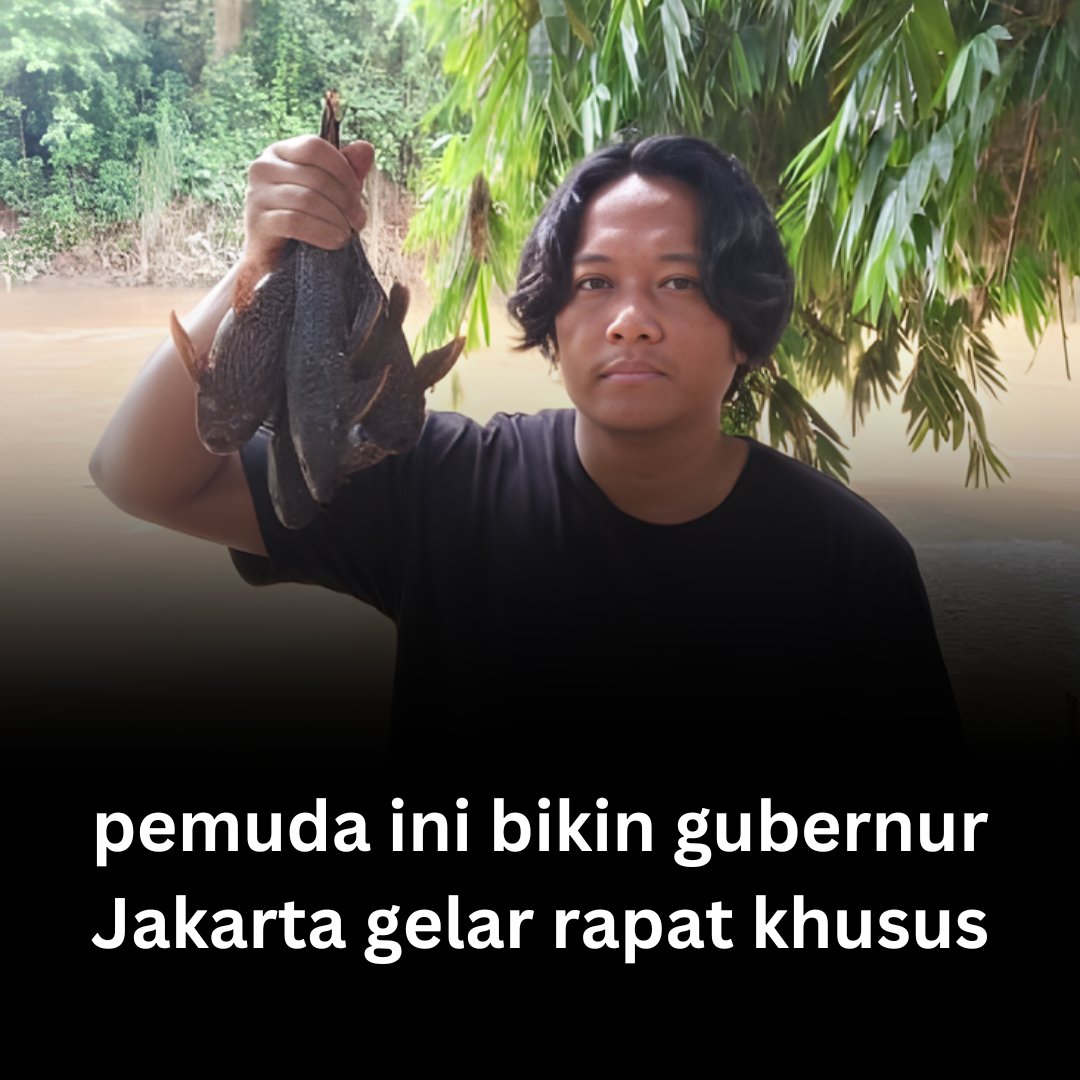
bukti nyata 1 langkah kecil bisa berarti besar.. meet Arief Kamaruddin pemuda 34 tahun dari Ciliwung yang bikin gubernur Jakarta gelar rapat khusus soal ikan sapu-sapu kenapa dia mulai gerak > dari kecil hobi jala ikan > dulu dapetnya udang atau lele liar > sekarang isinya sapu-sapu semua > spesies asli ciliwung hancur sisa 20 spesies > sapu-sapu ini invasif dan nggak ada predator cara kerjanya hardcore > turun ke sungai 1-3 jam tiap hari > kadang nyari sampe jam 2 pagi > nyemplung ke air keruh beracun > ngeraba akar pohon pake tangan kosong > resiko: beling, paku, ulerdapet ikan, patahin lehernya, lalu kubur impactnya nggak main-main > viral sampe masuk podcast close the door > gubernur dki langsung instruksi walikota > dinas gelar operasi massal tiap jumat > di jaksel kemaren tembus hampir 7 ton > rilis warning bahaya makan sapu-sapu ciliwung strateginya pinter dia pake sapu-sapu cuma buat pintu masuk tujuan utamanya nyentil isu sampah dan limbah karena kalo bahas sampah doang publik gampang abai dari jaring seadanya, dia sukses maksa birokrasi buat turun tangan. di tempat kalian ada sosok seniat ini nggak?
satyaxbt tweet media
Indonesia
530
14.4K
61.8K
1.9M