Dr Eduardo Viteri

9.1K posts

Dr Eduardo Viteri banner
Dr Eduardo Viteri

Dr Eduardo Viteri

@EViteriOft

Oftalmólogo, Director Médico de Humana Visión, Editor Médico Review of Ophthalmology en español, Director de E-Learning en PAAO. No sé lo que no sé.

Guayaquil, Ecuador Katılım Eylül 2009
1.1K Takip Edilen2.8K Takipçiler
Sabitlenmiş Tweet
Dr Eduardo Viteri
Dr Eduardo Viteri@EViteriOft·
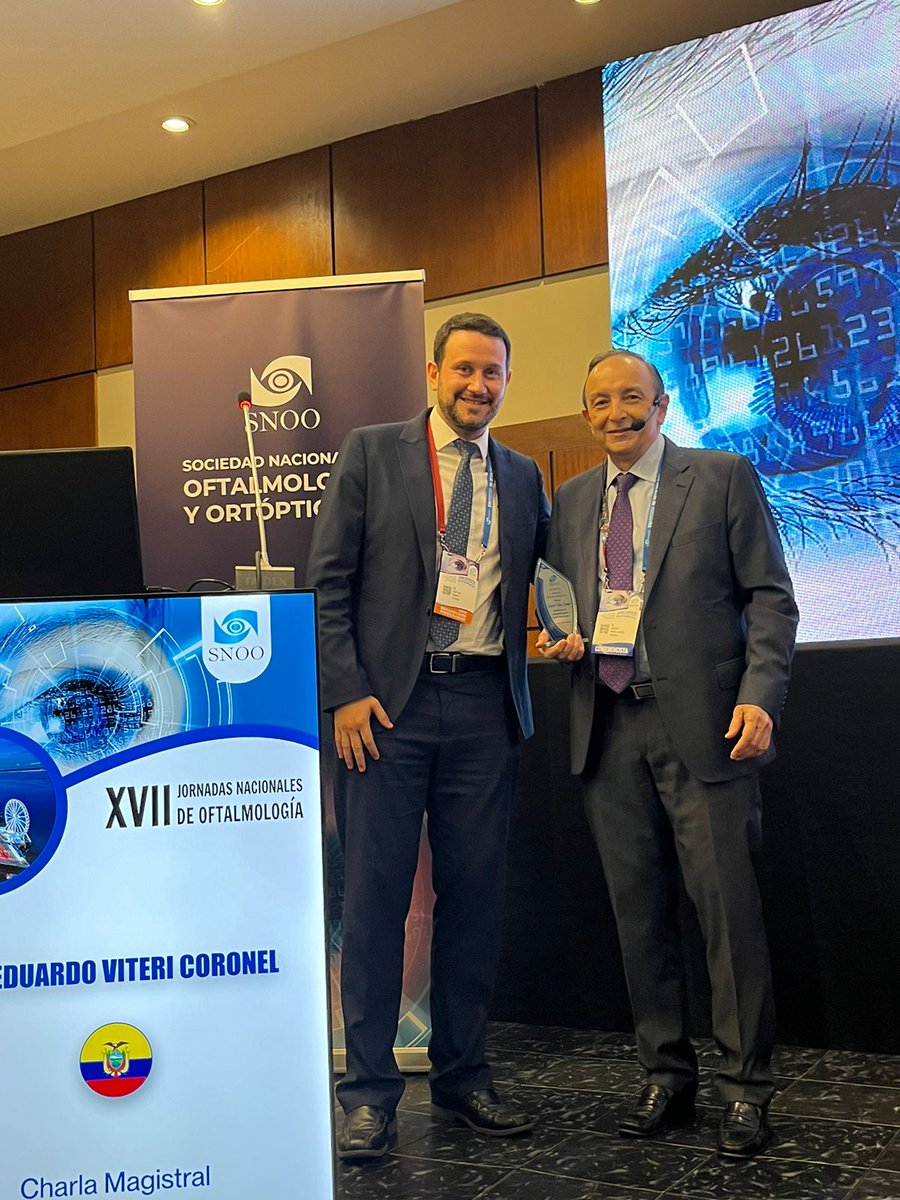
Honrado y agradecido por el reconocimiento otorgado por la Sociedad Nacional de Oftalmología y Ortóptica de Ecuador en el marco de las Jornadas Nacionales de #Oftalmología

Dr Eduardo Viteri tweet mediaDr Eduardo Viteri tweet media
Samborondon, Ecuador 🇪🇨 Español
2
1
21
930
Dr Eduardo Viteri retweetledi
Jose Ramos Vivas
Jose Ramos Vivas@joseramosvivas·
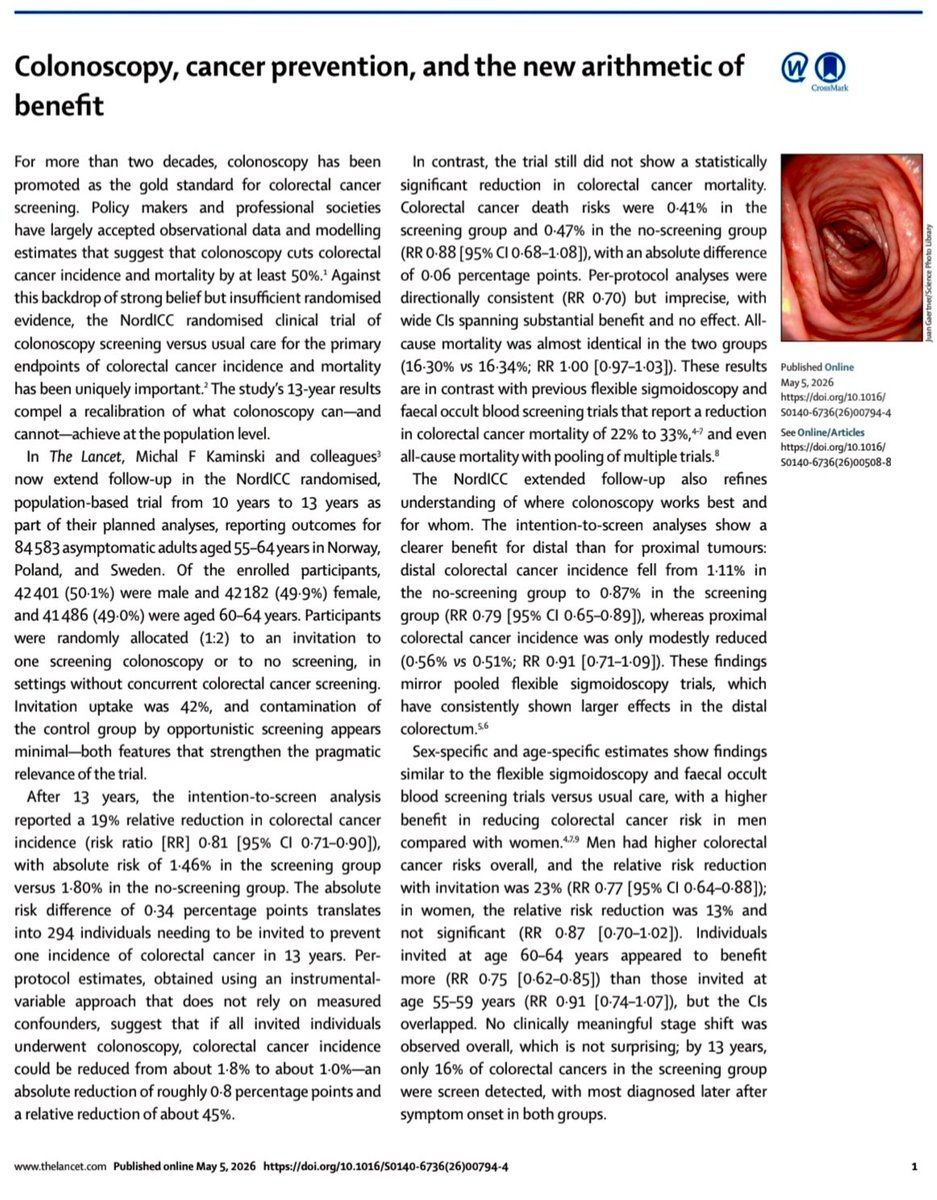
La #colonoscopia sigue siendo una herramienta potente de prevención primaria (evitar que el cáncer comience a desarrollarse). Lo que NordICC nos recuerda es que su impacto en mortalidad es más modesto y depende mucho de la adherencia y de la biología del tumor. Este comentario en The Lancet sobre el estudio NordICC (13 años de seguimiento) nos insta a recalibrar lo que sabemos sobre la prevención del #CáncerColorrectal. 🧵👇 1️⃣ Los datos: La invitación a una colonoscopia redujo la incidencia de cáncer en un 19% (1,46% vs 1,80%; RR 0,81). 📉 Sin embargo, no se encontró una reducción estadísticamente significativa en la mortalidad por este cáncer tras 13 años (0,41% vs 0,47%; RR 0,88). 2️⃣ Diferencias clave: 📍 La protección es mayor en el colon distal (final) que en el proximal (inicio). 👨‍⚕️ El beneficio parece ser mayor en hombres que en mujeres. 🎂 Los invitados entre 60-64 años mostraron resultados más favorables que los de 55-59. 3️⃣ La nueva aritmética: ¿Por qué la mortalidad apenas baja a pesar de reducir la incidencia? 🧐 Una explicación propuesta es que, gracias a los avances en cirugía, inmunoterapia y otros tratamientos, el pronóstico del cáncer detectado por síntomas ha mejorado tanto que el “margen” adicional de beneficio atribuible a la detección precoz se está estrechando. 4️⃣ Conclusión: La colonoscopia sigue siendo una herramienta potente para reducir la aparición de cáncer colorrectal (prevención), pero su impacto en la mortalidad es más modesto y matizado de lo que asumíamos en la era de la medicina moderna. 🧬✨ Además, los análisis por protocolo sugieren que, cuando la colonoscopia se realiza efectivamente, la reducción de incidencia puede ser sustancialmente mayor que la observada en el análisis por invitación. #Medicina #Salud #Prevención #Cáncer #Gastroenterología #Ciencia #SaludPública #Colonoscopia #NordICC 👇🏻 thelancet.com/journals/lance…
Jose Ramos Vivas tweet media
Español
0
15
37
1.6K
Dr Eduardo Viteri retweetledi
Eric Topol
Eric Topol@EricTopol·
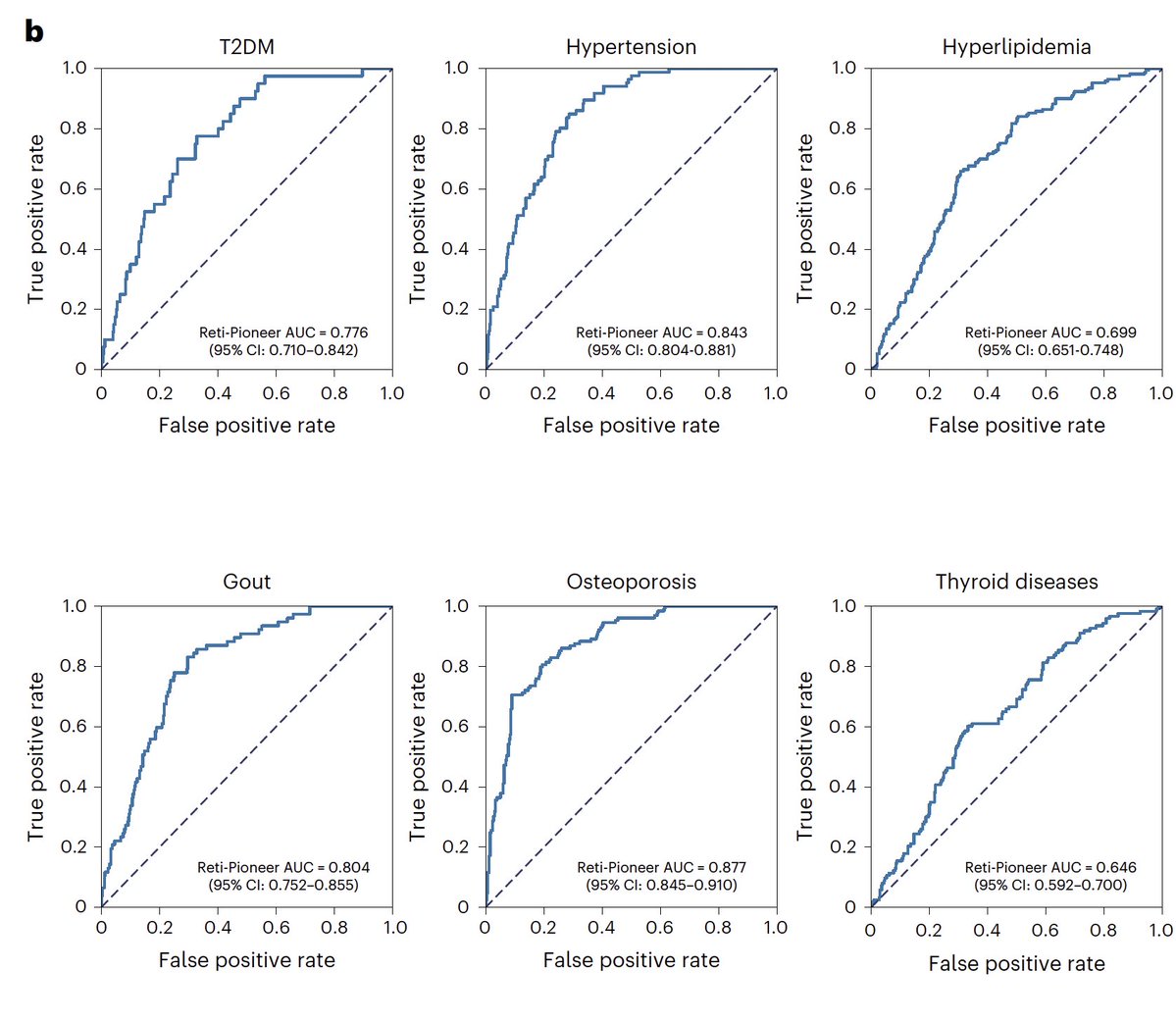
What superhuman vision can detect from the retinal photo, which human eyes cannot, is stunning. A new foundation AI model screening for diabetes hypertension, hyperlipidemia, gout, osteoporosis, and thyroid disease @NatureMedicine nature.com/articles/s4159…
Eric Topol tweet media
English
12
81
338
31K
Dr Eduardo Viteri retweetledi
Veera Rajagopal 
Veera Rajagopal @doctorveera·
A monumental moment in medical history: the first gene therapy for genetic hearing loss is now FDA approved. As a former Regeneron scientist, I feel very proud. I had the opportunity to hear about this programme while it was still in development. It’s one of the few programmes that, every time you came across it, you felt the medical breakthrough in your bones and privileged just to be there while it was happening. At this moment, it’s important that we look 30 years back when researchers mapped a locus on chromosome 2 to congenital deafness in a Lebanese family (pubmed.ncbi.nlm.nih.gov/8789454/). They named it DFNB6 (later DFNB9) with no clue about the responsible gene. Three years later, the causal gene came to light: OTOF, encoding a protein called otoferlin (nature.com/articles/ng049…). Seven years after that, in 2006, pioneering work by Christine Petit revealed that otoferlin is a calcium sensor in the inner hair cell membrane, acting as a molecular trigger that converts sound into electric signals that the brain can read (pubmed.ncbi.nlm.nih.gov/17055430/). Twenty years fast forward, we now have a successful treatment. Thirty years from discovery to medicine. OTOF-related deafness is congenital, caused by complete deficiency of otoferlin. In these children, the cochlea is structurally intact, hair cells are there, the mechanics of sound transmission work. It’s just that final step, where hair cells hand off the signal to the auditory nerve through neurotransmitter release, that doesn’t happen. Sound arrives and dies at the synapse. It’s deafness due to a defect in the synapse caused by the absence of a single protein, which is what made this a beautiful, clean target for gene therapy. The treatment itself is a feat of molecular engineering. OTOF is too large to fit in a single AAV capsid. The team solved this elegantly by delivering the gene in two halves separately, which then get spliced to produce the full functional protein. A single surgical injection into the cochlea, a molecular miracle unfolds. Results from the CHORD trial were striking: of 20 evaluable patients, including children as young as 10 months, 80% showed meaningful hearing improvement, and by 48 weeks, 42% had achieved normal hearing including the ability to hear whispers. Otarmeni is not only the first gene therapy for deafness, it’s also the first dual-AAV therapy to be approved by the FDA. There are very few things in medicine that come close to giving back a sense like vision, hearing, or touch that a human never had from birth. It’s almost God’s work. A parent witnessing their child who was born deaf hearing their voice for the first time, it’s a joy that no words can describe. Multiply that by the fact that it came from a single injection, a repaired gene, and 30 years of science. We are truly in the golden era of medicine. Regeneron press release: investor.regeneron.com/news-releases/… Below video is from the NEJM publication of CHORD trial (Valayannopoulos et al. NEJM 2025) nejm.org/doi/full/10.10…
English
9
76
265
59K
Dr Eduardo Viteri retweetledi
Sociedad Española de Retina y Vítreo
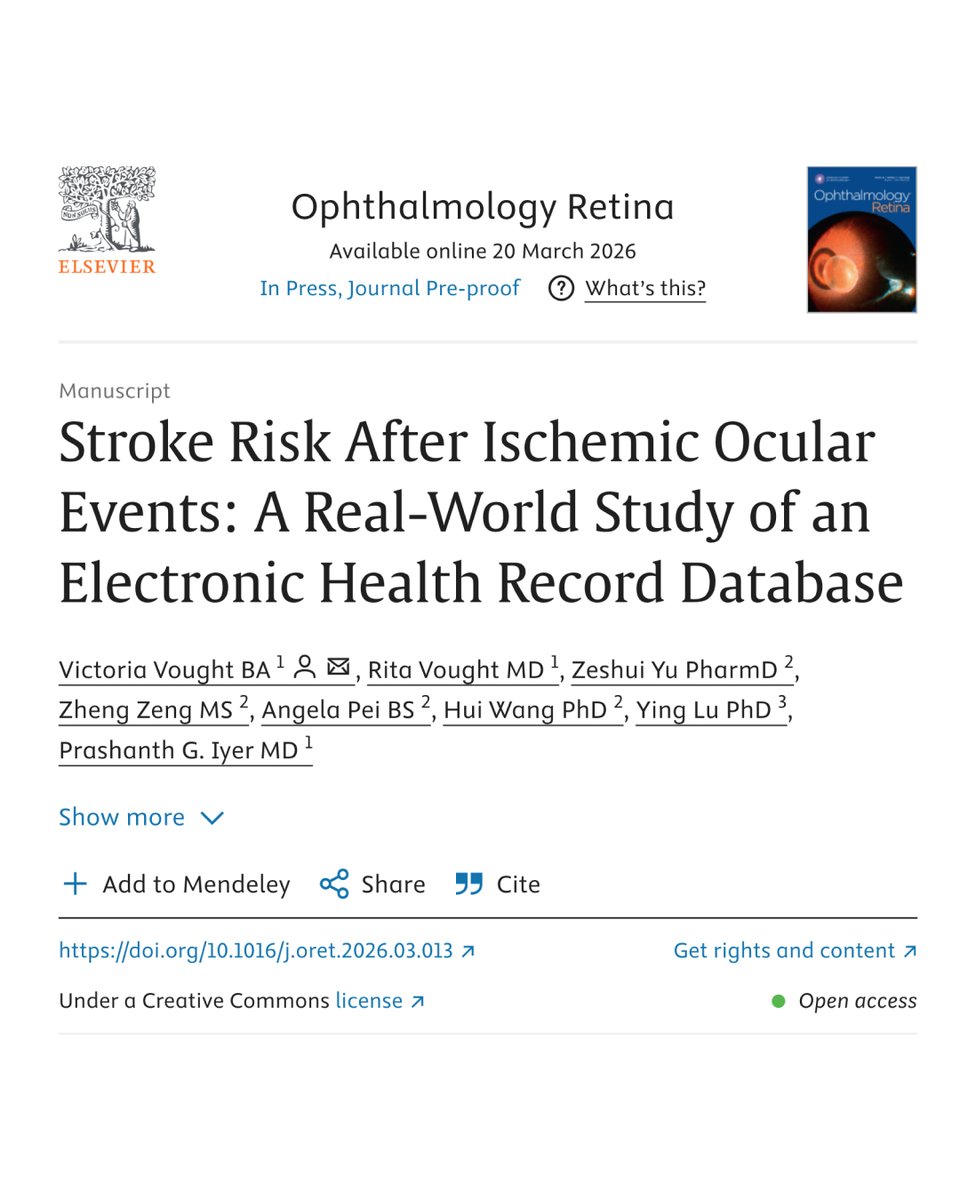
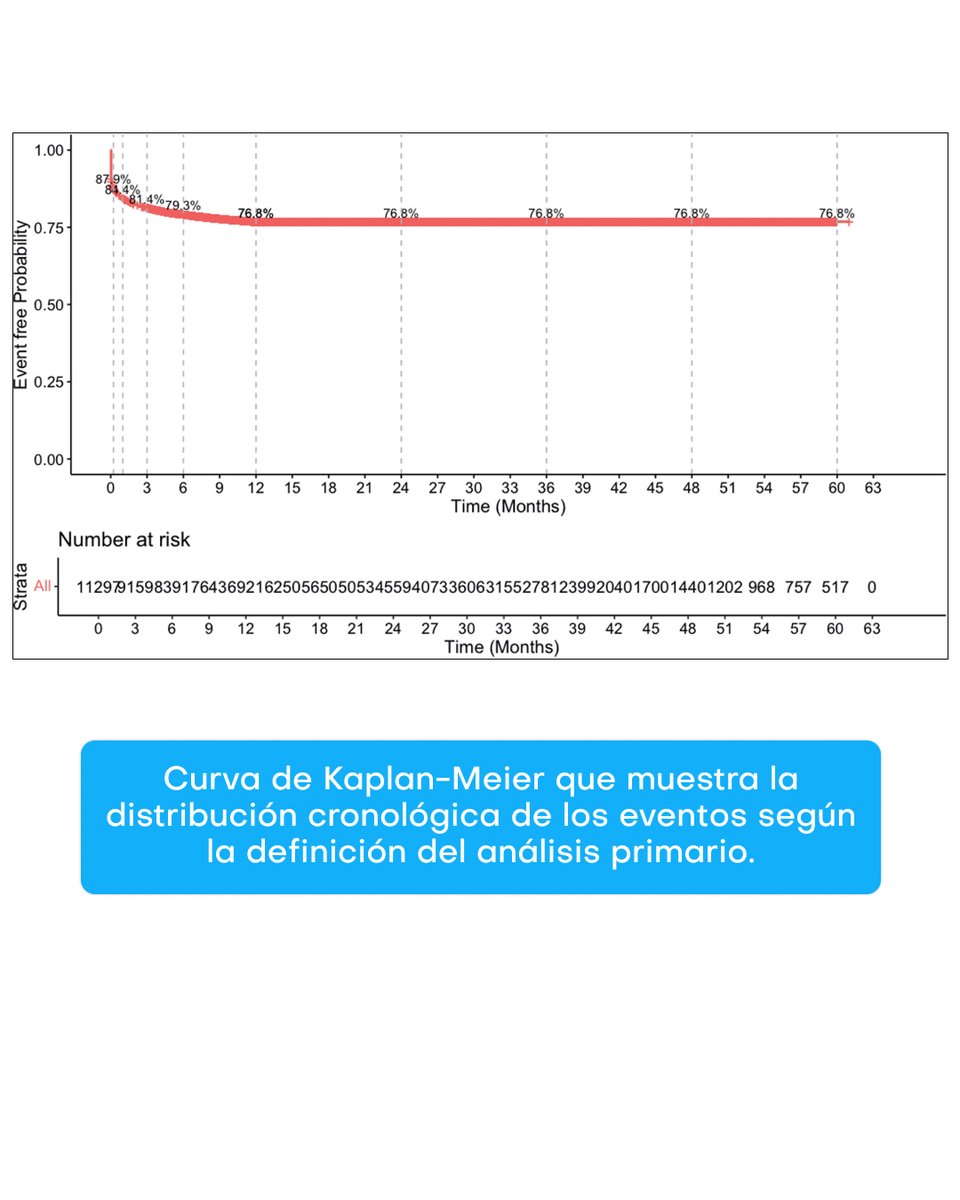
Uno de cada cuatro pacientes con eventos isquémicos oculares sufrirá ictus en un año: la retina como ventana de urgencia neurológica. Vought V, Ophthalmology Retina, 2026. Acceso al artículo: 🔗 f.mtr.cool/cjjpcmhrbz
Sociedad Española de Retina y Vítreo tweet mediaSociedad Española de Retina y Vítreo tweet media
Español
1
2
2
129
Dr Eduardo Viteri retweetledi
Academia Nacional de Medicina
Academia Nacional de Medicina@ANM_Colombia·
Hay algo que ningún avance tecnológico puede reemplazar: la confianza. Y en medicina, esta no se prescribe, se construye. ¿Cómo se desarrolla en la profesión médica?
Español
1
16
36
4K
Dr Eduardo Viteri retweetledi
Jose Ramos Vivas
Jose Ramos Vivas@joseramosvivas·
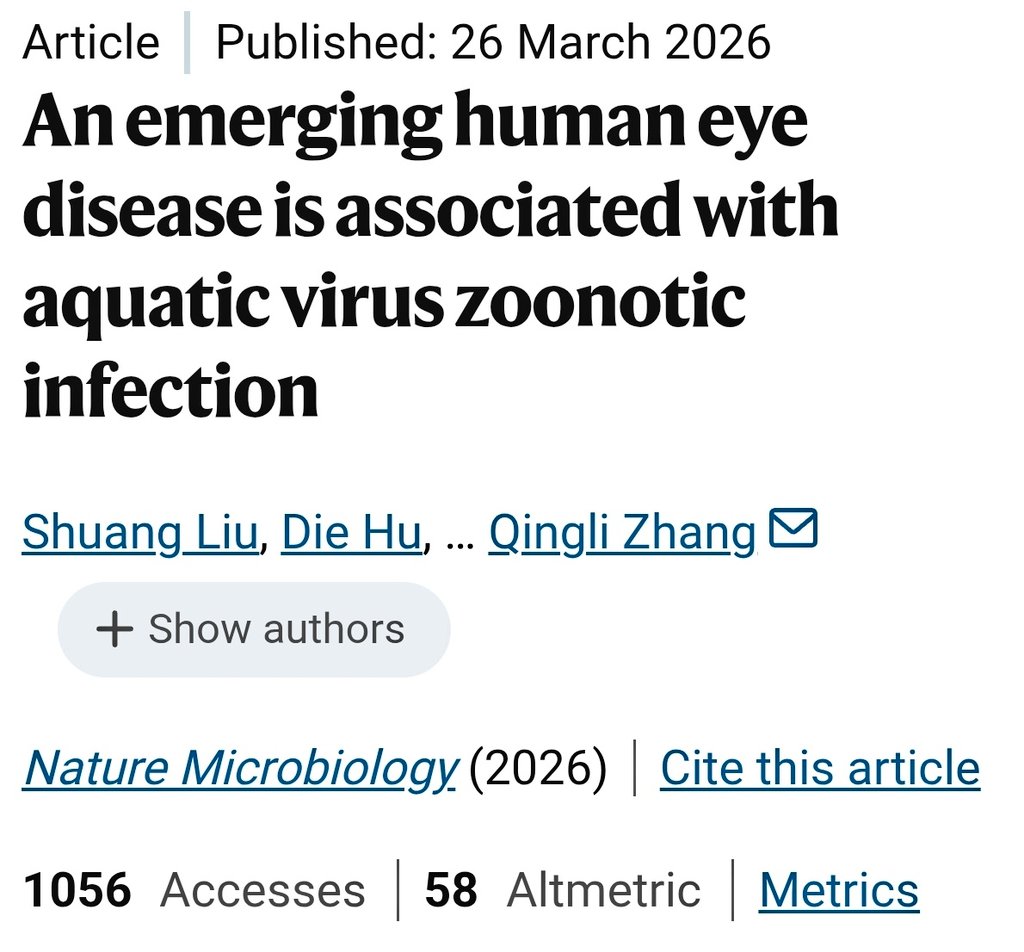
A este #virus no le hemos visto llegar... 🚨👁️Nature Microbiol revela que una enfermedad ocular emergente está vinculada a un virus de origen acuático. 🌊🦠 (En china 🇨🇳) ​POH-VAU (Uveítis anterior viral hipertensiva ocular persistente). Los investigadores han encontrado que esta patología está asociada al Nodavirus de Mortalidad Encubierta (CMNV), que suele afectar a especies marinas. 🦐🐟 ​¿Por qué importa? 1️⃣ Representa un nuevo caso de salto #zoonótico (de animales a humanos) provocado por el cambio climático/actividad humana 🌡️👤 2️⃣ El virus CMNV es común en la acuicultura, lo que plantea retos para la seguridad alimentaria y laboral. 🚜🍤 3️⃣ La detección de ARN viral en muestras oculares confirma la presencia del patógeno en pacientes afectados. 🔬🧪 ​Es un recordatorio de que la salud humana y la del ecosistema son una sola. 🌏 ​#Ciencia #Oftalmología #Zoonosis #CambioClimático #Microbiología #SaludPública #POHVAU #Nodavirus #OneHealth #Investigación MUCHO OJO ! @SEMicrobiologia 👇 nature.com/articles/s4156…
Jose Ramos Vivas tweet media
Español
2
95
242
15.7K
Dr Eduardo Viteri retweetledi
NEJM
NEJM@NEJM·
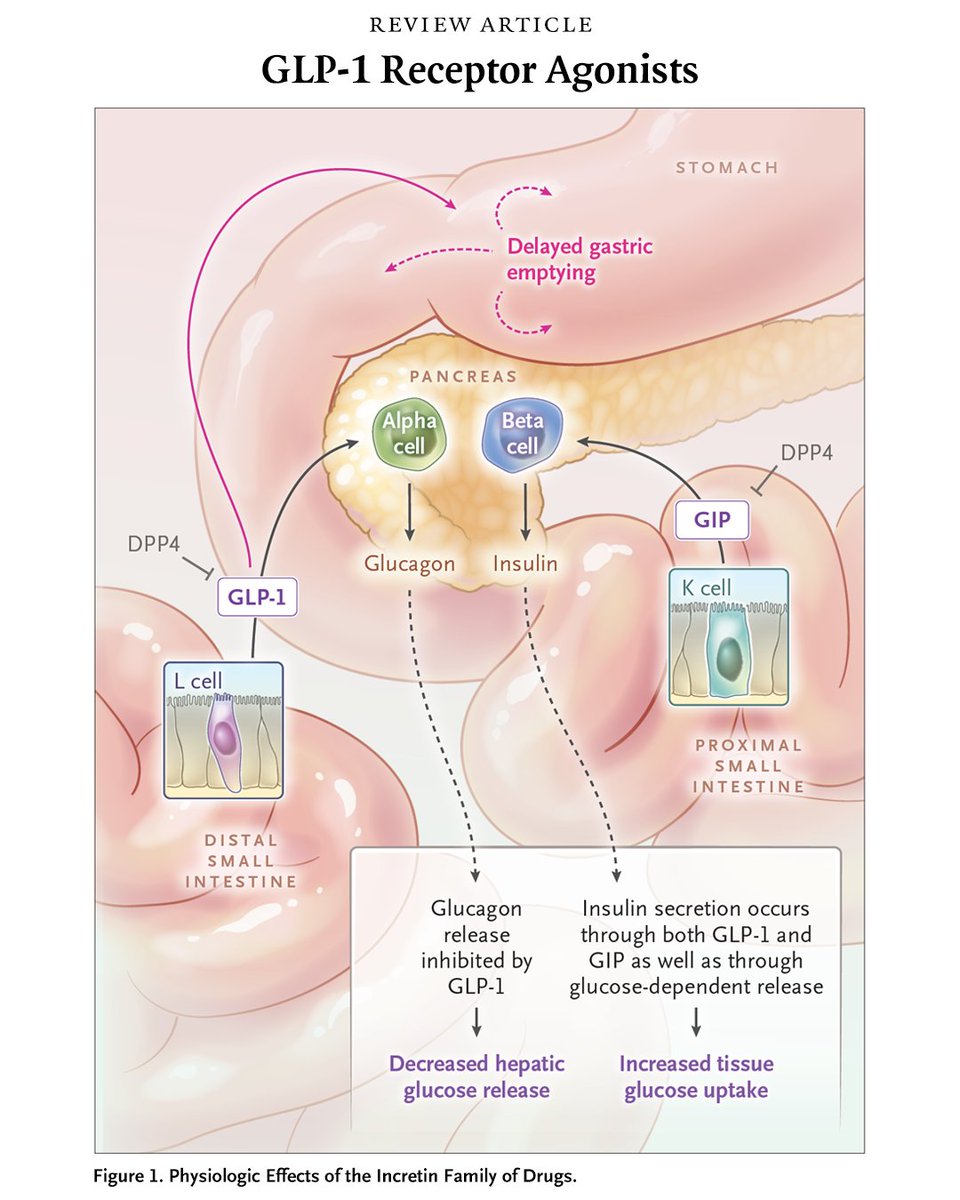
GLP-1 receptor agonists are increasingly used to treat type 2 diabetes and obesity, and trials have shown reductions in cardiovascular risk and slowing of kidney failure. Adverse events are mostly gastrointestinal. Read the Review Article “GLP-1 Receptor Agonists” by Clifford J. Rosen, MD, and Julie R. Ingelfinger, MD, from @tuftsmedschool and the Maine Medical Center Institute for Research: nejm.org/doi/full/10.10…
NEJM tweet media
English
13
439
1.2K
75.5K
Dr Eduardo Viteri retweetledi
Eric Topol
Eric Topol@EricTopol·
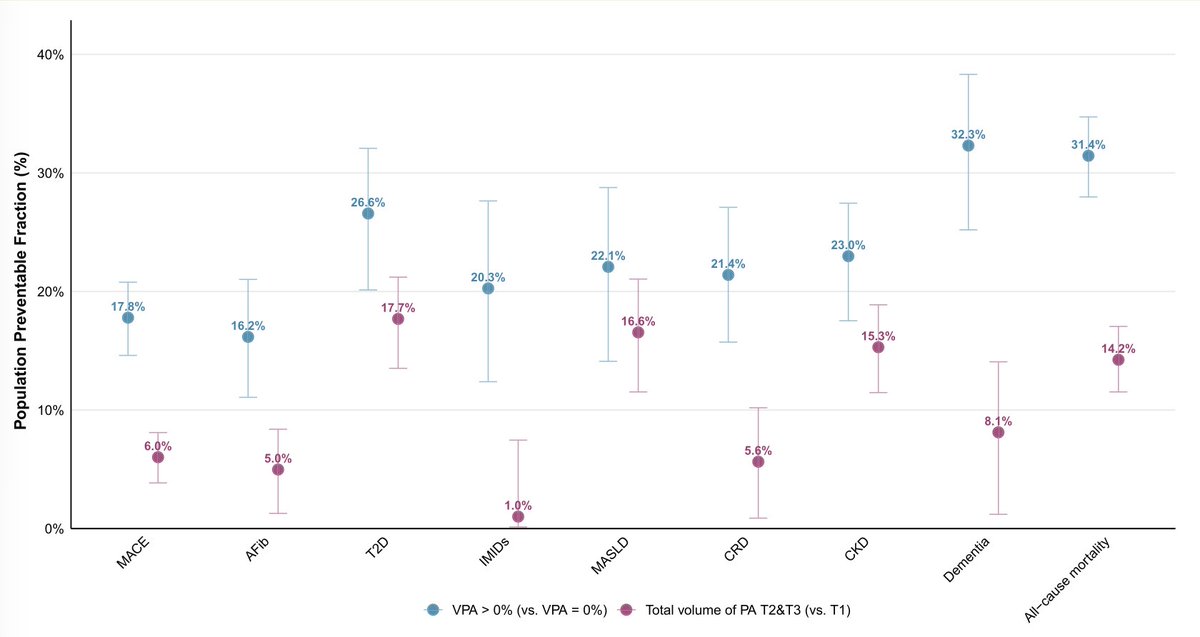
Intensity of exercise vs volume of physical activity made a difference for lower risks of 8 diseases and all-cause mortality among 96,000 @uk_biobank participants, especially noted for immune-mediated (IMID). VPA-vigorous physical activity academic.oup.com/eurheartj/adva…
Eric Topol tweet media
English
29
92
503
172.7K
Dr Eduardo Viteri retweetledi
Anish Moonka
Anish Moonka@anishmoonka·
Every time you get a cancer biopsy, the lab makes a tissue slide that costs about $5. It shows the shape of your cells under a microscope, and every cancer patient already has one on file. There’s a much fancier version of that test called multiplex immunofluorescence (basically a protein-level map showing which immune cells are near your tumor and what they’re doing). It costs thousands of dollars per sample, takes specialized equipment most hospitals don’t have, and barely scales. But it’s the kind of data oncologists need to figure out whether immunotherapy will actually work for you. Right now, only about 20 to 40% of cancer patients respond to immunotherapy, and one of the biggest reasons is that doctors can’t easily tell whether a tumor is “hot” (immune cells actively fighting it) or “cold” (immune system ignoring it). Microsoft, Providence Health, and the University of Washington trained an AI to analyze the $5 slide and predict what the expensive test would show across 21 different protein markers. They called it GigaTIME, trained it on 40 million cells in which both the cheap slide and the expensive test coexisted, and then turned it loose on 14,256 real cancer patients across 51 hospitals in 7 US states. The results landed in Cell, one of the most selective journals in biology. The model generated about 300,000 virtual protein maps covering 24 cancer types and 306 subtypes. It found 1,234 real, verified connections between immune cell behavior, genetic mutations, tumor staging, and patient survival that were previously invisible at this scale. When they tested it against a completely separate database of 10,200 cancer patients, the results matched up almost perfectly (0.88 out of 1.0 agreement). Nature Methods named spatial proteomics (mapping where specific proteins sit inside your tissue) its Method of the Year in 2024, and specifically cited GigaTIME in a March 2026 update as a model that “democratizes” this kind of analysis. The full model is open-source on Hugging Face. Any cancer research lab with archived biopsy slides, and most of them have thousands, can now run virtual immune profiling without buying a single piece of new equipment.
Satya Nadella@satyanadella

We’ve trained a multimodal AI model to turn routine pathology slides into spatial proteomics, with the potential to reduce time and cost while expanding access to cancer care.

English
103
1.8K
11.1K
945.3K
Dr Eduardo Viteri retweetledi
Hans Collin
Hans Collin@HansCollin2·
Éste artículo es para los que aún creen que el sarampión es una infección cualquiera y que los niños no necesitan esa vacuna. Cuando se junta la miopía mental colectiva y el silencio mediático, se obtiene un desastre como el que estamos viendo ahora... 🧵 theatlantic.com/ideas/2026/02/…
Español
1
11
17
387
Dr Eduardo Viteri retweetledi
Joaquín Fernández, MD MSc PhD 🇪🇺
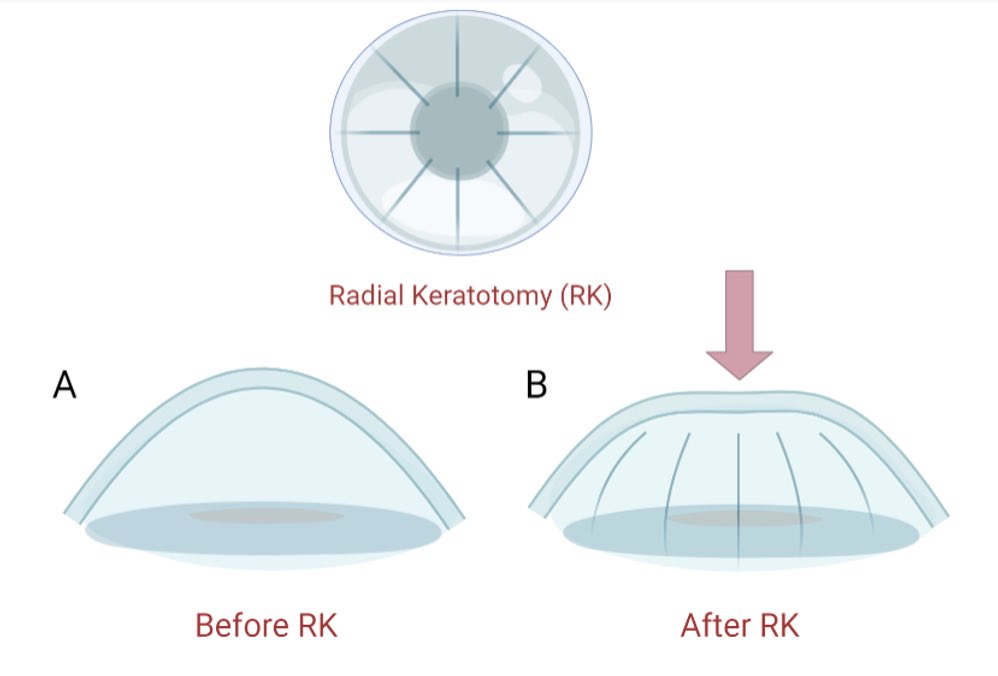
1/ ¿Cuál es el mejor método para calcular la potencia de la LIO en pacientes operados previamente de #QueratotomíaRadial (#RK)? Un #Metaanálisis reciente analizó 24 fórmulas en 674 ojos con #RK previa para comparar su precisión refractiva.
Joaquín Fernández, MD MSc PhD 🇪🇺 tweet media
Español
1
10
30
2K
Dr Eduardo Viteri retweetledi
Cybersight
Cybersight@cybersight_org·
The recording and presentation of Ocular Side Effects of Common Oral Medication are now available on demand in the Cybersight Library. Thank you to everyone who joined us, and to Dr. Doug Rett for leading this session on identifying and monitoring ocular side effects of commonly prescribed oral medications, with a special focus on those widely used in low- and middle-income countries. If you missed it live, you can now watch the full session anytime. 🔗 Access the recording in the Cybersight Library: bit.ly/4lolipq
English
0
1
2
73
Dr Eduardo Viteri retweetledi
Cybersight
Cybersight@cybersight_org·
Did you miss this practical webinar on micro-instrument care and sterilization? The recording and presentation from Jessica Raab on Small Tools, Big Impact are now available in the Cybersight Library. This session shares practical tips for caring for and sterilizing ophthalmic micro-instruments, with guidance tailored for eye care teams working in resource-constrained settings. (Level: All) 👉 Watch the recording on demand on Cybersight: bit.ly/3ZZCiZd #Ophthalmology #EyeCareTeams #SurgicalInstruments #Sterilization #Cybersight #OnDemandLearning
English
0
1
1
60
Dr Eduardo Viteri
Dr Eduardo Viteri@EViteriOft·
Asociación de la postura para dormir con almohada alta con elevación de la #presión intraocular en pacientes con #glaucoma guayhttps://pubmed.ncbi.nlm.nih.gov/41592946/
Guayaquil, Ecuador 🇪🇨 Español
0
0
2
113
Dr Eduardo Viteri retweetledi
nom0leste
nom0leste@nom0leste·
que fuerte el mensaje que le dejo eric dane a sus hijas xdios
Español
114
3.8K
36.3K
1.2M