
Ministry of Environment, Climate Change & Forestry retweetledi

𝐊𝐚𝐩𝐭𝐚𝐠𝐚𝐭 𝐂𝐨𝐧𝐬𝐞𝐫𝐯𝐚𝐭𝐢𝐨𝐧 𝐌𝐨𝐝𝐞𝐥 𝐈𝐧𝐬𝐩𝐢𝐫𝐞𝐬 𝐍𝐚𝐭𝐢𝐨𝐧𝐚𝐥 𝐄𝐜𝐨𝐬𝐲𝐬𝐭𝐞𝐦 𝐑𝐞𝐬𝐭𝐨𝐫𝐚𝐭𝐢𝐨𝐧 𝐚𝐧𝐝 𝐋𝐢𝐯𝐞𝐥𝐢𝐡𝐨𝐨𝐝 𝐓𝐫𝐚𝐧𝐬𝐟𝐨𝐫𝐦𝐚𝐭𝐢𝐨𝐧 𝐄𝐟𝐟𝐨𝐫𝐭𝐬
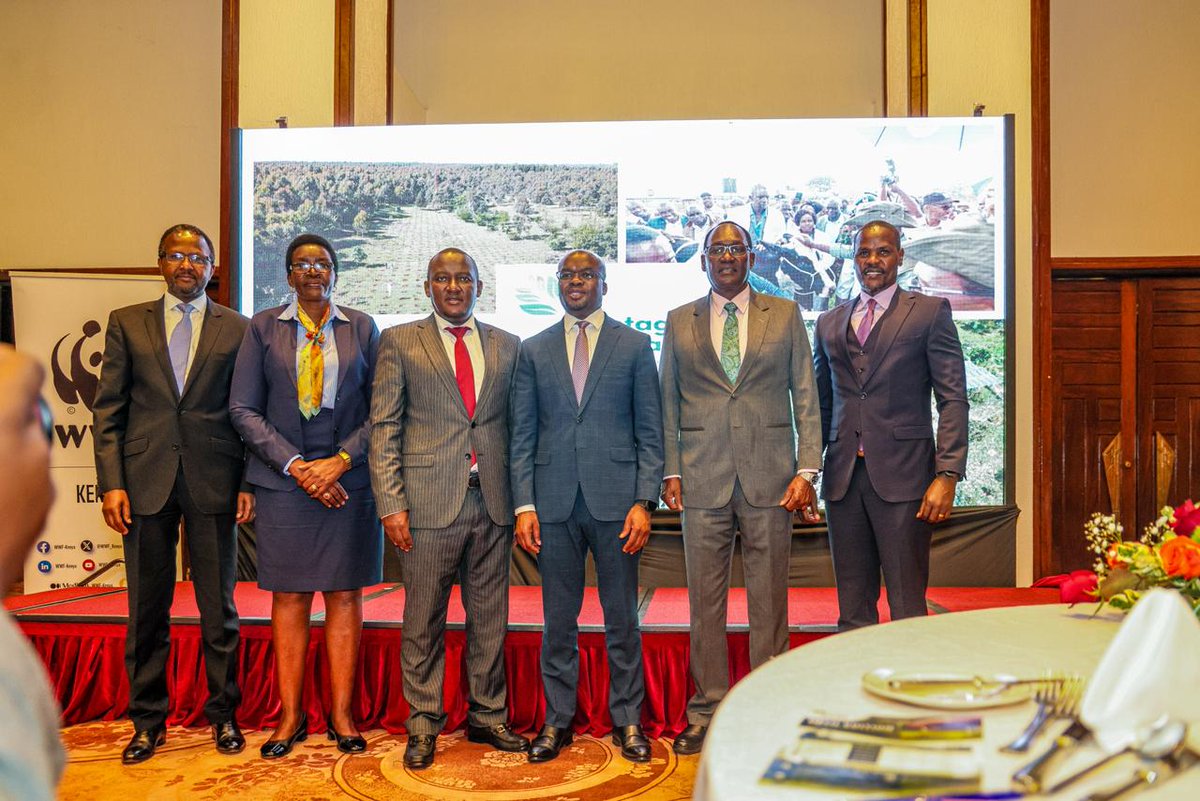
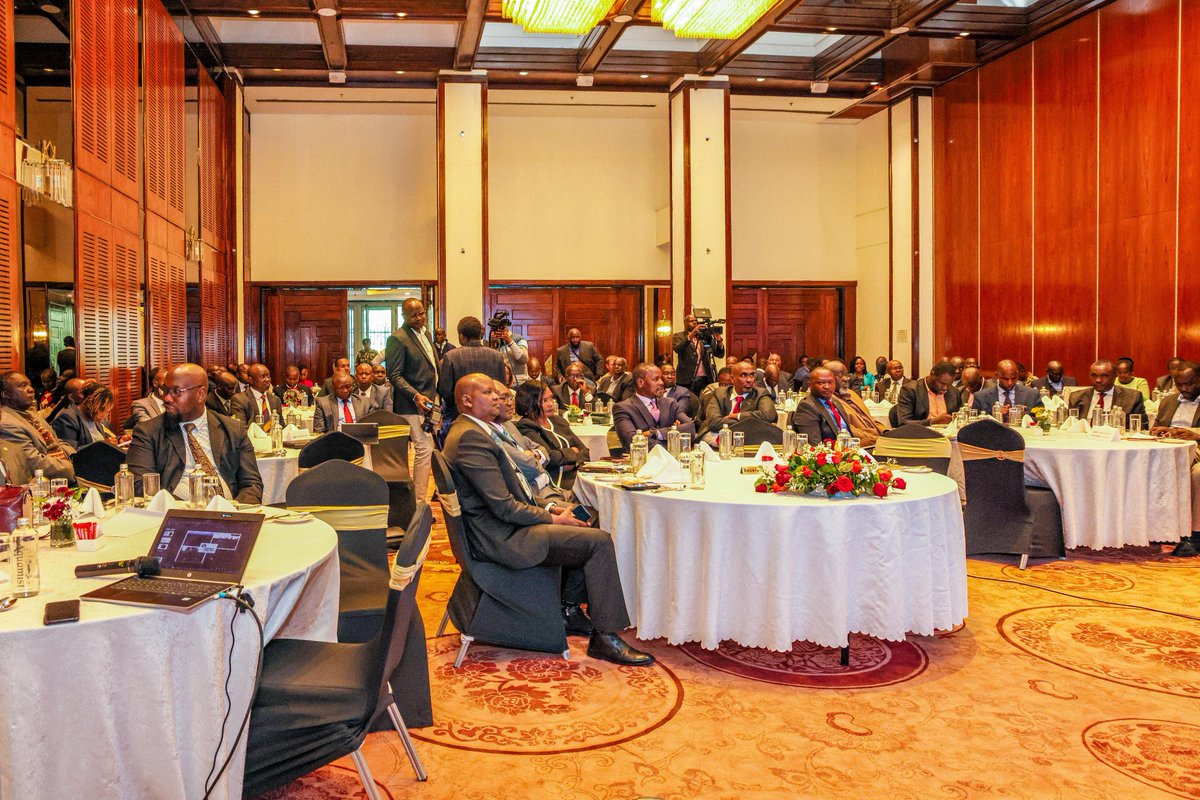
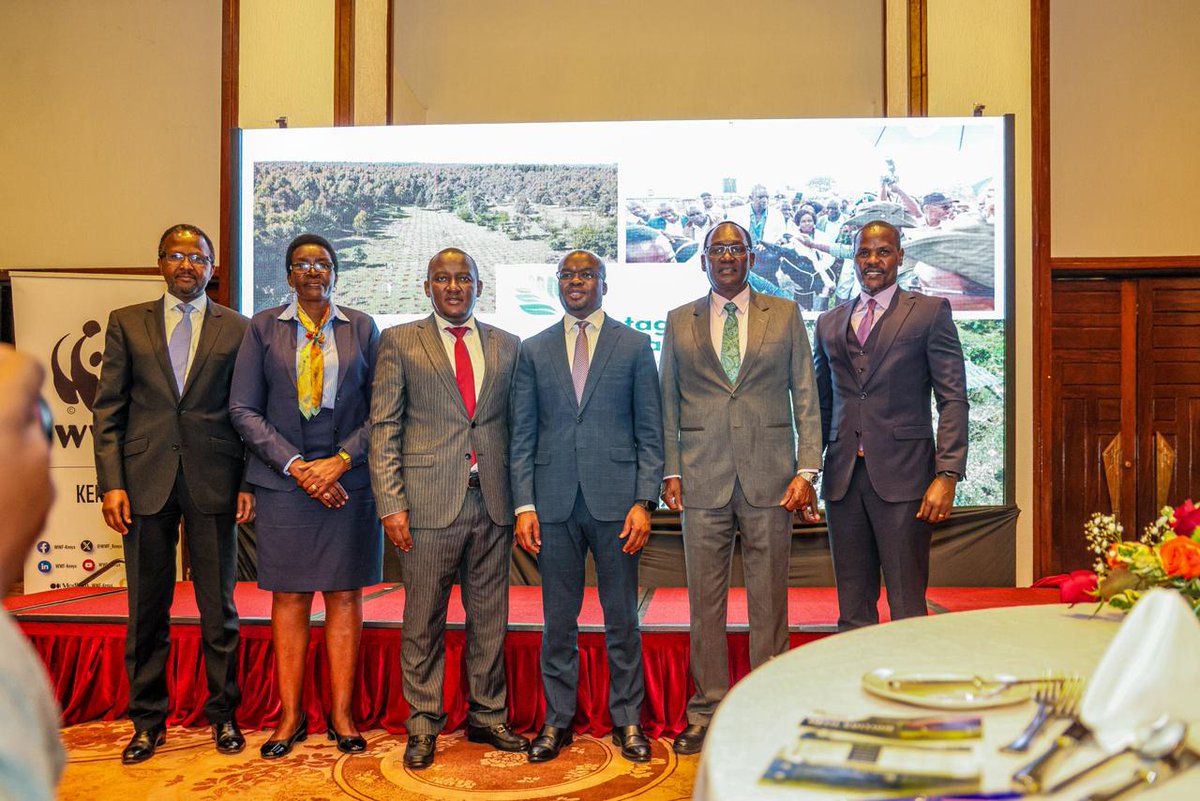
The transformative impact of the Kaptagat Integrated Conservation Programme took center stage during the launch of its 10th Edition, as leaders hailed the initiative as a model for ecosystem restoration, community empowerment, and sustainable livelihoods.
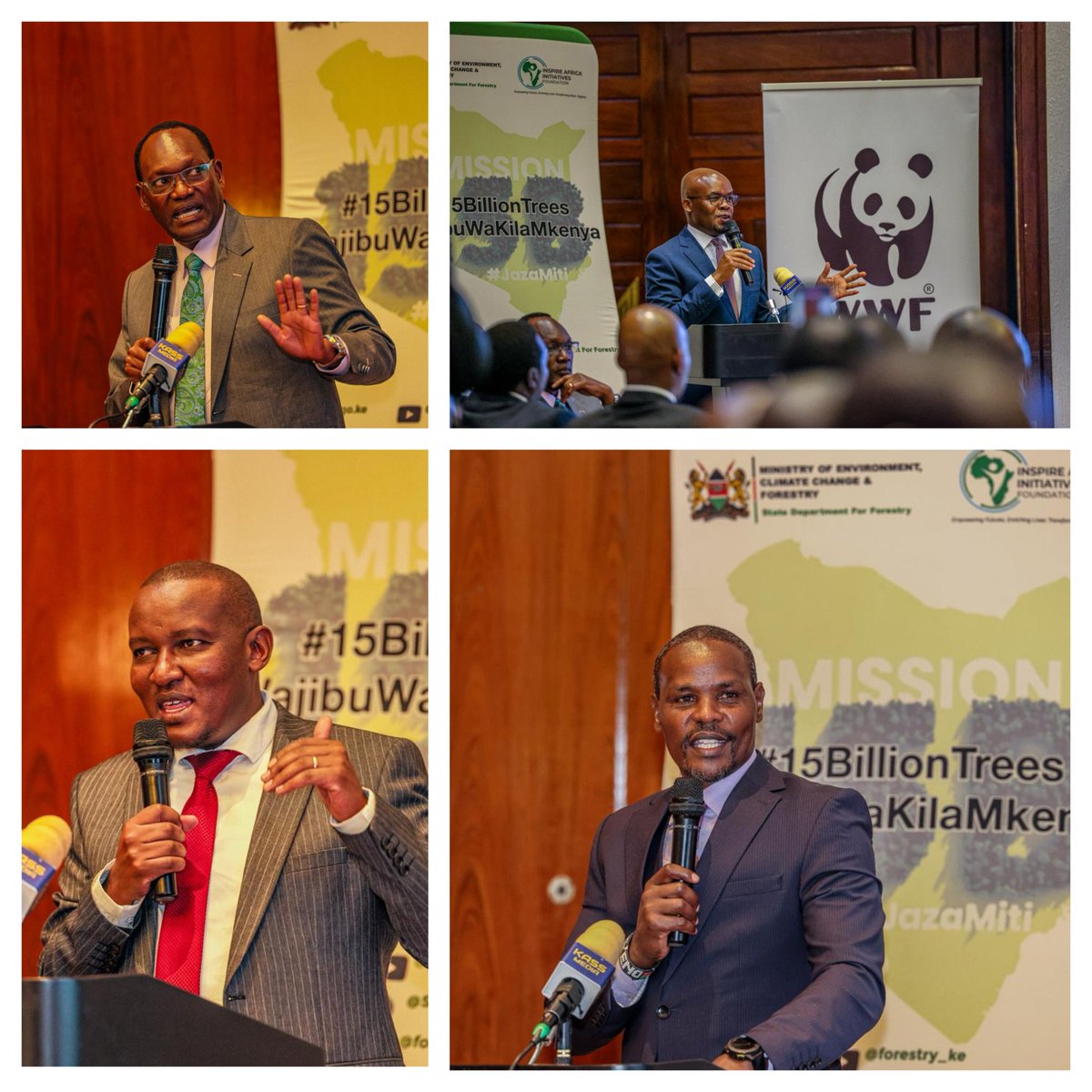
Speaking during the event, Principal Secretary for Interior Dr. Raymond Omollo described the programme as a shining example of how environmental conservation can drive peace, stability, and economic transformation within communities.
Dr. Omollo noted that the remarkable progress achieved in Kaptagat over the last decade has significantly contributed towards Kenya’s ambitious target of growing 15 billion trees by 2032. He emphasized that collaborative ecosystem adoption models such as the Kaptagat initiative are critical in enabling the country to meet its restoration goals.
He further underscored the strong link between environmental conservation and security, noting that improved ecosystems help reduce conflicts over scarce resources such as water and pasture, while also minimizing vulnerability to criminal activities.
“It is important for us in the Interior Ministry to support peace and stability through improved ecosystems. Where resources are limited, conflicts often emerge. Conservation therefore becomes part of the solution,” he stated.
Dr. Omollo added that the Ministry of Interior has integrated climate action into its grassroots administrative structures through the Chiefs Climate Action initiative, where every first Friday of the month chiefs mobilize communities to plant and nurture trees in support of the national restoration agenda.
Environment and Climate Change Principal Secretary Dr. Eng. Festus K. Ng’eno said the transformation achieved in Kaptagat over the last 10 years in sustainability, restoration, and improvement of livelihoods has been immense.
“The success of Kaptagat has inspired many of us to adopt ecosystems and champion conservation efforts across the country,” he said.
PS Ng’eno noted that the programme has inspired restoration initiatives in other critical ecosystems including Oloolua Forest, the Mau Forest Complex, Mt. Elgon, Cherangany Hills, Loita Hills, and Nandi Hills among others.
On his part, Irrigation Principal Secretary Ephantus Kimotho emphasized the importance of empowering farmers through capacity-building programmes focused on water conservation, rehabilitation of dams, and sustainable agricultural practices. He said the “Maji Safi” initiative seeks to help farmers effectively utilize available water resources while shifting towards high-value horticultural farming to improve household incomes.
The programme’s integrated approach, combining restoration, sustainability, and livelihoods improvement, was lauded as a practical model for community-centered conservation.
The launch also served as a rallying call for enhanced interventions, with stakeholders observing that while notable progress has been made, more efforts are required to accelerate restoration activities and encourage broader public participation towards achieving the national target of growing 15 billion trees by 2032.
The Ministry reaffirmed its commitment to continue coordinating restoration activities and strengthening partnerships to ensure the long-term sustainability of Kenya’s critical ecosystems.


English