IEpag
106 posts

En général, on essaie pr savoir. Ms pour SCOUT, c'est inné, on le vit à fond. Né avec ça ! Curieux ? Rejoins-nous le 24-27/07 à CSRD Masaka et découvre ce phénomène unique, de tout les categories de vie, Tu verras, la différence ! Viens donc voir par toi-même.
#MasakaNishow


Français

I will be creating the biggest gc for only Barça fans. Reply to get added. Language: 🇪🇸🏴
English
Ipilao yahumuye weee…
Uncles Restaurant is ready for you.
Kwanza Reka ngire nka 2 ngurira umuceri

Filipino
@matinyarare What you have said 90% and above are true but there's a little % which aren't true. Where you say Rwandan youth might have changed or overthrow their leadership. Try to discuss or talk to Rwandan youth you'll understand and know more about how they see their leadership.
English
𝗪𝗛𝗬 𝗜 𝗖𝗛𝗢𝗦𝗘 𝗧𝗢 𝗖𝗛𝗔𝗡𝗚𝗘 𝗠𝗬 𝗩𝗜𝗘𝗪 𝗢𝗡 𝗥𝗪𝗔𝗡𝗗𝗔?
Many people have told me that I will regret changing my position on Rwanda, but here is why I am confident that I will never regret.
In everything I do, I try to judge whether it is wrong or right by looking at the fruits of the tree—what will be the ultimate result of my actions on my continent and people—to determine whether the decision I am making is good or bad.
When I was advancing the anti-Rwandan government narrative, people challenged me, and I began to ask myself how exactly my negative sentiment was meant to bring a solution to the problem I was attributing to Rwanda.
I soon realized that the only result my sentiment would lead to was instigating Rwandans—what I now understand to be 70% of Rwanda who were born after the genocide—to lose trust in their government and potentially rise up and start fighting it, thereby causing a civil war to overthrow their government.
I recognized that this would destroy the unity and peace that this country has struggled to build and maintain since the 1994 genocide that touched all of humanity.
It was also clear that my sentiment could continue to encourage SADC and other African countries to continue deploying their soldiers to Congo under the misguided notion that they were fighting Tutsis (Arabs) who are not Bantus. This would continue to destabilize the region, perpetually dividing Africans in a manner no different from the West's actions in Libya and the Middle East.
I then had to ask myself if this was Pan-Africanism and uniting Africa. It clearly was the epitome of divide and conquer, which made me an agent of imperialism.
I began to conduct deeper research into the history of the Great Lakes region and discovered how Belgium had divided the people through tribalism. Once I realized the deception that the Belgians brought into the region, I considered the outcomes of the alternative.
What would be the consequence of sharing with other Africans the history of how Belgians divided the Rwandans and Congolese through the Hamitic and Bantu theories, which suggested that the people of that region were separate tribes and unrelated and how his caused two genocides in Rwanda and the discrimination of Kinyarwanda-speaking Tutsis not only in Rwanda but also in Congo and Burundi?
I concluded that informing Africans that the Hamitic Theory and Bantu migration narratives were designed by colonizers to divide us, separating the Twa from their Hutu and Tutsi brothers and sisters, while in Southern Africa leading us to forsake our Khoi and San forefathers with whom we share the same DNA, would help Africans realize that we are one.
It would also stop our governments and citizens from choosing sides in the Congo conflict and deploying soldiers to fight fellow Africans on the misguided basis that we are defending Bantus from non-Bantus and vice versa.
Additionally, it could encourage African leaders to persuade Congo—a nation formed out of Leopold’s dispossession of neighboring kingdoms—to engage in dialogue with its Kinyarwanda-speaking citizens and neighbors to develop a peaceful solution that would allow unity, coexistence, and possibility lead to the removal of colonial borders and the sharing of resources that continue to cause this bloodshed.
Not only would we get nations talking, but we could also start pressuring our governments to remove the divisive colonial Bantu migration and Hamitic theories from our education curriculum and start teaching Africans that the Khoi, Twa, Mbuti and San are our grandparents and we share the same DNA with them.
In my mind, the second option is the only option, and that is what I chose. I know that by advocating for the Great Lakes region to recognize each other as brothers, encouraging other Africans to stop choosing sides, and promoting dialogue among the nations of the Great Lakes that includes dismantling colonial borders, we can achieve unity in Africa.
English

Vuga uko umukino uhuza APR vs RAYON SPORT urangira ubashe gutsindira ibihumbi bitanu (5k) turahemba abantu 20 bambere
N.B: kora like, retweet hanyuma usige Numero yawe muri comment ikindi ugomba kuba udukurikira follow kurubuga rwacu rwa X

Indonesia
@HippieReligious This realization sheds light on some of my struggles. I've learned that striving to be a better person, especially in faith, often comes with challenge. But it's important to persevere, stay strong in ur beliefs, and remember that small step forward brings you closer to your goal
English




Guyzzzz!!! Guyzzzzz!!!! 🚨🚨 Umuntu uziko atarageza kuri 2K followers kandi nkaba ntaramushyira muri ya group twakoze yo kuzamurirana aba followers kuma account yacu, nanyandikire muri comment nawe mushyiremo🥳😌
Muze turye amafaranga ya Elon Musk..Tuzamurane 🥳😁

Filipino

🔊 Umunsi wo gutsindira impano ni uyu🙌
Vuga uko umukino w'u #Rwanda na #Libya uri burangire ube umwe muri 3 ba mbere bari butsindire impano🎁
Predict the final score between Rwanda 🇷🇼 & Libya 🇱🇾
Urabanza ukore follow kuri @TECNOMobileRw
#RWALIB
#afconqualifiers #AFCON2025

Filipino
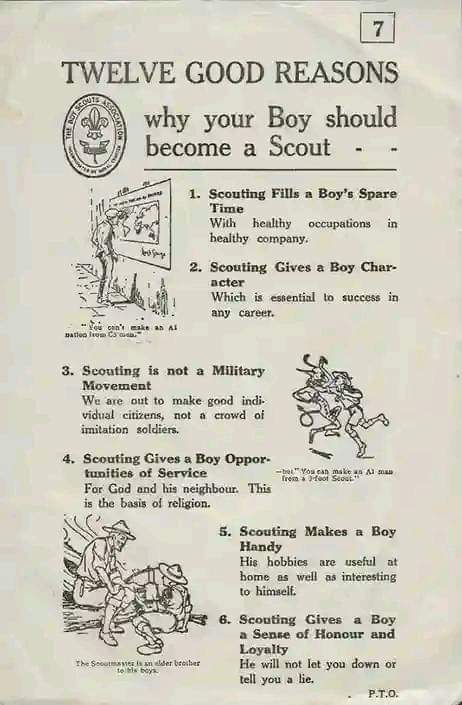
Enrolling your son in Scouting could be one of the best decision you’ll ever make. It’s an investment in his future that he will thank you for. I speak from personal experience, it was a transformative experience for me. It’s a decision my parents made that I’m truly grateful for
English


Can I get 100,000 Christians to say “Jesus is King” ?

English

🥳 Umunsi wo gutsindira impano yawe wageze 🙌
Vuga uko umukino w'u Rwanda na Benin uri burangire ube umwe muri 5 bari butsindire impano 🎁🛍
Predict the final score between Rwanda 🇷🇼 & Benin 🇧🇯 and win
Banza ukore kuri follow @TECNOMobileRW🥳
#RWABEN
#tweseinyumayamavubi

Filipino
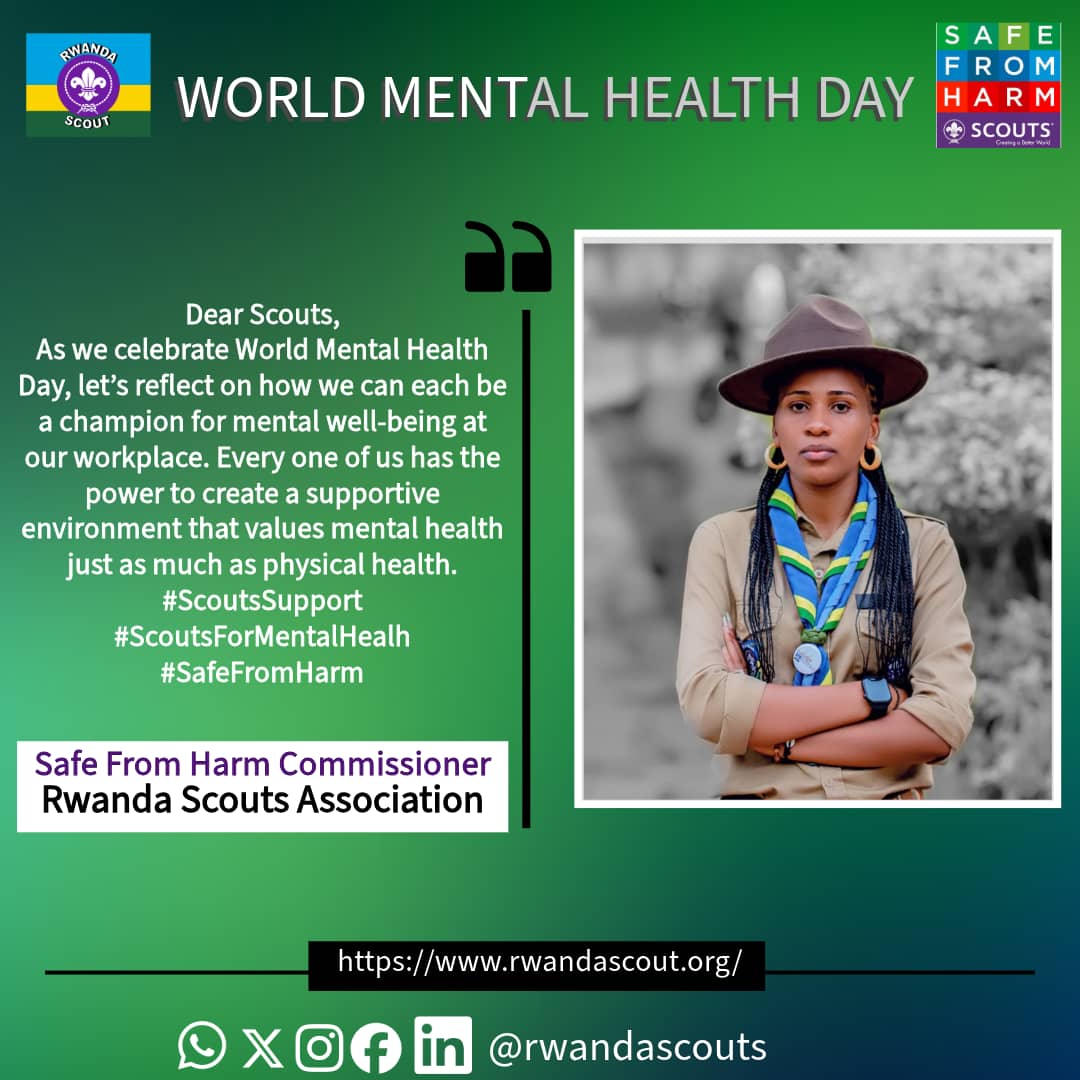
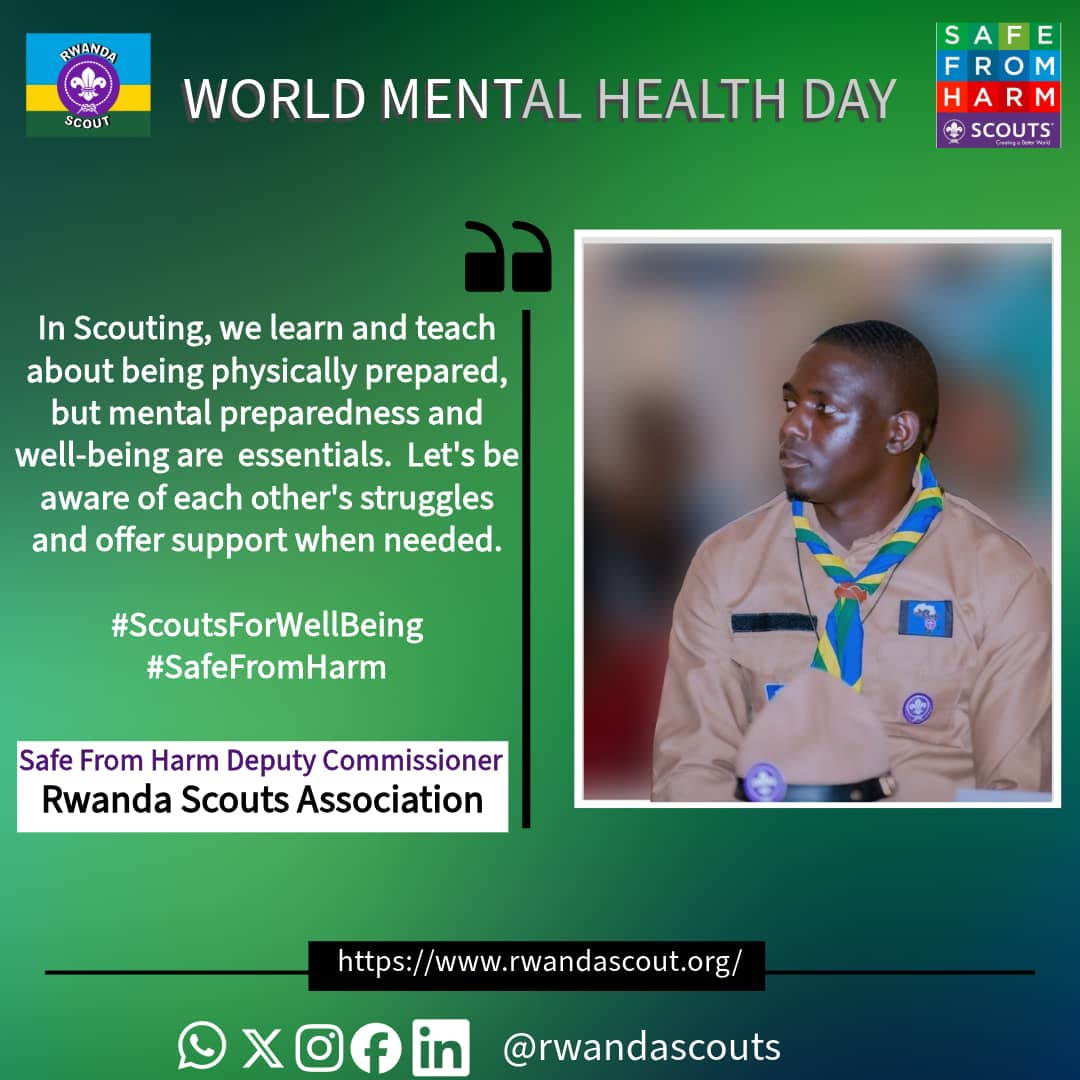
We must strive to assist those struggling with mental health issues, even with small acts of kindness. It is important to adapt our approach to each individual’s unique circumstances and to embrace their individuality. @RwandaScouts, @NiweMichelle
English
IEpag retweetledi