Sabitlenmiş Tweet
John
15.3K posts



@AStrasser116 @Iainbking I do think that’s a theoretically simpler way of thinking about it. My worry is that it moralizes too much of someone’s life (am I really blameworthy if I cheat on a diet or if someone binge watches too much TikTok etc).
English
@ErrorTheorist @Iainbking Do you not count as a morally relevant person? Morality may be primarily about others, but are you not a moral patient in addition to a moral agent?
I think it makes more sense to think all prudential reasons are also moral reasons, even if they are discounted bc otherscentered
English

@colligocritters @kattotrappo I could see that aligning with the paper but maybe the author could argue that someone engaging in that would not be blameworthy in the way someone deciding to get a tattoo would be (factors that remove moral responsibility in your example aren’t present in the tattoo decision).
English

@ErrorTheorist @kattotrappo I mean technically, and maybe thats too far, but that is the exact argument people have against selfharm - and as someone with visible scars, I think it kinda goes along the same lines of permanent change of your body that will influence the way you're viewed in the future
English
@Zennistrad That’s the main problem I see with the paper (and the paper responding points out). The author conflates prudential reasons not to harm myself in the future with moral reasons not to. Moral reasons are typically about duties towards third parties not duties towards yourself.
English

Regarding the content of the paper, I kinda just feel inclined to reject the classical liberal grounds that "in your interest" is not the same as "morally obligatory", though I'd have to read more to really have a full opinion
English
I unironically love philosophical papers that make robust, well-constructed arguments with conclusions that immediately sound absurd
Genuinely hilarious academic discipline. I kinda wish I studied it in college.
John@ErrorTheorist
Here’s a paper arguing that getting tattoos can be immoral. The author argues that altering your body in this way can violate duties you have to your future self.
English
@kattotrappo That issue isn’t explicitly covered in the paper but if I had to guess the author would argue that we have no moral duties to benefit our future selves in specific ways because the moral duties he’s discussing are prohibitions on causing harm.
English

@ErrorTheorist no yeah I get that, but what if later in life I end up holding that political belief so strongly that I wish I had it on my skin all those years? it obligates me in the other direction. the tattoo metaphor gets a bit strained at this point, but I hope i'm making some sense
English
@kattotrappo The author isn’t arguing that getting a tattoo is necessarily immoral. He’s arguing that there are some circumstances where it can be immoral. One example used is a political slogan tattoo someone later regrets when they stop holding that political belief.
English
@ErrorTheorist this feels like a self-defeating position. what if my future self does, in fact, want to have the tattoo?
English
@zanatta_tony @Iainbking I think you can blame your younger self for making bad decisions that affect you later in life but it would be a non-moral type of blame. Like saying “I was so stupid” when you make a mistake that you pay for later. If those decisions affected others in some way, then it’s moral.
English

@ErrorTheorist @Iainbking Does this mean I don't get to blame my younger self for being such an asshole and ignoring my current wishes?
If I could go back in time, I'd smack him upside his head. "Oh, that's so violent"...Yeah, but look at me. Look at what he's done. Can you really blame me?
English
@SpiralsATWD I think he tries avoiding those objections by sticking to things that would affect your future self irreversibly. I don’t know if I’d consider tattoos in that category, though. I guess it depends on the consequences of removal processes.
English

@ErrorTheorist Presumably you're also morally at fault for not getting a good night's rest, eating anything that gives you heartburn, or even going on a vacation if you come down with a cold while traveling. All impact your future self negatively.
English
@lufthiniano Yea it would apply to anything harming your future interests in irreversible ways I think.
English

@ErrorTheorist the same argument would then hold for eating too much or getting a sports injury, smoking, drinking alcohol, etc
English
@Gabbal1s @caryatis @Iainbking Im attracted to a fictionalist or maybe humean account of the self due to metaphysical difficulties with realist theories. I think even on a realist theory your duties to yourself can only be prudential because modern common sense morality takes duties to be about others.
English

@ErrorTheorist @caryatis @Iainbking But... What is your theory of 'self'? Why do you have no duty to your physical or temporal parts? Do you not experience yourself as a bunch of littler selves in a trenchcoat that follow the same game theoretic laws as external selves interacting?
English
@caryatis @Iainbking I don’t think so but others will definitely disagree. I think moral duties are directed at others (unless they’re imperfect duties but those also don’t seem self-directed).
English

@ErrorTheorist @Iainbking This is an interesting take. So it’s not possible to violate a moral duty to yourself?
English
@Iainbking I think the argument fails to move from prudence to morality. I might have prudential reasons not to do something based on my future interests but it’s tough to get moral reasons just from that. Morality seems to be about how my actions affect others, not only myself.
English

@ErrorTheorist Ought implies can: can we know what our future selves want? Also, morality isn’t quite the right term for this; it’s something else. Wisdom, perhaps.
English
Paper: academia.edu/41448884/On_th…
Response: philarchive.org/archive/CAMTBA…
Português
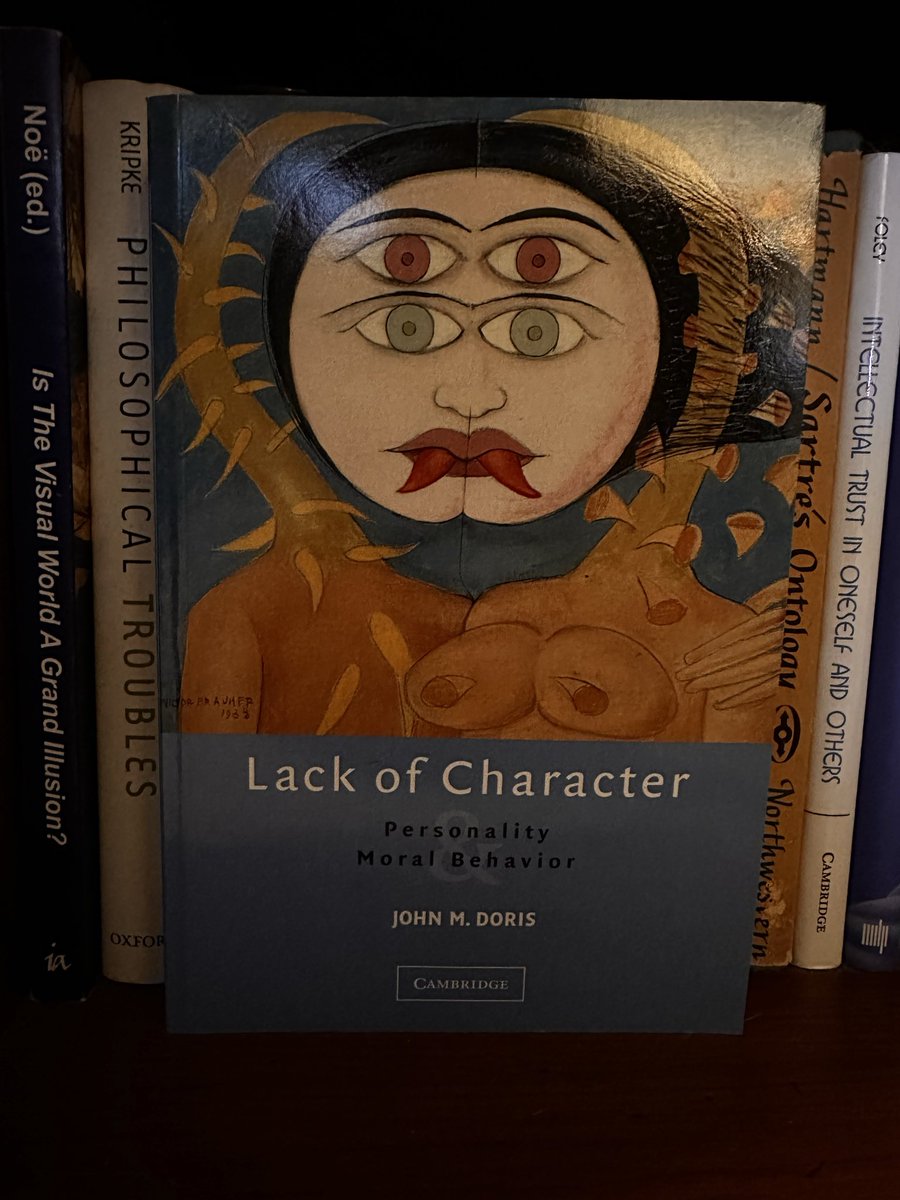
Here is a book arguing that stable character traits (like honesty or courage) play a much smaller role in explaining our behavior and moral capacities than we tend to think. The author argues that much of what we do is driven by situational factors rather than our character.
English
@DeivonDrago I think the two differences are that it’s ultimately act-based instead of rules based and legitimate ends are what justify specific actions vs a utility function for specific rule adoption

English

@ErrorTheorist It would be interesting to see how this is different from some form of rule consequentialism.
English

John retweetledi

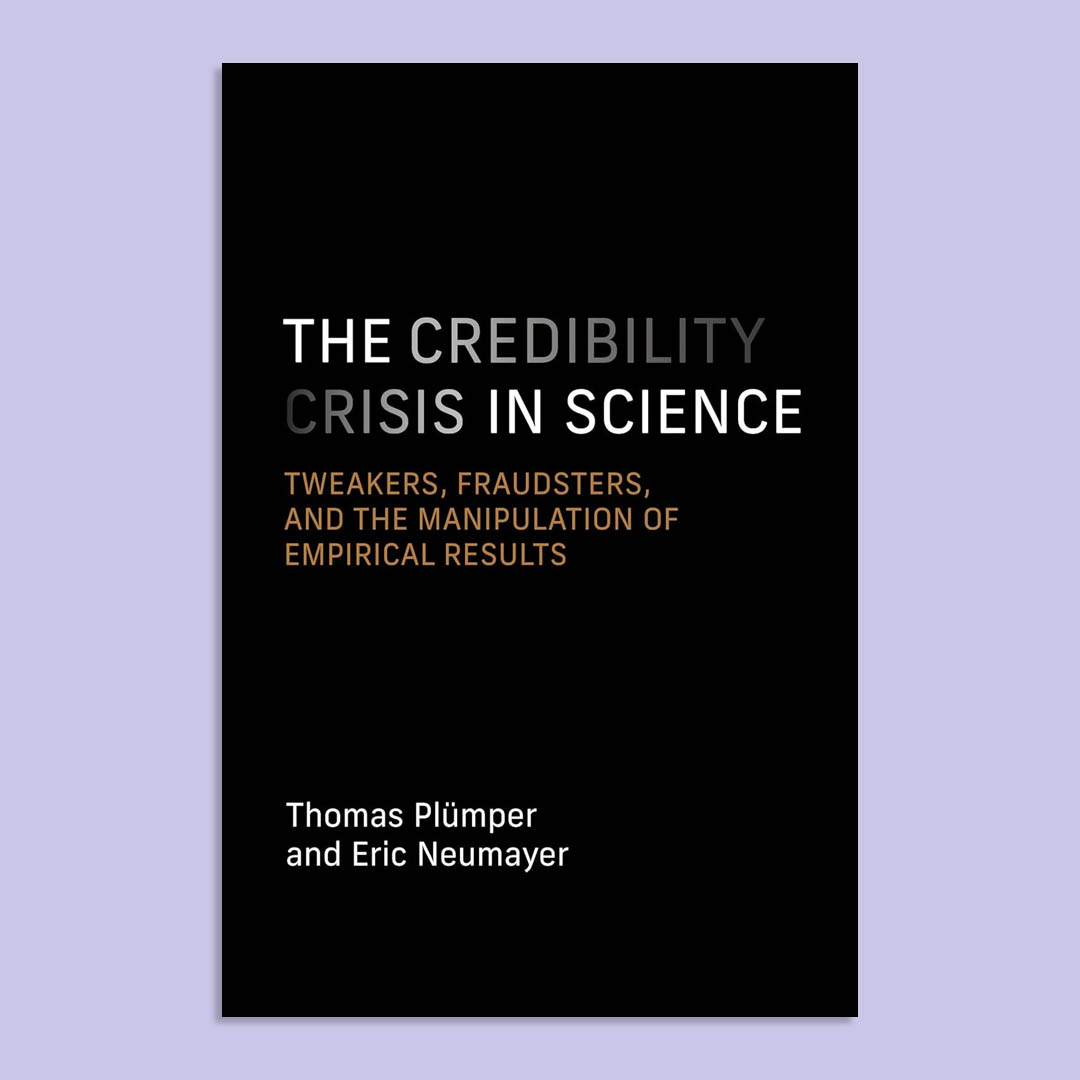
Out later this month: "The Credibility Crisis in Science” examines how undisclosed “tweaks” to research designs and model specifications constitute scientific fraud and undermine trust in science: mitpress.mit.edu/9780262051279/…
English

@lu_sichu The books argument isn’t that medicine is worse than no treatment. It’s that the evidential standards used to claim that many interventions work are weaker than we think. The conclusion is that medicine should adopt a higher evidential bar before claiming treatments are effective
English

Do they account for base rates? Like there are studies of medical malpractices or medical advice changing over time or studies being interpreted wrongly or just outright fraudulent scientific practices but my reading of this was that although this is costly and expensive and shouldn't exist it is far far better than not getting treatment
English