@carlosbravoreg Impecable como siempre estimado @carlosbravoreg
Español
FERNANDO HOYO OLIVER
1.8K posts

@FHOYO
Amante de la Vida, Diseñador de Sueños, Mexicano Comprometido, Amigo del que se deje.




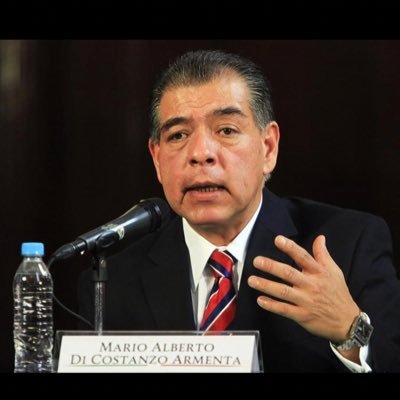

Hay datos que no informan: exhiben. El Banco Mundial acaba de poner a México frente a un espejo incómodo: casi la mitad de nuestras niñas y niños termina la primaria sin comprensión lectora mínima. No estamos hablando de un detalle académico. Estamos hablando de infancia que pasó años en la escuela, pero salió sin la herramienta más básica para entender el mundo. Ese 47% es una sentencia contra la simulación educativa. Porque México puede presumir matrícula, cobertura, libros, reformas, discursos y ceremonias; pero si un niño no comprende lo que lee, todo lo demás se vuelve escenografía. La escuela no puede reducirse a tener alumnos sentados en un salón. Educar es abrirles la cabeza, darles lenguaje, criterio, pensamiento, futuro. Mientras otros países discuten cómo recuperar aprendizajes, medir con seriedad y cerrar brechas desde los primeros años, México sigue atrapado en pleitos ideológicos, burocracia y propaganda. La pobreza de aprendizaje es brutal porque no se ve de inmediato: no hace ruido, no marcha, no rompe vidrios. Pero condena en silencio. data360.worldbank.org/en/digital



Houston led the nation in exports in 2025 with more than $177B in goods and commodities shipped globally. The latest Houston: The Economy at a Glance highlights record container traffic and continued international growth. ➡️Read report: ow.ly/rlvE50YZ8HX






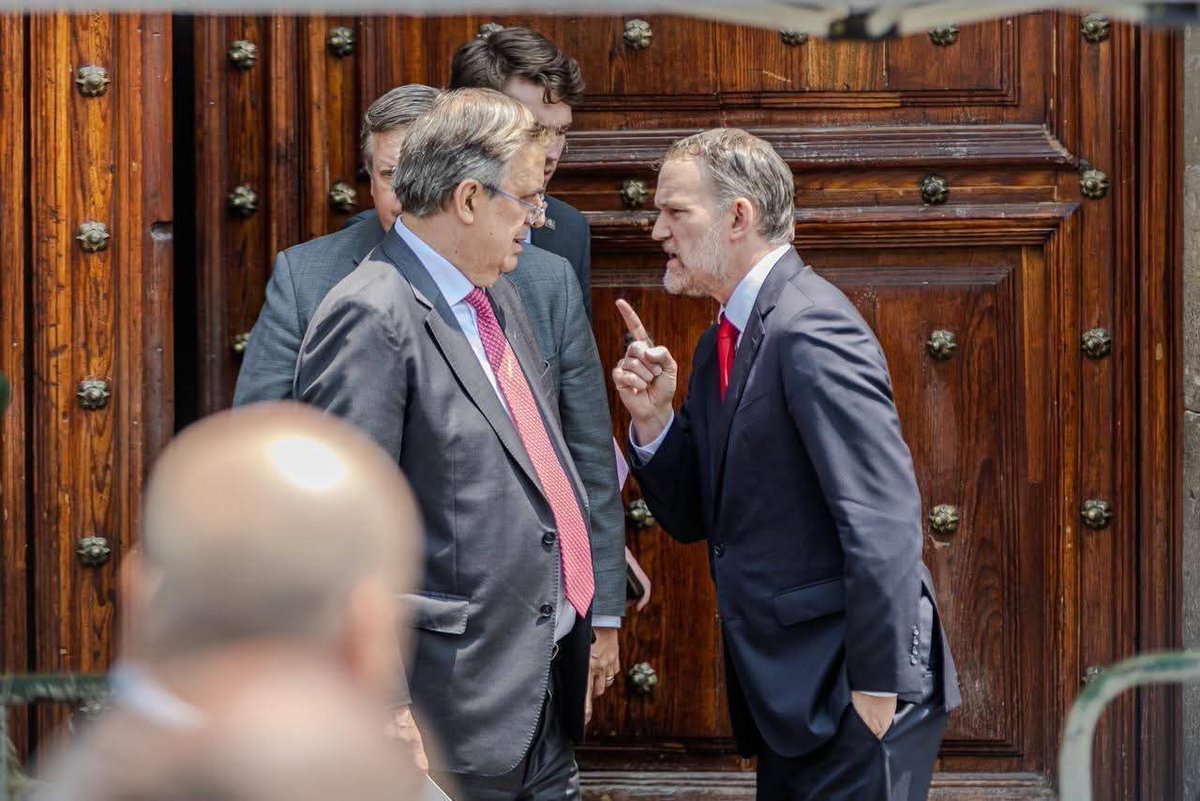
Marcelo Ebrard appears to operate under the assumption that rhetorical dexterity and academic fluency can substitute for structural compliance with the emerging North American strategic order. His posture suggests he believes Mexico can negotiate its way out of hard constraints through dialogue, as if the geopolitical environment were still anchored in the Barack Obama era, where engagement with mid-level United States Department of State officials could meaningfully shape outcomes. This approach reflects a fundamental misreading of the current balance of power. The present framework is transactional, enforcement-driven, and intolerant of ambiguity. Academic argumentation and legalistic positioning (rooted in the international law doctrines he absorbed during his time at El Colegio de México) are largely irrelevant in a context defined by supply-chain security, industrial policy, and geopolitical bloc discipline. While this style may resonate with segments of the domestic bourgeoisie and the Mexican technocratic class, it does not translate into effective global diplomacy or high-stakes dealmaking. The belief that intellectual sophistication alone can offset leverage asymmetries is a strategic liability. In that sense, Ebrard embodies a convergence of inflated and egotistical self-assessment and a belief in immunity from adverse outcomes, an especially dangerous combination at the state level. If this worldview genuinely constitutes the core of Mexico’s external strategy under the Claudia Sheinbaum administration, then the outlook is bleak. A foreign policy premised on misaligned assumptions, outdated mental models, and overconfidence in persuasion over power is structurally unfit for the current North American order and would leave the administration strategically exposed and ultimately unsustainable.