
FRKlein

6.3K posts

FRKlein

FRKlein

@FRKlein286126

Leaving the ECHR will allow the Tories/ Labour/ Reform to scrap the state pension.

Katılım Nisan 2024
358 Takip Edilen30 Takipçiler
FRKlein retweetledi
Zack Polanski
Zack Polanski@ZackPolanski·
I am pleased the Government has done another u turn. Attempting to cancel elections, on top of scrapping jury trials, mandatory ID cards, criminalising peaceful protest and harassment of journalists is part of a disturbing authoritarian trend of this caretaker Prime Minister.
BBC Breaking News@BBCBreaking

UK Prime Minister Keir Starmer abandons plan to delay 30 local council elections in England in May bbc.in/4seqGhd

English
247
899
4.9K
156.3K
FRKlein
FRKlein@FRKlein286126·
@sherindax How about not putting hot glue on your child's food? And how about not playing tricks on your children for social media?
English
0
0
0
2
FRKlein retweetledi
FRKlein retweetledi
Margaret Joseph
Margaret Joseph@MmarianneJoseph·
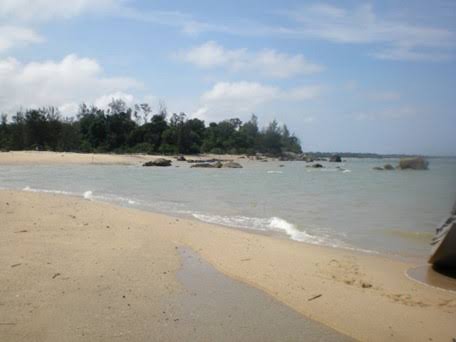
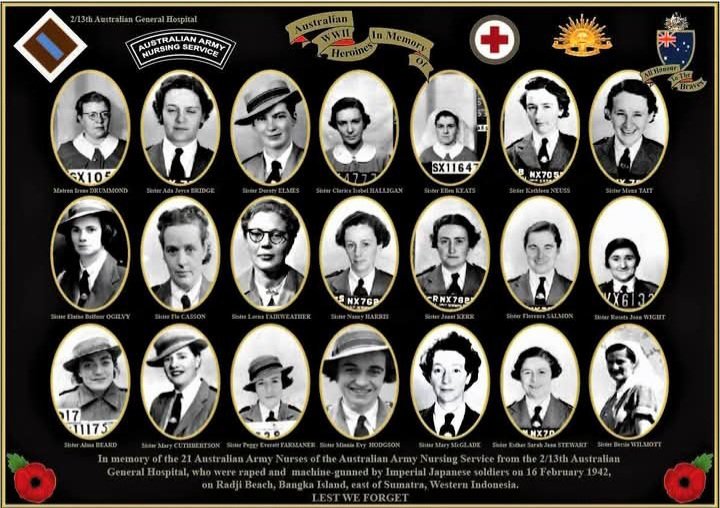
84 years today since 21 Australian nurses marched "chins up" into the sea on a quiet Sumatran beach and were murdered by Imperial Japanese forces. The nurses had earlier refused to flee and leave their patients. Amongst the most gallant of our Greatest Generation. Lest we forget.
Margaret Joseph tweet media
English

163
1.6K
10.5K
429.1K
FRKlein retweetledi
Costanza R.d'O.
Costanza R.d'O.@CostanzaRdO·
✨📚 Something very important to announce. My book, #YuzuruTheFlightOfTheSamurai, has been deemed of high cultural value, and the events surrounding it -- book launch and school tour -- have officially been included in the Cultural Olympics program of the Milano Cortina 2026 Olympics, running alongside the competitions. This is such great news! #YuzuruIlVoloDelSamurai #YuzuruHanyu #羽生結弦
Costanza R.d'O. tweet mediaCostanza R.d'O. tweet media
English
18
139
530
14.4K
FRKlein retweetledi
Mukhtar
Mukhtar@I_amMukhtar·
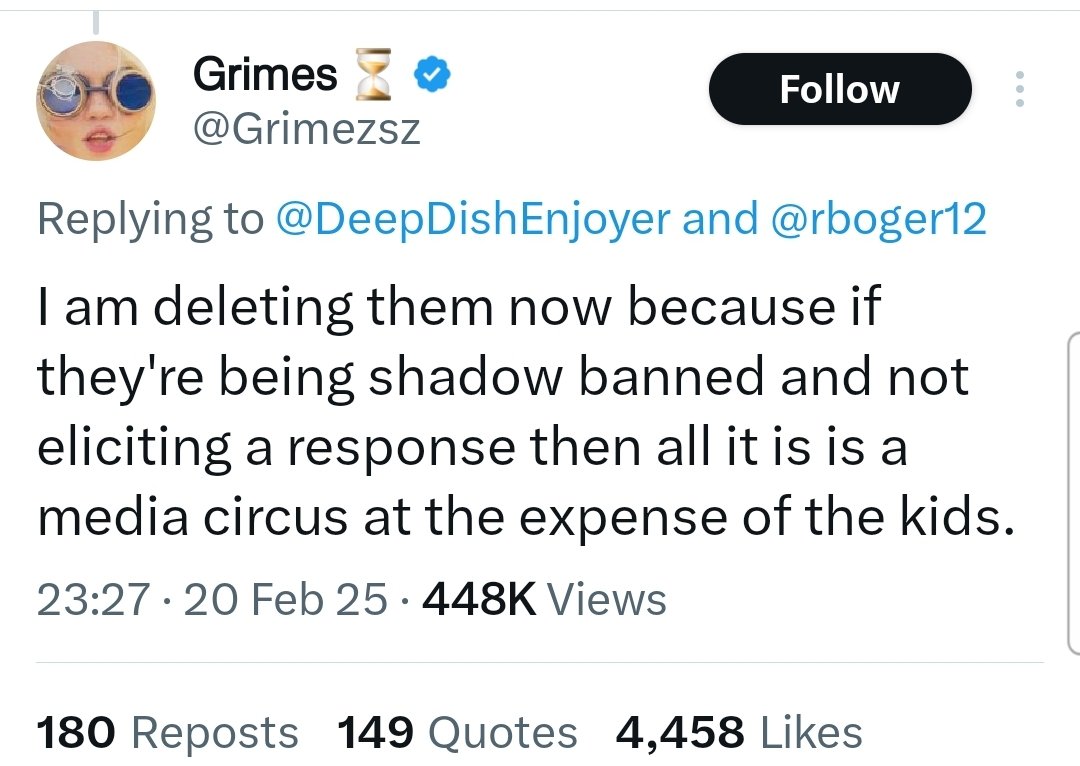
His child had a medical crisis, and his baby mum had to beg him on Twitter to pay attention. She deleted her tweets after he shadow banned her.
Mukhtar tweet mediaMukhtar tweet mediaMukhtar tweet mediaMukhtar tweet media
English
8
98
604
28.4K
FRKlein retweetledi
Historic Vids
Historic Vids@historyinmemes·
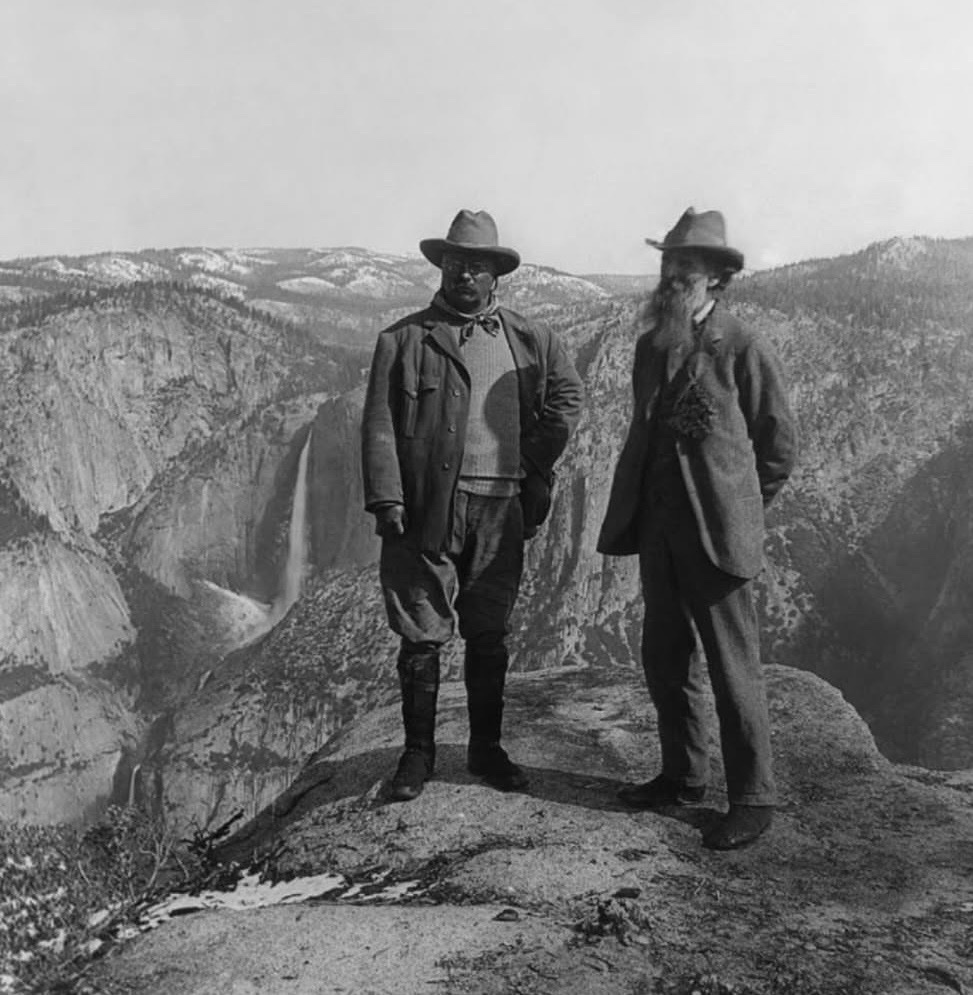
Theodore Roosevelt and John Muir at Yosemite photographed together in 1903.. In 1903, President Theodore Roosevelt spent three days camping in Yosemite National Park alongside naturalist John Muir, sleeping outdoors without tents or formal security. Muir intentionally led Roosevelt through Yosemite Valley, Glacier Point, and the Mariposa Grove to illustrate the impacts of logging, grazing, and private exploitation on America’s wildlands. The journey was meant to persuade, not merely symbolize, and Muir used it to argue for permanent federal protection of these landscapes. Roosevelt emerged from Yosemite profoundly influenced. As president, he became the most proactive conservationist in U.S. history, safeguarding around 230 million acres of public land. He created five national parks, 18 national monuments, 150 national forests, and strengthened federal authority to preserve natural areas for public enjoyment. This encounter is widely regarded as a turning point in American conservation, helping establish the national park system as a lasting cornerstone of U.S. policy rather than a temporary initiative.
Historic Vids tweet media
English
117
862
5.8K
159.3K
FRKlein retweetledi
CathyNotToday2 🌿
CathyNotToday2 🌿@Cathy2NotToday·
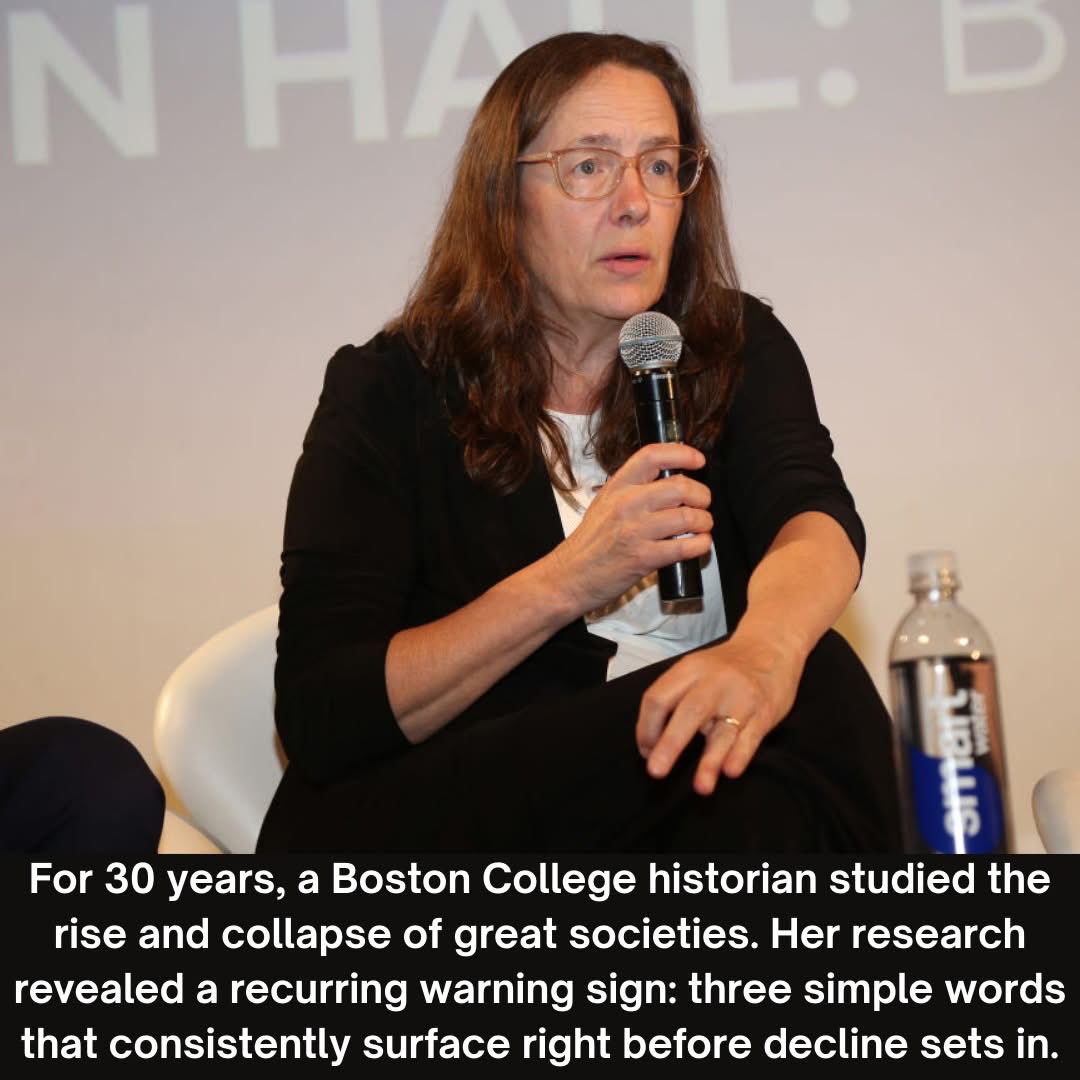
“For more than thirty years, a historian at Boston College has focused on a single question. How do strong, stable societies fall apart? Her name is Heather Cox Richardson. While most of us skim headlines and feel a vague sense of unease, she spends her time in archives. She reads private letters, local newspapers, speeches, and diaries. She looks for the small fractures that appear long before collapse becomes obvious. Across centuries of American history, she began to notice a pattern. In moments just before serious crisis, ordinary people often repeat the same quiet reassurance. Someone will fix it. It sounds harmless. Even reasonable. Picture a household in the late 1850s. A family sits at the kitchen table as political tensions rise. Newspaper language grows sharper. Conversations at church become strained. Neighbors who once chatted easily now avoid each other. Something feels unstable, but daily life goes on. There is work to do. Children to raise. Bills to pay. So they tell themselves what millions of others are also telling themselves. The leaders will handle it. The system is strong. This will pass. Within two years, the country would be at war with itself. More than 600,000 Americans would be dead. Looking back, the Civil War can seem inevitable. The timeline feels clear. The warning signs look obvious. But to the people living through it, nothing felt predetermined. They believed things would settle down because they always had before. Richardson argues that this mindset appears again and again in history. People sense tension. They recognize harsher rhetoric, weakening norms, growing division. Yet many choose reassurance over responsibility. They assume someone more powerful or more qualified will step in. By the time they realize no one is coming, the window to act has narrowed. Her work, however, is not about despair. It is about awareness and agency. History does not only document decline. It also records extraordinary change driven by ordinary people. The women who fought for the right to vote organized for more than seventy years. Many never lived to cast a ballot. The civil rights movement endured violence, imprisonment, and constant uncertainty. Success was never guaranteed. Those victories did not happen because the odds were favorable. They happened because enough people refused to believe the outcome was someone else’s responsibility. Richardson emphasizes a simple truth. Institutions are not separate from citizens. Democracies are not self repairing machines. They depend on participation and engagement. When people step back and assume stability is automatic, erosion begins quietly. Societies rarely collapse in one dramatic explosion. More often, they weaken gradually. Trust thins. Standards shift. Fatigue sets in. Small acts of disengagement accumulate until the damage is undeniable. Yet the future is not written in advance. Unlike those who lived through past crises, we have the benefit of hindsight. We can see where earlier generations hesitated. We can identify moments when different choices might have altered the outcome. That knowledge does not guarantee safety, but it gives us clarity. Inevitability applies only to what has already happened. The present is still open. Each era reaches moments that feel uncertain. The difference lies in whether people retreat into the comfort of someone will fix it, or recognize that the system depends on them. History is not a prophecy. It is a record. It shows how societies falter and how they endure. The real question is not whether change is possible. ✅✅The real question is whether enough people decide to take responsibility for it. From “The Vintage News”
CathyNotToday2 🌿 tweet media
English
28
633
1.5K
43.7K
FRKlein retweetledi
YFI 𝕏
YFI 𝕏@YFIHQ·
"A kids party magician? How good can he be?"
English
119
1.1K
23.9K
4.6M
FRKlein retweetledi
ODAY || 🇵🇸
ODAY || 🇵🇸@oday_jabour·
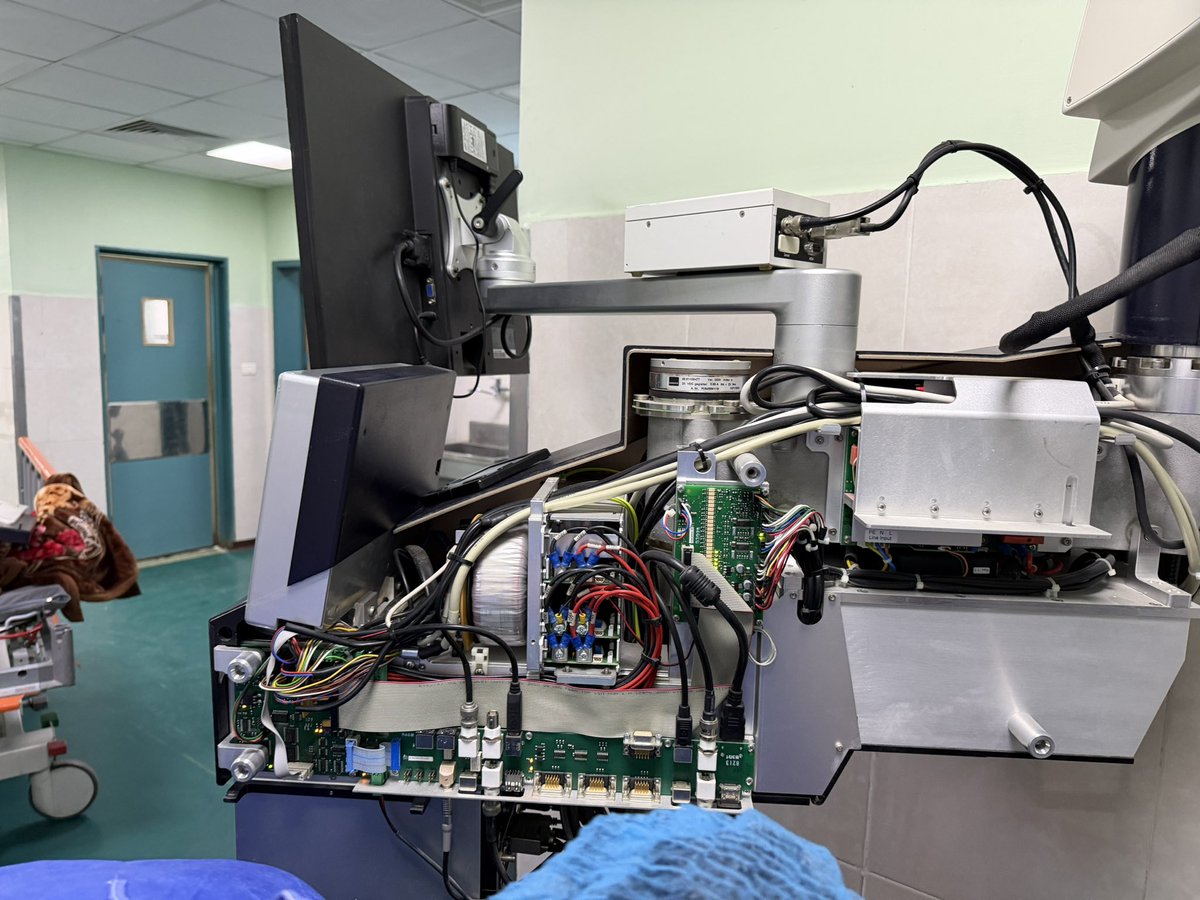
It was a different kind of achievement one I’m truly proud of. The surgical microscope for delicate operations is now back in service. It’s the only one of its kind in all of Gaza. Let’s celebrate this moment.
ODAY || 🇵🇸 tweet mediaODAY || 🇵🇸 tweet media
English
61
792
3.6K
35.7K
FRKlein retweetledi
William Dalrymple
William Dalrymple@DalrympleWill·
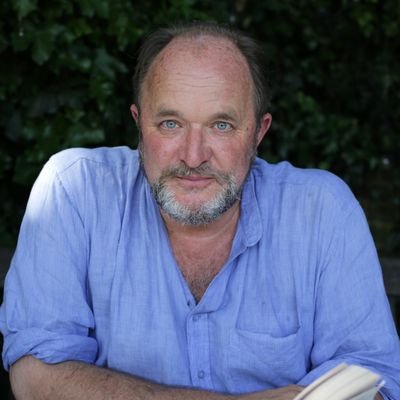
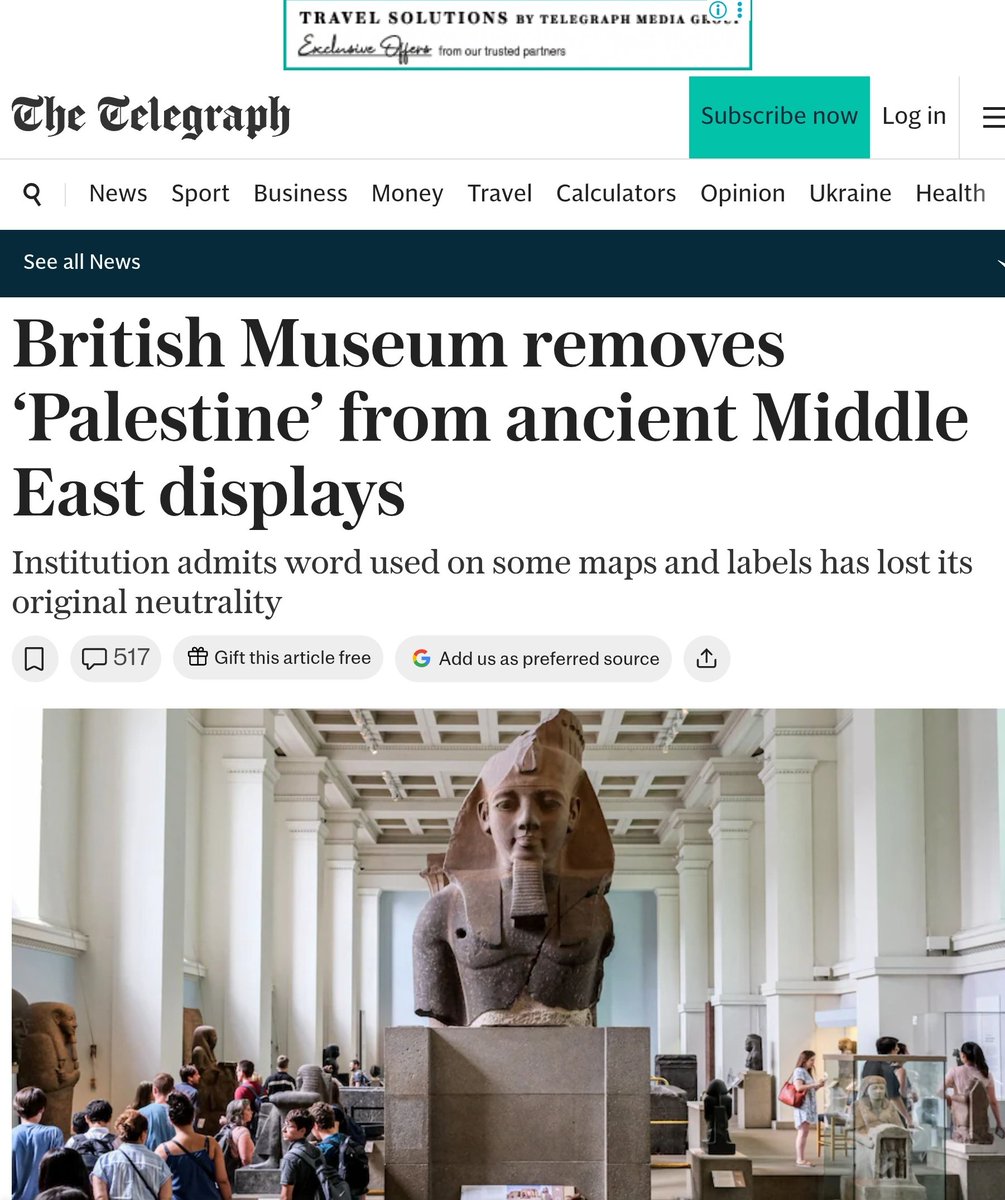
I've just been chatting with Nick Cullinan, the excellent new director of the British Museum, and I'm very relieved to say that the story put by the Daily Telegraph about the BM cancelling the name Palestine is a complete misrepresentation of the facts: "To reassure you we are not removing mention from Palestine from our labels," Nick told me. "Indeed, we have a display on at the moment about Palestine and Gaza. "I know this is something our curators have thought long and hard about - as you can imagine. We amended two panels in our ancient Levant gallery last year during a regular gallery refresh, when some wording was amended to reflect historical terms. "To be honest, the even more frustrating and concerning thing is that I knew nothing about this until yesterday and has only been explained to me this morning. I hadn’t even seen that [UK Lawyers for Israel] letter despite asking for it until this morning. I’m disgusted by the whole thing." The question remains why the Daily Telegraph would put out such a mischief-making story without first fact checking it with the Directors office.
William Dalrymple tweet media
English
193
1.5K
4K
283.8K
FRKlein retweetledi
BUCHANAN: Dublin Time Machine
BUCHANAN: Dublin Time Machine@RobLooseCannon·
The Church Street Disaster is one of the great forgotten tragedies that occured in the slums of Dublin in 1913. On the night of the 2nd of September tragedy struck. Two decrepit tenement houses, Numbers 66 and 67 Church Street, collapsed without warning, burying men, women, and children beneath tons of rubble. Seven people died, including three children. All the deaths occurred in No. 66. Among the dead was Hugh Sammon, a teenager who had already saved several family members before returning to rescue his four-year-old sister, Elizabeth. He never came back out. Around a hundred people were left homeless in an instant. Sadly the disaster was an inevitability. A month earlier, a Dangerous Buildings Inspector had declared the gaffs unsafe and ordered repairs. At the coroner’s inquest, the landlady was exonerated, and no definitive structural cause was recorded. But everyone knew what had killed those seven people. Neglect, poverty and government indifference to a city that had left its poor to rot in the ruins of its own Georgian grandeur. The disaster came at the height of the Dublin Lockout, when thousands of workers, led by Jim Larkin, were battling employers for the right to unionise. As police clashed with strikers on the streets, the rubble of Church Street became a silent monument to everything they were fighting against. Dublin in 1913 was, by every contemporary account, one of the worst-housed cities in Europe. The fine Georgian terraces built for merchants and MPs had, by the turn of the century, become rotting warrens of poverty. A third of Dublin’s population, around 20,000 families, lived in single-room tenements. It wasn’t unusual for eighty, or even more than a hundred people to share a single house built for one wealthy family. In Henrietta Street, one address recorded 104 residents in the 1911 census. The conditions were medieval. Most tenements had one outdoor tap and a shared water closet in a common yard, if it worked at all. Cooking was done over open fires in the same cramped rooms where whole families slept, ate, and often died. With no money for fuel, tenants tore up banisters, floorboards, and doors for firewood, literally burning their homes around them. The air of the city’s slums was heavy with the smell of damp, soot, and sewage. And with it came disease. Tuberculosis, the “Dublin disease,” cut through the population with terrible efficiency, feeding on the cold and the hunger. The city’s death rate was 22.3 per 1,000, among the highest in the United Kingdom, and infant mortality in the tenements was appallingly high. In some streets, one in four children died before their first birthday. The collapse of the Church Street tenements created public outrage led to the Dublin Housing Inquiry of 1914. The report called for sweeping reform, new housing, and state intervention on a scale never before attempted. Unfortunately within months, Europe was at war, so feck all was done and the slums remained for decades.
BUCHANAN: Dublin Time Machine tweet mediaBUCHANAN: Dublin Time Machine tweet mediaBUCHANAN: Dublin Time Machine tweet media
Dublin City, Ireland 🇮🇪 English
3
35
153
5.7K
FRKlein retweetledi
barney
barney@barneyxbt·
everyone seems to forget, in 1933 the us government literally made it illegal to own gold. just straight up told citizens to turn it in at $20 an ounce or face fines and jail time. they were broke and needed the reserves so they just took it then after they collected it all they revalued it to $35. robbed you at gunpoint and marked it up 75% the next day people act like government overreach is a new thing. they confiscated the hardest asset on the planet from their own citizens because the balance sheet was underwater. this isn’t even ancient history that’s less than 100 years ago. and somehow people still think keeping everything in a bank account under their name is safe.
English
321
3.9K
26.9K
818.2K
FRKlein retweetledi
FRKlein retweetledi
Australian Patriot.
Australian Patriot.@JimThom90458694·
“Chin up, girls, I’m proud of you, and I love you all.” These were the final words of Matron Irene Drummond on 16 February 1942, moments before 22 Australian nurses were marched into the sea and Japanese soldiers opened fire on them. This atrocity, known as the Bangka Island Massacre, followed the bombing of the SS Vyner Brooke. There were 65 nurses on board fleeing the Fall of Singapore, treating wounded servicemen and civilians when it was bombed. Many drowned at sea under aerial fire; the survivors who washed ashore were forced to surrender. Despite the horror, one nurse, Vivian Bullwinkel, miraculously survived to tell their story. Their bravery is currently being honoured in the stage production 21 Hearts: Vivian Bullwinkel and the Nurses of the Vyner Brooke. After seeing it in Canberra last year, we highly recommend catching it on its national tour. More information can be found here: rslaustralia.org/latest-news/21… Today, we honour the women who served others until the very end. Lest we forget.
Australian Patriot. tweet media
English
100
1.1K
4.4K
94.7K
FRKlein retweetledi
ShiannonCorcoran💉x4 @shiannonc.bsky.social
If you haven’t seen this Mad As Hell skit from 2022 about An*us Taylor.. it’s well worth a watch. A portent of things to come? 🥴
English
51
734
1.9K
115.7K
FRKlein retweetledi
BUCHANAN: Dublin Time Machine
BUCHANAN: Dublin Time Machine@RobLooseCannon·
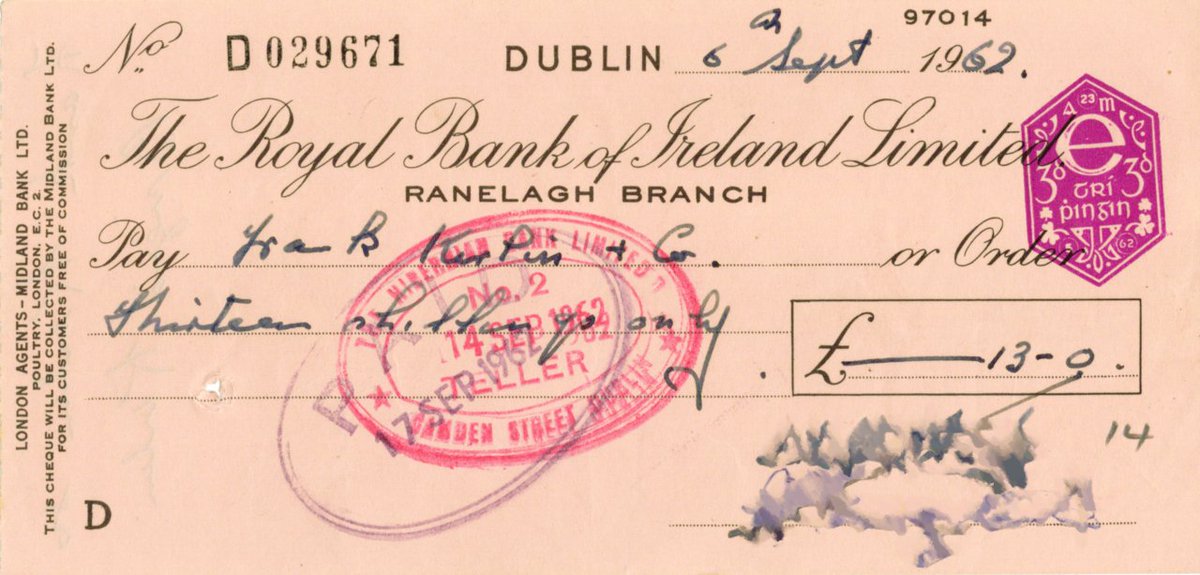
A crisis in the 1970s meant Irish pubs briefly replaced banks! In the summer of 1970, Ireland accidentally conducted an extraordinary social and economic experiment. For more than six months, between the 1st of May and the 17th of November, the major clearing banks of the Republic of Ireland closed their doors in a long-running dispute over pay and conditions. The result was a shitestorm, total paralysis of the formal financial system. Cheques couldnt be cashed, deposits couldnt be accessed, and about 60% of the nation’s savings were suddenly out of reach. Yet the Irish economy did not collapse. Instead, people turned to one of the oldest currency of all, a bar mans trust. With cash in short supply, cheques were king. Normally, a cheque was nothing more than a written instruction for a bank to pay out funds. But in 1970, with the banks shuttered, these other slips of magic paper began to circulate hand-to-hand. If you wrote a cheque for a fiver, the recipient might spend it in a shop, who in turn might pass it to a supplier, etc. Until hopefully the banks eventually reopened and the debt could be settled. This “Cheque Republic” (scarlet) functioned because Irish people of the time knew each other’s reputations. In a small town or a Dublin pub, knowing somebody was "good for it" was more important than where the cheque equated to tangible funds. This was still the glory days of the slate for gargle too. Regulars could cash cheques for pints or smokes or even messages they were selling. Publicans held on to cheques and passed them to suppliers, and acted as guarantors of credit. One contemporary estimate suggested that 11,000 pubs and 12,000 shops became de facto banks during the strike. Some "cheques" were scribbled promisey notes on cigarette packets, bookies slips and beer mats. The Central Bank of Ireland surprisingly noted that the economy “continued to function for a reasonably long period of time” without its main clearing banks. Now this did not mean it didnt wreck a lot of peoples lives. Things like property deals stalled and the credit risk rose. We were treading water. When the strike finally ended 6 months later in November, and the backlog of cheques was cleared in early 1971, most debts balanced out. The vast majority of those improvised notes, IOUs, and hand-to-hand cheques were honored. SOURCES Murphy, Antoin E. Money in an Economy Without Banks: The Case of Ireland. The Manchester School of Economic & Social Studies, Vol. 45, 1977. Central Bank of Ireland, Annual Report 1970 (archived): centralbank.ie Goodhart, Charles. The Evolution of Central Banks. MIT Press, 1988. Irish Times, “When cheques were currency: The bank strikes of the 1970s”: irishtimes.com/business/when-… BBC, “The Irish bank strike that turned pubs into banks”: bbc.com/news/business-… beervanablog.com/beervana/2017/…
BUCHANAN: Dublin Time Machine tweet media
Dublin City, Ireland 🇮🇪 English
31
266
1.1K
84.7K
FRKlein retweetledi
Alice Salisbury
Alice Salisbury@alicesalisburyj·
A couple of months ago my hubby, who’s bought a newspaper from this kiosk for decades, emailed a local newspaper to ask them to cover this story. Instead, they asked him to write it. He’s never written an article but gave it a go. Now the story’s everywhere. Quite proud of him
The Londoner@_TheLondoner

Yesterday, we went down to Brixton tube station for the last ever day of Brixton News, one of the capital's last specialist news stands. TfL are raising the rent on the unit Pritesh Patel and his brother run from £40,000 a year to £125,000 a year, something they cannot afford.

English
31
873
11.5K
312.9K