Fanwell Wandayi

868 posts

Fanwell Wandayi banner
Fanwell Wandayi

Fanwell Wandayi

@FanwellWandayi

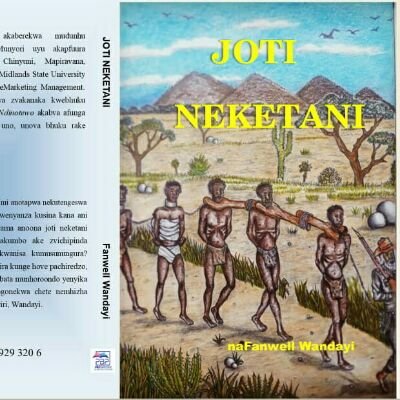
Nyanduri: The Crux, Joti neKetani (ZIMSEC Advanced level Literature in Shona set book, 2025-27, Advanced level Shona set book, 2026-2027), Ndaiti Ndinotewo 📚📖

Midlands, Zimbabwe Katılım Kasım 2012
569 Takip Edilen578 Takipçiler
Fanwell Wandayi
Fanwell Wandayi@FanwellWandayi·
@BaShonaBaShona Level ratasvika senyika pakureva nhema harichaiti. Zvinotibatsira papi senyika zvekuvhara-vhara zvinhu zvakashata?
Fanwell Wandayi tweet media
0
0
0
105
BaShona.
BaShona.@BaShonaBaShona·
A statement on the Incident of the Attack on China Zhuhe Mining's Gold Mine in Mutoko, Zimbabwe on October 9, 2025 At 00:33 on the early morning of October 9, 2025, several gangsters climbed over the courtyard wall of a Chinese-owned gold mine in Mutoko, Zimbabwe, in an attempt to commit a robbery. The on-duty Chinese engineer, holding a legally registered security firearm for mining operations (with valid certificates), fired several warning shots into the air to stop the criminal act. The gangsters immediately fled in all directions. At approximately 7:00 a.m. the same day, local workers on the early shift discovered a severely injured gangster about 1 kilometer away from the crime scene. They immediately reported the matter to Mr. Zilu, the local translator who served as the direct supervisor. Mr. Zilu (the translator) rushed to the scene promptly, and upon inquiring about the situation with the gangster, the latter stated that he had been injured during the robbery and abandoned there by his accomplices. Mr. Zilu immediately arranged to report the case to the police; unfortunately, the gangster had already died by the time the police arrived. While the police were on their way to the scene, some local villagers who were unaware of the truth saw the gangster’s body and mistakenly believed that Chinese employees had committed improper acts. They then besieged several innocent Chinese employees. Fortunately, the police arrived in time and quickly brought the situation under control. Currently, the local police have launched a comprehensive investigation. One accomplice of the deceased gangster is cooperating with the investigation and has confessed to the fact of his involvement in the robbery. The investigation into other suspects involved in the case is still ongoing. The Chinese engineer involved in the incident is actively cooperating with the police investigation and awaiting the @PoliceZimbabwe police’s final handling decision. @China_Amb_Zim @zim_china @HeraldZimbabwe @NewsDayZimbabwe @NewZimbabweCom @Bulawayo24News
English
72
4
10
37.3K
Tafi Mhaka
Tafi Mhaka@tafimhaka·
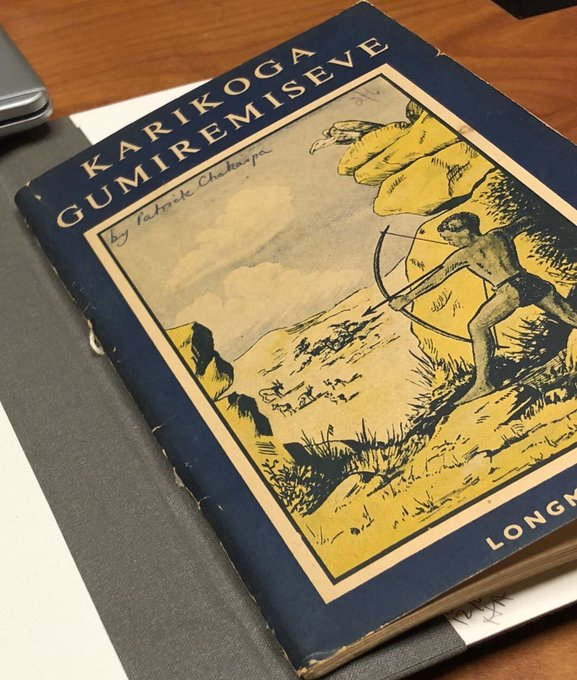
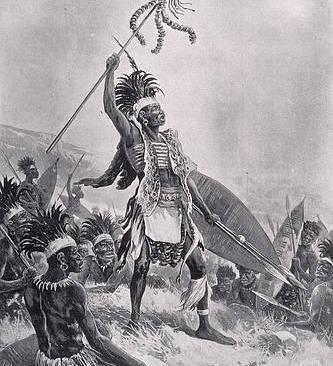
Shona writers often referred to the Ndebele with a derogatory term “madzviti” which could also mean “ngozi” or evil spirits. The Ndebele were presented as savages and brutal murderers in Shona literary writings. A good example of such writers is Patrick Chakaipa, a product of mission education and an ordained Roman Catholic priest. One of the paragraphs in Chapter 11 of Chakaipa’s novel Karikoga Gumiremiseve reads as follows when translated to English: It was the practice of the Ndebele people to fight the Zezuru [a Shona sub- ethnic group] and raid their grain, cattle and goats. Sometimes they raided their beautiful women and young men who became their slaves. Sometimes when they arrived at a homestead they burnt all huts, murdered all old and ugly women. They were feared such that when one warned, “The Ndebele are coming!” all Zezurus would run away and take refuge in caves in the mountains. When Zezurus harvested their grain they hid it in the caves, together with their goats. This is a typical example of the extent to which the Ndebele people were presented as barbaric by Shona literary writers. These writers instilled hateful feelings in the hearts of most Shona readers against the Ndebele. Ironically, the above novel by Chakaipa won the first fiction prize in 1956. The novel was said to be “enjoyed by school children.” Musiwaro Ndakaripa, “Ethnicity, narrative, and the 1980s violence in the Matabeleland and Midlands provinces of Zimbabwe.
Tafi Mhaka tweet media
English
29
17
32
7.1K
Gotovi waMuroro
Gotovi waMuroro@gilbert_ga94083·
@tafimhaka Ndebele raids are true. We should not sweep facts under the carpet. Our great grandfather was a toddler when his mother was snatched away - his name was Murozva. My grandfather showed me the Ningas (caves) in Daramombe Mt where they hid their cattle & goats.
Gotovi waMuroro tweet media
English
2
3
14
648
Fanwell Wandayi
Fanwell Wandayi@FanwellWandayi·
@darozvi Munenge magonesa apo. Nhoroondo ndiko kudya kwangu. Iniwo ndine historical novel randiri kubura next year rinobata mararamiro aiita vanhu vekwaChirumhanzu kareko
Filipino
1
0
2
283
Dhehwa
Dhehwa@darozvi·
Changamire Dombo - back in the day, my account waas well known for sharing researched Shona history and culture. I think I must come back to that. I know someone really loves that content and is missing it. So I will be back to full Shona History lessons. Watch this space...
Dhehwa tweet media
English
84
43
689
42.9K
Fanwell Wandayi
Fanwell Wandayi@FanwellWandayi·
@GameOverStation I am for authors who spice up their work with those uncommon but accurate scientific and or historical facts. I want to learn new things through fiction.
English
0
0
1
10
Fanwell Wandayi
Fanwell Wandayi@FanwellWandayi·
@StoryGrid Genre refers to the way or how your story is viewed by the reader. Without the reader's perspective there's no genre to talk about.
English
1
0
2
42
Tim Grahl | Writing Coach
Tim Grahl | Writing Coach@StoryGrid·
What does GENRE mean? What's the definition of that word? What does it mean for writers?
English
44
4
59
4.1K
James Woods
James Woods@RealJamesWoods·
Watching the man who divided America try to back pedal when his mob cheer against Charlie Kirk is rich. He and his leftist mob have painted themselves into a corner with a hate brush. Let them rot there.
English
8.7K
18.6K
97.8K
2.6M
Fanwell Wandayi retweetledi
Raisedon Baya
Raisedon Baya@RaisedonB·
300 repost is all we asking. If you believe in the importance of writers and books, please repost and even tag a book lover or writer you know.
Raisedon Baya tweet media
English
0
141
91
4.9K
Fanwell Wandayi retweetledi
Alexander Pennington
Alexander Pennington@Authoralexp·
Writers have two mindsets: 1) This is the greatest piece of literature ever conceived by a human mind 2) Do I even know the alphabet
English
31
78
472
11.7K
Fanwell Wandayi
Fanwell Wandayi@FanwellWandayi·
@the_nightnurse_ They can't describe something of Zimbabwean origin nonsensical and get away with it. From today onward I'll make sure the word features prominently in all my stories/novels
English
0
0
2
123
Karren Sakala
Karren Sakala@the_nightnurse_·
😂😂😂 I knew this wasn’t a word but my people😭
Karren Sakala tweet media
English
160
209
1.1K
100.7K
Karren Sakala
Karren Sakala@the_nightnurse_·
Ladies and gentlemen I present to you my weekend Read😌
Karren Sakala tweet media
English
94
60
750
70.3K
Fanwell Wandayi retweetledi
Morgan Wright 💎
Morgan Wright 💎@byMorganWright·
We really are just a little bit evil, aren’t we👀💀🤣??
Morgan Wright 💎 tweet media
English
40
33
346
7.9K
Fanwell Wandayi
Fanwell Wandayi@FanwellWandayi·
@chuwemugura @hatiperi_wacho Tattoos or minembo muChiKaranga yaiva zvimwe zvezvinhu zvaitevedzerwa uye kukosheswa patsika dzedu asi zvikazongopera nekuuya kweChiKristu muno munyika
Suomi
0
0
0
40
Tavada Chuwe
Tavada Chuwe@chuwemugura·
@hatiperi_wacho Tatoos depends nekuti wakazvarirwa kupi, used to think it's a mahure thing and vanhu vasina kukwana but kune dzimwe nyika dzekuti it's cultural and you can't judge pple because of tatoos, however in our country chokwadi ukaona anaro ane zvivindi.
English
2
0
3
1.2K
GGOAT
GGOAT@hatiperi_wacho·
Tattoo is number one on the list of things I will never do in this life ✋🏼.
English
54
27
489
48.3K
Fanwell Wandayi retweetledi
Tafi Mhaka
Tafi Mhaka@tafimhaka·
🧵 Who is Zimbabwe’s Greatest Writer? 1/ Dambudzo Marechera. The outlaw. The madman. The genius. House of Hunger ripped colonialism apart with rage and poetry. Poverty, violence, madness — alchemised into a howl that still shakes the world.
Tafi Mhaka tweet media
English
55
120
438
87.5K
Nicky Shearsby
Nicky Shearsby@Nickyshearsby22·
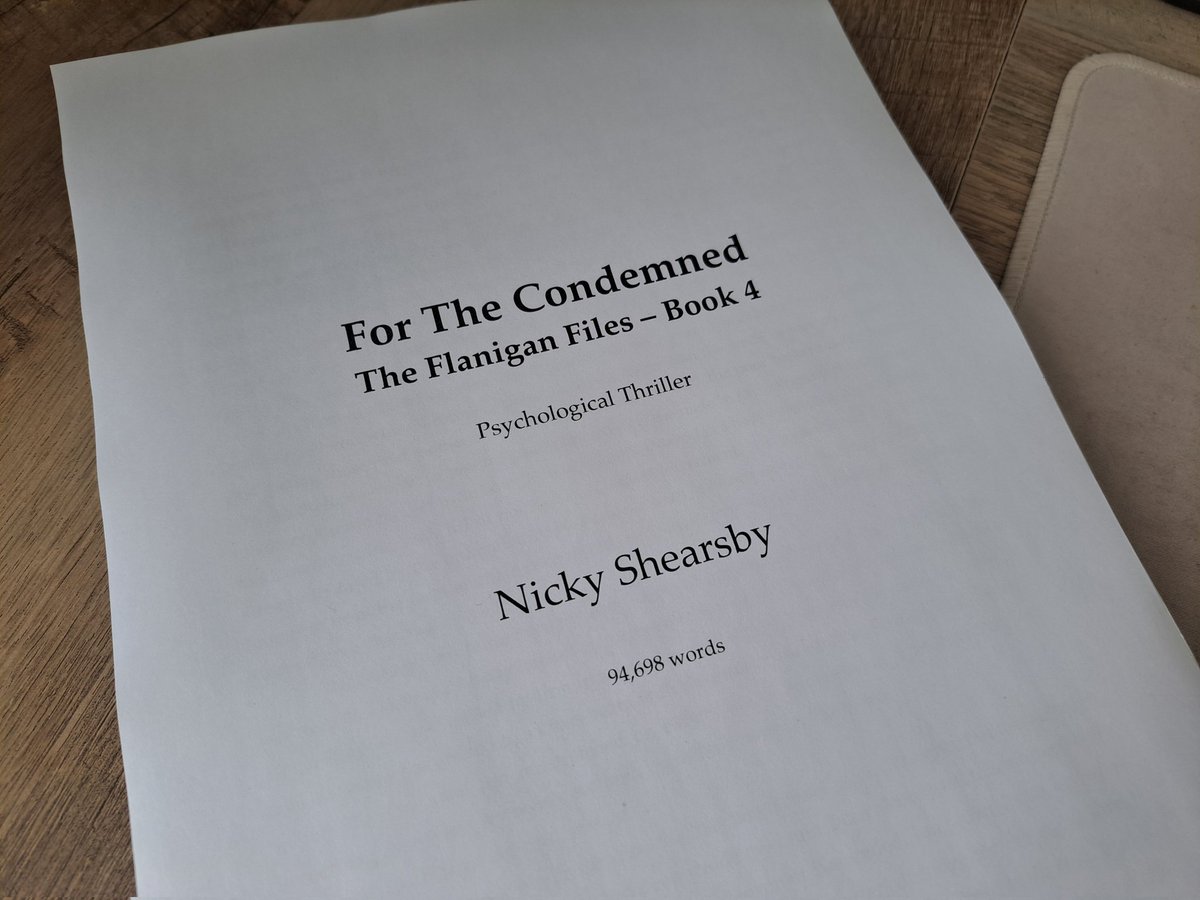
Another completed manuscript ready to send to my publishers in September. Book 4 in the Flanigan Files series 🥰
Nicky Shearsby tweet media
English
38
20
241
4.7K
Urban Farmette
Urban Farmette@SavannahSamas·
Hi Pettina, the idea of non-benign ancestors is a nuanced topic, and different African cultures have diverse ways of addressing it. First, it's important to understand that "African cosmology" is not a monolith. It encompasses a vast array of beliefs and practices across thousands of distinct ethnic and cultural groups. A key concept in many African belief systems is that not all who die automatically become revered ancestors. The transition to becoming a venerated ancestor is often a process that depends on several factors such as a life well-lived. A person is generally expected to hve lived a life of moral and social integrity to be considered a candidate for a revered ancestor. This includes having children to carry on the family line and being a respected member of the community. Those who lived lives of wickedness or caused significant harm to their community may be excluded from this veneration. 2) Proper burial rites; The living have a crucial role to play. Performing the correct funeral and burial rituals is essential to help the deceased transition peacefully to the spirit world. If these rites are not performed, the spirit may become a restless and potentially malevolent ghost, rather than a protective ancestor. In our Shona culture (kurova guva). 3) Ancestors are, in a sense, "made" by the living through acts of remembrance, libations, and other forms of veneration. So, what happens to the spirits of those who were evil in life? Agian in our culture, the most common approach is that such individuals are simply not venerated. They are not called upon, not remembered in rituals, and not considered part of the pantheon of benevolent ancestors who watch over the family. They can become malevolent spirits. In some traditions, the spirits of those who lived wicked lives or died in a "bad way" (e.g., suicide, murderers) can become wandering, malevolent ghosts that can bring harm to the living. These are not "ancestors" in the revered sense but rather dangerous spirits to be avoided or appease. In the case of someone being a murderer, there is no other way to appease that spirit but kuripa. Ngozi yemu musha menyu mudzimu kumusha kwake! 4) The concept of "forgotten" or "angry" ancestors: Sme traditions also account for ancestors who were not necessarily evil but have been forgotten or neglected by their descendants. These spirits can become "angry" and cause problems for the living, not out of inherent malevolence, but as a way of calling attention to their neglect. In essence, the expectation of protection and benevolence is not extended to *all* who have died. It is reserved for those who have earned it through their actions in life and who have been properly transitioned and are continuously venerated by their descendants. The system has a built-in way of filtering out the "unworthy" from the ranks of the revered!
English
17
15
86
5.1K
Petina Gappah
Petina Gappah@VascoDaGappah·
Question for those who may know: How does African cosmology address the idea that "the ancestors" may not be benign? What if they were, while living, rapists, murderers and thieves. Why expect them to "protect" the living when they were pretty nasty to the living when alive?
English
61
27
155
37K