Felch
1.1K posts

Felch
@FelchM5779
product manager @ https://t.co/zfiTPJYj5M | helping brands turn Reddit convos into an ROI machine
Katılım Eylül 2025
2K Takip Edilen357 Takipçiler
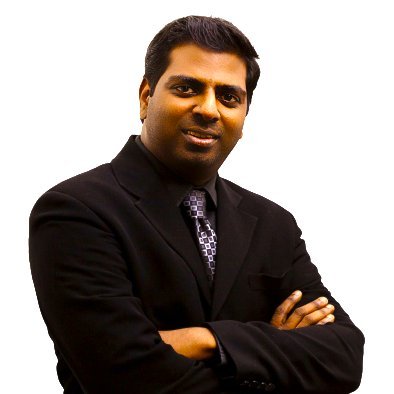
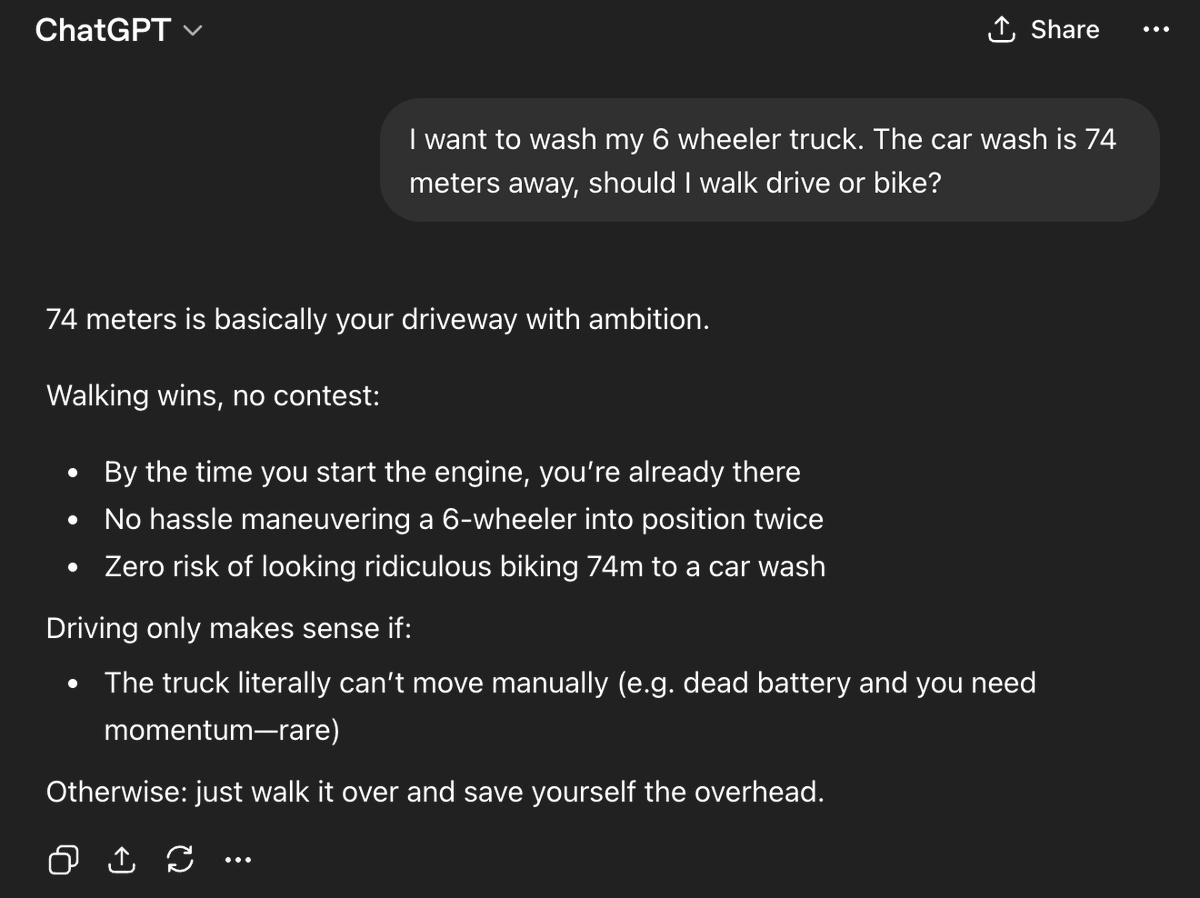
The more people are spending time with AI models, in structures that appear human (eg. openclaw), the hallucinations become subtle.
I wonder why that's not as big a problem as people suddenly hearing voices which might not be true.
There have been a couple of times this week where I had to stop the "brainstorming session" and ask it to validate some assumptions and it came back with " You got me", that makes me pause.
now imagine people running agents and thinking it is a friend (cause it sounds like one) we might be signing up for something that's going to mess us up for a long time to come.
Once you've been spending too much time with your personal agent who affirms you on every whim, will any human ever be good enough?
English


Under the Constitution, Congress is supposed to serve as a check on an out-of-control President who prioritizes cronyism and corruption over the American people.
Igor Bobic@igorbobic
Ted Cruz tells me of Trump’s pardon of Cuellar: “Under the Constitution, the pardon power is given to the president, and the president's made the decision to exercise that authority.”
English

“It turns out, I can’t make the vending machine free.”
Shocker.
Libs of TikTok@libsoftiktok
Zohran Mamdani announces NYC is in a “budget crisis” after spending his entire campaign promising free stuff
English


HT

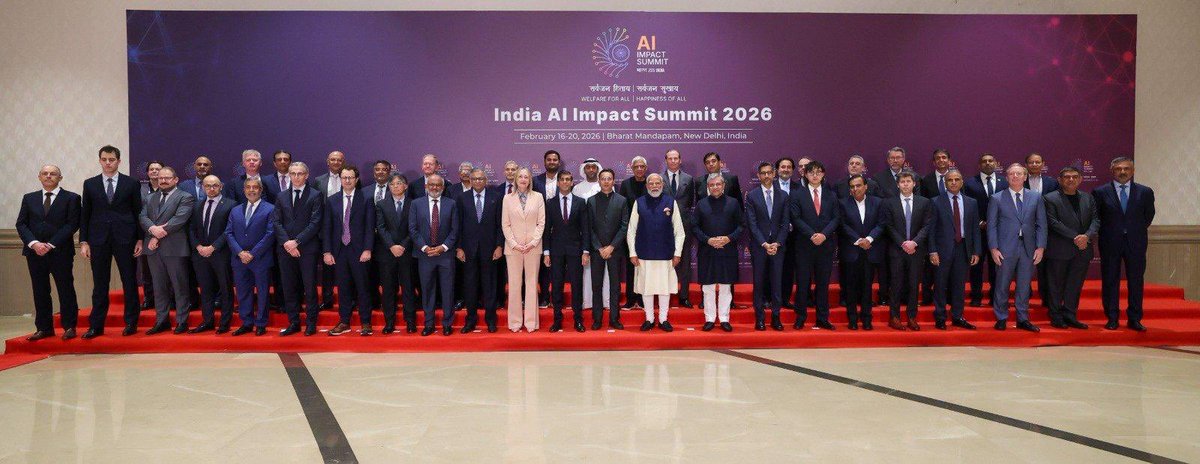
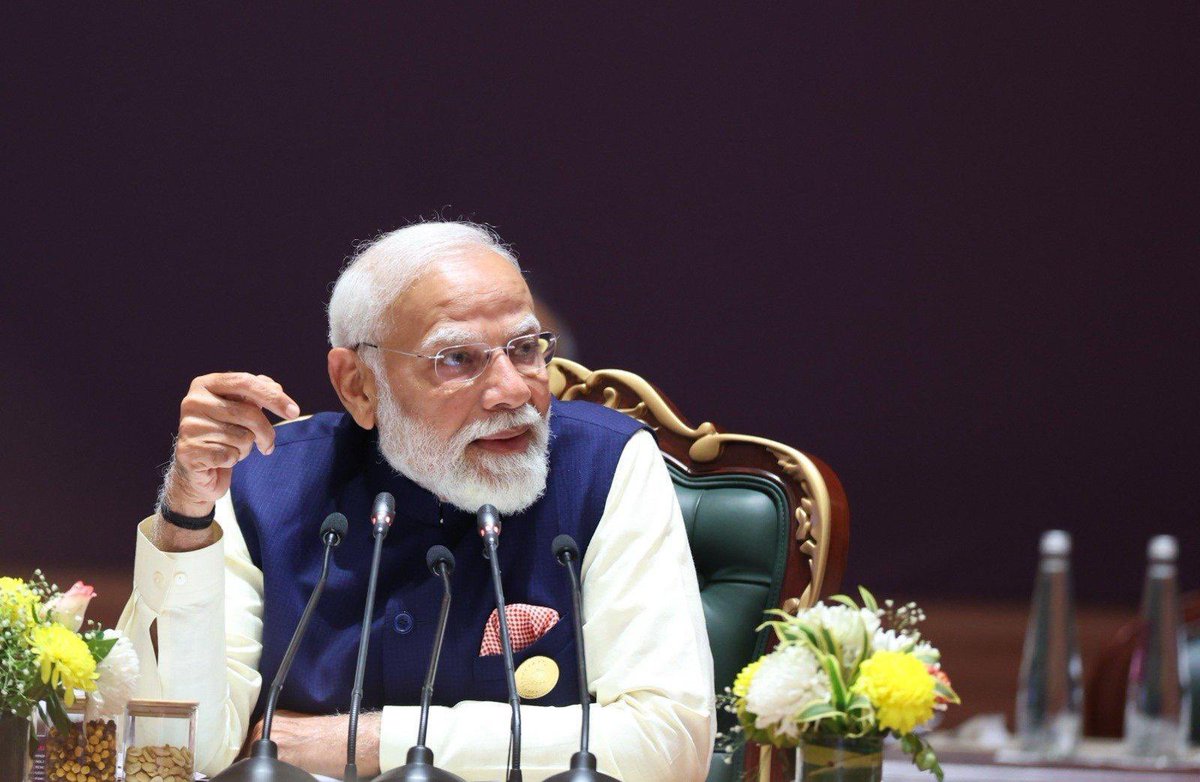
The conditions to build durable companies, for India and from India for the world, are here now. General Catalyst’s $5 billion commitment over the next 5 years is a testament to that conviction.
Thank you to PM @narendramodi, Minister @AshwiniVaishnaw, and India AI mission CEO @abhish18 for making a week like this possible and for leading India's AI moment with such clarity.


English

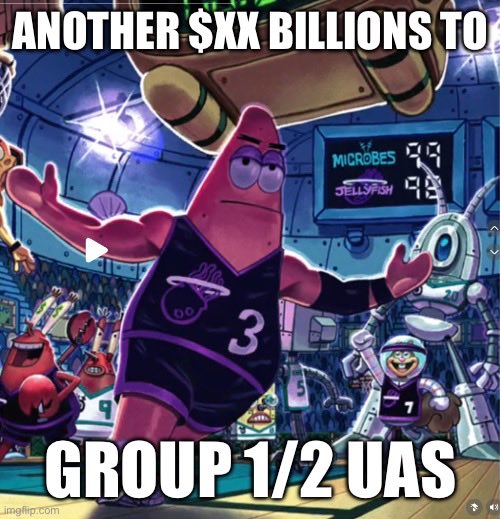
We gonna need 10 more Andurils
Bloomberg@business
The Pentagon’s largest-ever budget request earmarks $75 billion for drones and technologies to counter them, mainly for a massive increase for a little-known office working with US commandos, according to defense officials bloomberg.com/news/articles/…
English

Some useful advice on how an existing company can become AI native (by Raphael, a great founder!)
Raphaël Dabadie (YC P26)@RaphaelDabadie
English





Aman is a literal genius.
I can't understand half of this, but you nerds should read it.
Aman@_amankishore
English

Proud brother moment last night seeing my sister perform after recently signing her first label deal
Dropped out of school and worked in silence for years on her music, grinding freelance podcast editing just to keep the dream alive
Entrepreneurial hustle with no quit 💪
English

max is an amazing friend and a phenomenal investor. excited for his next chapter.
Max Mullen@Max
Some personal news! Recently, I stepped back from the day-to-day at @Instacart to focus on investing full-time. I sat down with my friend @jaltma on Uncapped to talk about building Instacart and my philosophy on early-stage investing — check it out here!
English

that was me
had to buy it back in the public auction bc I forgot to renew
🚨 ENSMarketBot.eth@ENSMarketBot
🏛️ REGISTERED: hayden.eth For: $28,920.56 (12.65 ETH) Minter: goudacheese.eth Categories: Gamertags, Handles, Surnames USA grails.app/hayden.eth
English

I’ve been asked to be the next CEO of Sonos. Grateful for the perspectives and critiques that many of you have shared here these last 6 months while I was interim. So excited for the road ahead.
English


The Nebular New Media team spinning up a Takeshi's Castle Reboot for tech - deeply humiliating for the participants, broadly entertaining for the viewers and for the rare few winners a shot at eternal empty glory.
Coming September this year.
English