
Jackie
9.5K posts


@Rangers_Spares_ @BigStu266 @ScotlandSky Expand the league and cancel the split


🍀 "I heard some conspiracy theories... we have the same number of home games and away games for a start..." Celtic boss Martin O'Neill on the post-split fixtures and title run-in ⤵️

“Follow Orders—Face Trial”: Britain’s New Deal for Its Soldiers There was a time when the contract between a nation and its soldiers was simple: serve, follow orders, and the state stands behind you. That contract, it seems, has been quietly revised. Now it reads: serve, follow orders—and perhaps revisit them in court half a century later. Justice, Rebranded as Retrospection Three former soldiers are due in a Belfast court over actions taken in 1972. Not for going rogue. Not for disobeying orders. But, rather remarkably, for acting within them. The distinction, we are told, no longer matters. History is now a courtroom, and hindsight the most reliable witness. The State vs. Its Own Decisions Here lies the elegant contradiction. The same government that deployed these men, authorised their missions, and relied on their judgment is now funding the legal process pursuing them. Taxpayer money, one might note, is working both sides of the argument—first to send soldiers into conflict, and now to question why they behaved as instructed. This is presented as justice. Others might call it something closer to institutional amnesia. The One-Sided Ledger The imbalance is difficult to ignore. Many former paramilitaries benefited from political settlements, early releases, or—conveniently—missing evidence. Soldiers, by contrast, kept records, gave statements, and remained traceable. And so, decades later, only one group is readily available for scrutiny. Not necessarily because they were more guilty. Simply because they are easier to find. The Process as Punishment Even when courts dismiss claims as unrealistic or detached from operational reality, the machinery does not stop. Cases return. Appeals follow. Legal aid sustains the cycle. The verdict, increasingly, is beside the point. The process itself does the work. A Quiet Consequence Unsurprisingly, those currently serving are paying attention. When soldiers begin to wonder whether today’s orders become tomorrow’s prosecution, something fundamental shifts. Not loudly. Not immediately. But decisively. Conclusion: A Contract Broken in Slow Motion Sir Keir Starmer has expressed confidence that there will be no vexatious prosecutions. Three soldiers will stand in court shortly. Confidence, it appears, travels well in speeches—but less so into courtrooms. A serious country asks its soldiers to act under pressure, in uncertainty, and in danger. A serious country also stands by them when it is over. If that second part disappears, the first becomes rather harder to ask.







🚨 BREAKING: @Gardainfo Commissioner Justin Kelly has now declared an “exceptional event” to deal with the fuel protests. That is a rare move.


Fully expect to be divorced by the end of this journey. Currently somewhere near Thurles

THEY SAID THAT MAN MUST DIE Remembering Óglach Colum Marks, Downpatrick A.S.U, South Down Command, Óglaigh na hÉireann who died for Ireland in a shoot-to-kill operation #OTD 1991. Colum, aged 29 from Kilkeel and later Derrybeg Estate, Newry was an extremely active Volunteer.

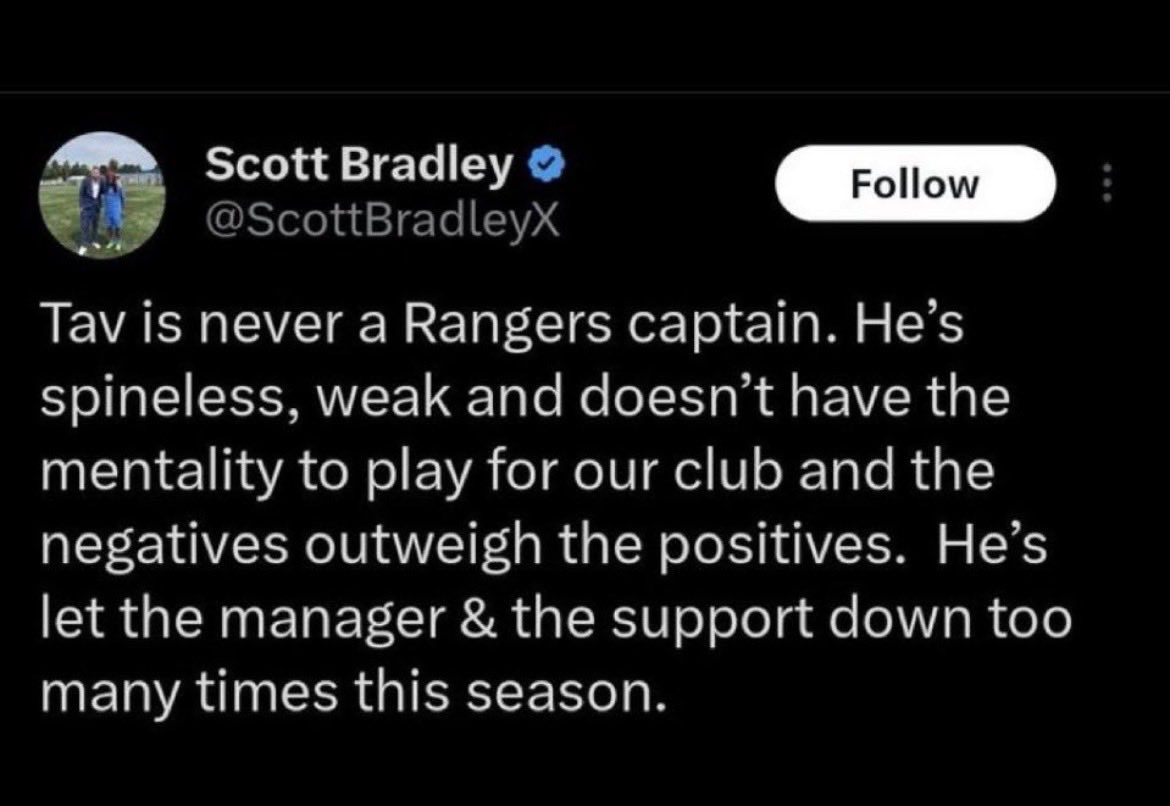

‘After everything he’s been through, Rangers need to go and win the Premiership for the legend that is James Henry Tavernier.’ @ScottBradleyX writes in his column that no one deserves to win the Scottish Premiership more than James Tavernier ✍️🔵 snnsports.co.uk/no-one-deserve…
