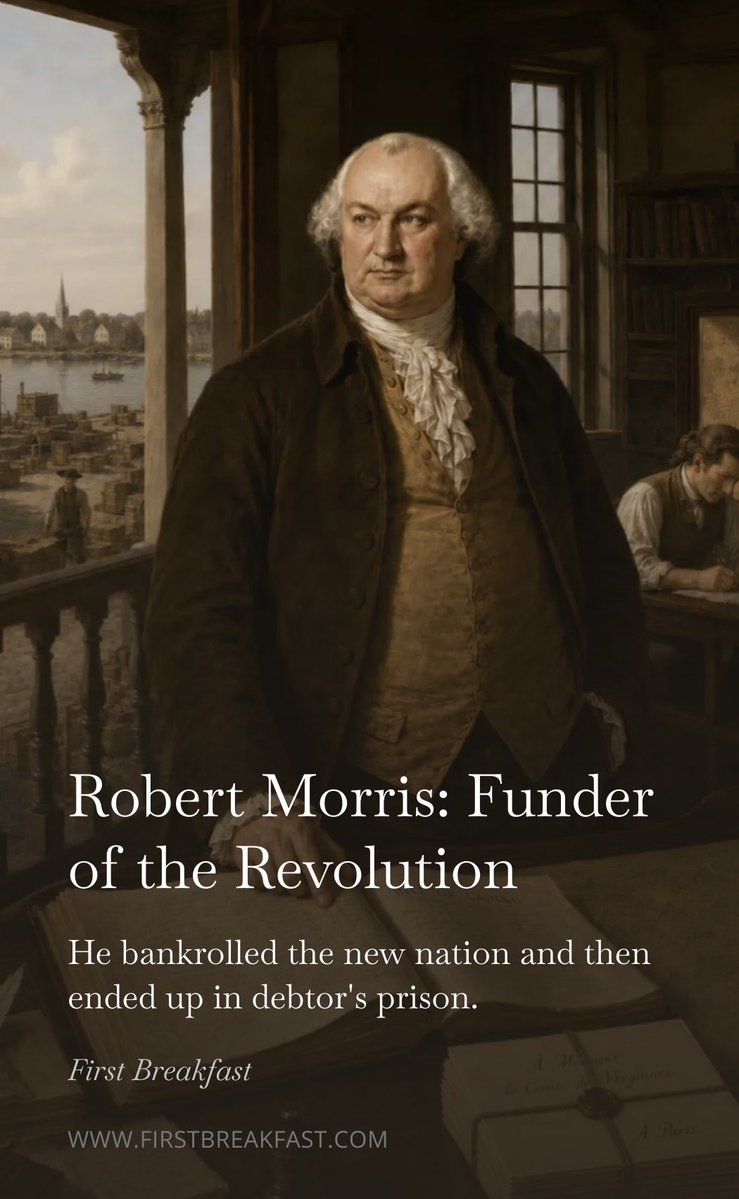
Read Daryl Wieland's full article on our website:
Fill the Magazine. Fund the Beam.
firstbreakfast.com/p/fill-the-mag…
English
First Breakfast
343 posts
@FirstBreakfast
Mobilizing for tomorrow, today.







🇺🇸🇨🇳 MASSIVE: The military advantage that made America a global superpower is facing its biggest challenge yet. For decades, the United States' fleet of 222 C-17 Globemaster III strategic airlifters has been the backbone of American global power, moving troops, tanks, missiles, and supplies to virtually any corner of the planet within hours. Now Beijing is building its answer. China has already fielded more than 100 Y-20 strategic airlifters, and production is continuing at full speed. New footage showing dozens of Y-20s in active service is another reminder that China is investing heavily in the logistics needed to project military power far beyond its borders. The U.S. still holds the lead. But there's one crucial difference: America's C-17 production ended years ago. China's Y-20 production is accelerating. Wars aren't won by fighters alone, they're won by the ability to move an entire military across continents. China isn't just building transport aircraft. It's building the foundation of a global superpower. 👀
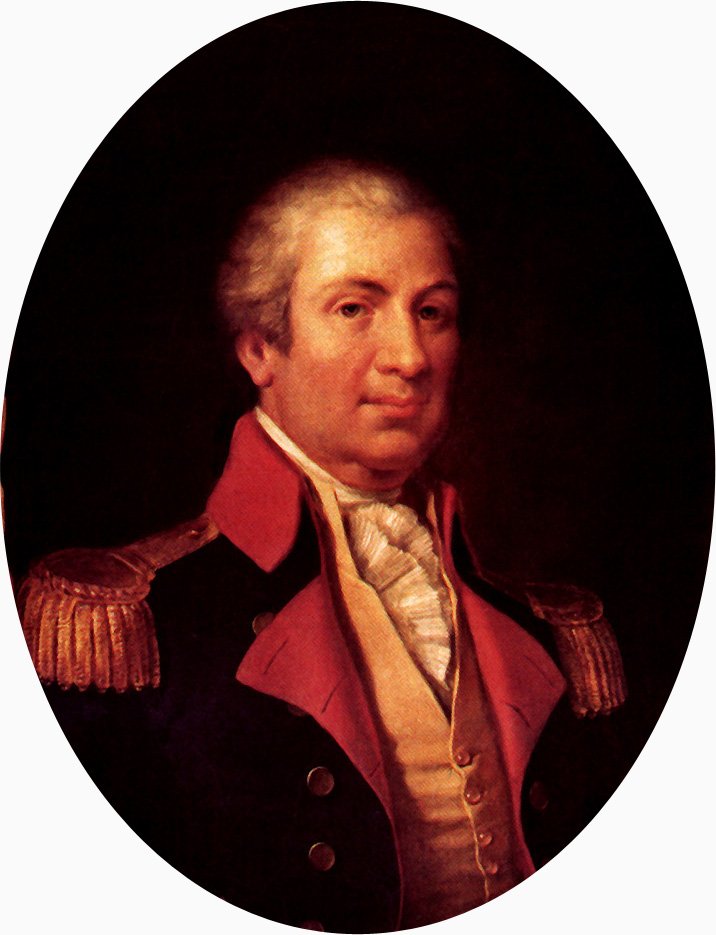
HEROES OF THE AMERICAN REVOLUTION The Patriots who gathered outside Boston to fight the British in 1775 had no standard flag, uniforms, equipment, or arms. They had little artillery. They had barely enough powder to fire their weapons, much less to dislodge the Redcoats. When George Washington first heard of the shortage of powder, he was so stunned he did not speak for half an hour. The British called the Patriots "the rabble in arms." A peasant revolt that wouldn't survive its first winter. It took leadership and incredible feats of logistics to arm the Patriot force and turn it into an army. In particular, it took a 26-year-old Boston bookseller turned artillery commander named Henry Knox. Call him the Cannon of the Revolution. Henry Knox was abandoned by his father at nine. He left school and went to work in a Boston bookshop where he devoured everything on politics and military science. He married theory with action, joining a local artillery company and learning how ordinary citizens could become competent soldiers. Then he entered the arena of politics, befriending the Sons of Liberty, witnessing the Boston Massacre, boycotting British goods, and stoking the flame of rebellion. When war came, Knox fled Boston in disguise, abandoning his bookstore and his chances for a normal life. Washington spotted his talent immediately and gave him command of the army's artillery. The catch? There was no artillery. Knox would have to bring the bang himself. His chance: 300 miles away at Fort Ticonderoga, dozens of captured cannons sat ready for use. Everyone said moving 60 tons of artillery through mountains and frozen rivers in winter was impossible. Knox did it anyway. It took struggle and sweat. Eight days hard rowing down a half-frozen lake. 42 sleds. 80 yoke of oxen. A cannon lost through the ice (recovered after a full day). A brutal blizzard. But the convoy creeped along. Three months later, Knox’s "noble train of artillery" arrived in Boston. Washington used those guns to seize and arm the heights surrounding Boston in an overnight coup. The British woke to a fortress aimed at their fleet and evacuated the city. The Siege of Boston ended in a near-bloodless victory that saved a crumbling army. Knox’s “noble train” had turned into a strategic advantage for the Patriots. But Knox's real genius was building. He understood a hard truth: if America couldn't make its own weapons, the Glorious Cause was at the mercy of others. "Let us for a moment suppose a misfortune happen to the field Artillery we have," he warned John Adams. "Where shall we get immediately supplied—not in America." So he designed America's defense industrial base from scratch. He chose the site and oversaw the construction of the Springfield Armory, which armed Americans into the Vietnam era and seeded the nation's first manufacturing cluster in the Connecticut River Valley. He also knew you can't win without leaders. In 1778, while the army wintered at Pluckemin, New Jersey, he founded America's first military academy. He wrote the curriculum and taught it himself. That academy was the direct predecessor of West Point (another Knox idea). Knox served with distinction at Washington’s side throughout the Revolutionary War. He orchestrated the Continental Army’s mythic crossing of the Delaware River in 1776. Years later, his guns hammered Cornwallis into surrender at Yorktown. When the war ended, Knox wanted nothing more than to return to civilian life—but like Washington he was called back to public service. Briefly floated as Washington’s running mate, Knox ultimately accepted the more familiar job as America’s first Secretary of War. His Knox’s vision for a free republic's army came down to one thing: people. Arm and train the citizenry. Build institutions that create great leaders. Make the profession of arms honorable to attract the good and the talented. Knox is largely forgotten today. He shouldn’t be—especially this year. 250 years later, our military, our defense industry, and our freedom are all downstream of one Boston bookseller: the Cannon of the Revolution. America's first defense technologist.