Francesco Claps

4.4K posts

Francesco Claps banner
Francesco Claps

Francesco Claps

@FraClaps

MD, PhD candidate @UniLeiden | Consultant Urological Surgeon @iov_irccs | Fellow @NKI_nl | Former fellow Fundaciòn IVO | @SIU_Italia Communications Office

Katılım Aralık 2011
199 Takip Edilen799 Takipçiler
Francesco Claps retweetledi
European Urology Oncology
European Urology Oncology@EurUrolOncol·
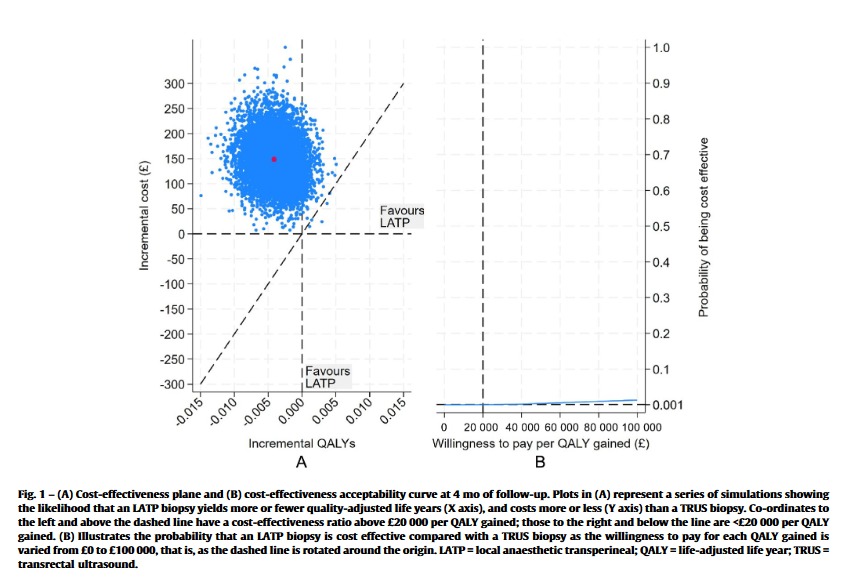
Diagnostic Value of Fluorine-18-fluorodeoxyglucose Positron Emission Tomography/Computed Tomography in Staging Histological Subtypes of Invasive Bladder Cancer by Renee A.G. Lijnen et al Read the article: buff.ly/wjGnWUU We thank the authors for trusting #EUO with your work. @LAUrology_NL @TBoellaard @FraClaps @uroweb @mroupret @GPloussard @jteoh_hk @Ric_Campi @CaPsurvivorship @UroDocAsh @LauraMarandino @RenuEapen @Ecastromarcos @OncoAlert @Sciencedirect
European Urology Oncology tweet media
English
1
8
16
1.6K
Francesco Claps retweetledi
NEJM
NEJM@NEJM·
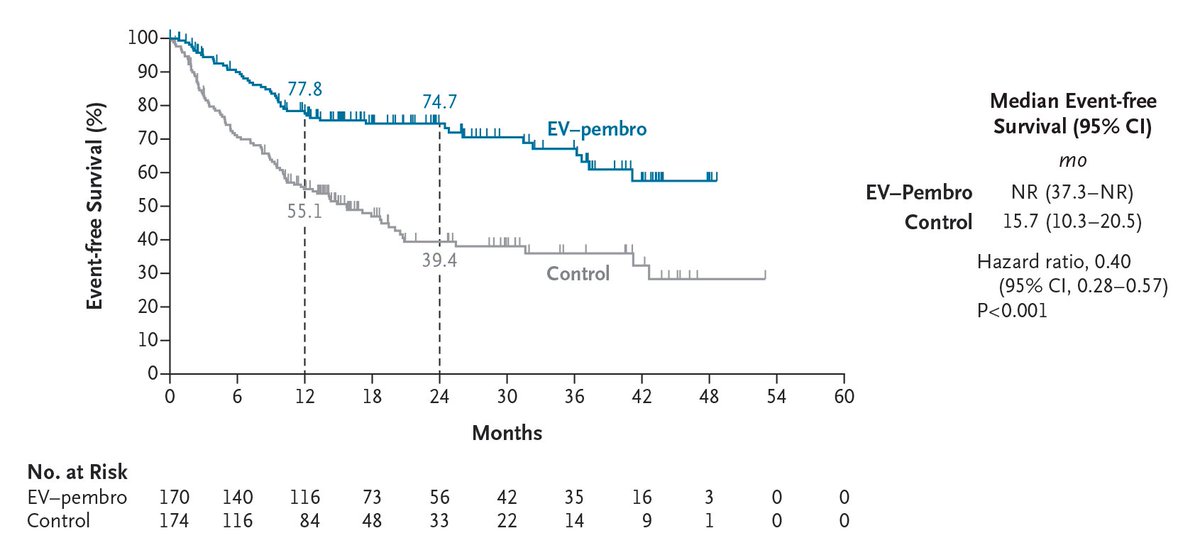
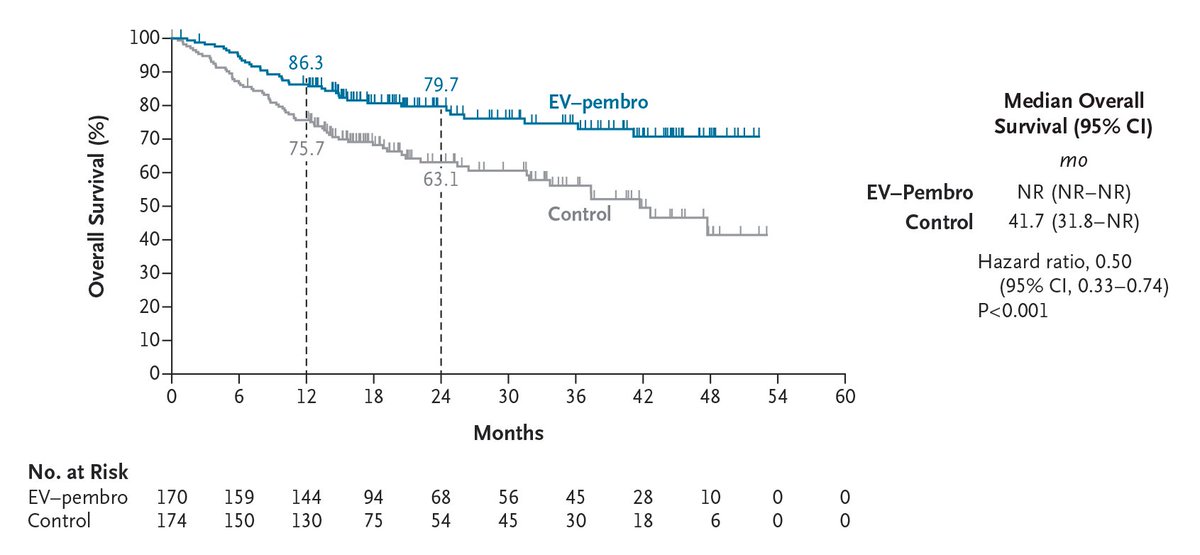
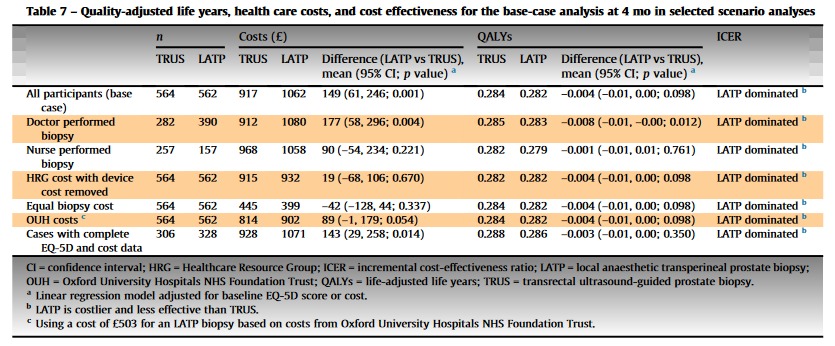
Original Article: Perioperative Enfortumab Vedotin and Pembrolizumab in Bladder Cancer (phase 3 KEYNOTE-905/EV-303 trial) nej.md/4czl8sG Editorial: Enfortumab Vedotin plus Pembrolizumab as Perioperative Therapy nej.md/4twnv5T #Oncology
NEJM tweet mediaNEJM tweet media
English
1
10
36
11.1K
Francesco Claps retweetledi
Nicola Pavan
Nicola Pavan@Nicp85Pavan·
📣 Corso di Perfezionamento UNIPA: “Diagnostica e Procedure Urologiche Guidate da Imaging” 🗓️ Marzo–Novembre 2026 | 400 ore | 16 CFU Focus su imaging in urologia (eco, TC, RM mp, PET/CT) + procedure guidate. ⏳ Scadenza: 03/02/2026 Info: dipartimento.meprecc@unipa.it
Italiano
1
1
0
104
Francesco Claps retweetledi
Roberto Contieri
Roberto Contieri@RobertoContieri·
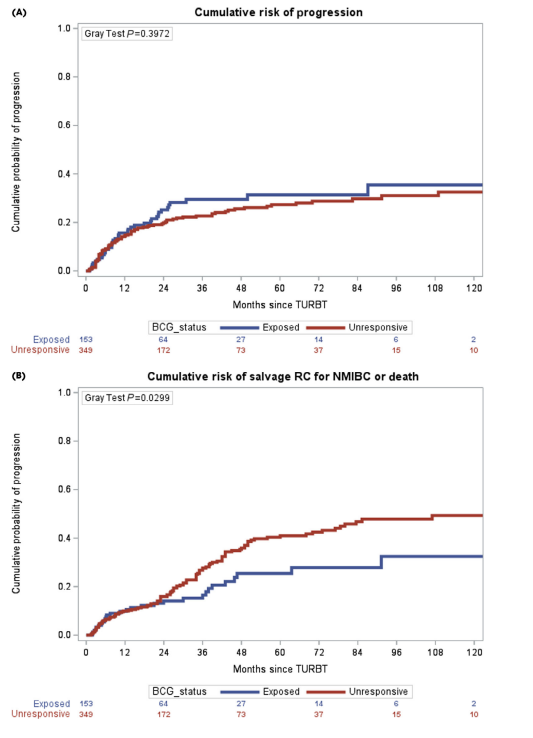
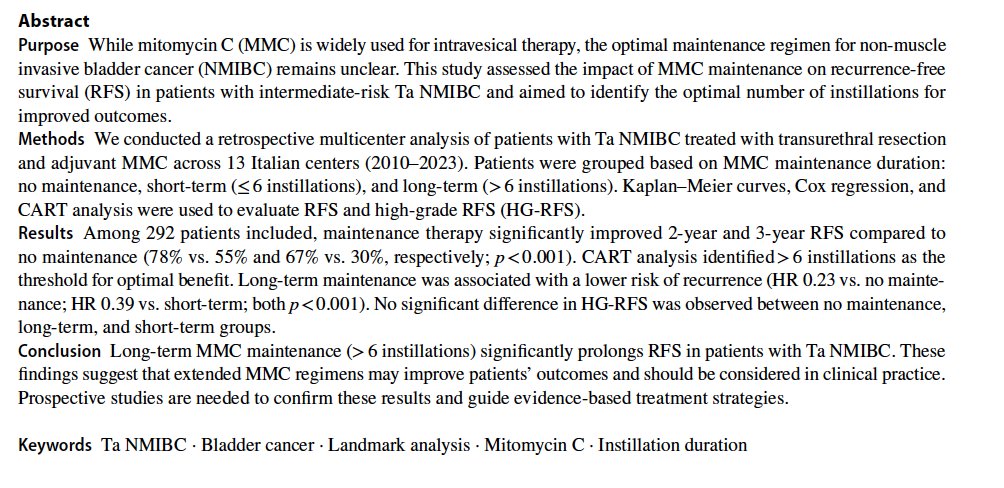
🎆📢First of 2026! Should we really give MMC maintenance in intermediate-risk #NMIBC, and for how long? #EAU guidelines recommend adj chemo but the optimal schedule remains unclear We tried to answer this clinically relevant gap.👇🧵 @Uroweb @urotoday @oncodaily @SpringerNature
Roberto Contieri tweet mediaRoberto Contieri tweet media
English
1
4
19
873
Francesco Claps
Francesco Claps@FraClaps·
📬We are pleased to share our comment on @JAMA_current Prostatitis continues to represent diagnostic and therapeutic challenges. We discuss key aspects of prostatitis, with particular emphasis on the role of imaging in prostatic abscess' evaluation 👇 jamanetwork.com/journals/jama/…
English
1
0
1
109
Francesco Claps retweetledi
Liang Cheng, MD
Liang Cheng, MD@LiangChengMD·
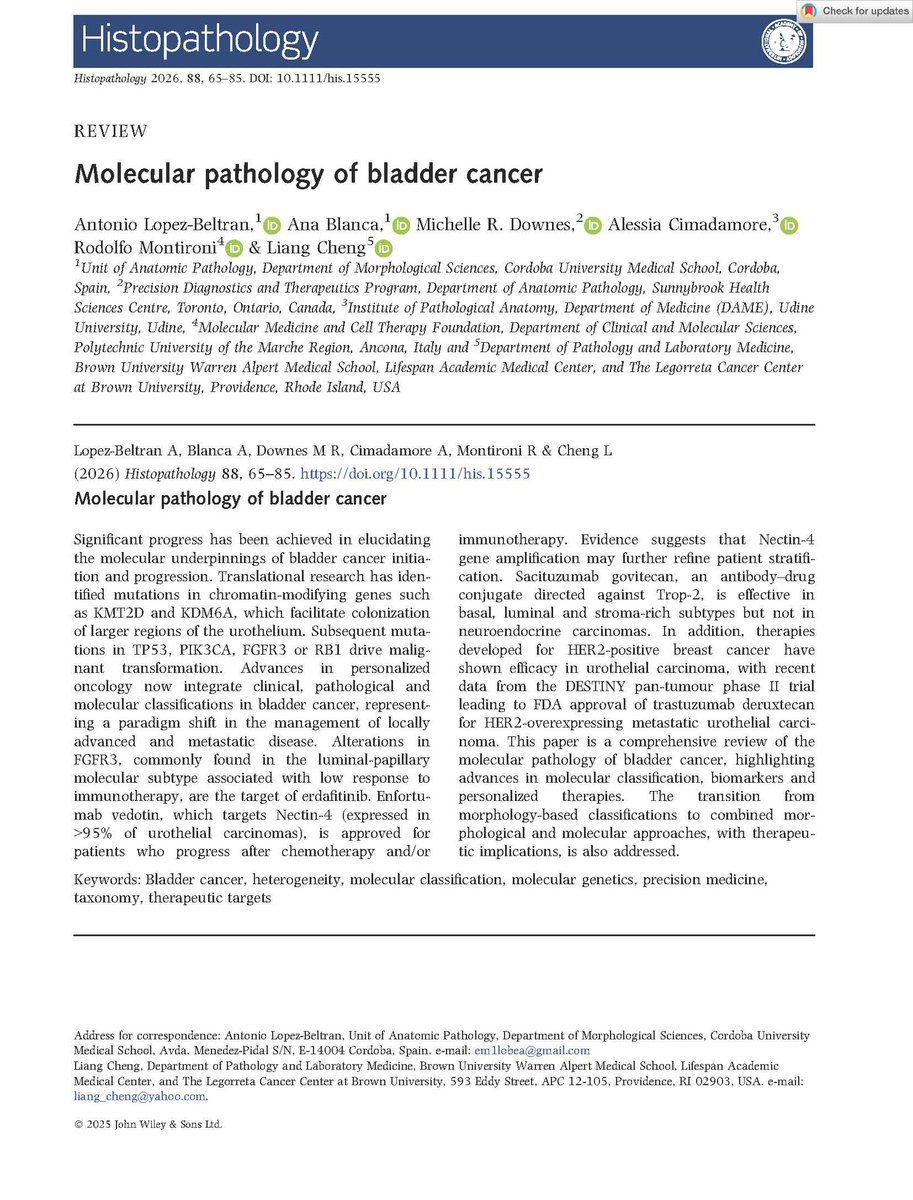
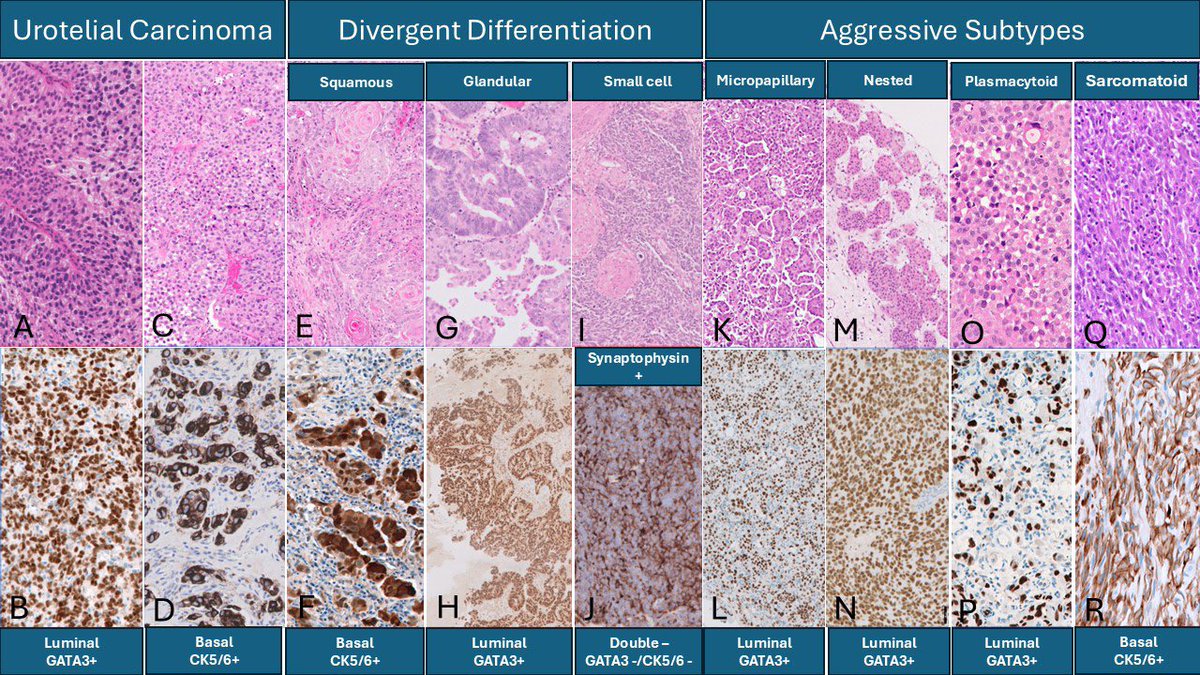
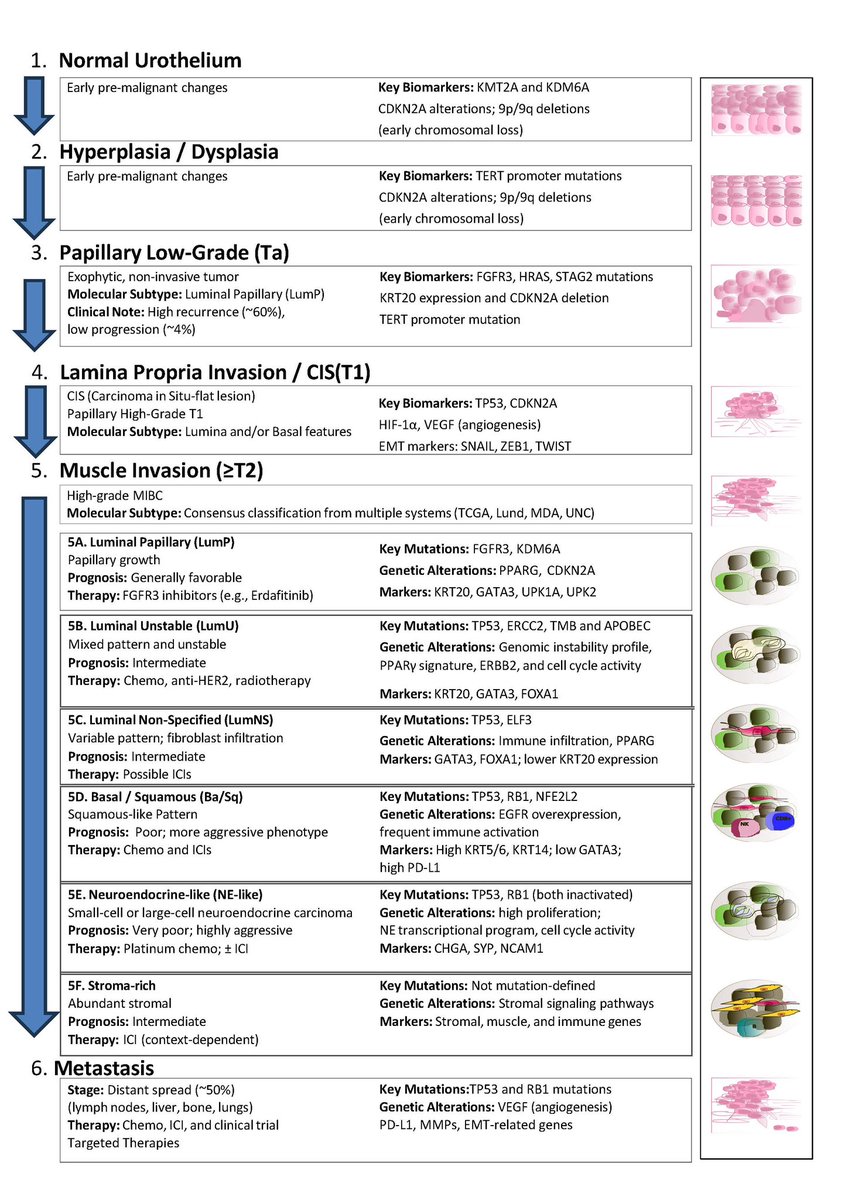
Need an update on the molecular pathology of bladder cancer? I am delighted to share a comprehensive review article by Dr. Antonio Lopez-Beltran and colleagues, published in the 2026 Annual Review Issue of Histopathology @Histo_Journal @daniel_berney
🔗 Article: onlinelibrary.wiley.com/doi/abs/10.111… Advances in molecular classification, biomarker development, and personalized therapies are transforming the management of bladder cancer. The rapid expansion of therapeutic targets - together with ongoing clinical validation—underscores the essential role of pathologists, as pre-analytical and analytical considerations directly impact the approval, adoption, and optimal use of new cancer drugs. Integrating molecular and morphologic data into routine pathology reporting will be critical to support clinical decision-making and enable precision-based treatment. Molecular classification remains a rapidly evolving research area with major potential to reshape clinical practice. The marked molecular and morphological heterogeneity of urothelial carcinoma presents challenges, but also offers opportunities to refine patient stratification and tailor therapeutic interventions. Emerging liquid-based biomarkers—including circulating tumor DNA (ctDNA) and urinary tumor DNA (utDNA)—show strong promise for detecting minimal residual disease, monitoring treatment response, and assessing disease dynamics in a minimally invasive manner. For more GU-focused reviews, the full 2026 Histopathology Annual Review Issue (Special GU Edition) is available here:
🔗onlinelibrary.wiley.com/toc/13652559/2…
Liang Cheng, MD tweet mediaLiang Cheng, MD tweet mediaLiang Cheng, MD tweet media
English
1
41
100
6.5K
Francesco Claps retweetledi
Liang Cheng, MD
Liang Cheng, MD@LiangChengMD·
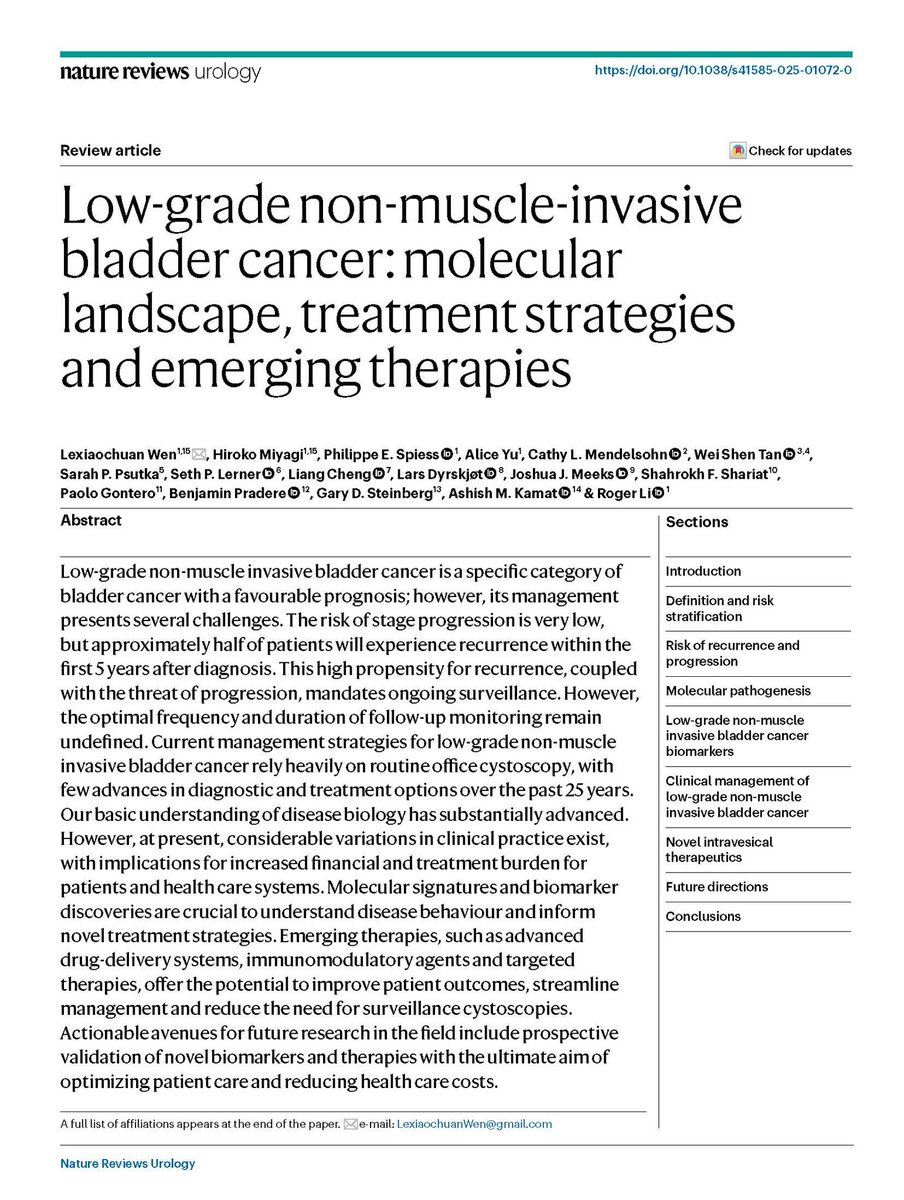
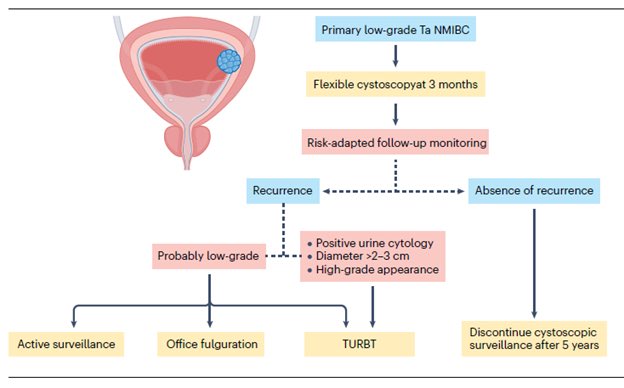
“Low-grade Non–Muscle-Invasive Bladder Cancer: Molecular Landscape, Treatment Strategies, and Emerging Therapies” - just published in Nature Reviews Urology @NatRevUrol.  This State-of-the-Art review by Drs. Roger Li @UrogerliMD, Lexi Wen, and colleagues @philippespiess @spsutkaMD @LDyrskjot @DrShariat @UroDocAsh offer an outstanding overview of advances in molecular biology, diagnosis, targeted therapies, and clinical management for #bladdercancer. A great honor to be part of this effort. Summary: The management of low-grade non–muscle-invasive bladder cancer (NMIBC) is undergoing rapid evolution, driven by a growing recognition of the need for nuanced, risk-adapted strategies that minimize overtreatment. Yet widespread adoption of de-escalated approaches remains limited by the lack of well-defined, evidence-based guidelines tailored to this favorable-prognosis disease subset. Clear recommendations - particularly regarding surveillance frequency, duration, and criteria for de-intensified care - will likely require international consensus efforts supported by robust prospective data. A major priority for future research is refining risk stratification. Distinguishing patients at truly increased risk of progression from those with indolent disease will enable more personalized management, including appropriate use of active surveillance and reduced surveillance intensity. Advances in molecular profiling, urine-based biomarkers, and AI-assisted pathology show promise for identifying meaningful biomarkers and histologic patterns to support such stratification, but rigorous prospective validation remains essential before broad clinical adoption. AI integration into clinical workflows offers additional opportunities to enhance diagnostic accuracy, predict recurrence or progression, and support individualized decision-making. Multimodal models capable of real-time risk assessment may eventually guide therapy selection, but challenges - including the need for diverse training datasets, transparent algorithms, and clear ethical and regulatory frameworks - must be addressed before routine clinical use. Despite favorable overall outcomes, managing low-grade NMIBC remains challenging owing to high recurrence rates and continued reliance on invasive cystoscopy and imperfect biomarkers. Until emerging diagnostic tools are validated, established clinicopathological systems such as the IBCG risk stratification model will continue to guide treatment decisions. Patients with multiple risk factors generally warrant intravesical therapy, while those without risk factors may be reasonable candidates for active surveillance. The ongoing BCG shortage further underscores the need to balance clinical benefit with treatment burden and to evaluate new intravesical therapies against their potential financial and clinical toxicity. Meaningful progress in low-grade NMIBC will depend on prospective validation of emerging technologies and therapies, paired with thoughtful integration into evidence-based guidelines. By aligning molecular insights, technological innovation, and risk-adapted clinical practice, the field can improve outcomes while reducing unnecessary interventions and surveillance for this common, yet often overtreated, disease. The article is available at the following link: nature.com/articles/s4158…
Liang Cheng, MD tweet mediaLiang Cheng, MD tweet media
English
0
49
112
8.6K
Francesco Claps
Francesco Claps@FraClaps·
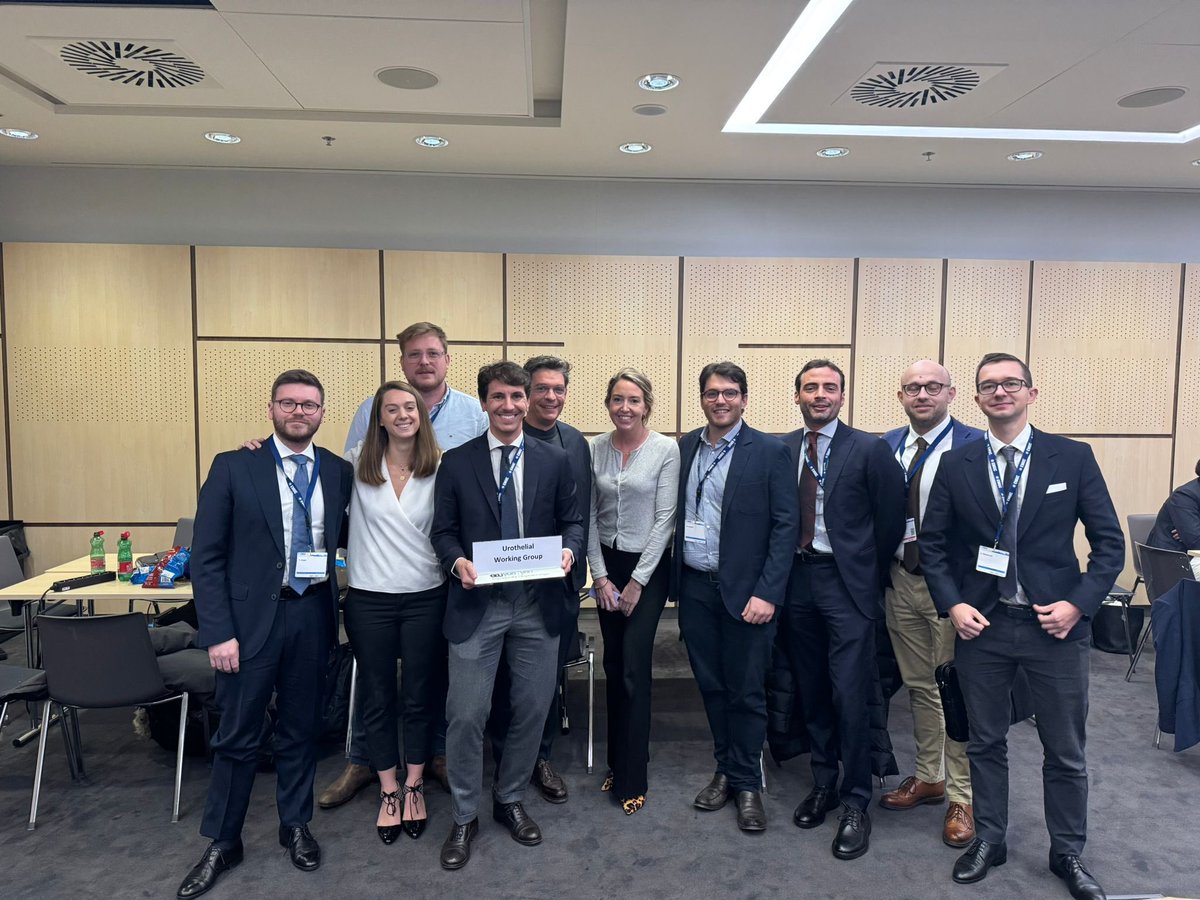
Great brainstorming session today at #EMUC25 focused on advancing the most current insights in urothelial carcinoma research 🚀
Francesco Claps tweet media
English
1
6
17
2.8K
Francesco Claps retweetledi
Ashish M. Kamat, MD, MBBS
Ashish M. Kamat, MD, MBBS@UroDocAsh·
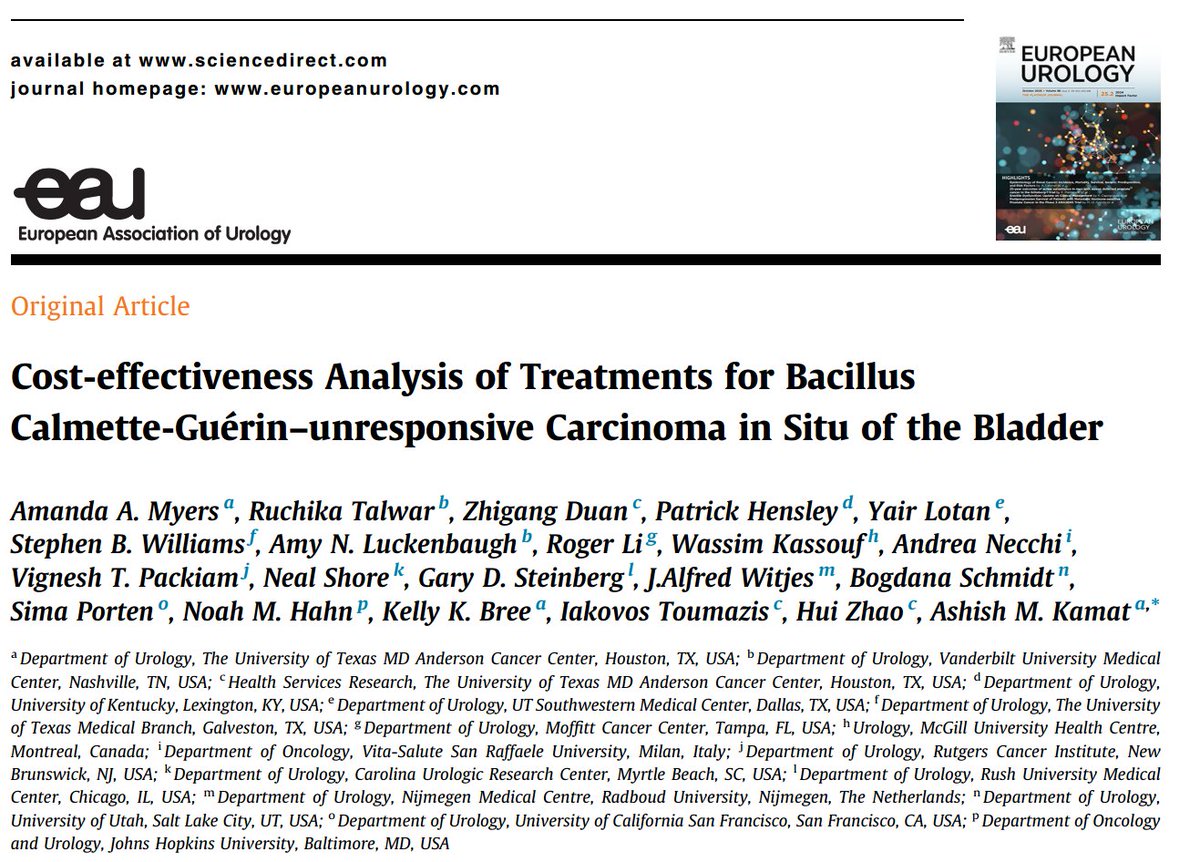
⚡️ Cost-effectiveness of treatments for BCG-unresponsive CIS - analysis from our multicenter IBCG team. Five strategies modeled: 🔹Radical cystectomy (RC) 🔹Pembrolizumab 🔹Nadofaragene firadenovec 🔹Nogapendekin (NAI-BCG) 🔹Gemcitabine + Docetaxel ➡️Comprehensive head-to-head economic model for this disease. 1️⃣/5 🔗 @AmandaMyersMD @RuchikaTalwarMD @pjhensley11 @SWilliams_MD @AmyLuckenbaugh @UrogerliMD @megynkelly @WesKassouf @AndreaNecchi @VigneshPackiam @garysteinbergmd @BogdanaSchmidt @SimaPorten @IBCG_BladderCA
Ashish M. Kamat, MD, MBBS tweet media
English
4
43
119
13.9K
Francesco Claps retweetledi
JAMA
JAMA@JAMA_current·
In a trial of men with suspected prostate cancer, biparametric MRI, which excludes the gadolinium contrast sequence, was noninferior to multiparametric MRI for detecting clinically significant cases. 🧵 ja.ma/4nhCVqy
JAMA tweet media
English
4
33
53
18.7K
Francesco Claps retweetledi
Ashish M. Kamat, MD, MBBS
Ashish M. Kamat, MD, MBBS@UroDocAsh·
On September 9, 2025, the Food and Drug Administration approved gemcitabine intravesical system (Inlexzo, Janssen Biotech, Inc.) for adults with BCG - unresponsive NMIBC with CIS with or without papillary tumors. Also known as TAR-200: this gemcitabine intravesical system is co-packaged with a urinary catheter and stylet used for insertion through the urinary catheter into the bladder.
Ashish M. Kamat, MD, MBBS tweet media
English
4
42
127
21.7K
Francesco Claps retweetledi
RadioGraphics
RadioGraphics@RadioGraphics·
The Prostate Imaging for Recurrence Reporting (PI-RR) system standardizes MRI performance and interpretation after prostatectomy or radiation therapy and is an essential reference for radiologists in standardizing reporting of recurrent prostate cancer. bit.ly/3JdTjtG
RadioGraphics tweet media
English
0
14
48
4.3K