
Sabitlenmiş Tweet
Fredy D. Oré
797 posts


Fredy D. Oré
@Freqnc
Experience & Product Designer in London, UK. Curious thinker💭 & tinkerer🎨. Spanish speaker 🇪🇸🇫🇷. Grew up in Sydney, Australia 🌏. Opinions are all my own.
London, UK Katılım Aralık 2006
1.3K Takip Edilen295 Takipçiler
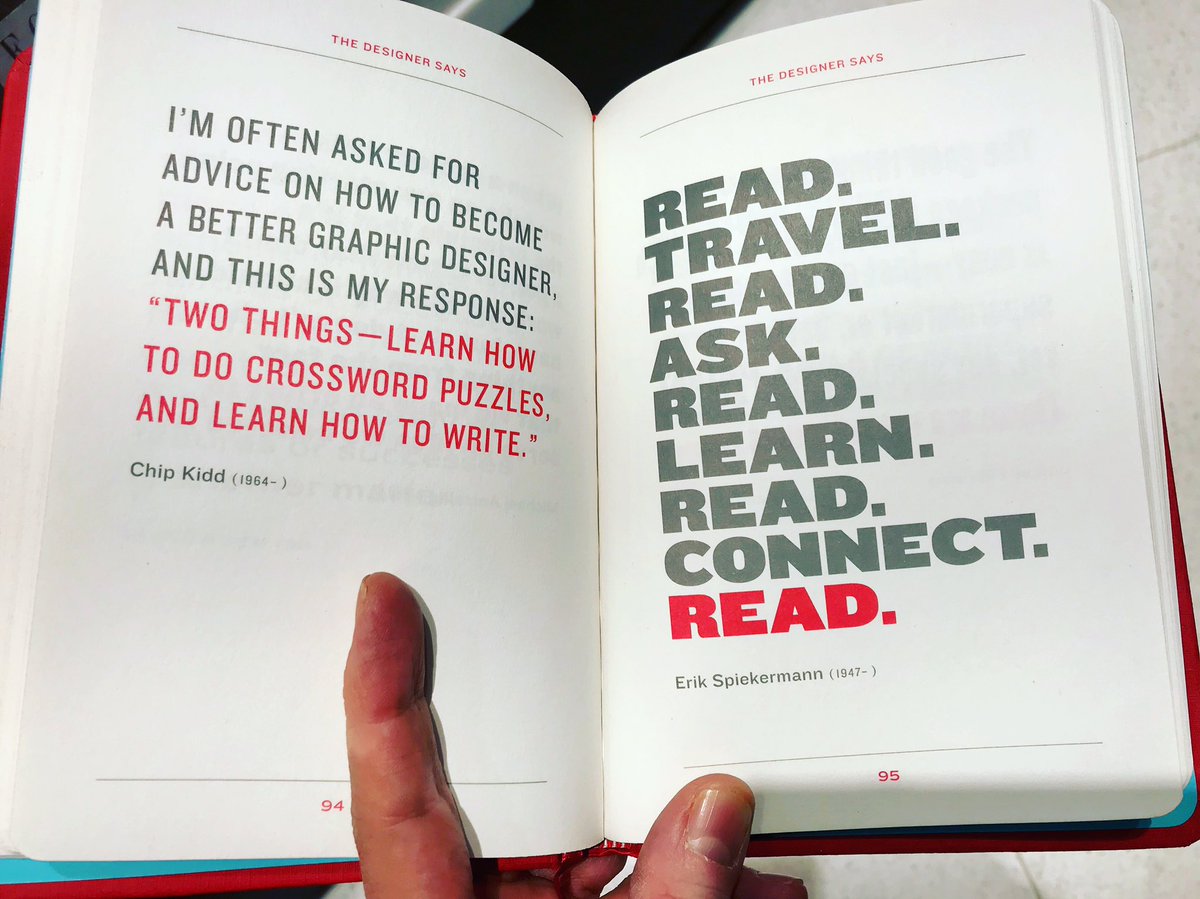
This is such a timely report on where things are at (mid 2026) on Design and IA across Tooling, Craft & Teams. It's good to also compare the report findings & align from a (across the pond) Europe and UK PoV.
Themes
• Designers as Toolmakers & Architects:
The highest-leverage designers encode taste and systems into AI workflows.
• Speed vs. Depth Tension: Velocity is up, but preserving judgment, taste, and exploration time is critical.
• Human Edge: Taste, strategic framing, storytelling, and accountability remain distinctly human advantages.
• Fluid Future: Expect continued tool churn, role evolution, and custom stacks rather than standardisation.
Role and Team
• Learning remains peer-driven
• Roles are blurring rapidly between design, product, and engineering. No surprise there.
• Expectations are rising faster than formal policies or structures can deal with.
• Hiring is now prioritising AI fluency, systems thinking, and strategic skills.
• Block-shaped Designers are IN.
the most notable Quote in the report
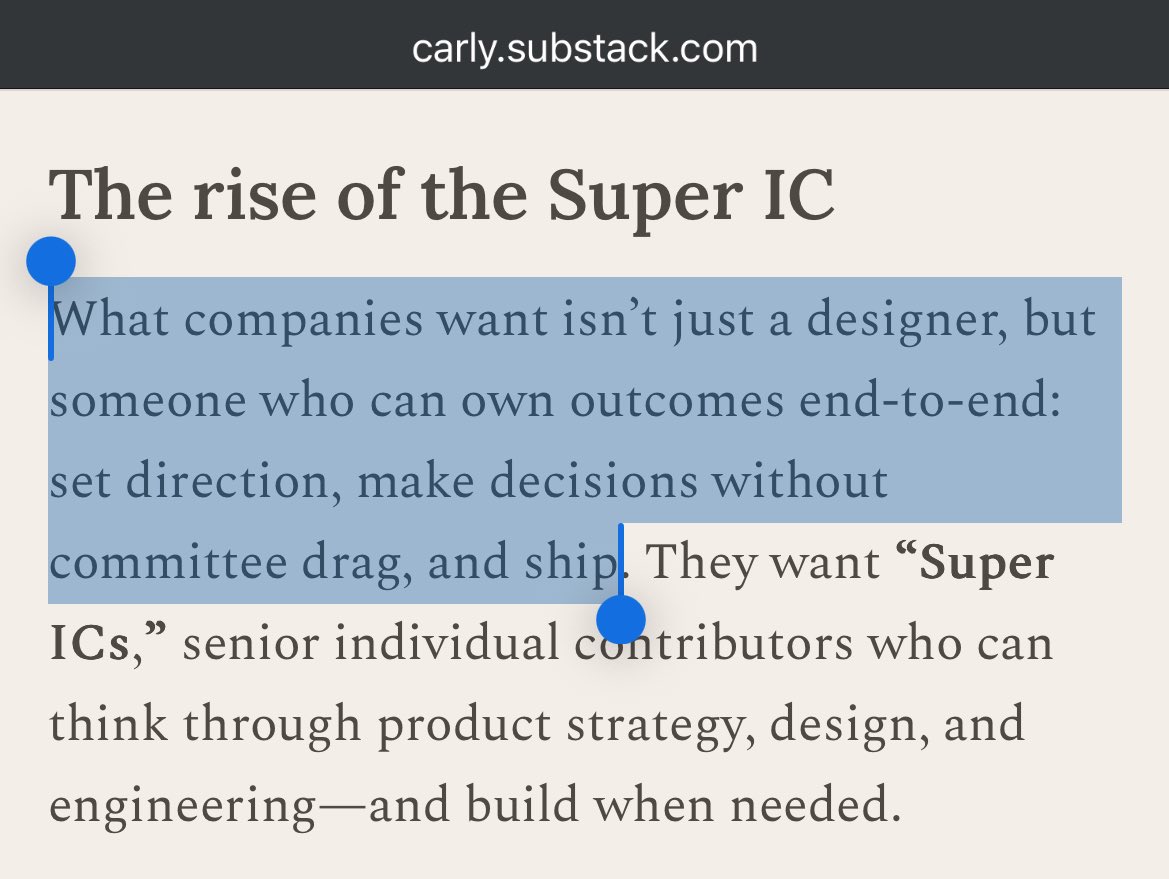
“The T-shaped designer is dead. We need block-shaped designers with strong capabilities across disciplines.”
English

Our 2026 Design in AI Report is now live!
This report is the culmination of thousands of people hours and many late nights to create what we believe is the most comprehensive, well-researched report capturing and synthesizing the state of Design + AI today.
While we used AI in many areas, a report like this still required deep thinking, grit, and humans coming together to do what they do best.
The final report spans nearly 20k words covering the survey results of over 900 people paired with dozens of qualitative interviews.
Over the coming months we will also release 7 beautiful case studies showing how top design teams are working on the ground featuring designers at @AnthropicAI, @framer, @linear, @NotionHQ, @Shopify, @SierraPlatform, and @stripe.
This work is a true labor of love to help guide a design community we hold so dear.
Link in the comments and please let us know what you think. Your feedback helps us shape how we will evolve this work over the coming years...
English
Fredy D. Oré retweetledi

Fredy D. Oré retweetledi

Fredy D. Oré retweetledi
Fredy D. Oré retweetledi

the 2026 version of “my dog ate my homework” will be “my openclaw deleted my workspace”
English
That's spot on — jumping straight to code can sideline the exploratory magic of design: typography, colour, rhythm, composition.
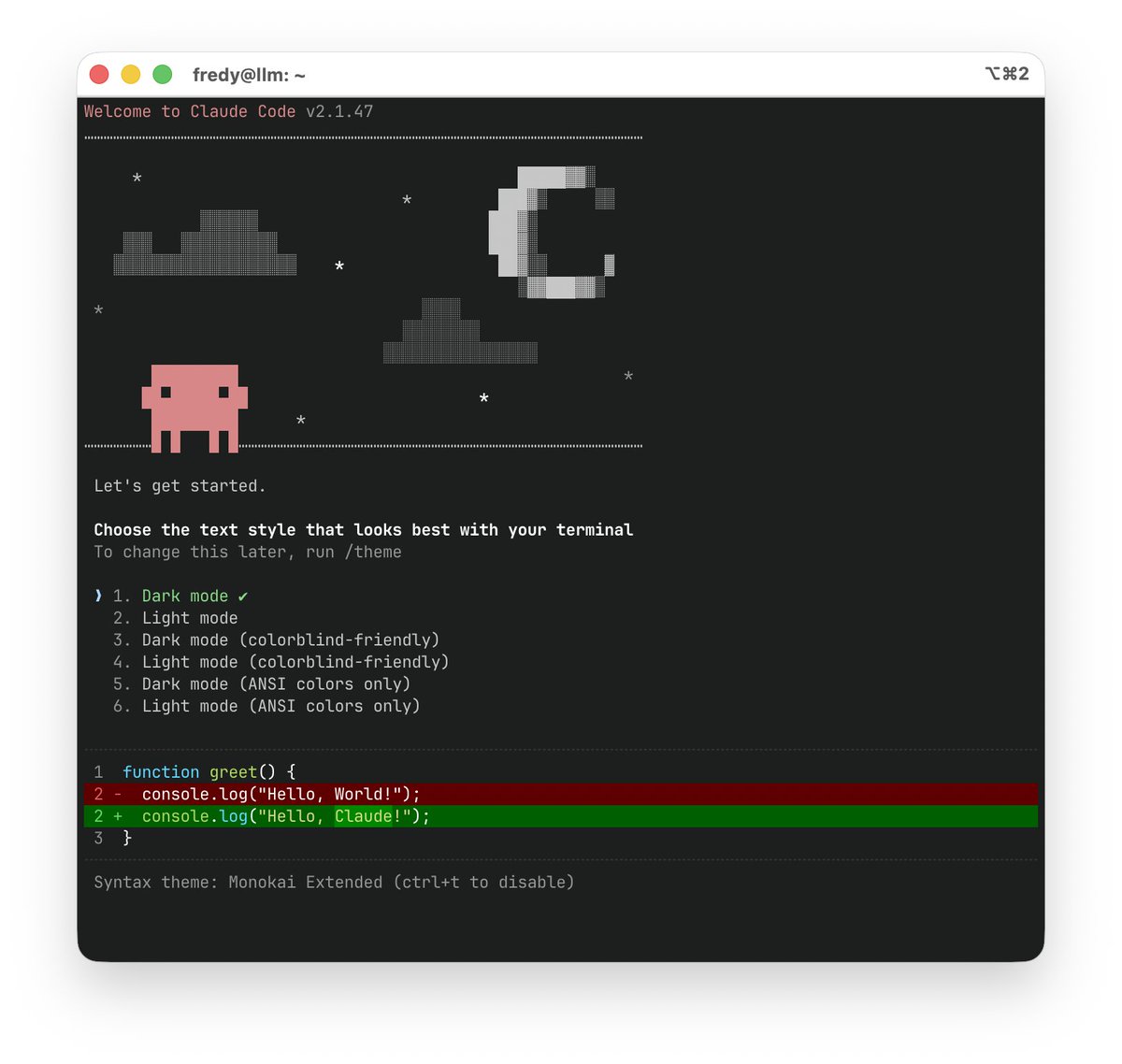
After a few weeks tinkering with these new AI & agentic tools (OpenClaw, Claude Code, etc.) and plugins, I'm seeing how they open fresh entry points in our workflows — accelerating paths to outcomes without killing creativity.
It's like pottery: shape the clay, fire it in the kiln, glaze the piece, then package it. These tools become new considerations or touchpoints we can explore in those steps.
As Frank Chimero writes in The Shape of Design, design is about imagining a better future and cleverly closing the gap between what is and what could be — through iteration, empathy, and making for others.
shapeofdesignbook.com
These AI additions are just more tools in the kit; it's on us to understand their strengths, test their fit for the problem, and weave them into processes that still prioritise exploration, idea comparison, and refinement.
Ultimately, the AI tool debate feels more about organisational design: where do these AI touchpoints slot in to enhance teams without disrupting the craft?
English

This is pretty neat. 🔥
Figma@figma
Tired: code or canvas Wired: code AND canvas Introducing Claude Code to Figma
English
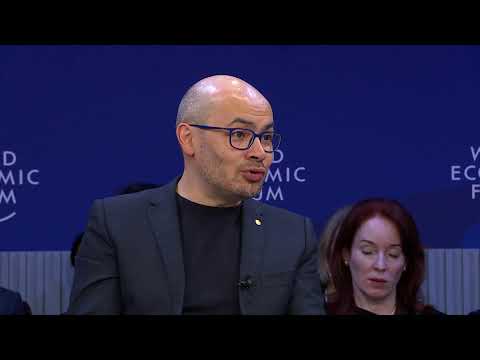
Just watched the WEF Davos 2026 session "The Day After AGI" with Demis Hassabis (@demishassabis) and Dario Amodei (@DarioAmodei) — two of the sharpest minds racing toward AGI.
youtube.com/live/mmKAnHz36…
It's a forward-looking, high-level conversation among leading AGI lab CEOs on the imminent convergence toward AGI (often projected for the 2030s), the bottlenecks ahead, and preparing society for "the day after" it arrives.
Framed optimistically around growth and innovation, it's a candid acknowledgment of the profound risks and the need for careful stewardship. As a designer curious about how tech reshapes everything, it really hits home.
AI won't just automate — it's poised to explode abundance, accelerate science, and perhaps even redefine human purpose. We need taste, ethics, and stewardship to keep the human spark alive.
Huge opportunities ahead, real risks too. 💭🚀
#AGI #AI #Future #WEF2026 #Innovation
YouTube
English
Fredy D. Oré retweetledi

Fredy D. Oré retweetledi

The Prodigy's set at @glastonbury will be streamed live in the UK on @BBCiPlayer , @BBC6Music and BBC 4 (Freeview channel 106) on Sunday evening from 9:45pm.
The Prodigy HQ

English
Fredy D. Oré retweetledi

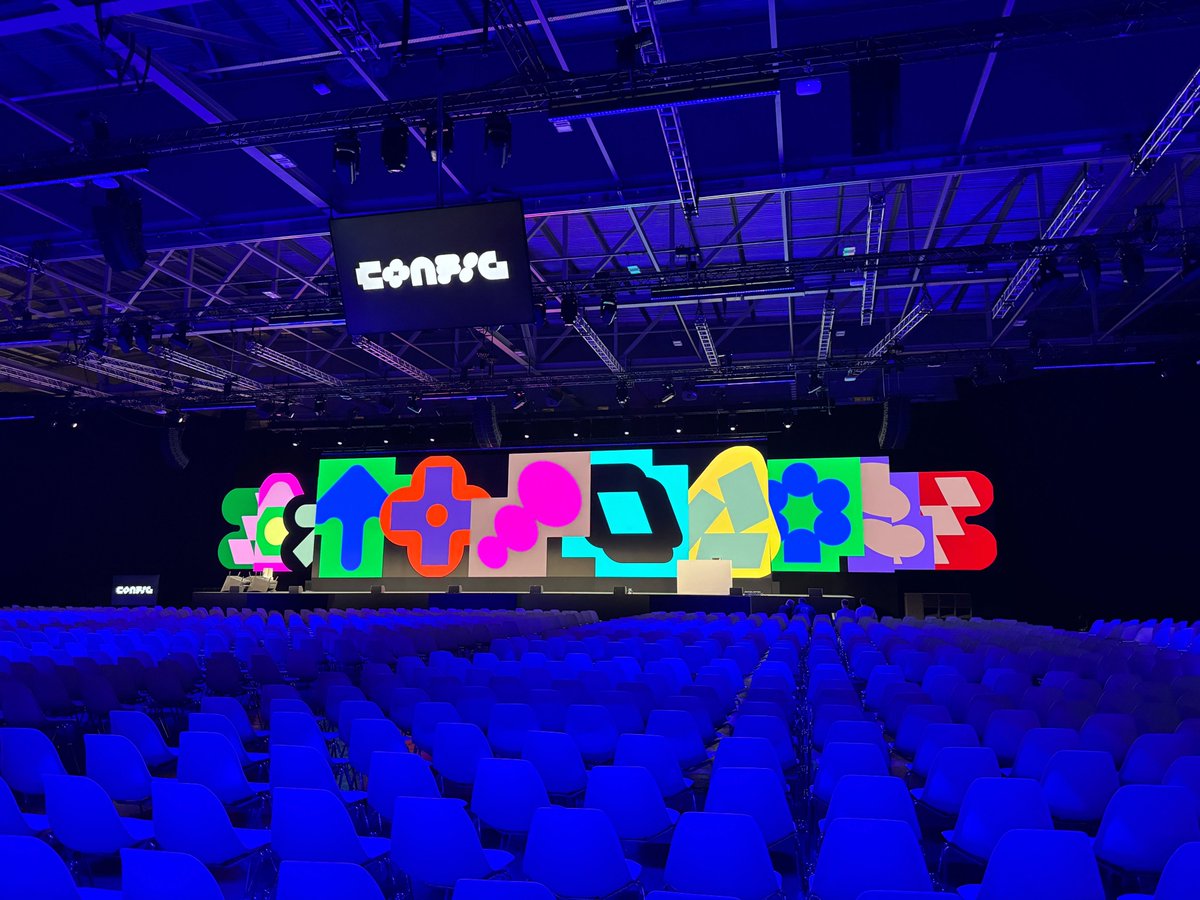
Spotlights rise softly in London's ExCeL wings,
These are a few of my favourite things!
Frames bloom into websites as Figma Sites sings,
Pages flow freely as each breakpoint springs.
Draw lifts loose doodles in crisp vector lines,
Buzz writes the words that perfect the designs.
Feed it a prompt, and Make gives ideas wings,
These are a few of my favourite things!
English
Fredy D. Oré retweetledi
Fredy D. Oré retweetledi

A modern take on a classic 🤫
19 years apart, Bukayo Saka and Thierry Henry both dropped the same celebration when scoring at Real Madrid

English
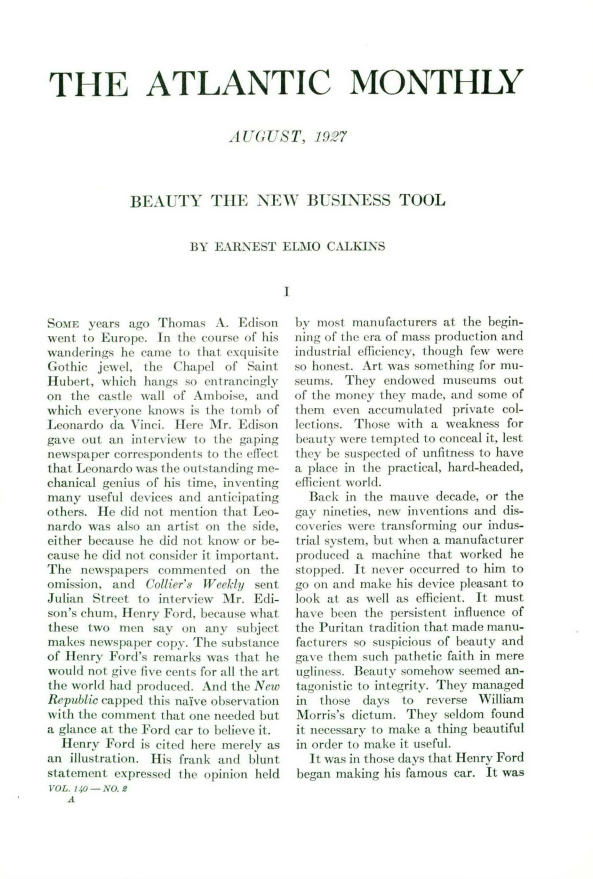
Great article @lil_dill from the 1927 edition of The Atlantic— incredible at the similarities, esp when reflecting on today’s influence that AI is having @karrisaarinen — on Design, culture, tastes & processes.
Certainly a time to be optimistic at opportunities the next few years could bring, the challenges to traditional norms (like in 1927) to expect & how Design can shape business during this AI revolution.
I couldn’t help but think 💭 🤔 (while reading the article) of all the other contexts people were experiencing at the time 😀 & what influences occurred only a few years later (after 1927)— ie post War Roaring 20’s influences across Design, Fashion, Architecture, Technology & Art.
- the rapid home electrification ⚡️ boom, where ~ approx 68% of households 🏡 were electrified by 1930.
- sound in films for the first time and the first electronic TV’s 📺 (the Farmsworth) in 1927
- shifts in consumer products tastes such as the Chevrolet vs Ford 🚙 and styled radios 📻 the article mentions
- modernist buildings & Architecture that blended function & aesthetics such as the Chrysler building & Rockefeller Centre built at the time
- Art Deco influences from Bauhaus, Cubism & Art Nouveau
- Fashion trends and elegance demands — decorative motifs, Flapper culture, bob hairstyles, Italian trends, Coco Channel’s little black dress, Jeanne Lanvin & Elsa Schiaparelli.
⏳👍⭐️
Thanks @karrisaarinen and @lil_dill for sharing
English

Love this. Building on your point about taste, @karrisaarinen, this 1927 (!) article from @TheAtlantic is worth a read.
It foreshadows the role design will play in the AI revolution. The author reflects on the aftermath of the 2nd industrial revolution, when soulless products flew off conveyor belts and flooded the market. At first, consumers were dazzled by innovation and utility. But once the novelty faded, they craved more. They sought beauty. They wanted products that rose above the ordinary—objects built with intention, soul, and craft.
We’re at a similar inflection point now. I totally agree that AI will raise the floor, enabling faster creation of products with slick interfaces and novel utility. This will bring “good” design to the masses—but, as in 1927, it won’t be enough.
The easier things are to make, the more people will crave what feels considered, unique, and crafted with care. At the extreme’s it’s the difference between a fast fashion handbag and one made by hand with a saddle stitch.
Design will always be the pursuit of something better than the status quo. AI may be able to recognize what’s good today, but identifying what will be great—what people will love—requires emotional intelligence, intuition, and taste. Designers will continue to lead the way, not by resisting the new tools, but by bringing a level of discernment and care that mass automation can’t replicate. In this new industrial revolution, design will once again be how we restore soul to speed.
I am excited about how AI can help us more faster and give us time to put even more love into what we make.
Karri Saarinen@karrisaarinen
People talk about how AI is going to make design obsolete, and/or make pixel perfect designs not be a thing anymore. I don't think so. Pixel-perfect design mostly existed in designers’ minds anyway. The mocks might perfect but the final product rarely was. Most of the time, those designs were shipped sloppily because the product organization didn’t have the patience to see the polish through. How many truly pixel-perfect products do you see out there?Especially with growth focused companies. There are exceptions, but not many. The idea that AI might ruin visual quality feels like a non-issue since wasn’t much quality to ruin in the first place. I also don't believe AI makes design obsolete but I believe it will raise the floor. That it’ll lift the skill level of product teams, and I hope it will free up time for the kind of polish that usually gets cut. So ideally we continue see more overall better design and the more "handcrafted" polished designs as well. My general view of AI is that it will just let us do more things, not take away things. We didn't stop writing less when email was invented. Few aspects: 1. AI as a skill multiplier. LLMs can elevate frontend and design quality for companies that historically couldn’t hire strong talent—or for individuals who haven’t built those muscles yet. In a way that way, it’s not that different from using UI kits, Tailwind, or shadcn. 2. Rethinking design systems. Design systems were a product of the ZIRP era, when teams scaled quickly and you couldn’t trust every person to design and build a decent button. So systems enforced quality through components and rules. But AI flip can this, and Instead of assembling rigid blocks, you can quickly build good scaffolding and refine with AI or by hand. LLMs might even enforce standards even better than design systems because they could be trained to spot inconsistencies and fix visual bugs automatically. The kinds of things that usually get deprioritized. 3. Designing closer to code. I think AI will allow us to design more in code. I think it’s a good thing if we move away from pixel-perfect Figma files. The way I’ve always designed: Figma is where you design the vibe. Code is where you make it perfect. The real product is the one in production, not the mock. So that’s where polish should happen. Future design tools should make that process easier. 4. Taste still matters. For teams that already care about design, teams like @linear, none of this really changes the hard part. Achieving a polished UI is not that hard if you just have the practice. The hard part is conceptual. It’s figuring out how features fit together, how ideas map across the system. That’s where most of the iteration happens. That’s the part AI still can’t do for you. So yes, AI will make things faster. It will increase the volume of output, but maybe it will also shift the baseline. Holistic quality still depends on taste, systems thinking, and the willingness to care about the final experience.
English
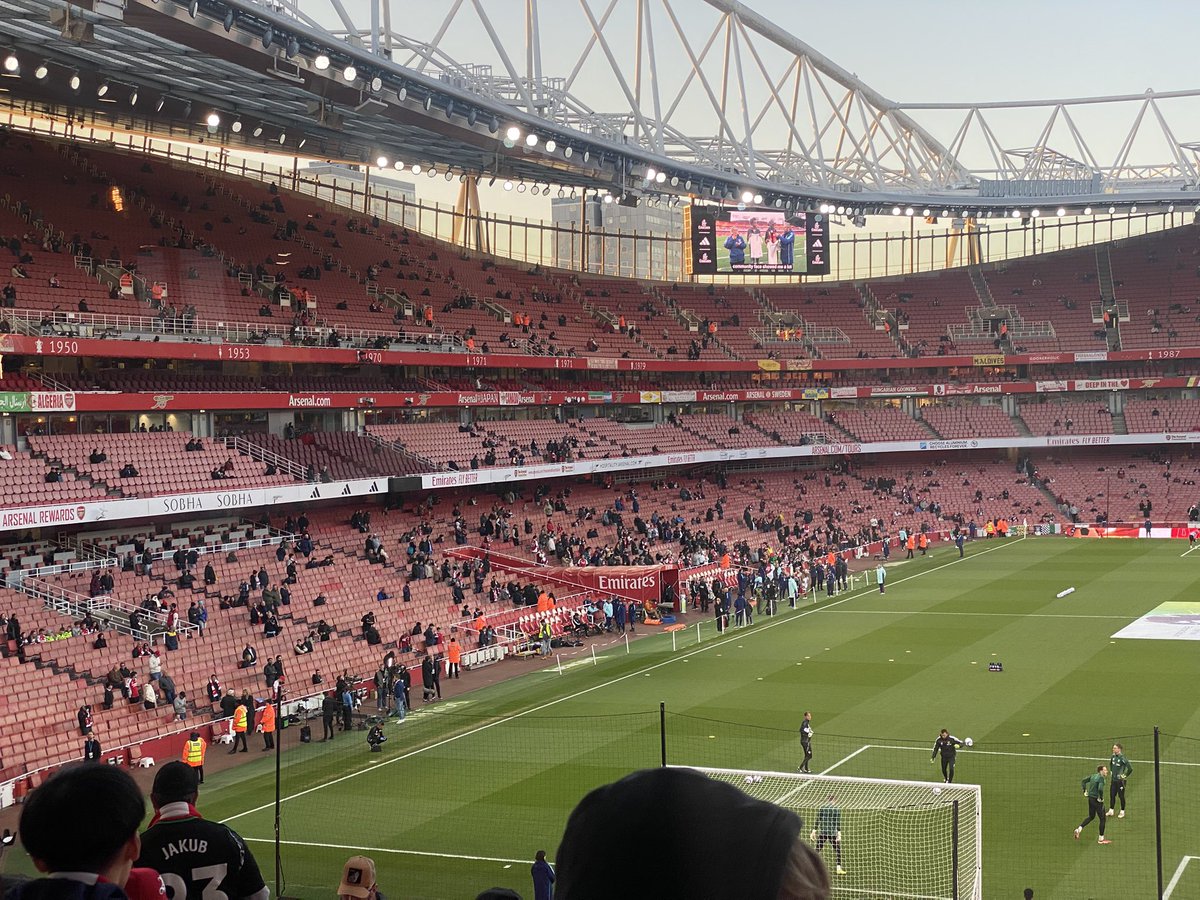
Great atmosphere here ⚽️ at #Arsenal with Bukayo Saka 🌟 back in the squad. We missed you🧣👍

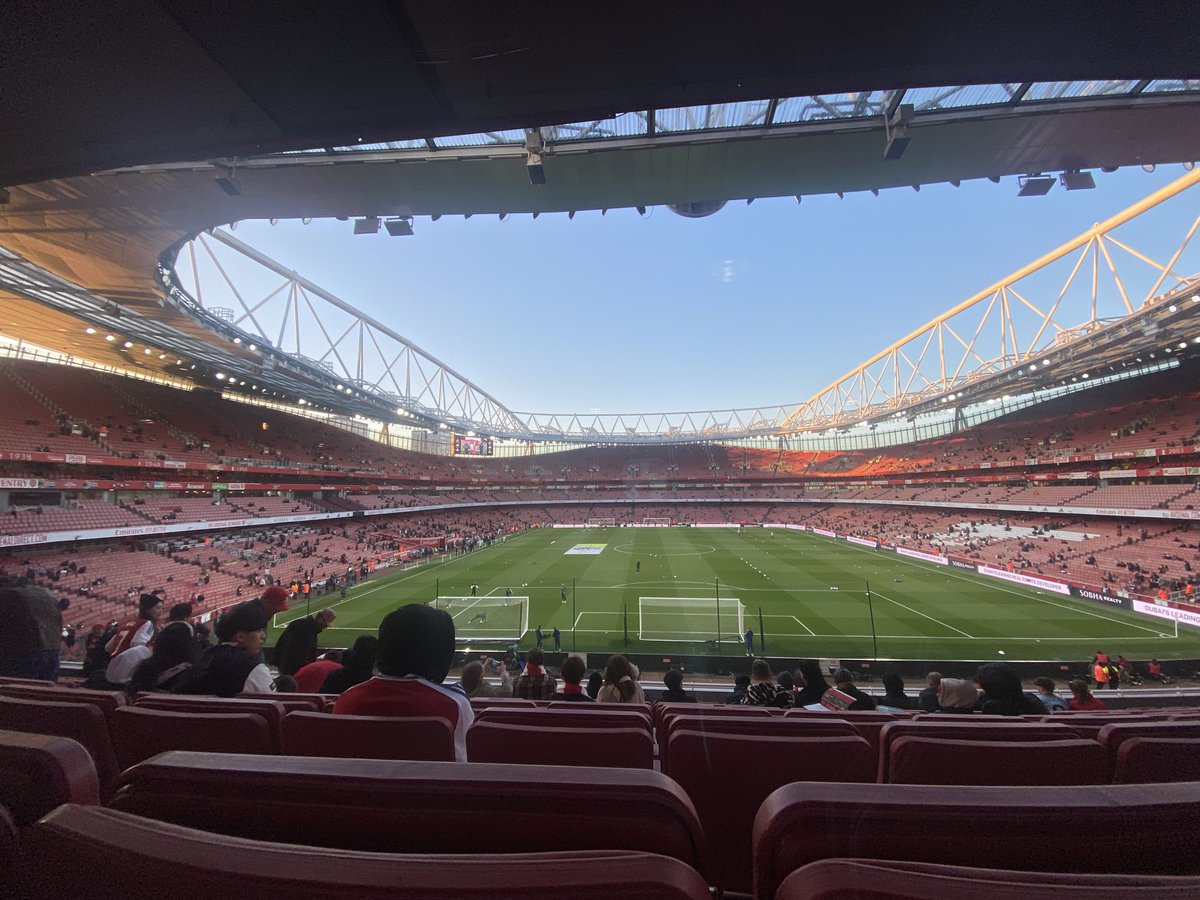
Arsenal@Arsenal
Back in the squad. Great to see you, Bukayo ❤️
English
Fredy D. Oré retweetledi

Today's Desert Island Discs on @BBCr4today with Sir Jony Ive and @laurenlaverne was incredibly inspiring and moving.
bbc.co.uk/programmes/m00…
It provided an incredible insight into inspiration, curiosity, #design, and genius collaboration with Steve Jobs at Apple 🍎.
On creating new products for people: "It takes an extraordinary resolve, focus, energy, and understanding of contexts" that turns ideas, sketches, and models into products.
"Creating designs is an act of generosity to humankind... Design is the fundamental soul of a man-made creation."
English
Fredy D. Oré retweetledi
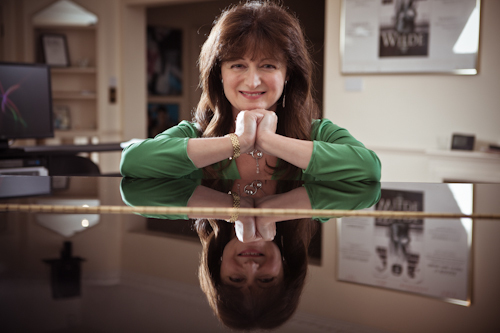
Just before the broadcast of Episode 3 of "Wolf Hall: The Mirror & The Light" on @BBCOne tonight at 9pm...on @BBCRadio3 at 7.15pm - a documentary, which started in March this year during the filming, following my process of composing the score :) 🎵🎼 bbc.co.uk/programmes/m00…
English