G-BTC
57 posts

🚨2026 CRYPTO PREDICTION ALPHA IS OUT! ✨
We’ve mapped out our base case for 2026, breaking down the macro, liquidity, and regulatory forces set to shape the next phase of crypto before the market prices them in.
Comment 'DM' below and we’ll SEND it to you! 👇

English
@kyledoops Seems less likely to be approved with the government shutdown.
English


G-BTC retweetledi

I’ve been seeing a lot of chatter on X about “peak cycle” and how the economy looks late-cycle. So I wanted to tackle this head on and share a few thoughts of my own...
This is from the August 21st MIT publication:
A classic late-cycle economy typically has all the following ingredients:
✅ Manufacturing sentiment is extreme (think ISM ~60)
✅ Services sentiment is extreme
✅ Homebuilder sentiment is extreme
✅ Consumer confidence is high
✅ Worker confidence is high (JOLTS quits rate rising sharply)
✅ Investor sentiment is very bullish
✅ Small business confidence is high
✅ Job openings and hiring plans are rising
✅ Wage data and surveys show accelerating pay increases
✅ CEO confidence is strong and capex is booming
Now, I could add more to this, but when you score all of these inputs and turn them into a single timeseries, here’s what you get (chart 1).
Using data from ISM, NAHB, NFIB, BLS, AAII, The Conference Board, etc., US sentiment, when viewed as a complete picture, remains very subdued. We’re just not even close to the euphoric levels we see late in the business cycle, when everything listed above is stretched to extremes.
Peak cycle is when the ISM rolls over from 60+ to sub-50, inventories unwind, and demand cools. Supply and demand reset, inflation pressures ease, and the cycle eventually recovers out of the slowdown or recession – mostly depending on the extent to which financial conditions tightened during the cycle, particularly late on as central banks hike rates and drain liquidity.
However, based on this full set of indicators, the data is pointing to something very different. This does not look like an above-trend late-cycle economy. It looks much more like an early-cycle economy trying to build momentum.
Another really important factor, and a key reason we believe both the ISM and this sentiment composite will grind higher this year and into 2026, is the sheer scale of central bank easing via rate cuts.
Right now, nearly 90% of central banks are cutting rates. That is extraordinary, and on a forward-looking basis, it is a massive tailwind for the business cycle (chart 2).
By my playbook, the time to start talking late-cycle is when the teal line rolls over and begins to drop, as central banks turn to hiking rates to slow growth. Even then, there’s usually a nine-month lag before higher rates hit the real economy.
Right now, we’re just nowhere near that... in fact, the opposite is true.
To my earlier point, slowdown or recession is largely a function of how much financial conditions tighten late in the cycle. Oil prices are a big part of this equation. When oil runs 50% above trend, that represents a massive tightening and has almost always signaled recession, looking back to the early 1970s.
However, right now, we are nearly 20% below trend and still falling, which shows this component of financial conditions is still easing (chart 3).
Also, as I’ve pointed out many times in previous reports, when you look at Temporary Help Services, it has early-cycle vibes written all over it (chart 4).
Rising growth from deeply negative levels is an early-cycle dynamic. It tells you the economy is in recovery mode, not rolling over.
Late-cycle is the opposite: positive year-on-year growth that’s slowing, which reflects an overheated economy losing steam.
Why is unemployment still rising?
Because it lags the cycle. Jobs data is a six-month look in the rear-view mirror.
Here’s the thing: full-time hires are expensive. Benefits, pensions, overhead…
So what do businesses do first?
They typically increase overtime hours and bring in temp workers. Only when they feel confident do they finally lock in full-time staff. That way, they can scale without locking themselves into long-term payroll commitments.
So, this isn’t late-cycle. It’s early-cycle (growth up + inflation down = Macro Spring), soon transitioning to mid-cycle (growth up + inflation up = Macro Summer).
That’s how I see it, anyway...


English


𝟕𝟎 𝐓𝐨𝐮𝐠𝐡𝐞𝐬𝐭 𝐈𝐧𝐭𝐞𝐫𝐯𝐢𝐞𝐰 𝐐𝐮𝐞𝐬𝐭𝐢𝐨𝐧𝐬
🔖Mandatory Bookmark
[🎁Bonus: PDF GiveAway for First 600 People ]
Follow @RAVIKUMARSAHU78, Like & Comment [PDF]

English

@cryptomanran A halving – sometimes referred to as halvening – is a planned reduction in the rewards miners receive (the term is mentioned in Bitcoin's code).
English
Please can we settle this, since we are 10 days away....
Is it HALVING OR HALVENING??
English

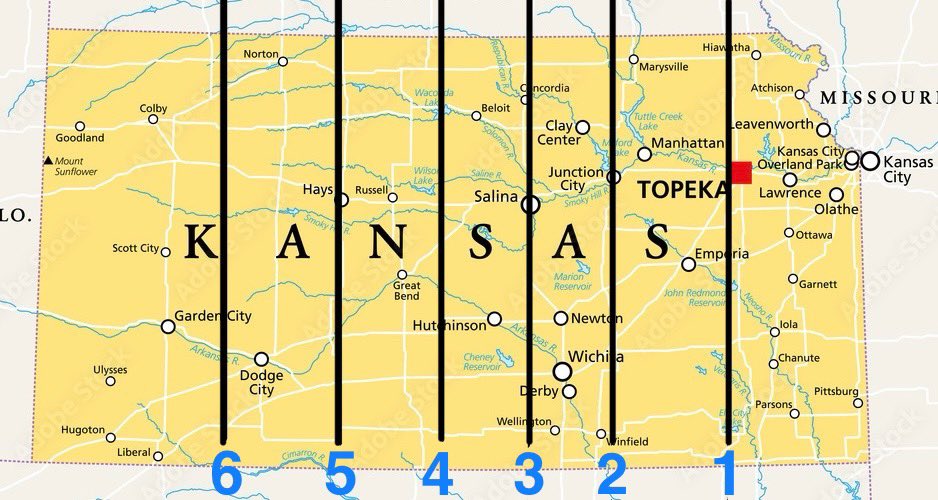
It’s that time. Rock Chalk Roll Call 🗣️
Where we supporting the Jayhawks from today!!??
English
G-BTC retweetledi

This Altcoin Narrative Will BLOW UP ARB, MATIC,... twitter.com/i/broadcasts/1…
English
Man takes huge risk by parachuting over the pyramids
English
G-BTC retweetledi

G-BTC retweetledi
$40K BITCOIN NEXT! Is The Pullback CANCELED? twitter.com/i/broadcasts/1…
English

What’s your favorite chant? Mine is either USA USA or Defense 👏🏻👏🏻Defense
English