Garrett Shipp

1.2K posts

Garrett Shipp banner
Garrett Shipp

Garrett Shipp

@GShipp

investor in services businesses (B2B, financial and tech services) ex-Investment Banking at BAML | ex-PE at HGGC | ex-operator at Integrity Marketing Group

Dallas, TX Katılım Şubat 2009
353 Takip Edilen547 Takipçiler
Garrett Shipp
Garrett Shipp@GShipp·
@pseino Only the real ones watch it late into the night before heading to work on Monday!
English
0
0
0
4
Paul
Paul@pseino·
Because of the time difference, we don't watch General Conference at church this weekend in Australia. We watch it next Saturday and Sunday in our meetinghouses and homes. But we can also watch it live online this weekend. So, we get the blessing of having two General Conference weekends in a row!
English
1
0
2
78
Garrett Shipp
Garrett Shipp@GShipp·
@SMBQuest I have one. Maybe 6 months old. We should connect re: pool sometime anyhow
English
0
0
0
5
Garrett Shipp
Garrett Shipp@GShipp·
It’s honestly only possible if you have an industry leading organic growth engine combined with an industry leading m&a capability. That said, you can’t hand that multiple out to everyone Equity returns after paying 18x for anything are incumbent upon being able to pull every lever
English
0
0
1
22
six handle
six handle@six_handle·
I really don’t understand how anyone can justify paying 18x for an HVAC company (on an EBITDA that is probably 25% fake). Without highly consistent good leadership, HVAC is so fragile and revenue quality is mid tier at best. These are not document storage or pest control biz.
English
4
0
0
94
Garrett Shipp
Garrett Shipp@GShipp·
@BigJohn043 Gotta talk your book in that spot. Lots of content being created by TB and Vista this last little bit.
English
0
0
2
236
Todd Llewellyn
Todd Llewellyn@ToddLlewellyn·
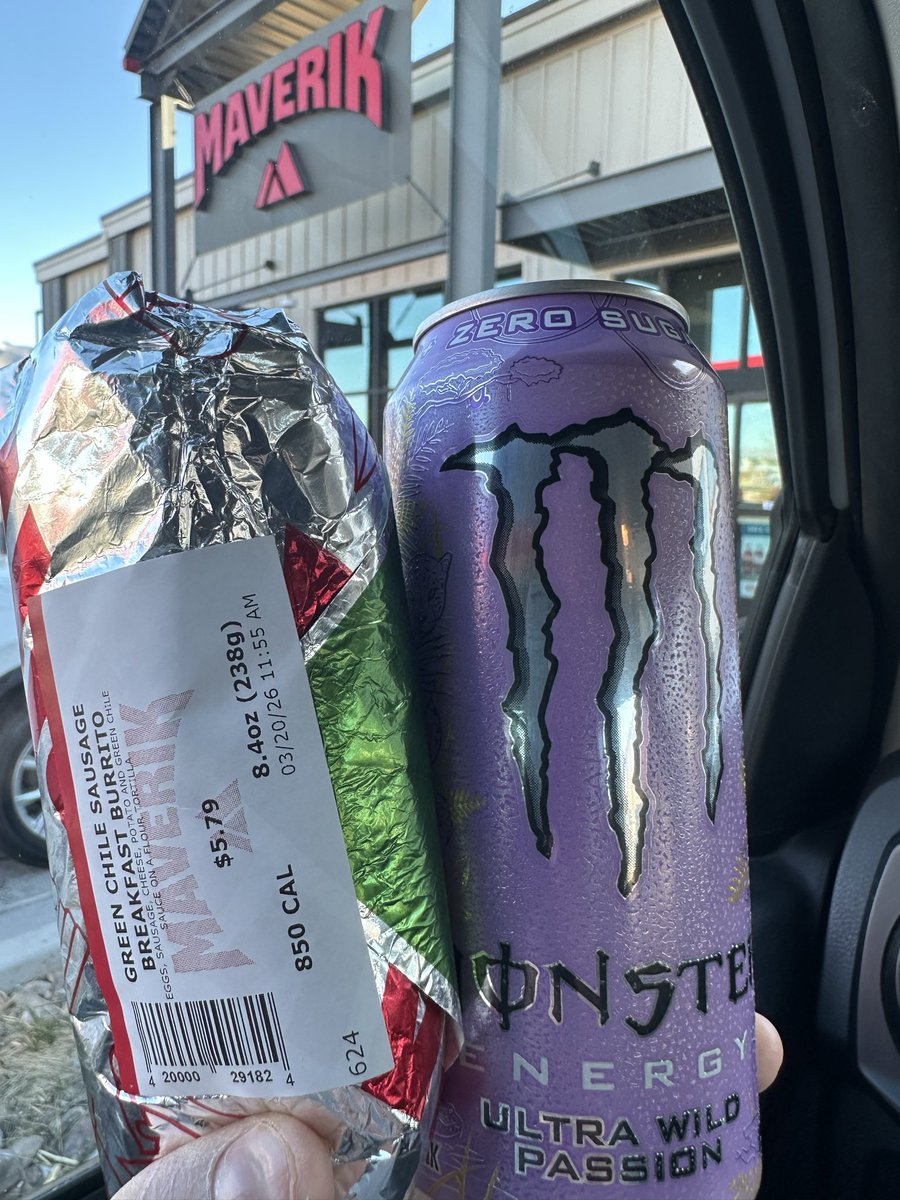
Blue Collar Breakfast. Happy Friday!!!!
Todd Llewellyn tweet media
English
14
1
81
27.6K
JustAnotherGuy
JustAnotherGuy@bonapartay·
So my greediness caused me to lose out on a $1.6m EBITDA deal for $3.4m. I squeezed the owners pretty hard and had a well hedged deal in place. It may come back around it may not. Could have done it with no equity as it was in the same NAICS code. Would have taken us from $10M
English
14
0
38
12K
Todd Llewellyn
Todd Llewellyn@ToddLlewellyn·
Me thinking about what this BYU season could have been
GIF
English
6
2
83
1.4K
Garrett Shipp
Garrett Shipp@GShipp·
@GrantHensel Maybe investor returns will have to start mirroring something more akin to funded searches
English
0
0
0
186
Grant Hensel (SMB Investor)
Grant Hensel (SMB Investor)@GrantHensel·
🚨 Did the SBA just slam the door on investor equity in self-funded search? They seem to be applying a “one strike and you’re out" rule to minority investors. WHAT HAPPENED: Historically, anyone who personally guaranteed an SBA loan and became delinquent or in default was barred from getting another SBA loan. This makes sense. But now, it seems like the SBA has expanded that rule to ALSO cover minority investors (who are not signing the personal guarantee and do not have any operational control). This is not a change the SBA has publicly announced. We found out about it the hard way on a recent deal when the SBA told the bank that 100% of beneficial owners cannot be people who participated in past SBA-backed deals that have gone into delinquency or default. We had to remove two small investors from our fund to get the deal done. This is apparently related to an ETRAN update, in which the system no longer distinguishes between the majority owner/operator/guarantor and minority investors when applying the eligibility rules. The rule appears to be: If you invest $1 into an SBA-backed acquisition, and that deal goes bad, you can never participate in an SBA transaction again. Ever. This is true even if you're an LP in a fund investing in SBA deals, and one of their SBA investments goes belly up. (Needless to say: Entrepreneurial Capital LPs, we are pausing SBA investments while we work to get more clarity here; fortunately our non-SBA pipeline is robust) WHAT IT MEANS IF THIS IS TRUE: Minority investing in SBA deals becomes much more difficult. The risk for an investor is dramatically higher than before. And even those investors willing to take the risk are apparently banned for life once a single deal goes bad. The SBA deals with the most outside equity are the larger transactions, businesses with $1m+ of EBITDA. If this is true, competition for those businesses will likely decrease, because SBA debt will effectively only be usable by people with enough money to do the entire equity injection themselves. That means a smaller buyer pool, and lower multiples. (Favoring well-capitalized buyers at the expense of those with less personal capital) MY QUESTION: Is this what others are seeing, or is there a bigger picture here?
English
8
0
13
6.4K
John Wilson
John Wilson@WilsonCompanies·
@GShipp Could I chat with you offline about that?
English
1
0
0
719
John Wilson
John Wilson@WilsonCompanies·
Starting a CFO search, where should I be looking? 10M EBITDA, 200 employees, 3 states, 4 locations. Halp!
English
41
4
70
27.7K
Wealth M&A Insider
Wealth M&A Insider@wealthMAinsider·
Gen 2 wealth advisors get the worst of RIA acquisitions — founder cashes out, you get a new boss and no upside. How to fight back: ∙Get in the room before LOI is signed. After that, your leverage is diminished ∙Know if clients would follow you. That’s your currency ∙Push for rollover equity in the deal — even a small slug changes your trajectory ∙Negotiate your own retention pool, separate or part of the founder’s earnout ∙Get title, comp, and equity path in writing before close. Verbal promises evaporate ∙Position as a builder, not a flight risk — threats are a weak play The uncomfortable truth: if the deal leaves you with no equity and a non-solicit you can’t escape, the founder told you exactly how much they valued you. The advisors who win are the ones who have the equity conversation before a buyer showed up.
English
9
0
25
12.3K
One Man LBO
One Man LBO@OneManLBO·
@dealflow_guy Agreed, this is not a good take. Failure to close eliminates far more people than operating poorly (though operating poorly obviously has far greater downside)
English
2
0
6
606
Chamath Palihapitiya
Chamath Palihapitiya@chamath·
What happened at Social Capital was several things: 1) Personally, I was going through a divorce. It was a very hard time. 2) My ostensible “cofounders” spent more time jostling for board seats and credit for deals with outsiders vs doing good work and mentoring a team. They made the place a political snake pit - something that I had unfortunately allowed to happen. So I killed the snake. 3) It was increasingly clear that my returns were sporadic but gargantuan and didn’t fit in a classic fund with LPs. I was a home run hitter in a business where raising new funds invariably led you to hitting singles and doubles. In other words, I was making suboptimal portfolio decisions so I would return capital in order to keep raising funds. This was important to stack the compensation of my team who had far less capital than I did. I’m in a much better place now personally and professionally. We invest only my capital and so far, so good. Long live Social Capital.
Evis Drenova@evisdrenova

Most tech podcasts are so fucking boring. The host is either some person who couldn't hack it in a operating role (VC, engineer, founder, etc.) or some VC who is just doing it to get deal flow. No one cares what Bill Gurley thinks about AI, they want to hear about why he fucked over TK at Uber. No one cares what Chamath thinks about politics, they want to hear about what happened at Social Capital and why he closed the fund. No one cares what Keith Rabois has to say about Miami, they want to hear about what happened at OpenDoor. No one cares what Sam Altman thinks about AGI, they want to hear about why he was fired from YC and (initially) OpenAI. But instead we get these boring, sanitized conversations about why SaaS companies are or are not dead. Topics no one gives us a shit about.


English
236
53
2.1K
1.1M
Garrett Shipp retweetledi
Cincinnati Bearcats
Cincinnati Bearcats@GoBEARCATS·
Ahead of tonight's matchup with BYU, Cincinnati would like to extend its gratitude to the @BYUCougars community and The Church of Jesus Christ of Latter-day Saints for their generosity. Their November donation was the largest in the history of the Bearcats Pantry.
English
33
236
2.5K
98K
Garrett Shipp
Garrett Shipp@GShipp·
@kintsugiinvest What makes this feel different to me is the “AI will destroy several sectors” overly…
English
0
0
0
7
Kintsugi Investing
Kintsugi Investing@kintsugiinvest·
The US just killed Iran's Supreme Leader. Markets open Monday to oil up 13% and everyone asking the same question: should I sell? History says: probably not. We pulled up S&P 500 returns after every major geopolitical shock since World War II. The data is more reassuring than the headlines. What the numbers actually show: 📊 After 1 month — markets average (1.2%). Fear is loudest here. 📊 After 3 months — already recovering. Median return: 2.5%. 📊 After 12 months — S&P was higher 63% of the time. Median return: 7.4%. The crises investors thought were different: 🔴 Pearl Harbor — down 1% at 1 month. Up 4.3% at 12 months. 🔴 Cuban Missile Crisis — up 5.1% at 1 month. Up 27.8% at 12 months. 🔴 9/11 — down 0.2% at 1 month. Up 18.4% at 12 months. 🔴 Iraq War — up 1.9% at 1 month. Up 26.7% at 12 months. 🔴 Iranian General Killed (2020) — up 1.9% at 1 month. Up 14.4% at 12 months. What makes this one feel different: ⚠️ The Strait of Hormuz — a 21-mile waterway controlling 20% of global oil — is now genuinely at risk. 150 tankers have already dropped anchor and stopped moving. Insurance companies have pulled out. ⚠️ This isn't just a military event. It's an energy supply event. Oil at $100+ is plausible if the Strait disruption holds. But here's what the data keeps telling us: 💡 The investors who sold during the crisis didn't protect themselves. They just made the paper loss permanent. 💡 "This time is different" is the most expensive phrase in investing. 💡 Every single crisis on that list felt unsurvivable in the moment. The pattern isn't that markets don't fall. It's that the investors who stayed calm came out ahead of the ones who were certain of disaster. The chart is attached. Worth saving. Which crisis on that list would have broken your conviction?
Kintsugi Investing tweet media
English
1
1
9
2.1K