JG

783 posts

JG

JG

@GarnerJosh1667

Celtic and Indo-European; Palaeo-European Substrates. Durham University. Cynghanedd. Cymro.

🏴󠁧󠁢󠁷󠁬󠁳󠁿 Katılım Ekim 2023
28 Takip Edilen110 Takipçiler
Sabitlenmiş Tweet
JG
JG@GarnerJosh1667·
✴️Proto-Germ *wōstaz, *wōstuz ‘uninhabited region’ ✴️ Proto-Celt *wāstos ‘empty’ ✴️ Proto-Italic *wāstos ‘desert, wasteland, unoccupied’ I suspect may also belong here (confined to W Europe)? @glitchpoke @JLingPystynen
JG@GarnerJosh1667

*️⃣ Basque ~ Pre-Greek ~ Nakh-Daghestanian B: baso 'forest; mountain, wild, uncultivated land PGr: bêssă ~ bâssa 'wooded combe, glen' and 'thickly wooded country, woods in general' ND: Lak wacʼa /wat͡sʼa/, Dargwa wacʼa 'woods, forest'

Català
0
1
4
324
JG
JG@GarnerJosh1667·
@Santialonsovigo Muchísimas gracias! Btw, me encantan sus fotos de los hórreos, cruceiros y chozos 👍🏻
Español
0
0
0
8
JG
JG@GarnerJosh1667·
@Santialonsovigo .Hola señor, es posible de visitar a las Islas Cies en Abril? Gracias
Español
1
0
1
20
JG
JG@GarnerJosh1667·
@Santialonsovigo ¡Muchísimas gracias! ¿Tiene algunas recomendaciones de sitios para ver allí? ¿Lugares para comer? :)
Español
0
0
1
15
S A N T I
S A N T I@Santialonsovigo·
@GarnerJosh1667 Por su puesto que es aconsejable y seria un pecado no ir a Cangas do Morrazo o también a Moaña.
Español
1
0
1
37
S A N T I
S A N T I@Santialonsovigo·
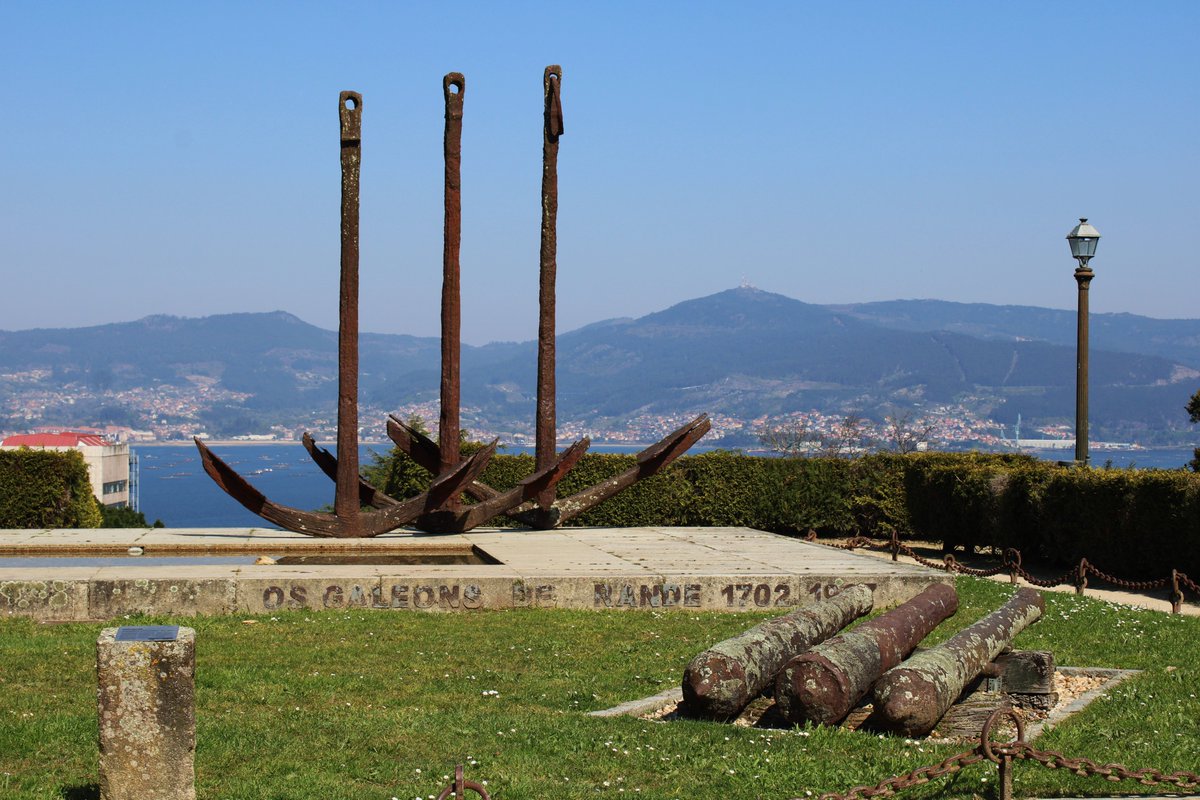
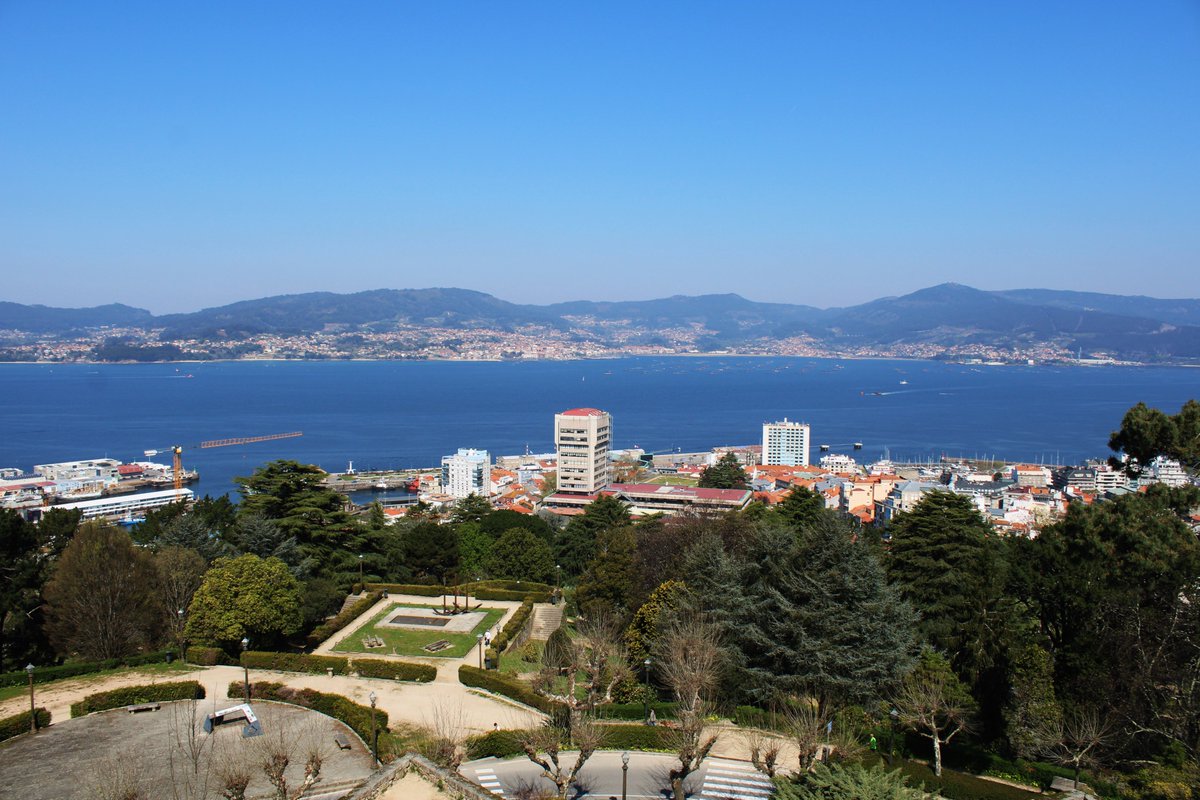
Vigo desde O Castro.
S A N T I tweet mediaS A N T I tweet mediaS A N T I tweet mediaS A N T I tweet media
Español
2
3
43
1.3K
JG
JG@GarnerJosh1667·
@Santialonsovigo Hola, señor. Disculpe por hacer tantas preguntas. Estoy pensando en ir en barco a Cangas desde Vigo. ¿Merece la pena visitarlo? Gracias 🙂
Español
1
0
1
27
JG
JG@GarnerJosh1667·
@Santialonsovigo Vale 👍🏻 Gracias de todos modos!
Español
1
0
1
17
S A N T I
S A N T I@Santialonsovigo·
@GarnerJosh1667 En Santiago no tengo conocimiento de lugares especiales para tomar algo.
Español
1
0
1
37
JG
JG@GarnerJosh1667·
@Santialonsovigo Hola señor, Gracias por la lista de restaurantes en Vigo que me diste el otro día. Todos parecen estupendos. ¿Conoces algunos en Santiago? Moitas grazas 👍🏻
Español
1
0
1
25
S A N T I
S A N T I@Santialonsovigo·
@GarnerJosh1667 Sitios para visitar típicos, o casco vello, el Náutico, Puerto de Bouzas, el monte de O Castro, A Guía, parque de Castrelos, playas, a taberna de Tony, Pintan Tapas, cervecería Imperial, Bar Carballo, mesón Compostela, mesón Águila, la Aldeana, Habemus... etc. Que disfrutes 👍
Vigo, Spain 🇪🇸 Español
2
0
1
90
JG
JG@GarnerJosh1667·
@Santialonsovigo Muchisimas gracias! Vigo me parece muy bonito!
Español
0
0
1
27
JG
JG@GarnerJosh1667·
Been very busy lately… still working on Basque stuff behind the scenes!
English
0
0
1
35
JG
JG@GarnerJosh1667·
Was a Vasconic language once spoken in parts of present-day Galicia and northern Portugal?
English
0
0
0
63
JG retweetledi
JG
JG@GarnerJosh1667·
✴️Proto-Germ *wōstaz, *wōstuz ‘uninhabited region’ ✴️ Proto-Celt *wāstos ‘empty’ ✴️ Proto-Italic *wāstos ‘desert, wasteland, unoccupied’ I suspect may also belong here (confined to W Europe)? @glitchpoke @JLingPystynen
JG@GarnerJosh1667

*️⃣ Basque ~ Pre-Greek ~ Nakh-Daghestanian B: baso 'forest; mountain, wild, uncultivated land PGr: bêssă ~ bâssa 'wooded combe, glen' and 'thickly wooded country, woods in general' ND: Lak wacʼa /wat͡sʼa/, Dargwa wacʼa 'woods, forest'

Català
0
1
4
324
JG
JG@GarnerJosh1667·
Basque argi ‘light’ ~ Prot-Nakh-Daghestnian #b=VrVg ‘sun’ — “initial labial must have been a prefix”, per Nichols
English
0
0
0
84
JG
JG@GarnerJosh1667·
✴️ Basque: 1) baltsa ~ paltsa 'puddle, pool, pond' 2) baltsa ~ paltsa ~ maltsa ‘mud, clay’ Nakh-Daghestanian: Archi ɬamcʼa [ɬam.t͡sʼa] ‘swamp’ with metathesis.  @glitchpoke Thoughts? Stretch?
Eesti
2
1
2
228
Michael Weiss
Michael Weiss@MWeissOHCGL·
@GarnerJosh1667 @JLingPystynen In South Picene we have evidence for hypercorrect spellings of l with d e.g. kdúíú = clueo 'I am called', qdufeniúí = Clufennio (name). For initial d > l cases see Prosper 2019 What became of "Sabine l"? An overlooked Proto-Italic sound law The Journal of Indo-European Studies
English
1
0
4
129
JG
JG@GarnerJosh1667·
Anyone know what’s behind the d ~ l alternation in Latin? Cf. lacrima, lingua, etc. @JLingPystynen
English
3
0
5
316
JG
JG@GarnerJosh1667·
@JLingPystynen Yes, that could be a possibility.
English
0
0
0
30
J Pystynen ✽🫐 🗒☕⌘🚯🧦ᴤ
@GarnerJosh1667 Or various other scenarios depending on the specific word, e.g. lingua being after lingō 'lick' seems to be popular. Etruscan is a different case because it has itself no /d/ to begin with, and perhaps /l/ could have been a reasonable way to substitute /d/ in foreign loanwords.
English
1
0
2
78
JG
JG@GarnerJosh1667·
@nicolabi @glitchpoke Thanks… Yes, there are other cognates too. I’m unsure whether Greek βάλτος 'swamp, quagmire, bog' is from Albanian. Unsure whether the word is in A Greek too
English
0
0
2
32
Nicola Bianco
Nicola Bianco@nicolabi·
@GarnerJosh1667 @glitchpoke That's interesting. Reminds me of gallo-romance variants of palta e.g. PMS: pàota (said to be from a late Latin *palta which I've never heard of, but admittedly of unknown origins)
English
1
0
2
57
JG
JG@GarnerJosh1667·
@JLingPystynen Thanks. So some dialect where /d/ is replaced by /l/… Etruscan may have an instance of d ~ l, cf. Etr littera ‘letter, but also ‘letters’ and ‘books’ v Pre-Greek diphthérā ‘leather; writing material’. Ofc, Pre-Greek famously alternates dentals and liquids too, cf. Ulysses
English
1
0
2
83
JG
JG@GarnerJosh1667·
Metathesis is unproblematic (and there may be parallel cases) imo
English
0
0
0
93