Gayatri Srivastava

1.6K posts

Gayatri Srivastava

Gayatri Srivastava

@GayatriSinha

Host-'Gupshup with Gayatri', Media Academic XIC, IIMC, LSR, Author & Former Journalist

Mumbai, India Katılım Eylül 2009
526 Takip Edilen287 Takipçiler
Gayatri Srivastava
Gayatri Srivastava@GayatriSinha·
Wise words that TV news editors need to hear and incorporate in their bulletins
Nirupama Menon Rao 🇮🇳@NMenonRao

Why does so much Indian TV news sound permanently out of breath/breathless? Every debate feels like a national emergency, every headline like a battlefield dispatch. Anchors speak in rising crescendos, panels shout over one another, graphics often flash like alarm systems. The Iran war for instance is depicted on screen framed in flames and “mahayudh” screaming all over it. We are unique in this pitch of constant crescendo. It is not merely a broadcasting style. It reflects something deeper about us. Our television news evolved in the age of ratings wars, political spectacle and 24/7 competition for attention. Calmness came to be mistaken for dullness. Excitement became a business model. Nationalism, grievance, triumphalism, insecurity, outrage, aspiration, wounded pride, civilisational assertion, all coexist simultaneously. The result is a media register that sounds permanently adrenalised. But older Indian broadcasting was very different. Listen to archival Doordarshan clips from the 1970s or 80s. The tone was measured, restrained, even austere. News was delivered as information, not performance. Television producers have learned that perpetual urgency creates emotional addiction. If everything is historic, explosive, shocking, decisive, existential, viewers remain physiologically engaged. The problem, of course, is exhaustion. Nations cannot permanently exist at emotional fever pitch without consequences for public discourse. Today we often sound perpetually excited, perpetually mobilised, perpetually “on”. Perhaps television has become the mirror of a society itself in emotional overdrive: restless, aspirational, anxious, performative, seeking validation every minute. The irony is that true authority rarely needs to shout. Confidence usually speaks in a quieter voice. So the raised pitch is not just acoustics. Today the country is increasingly performing itself to itself. And yes, I know I am about to be eaten alive for saying this, on Indian television and social media alike. That is perfectly fine. But perhaps it is time we introspected a little on what we have become, and why we now seem unable simply to speak to one another in a normal tone. Much of our television news increasingly resembles coloratura without pause: high-pitched, breathless, emotionally over-ornamented, forever climbing toward some impossible crescendo. Every night, the nation seems to be singing at full volume. But societies cannot live permanently at operatic pitch. At some point, we must learn again the power of modulation, silence, restraint, and calm.

English
0
0
0
13
Narendra Nath Mishra
Narendra Nath Mishra@iamnarendranath·
पर्सनल अपडेट- लगभग दो दशक से भी अधिक समय के बाद आज मैं मेनस्ट्रीम मीडिया से अलग हो रहा हूँ! आज से अभी से आज़ाद हूँ! अब अपने दम पर, अपनी पसंद का कुछ करने निकल रहा हूँ। मेरे लिए बहुत शानदार सफर रहा और बीच में अचानक चल रहे कम्फर्ट जोन के सफर को रोकना और फिर कुछ नया करने का फैसला कठिन है! क्या करूँगा, यह अभी पूरी तरह स्पष्ट नहीं है। लेकिन इतना तय है कि यह रास्ता आसान नहीं होगा… और असंभव भी नहीं। इस सफर में मुझे आपके सहयोग, समर्थन की ज़रूरत होगी। मैं बहुत कुछ करना चाहता हूँ, अपने तरीके से, अपनी शर्तों पर, बिना किसी बंधन के। इन बीस वर्षों में पत्रकारिता के कई रंग देखे हैं। बिहार के सुदूर गाँवों में मुखिया चुनाव से लेकर अमेरिका के राष्ट्रपति चुनाव तक, दोनों को कवर करने का मौका मिला। यह रेंज शायद ही किसी के पास हो। क्योंकि जो लोग मुखिया चुनाव  को कवर करते हैं, उन्हें अक्सर दिल्ली तक में जगह बनाना मुश्किल होता है… और जो अमेरिका की राजनीति को कवर करते हैं, वे शायद ही कभी किसी पंचायत चुनाव तक पहुँचते हैं। दुनिया के तीन देशों से फेलोशिप मिली। एक किताब लिखी, और ऐसे समय में लिखी जब राजनीति सबसे ज़्यादा ध्रुवीकृत थी। फिर भी, उसे लेफ्ट, राइट और सेंटर, तीनों ने सराहा। पटना, मुजफ्फरपुर, मेरठ, रांची, गोरखपुर, कानपुर, नोएडा होते हुए दिल्ली तक के सफर में अनगिनत लोगों का साथ मिला, उन सभी का दिल से शुक्रिया। आज भी याद है, 2014 का वह सफर, जब देश को करीब से देखने निकला था। दिल्ली से लखनऊ, पटना, गुवाहाटी, कोहिमा, कोलकाता, भुवनेश्वर, हैदराबाद, चेन्नई, कन्याकुमारी, त्रिवेंद्रम, बेंगलुरु, मुंबई, अहमदाबाद, भोपाल, रायपुर, अमृतसर, जम्मू, श्रीनगर, जयपुर… और फिर दिल्ली। 29 दिनों की वह यात्रा, सेकंड क्लास स्लीपर में, अब भी यादों में ताज़ा है। इन सालों में देश समाज राजनीति को नजदीक से समझा जाना और इसके विविद रंगों को महसूस किया! कहते हैं क़ि रिपोर्टिंग में आप ग्राउंड पर होते हैं तो हर एक किलोमीटर पर एक कहानी मिलती ह। मैंने तो लाखों किलोमीटर नापे! अब फिर उन कहानिओं के बीच जाने का समय है! स्वरुप क्या होगा पता नहीं! उम्मीद है, आगे जो भी करूँगा, आप साथ देंगे। आज सिर्फ आभार व्यक्त करने का दिन है। उम्मीद है, आगे जो भी करूँगा, आप साथ देंगे। धन्यवाद। 🙏
Narendra Nath Mishra tweet media
हिन्दी
506
184
2.3K
224.1K
Gayatri Srivastava
Gayatri Srivastava@GayatriSinha·
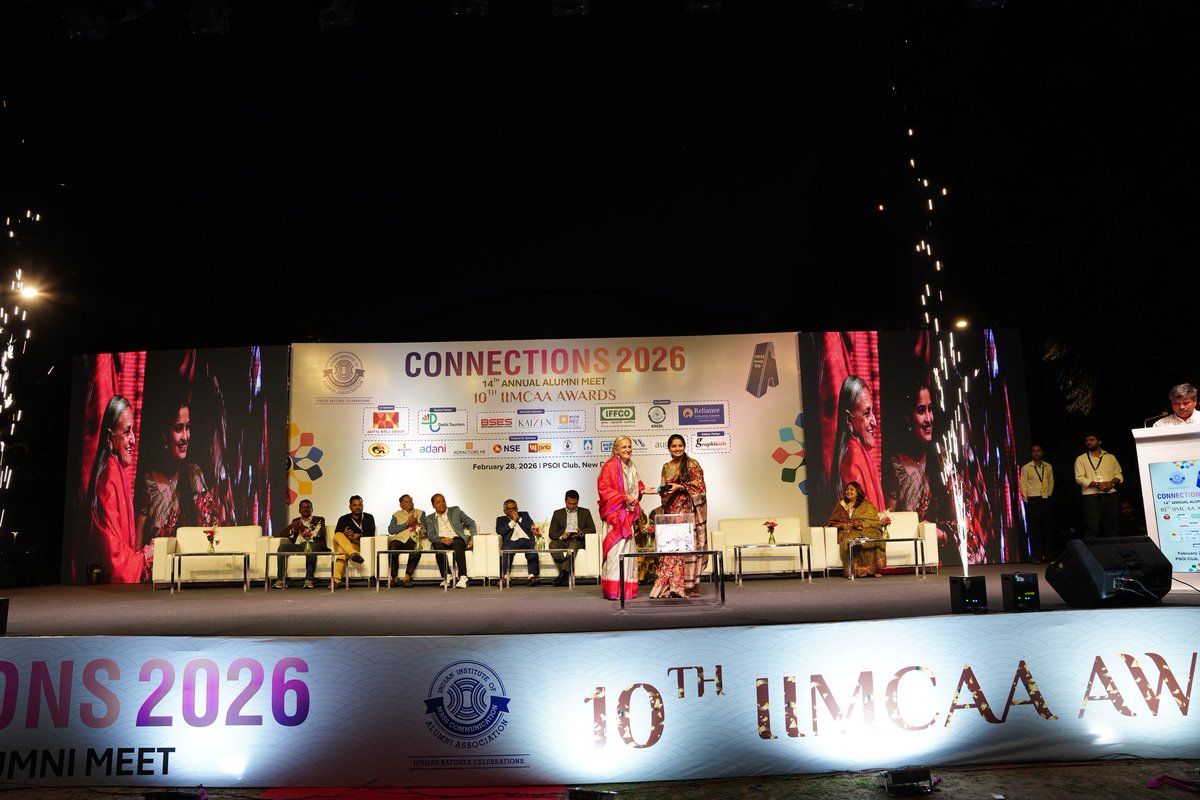
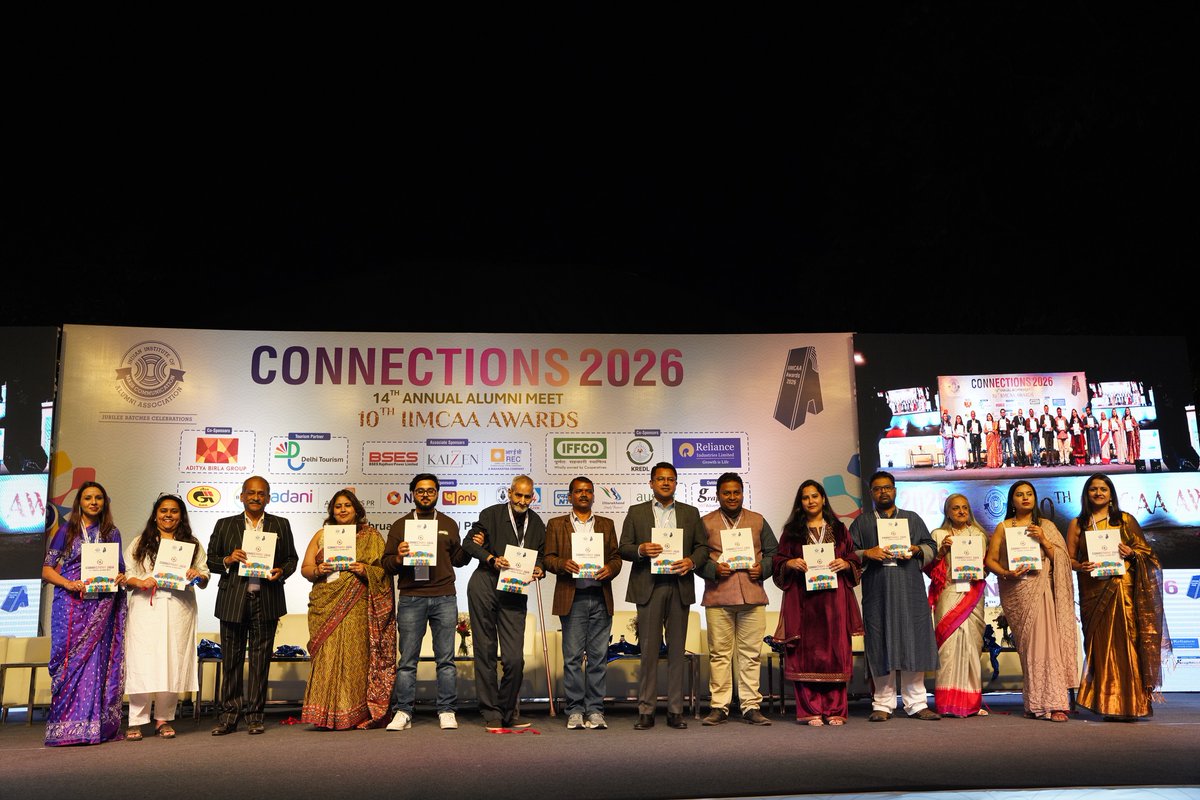
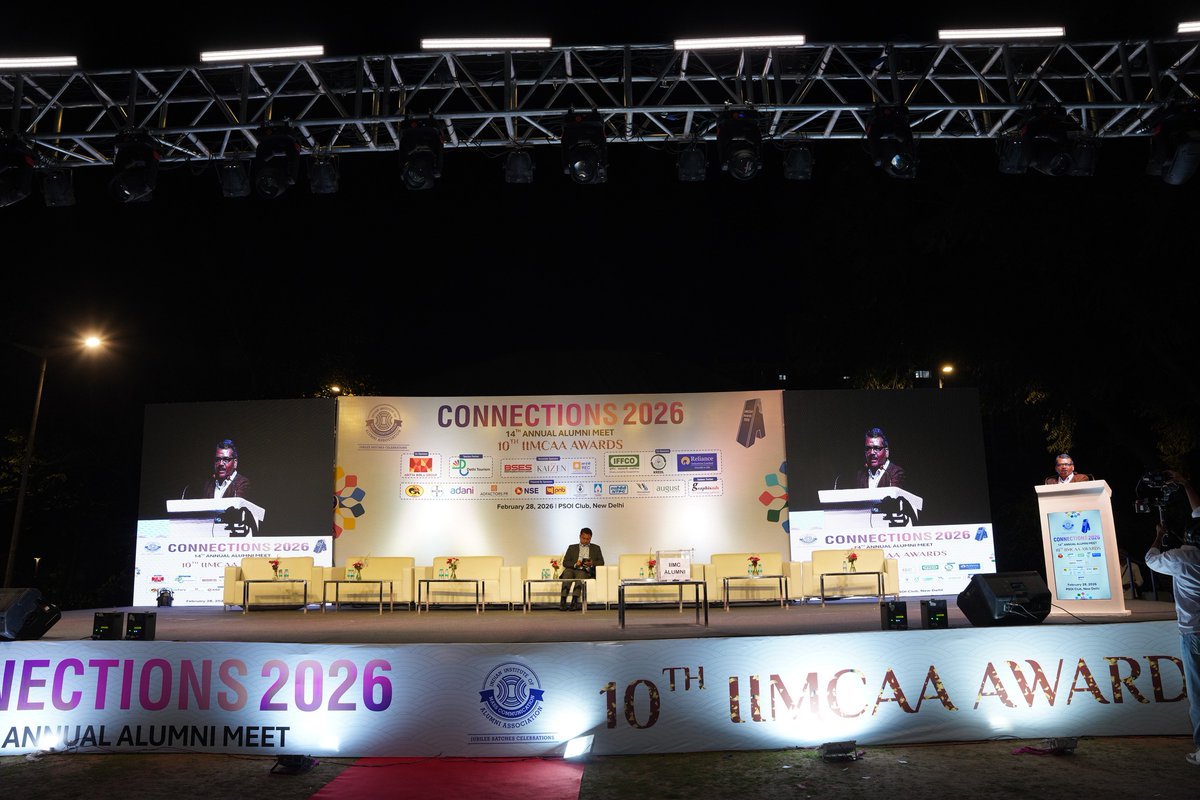
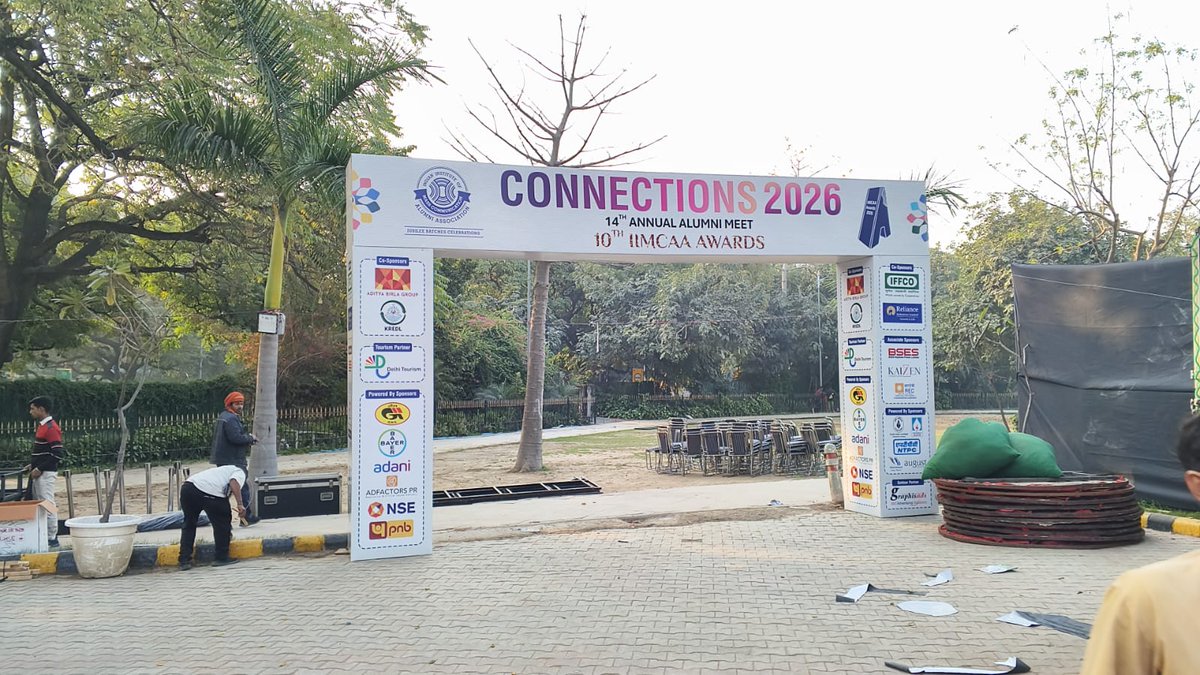
An evening of nostalgia and celebration! Well done @IIMCAA
DD News@DDNewslive

#WATCH | The Alumni Association of the Indian Institute of Mass Communication (IIMC) hosted the 14th Connections Meet, where winners of the 10th IIMCAA Awards were announced, and journalists were honoured for their contributions. Maharashtra and Bihar received the Connecting Chapter Award, while DD News journalists were recognised with the Connecting Group Award. Golden and Silver Jubilee honours were also conferred on distinguished alumni. @IIMC_India @IIMCAA #IIMC #IIMCAlumni #ConnectionsMeet #IMCAAwards

English
0
0
1
11
Gayatri Srivastava retweetledi
Vikrant
Vikrant@tightvcptrader·
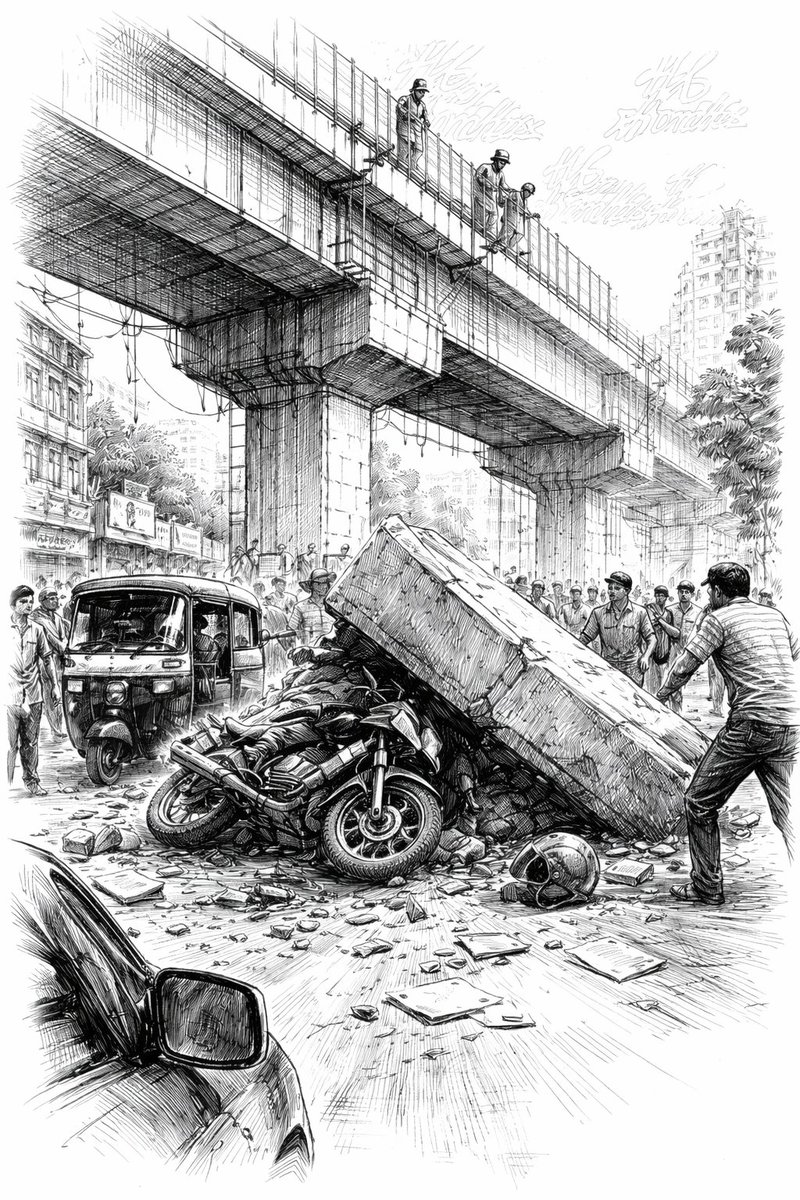
Ramesh kept his documents in a blue plastic folder inside the cupboard. Electricity bills, insurance papers, tax returns all neatly arranged. Every March, he would sit at the dining table with a calculator and his reading glasses, making sure nothing was missed. His wife would tease him for being so particular. “Even the government doesn’t care this much,” she once laughed. But Ramesh cared.He believed that if you lived correctly, life would behave correctly in return. You pay your taxes. You buy health insurance. You don’t bribe. You stop at red lights. You build things slowly, properly. He had spent twenty-five years building small securities a modest flat in Mulund, a fixed deposit for his son’s education, a medical policy renewed every year without fail. He wasn’t rich, but he was careful. Careful felt close to safe. That afternoon, the sun was harsh. The kind that makes the road shimmer. He stopped at the signal on LBS Road and wiped sweat from his neck. Above him, the metro line stood unfinished concrete segments resting on pillars like heavy thoughts paused mid-sentence. It had been under construction for so long that no one really noticed it anymore. He had contributed to it too, in ways he never saw directly. Through deductions on his payslip. Through rising fuel prices. Through the idea that the city would become better for his son. The signal turned green. He moved forward with everyone else. The sound came suddenly a crack that didn’t belong to traffic. Some people later said they thought it was construction noise. Others said they felt the vibration before they heard it. There was no time for understanding. Just weight. Dust rose and covered everything in a pale cloud. For a few seconds, the afternoon disappeared. When the air cleared, people were running. Someone was shouting instructions. A helmet lay on the road, cracked neatly down the middle. By evening, traffic began moving again, squeezed around the debris. The metro pillars still stood. Work would pause, then resume. It always does. At home, the blue plastic folder remained exactly where he had kept it. The insurance policy was active. The tax returns were up to date. The investments were in order. All the careful planning remained intact. Only he did not. In the days that followed, there were announcements, suspensions, fines. Numbers were discussed. Compensation was calculated. The language was official and steady. But there is something unsettling about how quickly life can be translated into an amount. Ramesh had done everything he was told a responsible citizen should do. He had believed that responsibility created a thin shield between you and chaos. Yet that afternoon, beneath a structure meant to represent progress, the shield proved invisible. The city will move faster one day when trains run overhead. People will look up at the smooth concrete and think of efficiency, convenience, growth. Very few will think of the afternoon when something unfinished decided to fall. And in a small flat in Mulund, a blue plastic folder will remain perfectly arranged, carefully preserved presenting a quiet reminder that doing everything right does not always make a life heavier than concrete.
Vikrant tweet media
English
137
921
2.7K
151.2K
Gayatri Srivastava
Gayatri Srivastava@GayatriSinha·
@priyankac19 What makes it even more relevant to India is the fact that the bulk of our population is young and AI is taking/ going to take away entry level jobs. That will compound our unemployment issue. Policy makers must take note.
English
0
0
1
319
Priyanka Chaturvedi🇮🇳
Priyanka Chaturvedi🇮🇳@priyankac19·
The article on AI by Matt Shumer that’s being widely shared is not to scare but to prepare the world to a new way of living and working. It asks to adapt rather than avoid the inevitable. Bound to happen with the growth of tech however what is a challenge is that AI levers are in the hand of a few tech giants, which will need urgent addressing.
English
43
53
450
40.1K
Gayatri Srivastava retweetledi
Maheshwer Peri
Maheshwer Peri@maheshperi·
We seemed to be waging a war against education, literacy and scientific temper. This is no way to become a Vishwaguru or reap our demographic dividend! The North vs South divide in the approach clearly shows the priorities. Watch..
English
73
847
1.8K
55.8K
Gayatri Srivastava retweetledi
Press Club of India
Press Club of India@PCITweets·
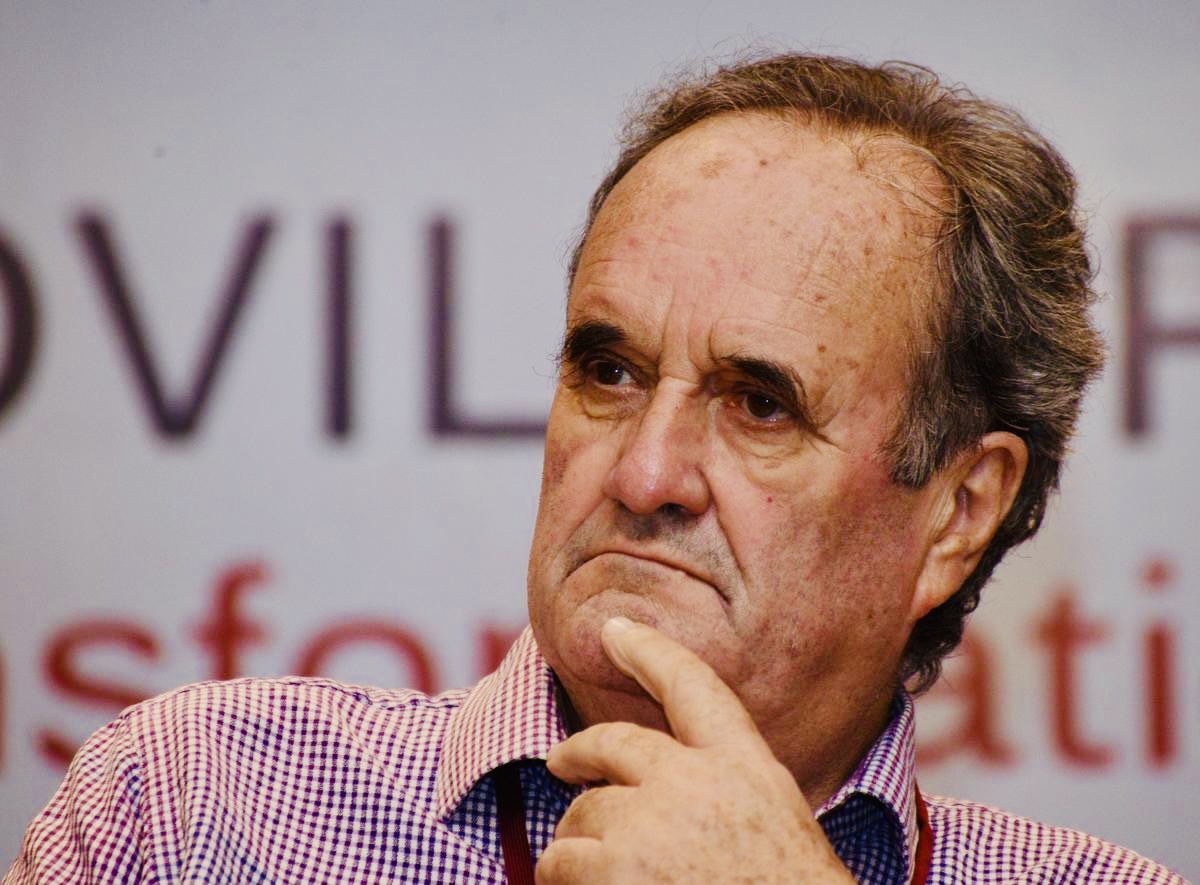
The Press Club of India expresses profound sadness at the passing of its long-time member, Mark Tully. An iconic journalist, a distinguished author and chronicler of India, Tully passed away at a private hospital in Delhi today, January 25. He was 90. Known for his insightful reporting and deep understanding of India's social and political landscape, Tully's contributions to journalism, particularly during his tenure with the BBC, are invaluable. He was a pioneering legend of radio journalism. Tully was an embodiment of fearless journalism which he conducted with utmost humility. He was revered as the BBC’s “Voice of India” for his meticulous and timely reportage from a country which was then taking a slow and steady steps towards nation-building. After being sent back to London in 1969 following a ban on the BBC in India, Tully returned to New Delhi in 1971. His return coincided with the 1971 India-Pakistan War and the Bangladesh Liberation War. His reporting during this time earned him immense credibility across South Asia. His 1971 return to India marked the start of a long-term residency during which he covered major events in the sun-continent including the Emergency and Operation Blue Star India besides several prime ministerial assassinations in the region. Someone who was passionate about ground-reporting and a storyteller par excellence, Tully was one of the few journalists present in Ayodhya on December 6, 1992, and he broke the news of the mosque's demolition to the world. Tully authored approximately 10 books (both fiction and non-fiction) that explored India's social, political, and spiritual landscape. One of his most famous works – No Full Stops In India – which was released in 1988, argued against the "Westernization" of India and celebrating its indigenous traditions. For his contributions, he was knighted in the UK in 2002 and received the Padma Bhushan from India in 2005. Our heartfelt condolences are extended to his family, friends, and all individuals who were touched by his remarkable journey and achievements. May he attain eternal peace.
Press Club of India tweet media
English
22
235
781
23.2K
Gayatri Srivastava retweetledi
Narendra Nath Mishra
Narendra Nath Mishra@iamnarendranath·
IMF की गीता गोपीनाथ ने कहा ,भारत की इकॉनमी को टैरिफ से अधिक खतरा पोल्युशन से है।
हिन्दी
59
516
2.1K
44.7K
Gayatri Srivastava
Gayatri Srivastava@GayatriSinha·
@soumyavajpayee @IndiGo6E Indigo is selective in its approach to compensation @soumyavajpayee . My flight in Dec from Delhi to Bengaluru was also cancelled. I got the refund for the ticket but no compensation for the same. How badly they've treated all of us is a national disgrace
English
0
0
1
41
Soumya Vajpayee
Soumya Vajpayee@soumyavajpayee·
@IndiGo6E it’s ok to not make promises… but it’s terrible to make promises and not fulfil them… you guys ace that art! Shame! PS - Me and 2 senior citizens of my family are victims to the Dec 3, 2025 Indigo fiasco and we have all been treated differently and discrepantly.
English
2
0
3
205
Gayatri Srivastava retweetledi
IIMC Alumni Association
Connections Global Meet 2026 | 28th February, Saturday | PSOI Club, New Delhi Scan QR Code or log on to iimcaa.org to register based on the current status of your annual membership. Lifetime Members will get an invite automatically closer to the date. #IIMCAA #IIMCAAAwards #Connections
IIMC Alumni Association tweet media
English
1
18
23
2K
Gayatri Srivastava retweetledi
Bigul Chugh
Bigul Chugh@bigulchugh·
My brother-in-law had a flight on Saturday from Ahmedabad to Delhi. IndiGo cancelled the flight citing “operational reasons.” When he contacted them, the default response was: full refund, please book another ticket yourself. He pushed back and clearly asked for re-accommodation on the next available Delhi flight, instead of a refund. The response stayed the same: not possible, we can issue full refund. Please book flight yourself. After continuous arguing, suddenly it became possible and they booked him on a flight 4 hours later. So here’s the real question to IndiGo: Why not ask the customer upfront what they want? Why force a refund and make passengers rebook on your own fault risking higher fares, seat unavailability, and ruined plans? Refunds don’t fix disrupted schedules. Re-accommodation does ( upto some extent atleast) Stop trying to pass the inconvenience (and cost) back to the customer after cancelling flights due to your failure. Do better.
English
119
684
4.1K
253.8K
Gayatri Srivastava retweetledi
Yogita Bhayana योगिता भयाना
जब रेप दोषियों को राहत मिलती है,तो डर सिर्फ एक परिवार में नहीं पूरे समाज में फैलता है।आज पीड़िता सड़कों पर है —और सवाल सिस्टम से है। #JusticeForUnnaoVictim
हिन्दी
865
9.6K
22.5K
237.7K
Gayatri Srivastava retweetledi
Saurav Das
Saurav Das@SauravDassss·
#AirEmergency: *HAZARDOUS* air this morning in Delhi! Woke up at 7 AM and saw an apocalyptic view outside. Within five minutes of leaving the purified room had a mild headache. A thick blanket of smog engulfs the city. The MOST DANGEROUS PM2.5 levels is 30 TIMES the WHO safe limits! Where are the GRAP measures!? Where are the strict measures!? How is this okay? How are WE, THE PEOPLE okay with our own mass slow poisoning!? #LetUsBreathe #WeDeserveAQI50
Saurav Das tweet media
English
245
1K
3K
218.2K