Debbie @ Genetic Lifehacks

7.3K posts

Debbie @ Genetic Lifehacks banner
Debbie @ Genetic Lifehacks

Debbie @ Genetic Lifehacks

@GeneticLifehack

Understand your DNA. Optimize health, diet, & longevity with Genetic Lifehacks. #Biohacking

Small town, MT Katılım Şubat 2015
779 Takip Edilen1.9K Takipçiler
Sabitlenmiş Tweet
Debbie @ Genetic Lifehacks
Debbie @ Genetic Lifehacks@GeneticLifehack·
There's a tiny ion channel in your body that's involved in migraines, chronic fatigue, long Covid, and pain sensitivity — and most people have never heard of it. Meet TRPM3. 🧬 TRPM3 is a calcium ion channel that sits on your nerve cells and acts like a heat alarm. When it detects high heat — or certain neurohormones — it opens up and lets calcium flood in, which signals pain in sensory neurons. But TRPM3 doesn't just handle heat. It's also involved in: - Migraine signaling - Insulin release from the pancreas - Blood vessel constriction - Immune cell function - Glutamate balance in the brain One channel. A lot of effects. The migraine connection is fascinating — especially for women. Progesterone suppresses TRPM3. When it drops during your cycle, TRPM3 becomes more active and triggers CGRP release in the trigeminal nerve. CGRP is a key driver of migraines. This is the biological chain. Here's where it gets really interesting: #MECFS Studies show that ME/CFS patients have reduced TRPM3 function on natural killer (NK) cells. NK cells need calcium influx through TRPM3 to release the granules that kill virus-infected cells. Less TRPM3 = blunted immune response. TRPM3 also affects blood pressure response and glutamate/GABA homeostasis. The same TRPM3 dysfunction is now showing up in #longCovid patients too. Fatigue, brain fog, post-exertional malaise, pain — symptoms that overlap heavily with ME/CFS. Here's the hopeful part: a 2025 study showed that low-dose naltrexone (LDN) can restore TRPM3 function in long Covid and ME/CFS patient cells — within 24 hours. LDN blocks the mu-opioid receptor, which normally suppresses TRPM3. Remove the block, restore the function. Your genetics also matter here. Multiple variants in the TRPM3 gene are associated with increased ME/CFS risk. Others affect migraine susceptibility and pain sensitivity. Check out the full article for all the details, look at your TRPM3 variants, and see the solutions (natural and medications) that interact with TRPM3.
English

14
53
243
15.4K
Debbie @ Genetic Lifehacks
Debbie @ Genetic Lifehacks@GeneticLifehack·
A new study shows a benefit for eating organic fruits and vegetables vs. conventional F&V for reducing the risk of postmenopausal breast cancer. A little bit. What I found interesting/surprising is that the benefit (~10% reduction in relative risk) was only relevant to postmenopausal breast cancer and not for any other cancer types. Of note - the study was done in France, so the pesticides allowed on conventional fruits and vegetables could be different from those in the US. pubmed.ncbi.nlm.nih.gov/41862000/
English
0
0
1
51
Debbie @ Genetic Lifehacks
Debbie @ Genetic Lifehacks@GeneticLifehack·
A 2025 study involving 52 patients with fatigue along with a chronic condition (e.g. heart disease, diabetes, kidney disease) used metabolomics to see if there were any differences associated with physical fatigue. The top hit was plasmalogen synthesis, along with a decreased ability of mitochondria to use long-chain saturated fats. Full study 👇 pmc.ncbi.nlm.nih.gov/articles/PMC12… Check your plasmalogen synthesis genes 👇 geneticlifehacks.com/plasmalogens-h…
English
1
1
2
137
Debbie @ Genetic Lifehacks
Debbie @ Genetic Lifehacks@GeneticLifehack·
Thanks for adding this context! I missed seeing that in the figures. I had taken a look at the methods and saw that they were doing a specific diet plan tailored for each individual, along with testing ketones. Somehow I missed that the participants must not have been complying with the study guidelines.
English
1
0
2
14
Bradley Chilmeran, PhD
Bradley Chilmeran, PhD@BradChilmeran·
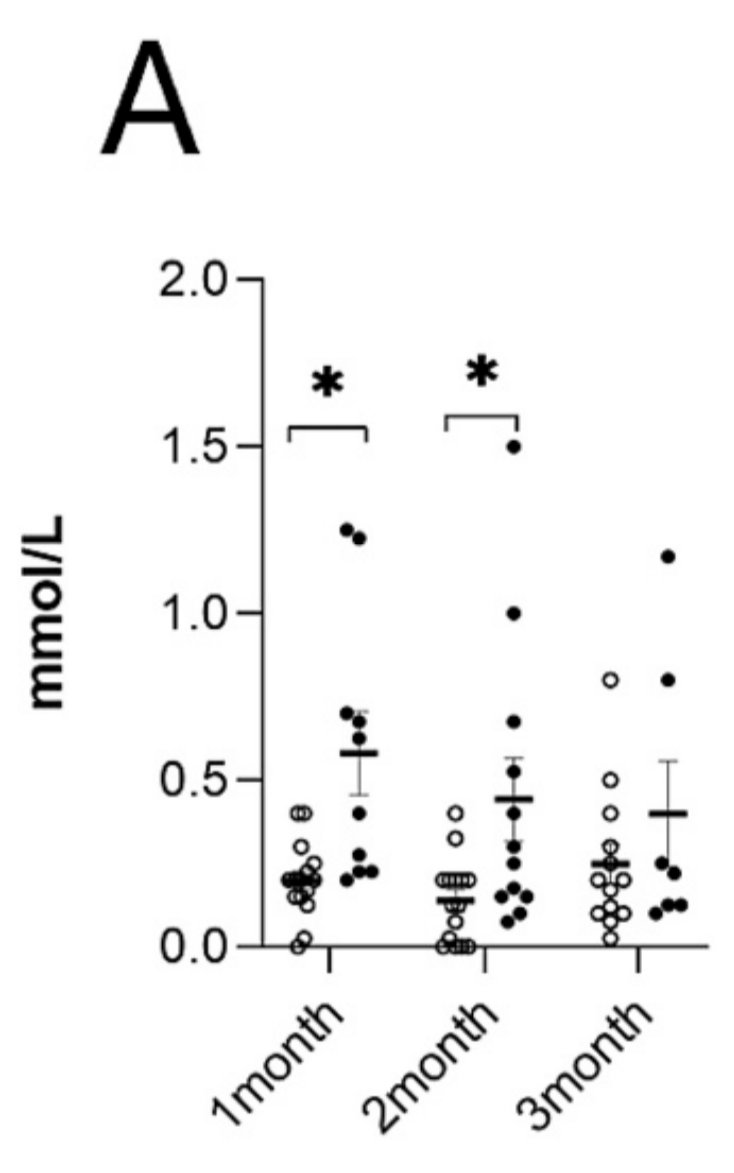
@GeneticLifehack Only 2 people in the keto group were in nutritional ketosis at the end (and 2 Mediterraneans were in ketosis!). This trial did not show the effects of ketosis on depression. This trial showed the effects of ppl being told to but largely failing to achieve ketosis on depression
Bradley Chilmeran, PhD tweet media
English
1
0
3
45
Debbie @ Genetic Lifehacks
Debbie @ Genetic Lifehacks@GeneticLifehack·
This is an interesting, but small study comparing a Mediterranean diet to a ketogenic diet for mental health. The Mediterranean diet group had greater benefits for reducing depression symptoms after three months. But the ketogenic diet group had reduced impulsivity. Why do I find this interesting? I love that researchers are showing that diet has a big impact on mood disorders. Keto is a game-changer for some people, but it doesn't work for everyone. While The Mediterranean diet may be helpful for a lot of people with depression. sciencedirect.com/science/articl…
English
2
1
10
1.3K
Debbie @ Genetic Lifehacks retweetledi
MECFS, MCAS and PTSD
MECFS, MCAS and PTSD@FatigueMe92484·
Extracellular Vesicles / Dementia / Alzheimer's/ Circadian Rhythm/ Microglia With global dementia cases projected to reach 139 million by 2050, researchers have been awarded $1.325 million in seedling grants to accelerate prevention and treatment. A new study explores how environmental stressors, specifically circadian rhythm dysregulation, accelerate cognitive aging by malfunctioning the brain’s immune system. The team is now testing a pioneering extracellular vesicle (EV) therapy to protect these vital cells and prevent the neuroinflammation associated with Alzheimer’s. Targeting Brain “Clean-up” Cells to Fight Dementia - neurosciencenews.com/circadian-rhyt… via @neurosciencenew
English
0
6
19
864
Debbie @ Genetic Lifehacks retweetledi
Anish Moonka
Anish Moonka@anishmoonka·
In 1935, two American doctors examined seven women's ovaries and saw small lumps. They called them cysts and named the disease after them. They were wrong. It took 91 years to fix. What we called PCOS is now Polyendocrine Metabolic Ovarian Syndrome (PMOS), announced today in The Lancet by an international panel of doctors and patients. The renaming followed more than a decade of consensus work and 22,000 patient and clinician survey responses. The lumps Stein and Leventhal saw were never cysts. Modern imaging shows they were follicles, the tiny sacs inside the ovary that grow and release an egg each month, frozen partway through by a hormonal imbalance. PMOS is a multi-system disorder centered in the endocrine system, the body's network of glands that produces hormones like insulin (controls blood sugar), cortisol (the stress hormone), and thyroid hormones (set the body's metabolism). The ovary trouble flows downstream from there. The naming choice is not academic. When doctors hear "ovary" in a diagnosis, they look at the ovary. "Metabolic" and "endocrine" send them to the whole body. PMOS affects roughly 1 in 8 women worldwide, more than 170 million people. The WHO estimates 70% have never been diagnosed. Among those who do, 1 in 3 wait more than 2 years, and nearly half see 3 or more doctors first. The CDC reports more than half of women with PMOS develop type 2 diabetes by age 40, a risk 5 to 10 times higher than women without the condition. Around 37% have clinically significant depression, compared with 14% in women without it. Anxiety runs at 42% versus 8.5%. A label born from a 1935 look at seven ovaries is finally going away. The new diagnostic guidelines roll out fully in 2028. By then, a woman walking into a clinic with these symptoms should hear questions about her blood sugar and her mood alongside her cycle. Those are the parts of the disease the old name hid for 91 years.
Pop Base@PopBase

PCOS is being renamed to PMOS. (Polyendocrine metabolic ovarian syndrome) The change comes from experts that say the old name was misleading, stating that it inaccurately suggested ovarian cysts as a defining feature.

English
112
7.8K
24.9K
1.7M
Debbie @ Genetic Lifehacks
Debbie @ Genetic Lifehacks@GeneticLifehack·
New study on SSRI's during pregnancy shows some concerning changes to the baby's brain development. From the study: "SRI-exposed fetuses had smaller hippocampal volumes and reduced cortical gyrification, curvedness, and surface area." nature.com/articles/s4138…
English
0
1
4
230
Debbie @ Genetic Lifehacks
Debbie @ Genetic Lifehacks@GeneticLifehack·
A new study (in animals) looked at how well two forms of magnesium benefit the brain. They compared magnesium threonate to magnesium acetyl-taurate. Manesium acetyl-taurate was the winner and did a better job boosting brain function - "significantly enhanced neuronal myelination and structural integrity across various brain regions". pubmed.ncbi.nlm.nih.gov/42084749/
English
1
0
1
83
Debbie @ Genetic Lifehacks
Debbie @ Genetic Lifehacks@GeneticLifehack·
This new study in Nature Molecular Psychology looks at the increase in autism risk based on maternal use of drugs that impact sterol biosynthesis. Sterols include cholesterol, which is extremely important in brain development, with maternal cholesterol synthesis being essential during the first two trimesters. What I found interesting in this study was the drugs that were included as altering sterol biosynthesis. Two drugs that aren’t immediately thought of as sterol synthesis inhibitors are fluoxetine (Prozac) and sertraline (Zoloft). These are both SSRIs, but they also interact with the say the liver synthesizes sterols. The study found that “maternal prescription of aripiprazole, atorvastatin, bupropion, buspirone, fluoxetine, haloperidol, metoprolol, nebivolol, pravastatin, propranolol, rosuvastatin, sertraline, simvastatin, and/or trazodone during pregnancy” increased the relative risk of autism spectrum disorders by 47%. Using more than one of those drugs increased the risk even more. The study was based on health record data from over 6 million children with linked maternal health records, covering the timespan of 2014 - 2025. Maternal use of sterol biosynthesis inhibiting medications during pregnancy “increased from 4.6% in 2014 to16.8% in 2023”. Link to full study: 👇 nature.com/articles/s4138…
English
0
0
3
274
Debbie @ Genetic Lifehacks retweetledi
TheNewPhysics
TheNewPhysics@CharlesMullins2·
🚨 METFORMIN’S “REAL” TARGET MAY HAVE JUST BEEN EXPOSED Scientists have discovered that metformin the world’s most used diabetes drug appears to work primarily through the intestines, not the liver. The new study shows metformin inhibits mitochondrial Complex I inside intestinal cells, forcing the gut to become a massive glucose sink. That means • More glucose pulled from the blood • More glycolysis • More lactate production • Better post-meal glucose control Even more interesting… The researchers found the effect disappears when intestinal cells are engineered to resist Complex I inhibition. Translation: The gut may be the true control center of metformin’s glucose-lowering effects. The paper also suggests • Metformin alters citrulline production • Raises GDF15 and Lac-Phe • Reprograms intestinal energy metabolism in real time This changes the old “liver-first” view completely. What if the intestine isn’t just digesting energy… but actively regulating systemic metabolic balance like a distributed control nature.com/articles/s4225… Follow for more frontier physics + biology breakdowns
English
10
98
349
29K
Debbie @ Genetic Lifehacks
Debbie @ Genetic Lifehacks@GeneticLifehack·
This is a study worth reading the details on, rather than just the title and headlines. It was a study using data from the Alzheimer’s Disease Neuroimaging Initiative database, which was started in 2003. It included imaging and data from 273 people who had decided to start taking an omega-3 supplement (any type - fish oil, krill oil, or flaxseed), compared to a group of 500+ who weren't taking omega-3 supplements. Average age of 73. My first thought was that these were individuals who were already worried about Alzheimer's and aware of headlines about taking fish oil or flaxseed oil to prevent it. Clinical trials on fish oil for people with mild cognitive impairment have shown either benefits or neutral results. Here's a real-world scenario of what could be going on here, since this study involved people who had decided to supplement with omega-3s on their own... I've talked with older people who are interested in preventing dementia and have started taking 'fish oil'. Most that I've spoken with are getting their 'pills' from Walmart or the grocery store. The quality of fish oil and whether or not it is oxidized matters a lot. For flaxseed oil, genes matter on whether it is even converted to DHA/EPA. The other variable here is that an older person who notices they are having memory issues is more likely to start taking supplements. So there could be a natural bias of people who were already in mild cognitive decline being in the group taking omega-3 supplements.
English
2
4
21
1.4K
Nick Norwitz MD PhD
Nick Norwitz MD PhD@nicknorwitz·
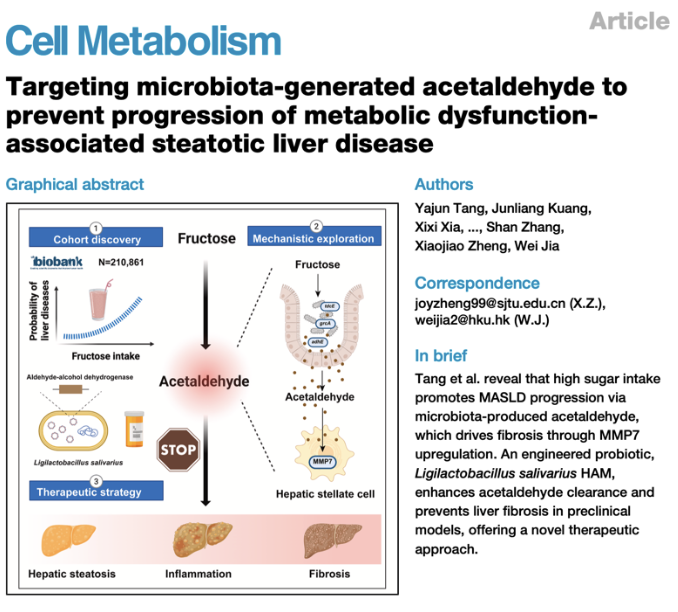
1/6) 2026 research published in Cell Metabolism reveals how fructose harms the liver. It’s a form of microbiome “alchemy” where microbes convert sugar into a toxic byproduct of alcohol metabolism. Yes, really! Here’s what you need to know. (Link at the end.)
Nick Norwitz MD PhD tweet media
English
9
18
105
8.6K
Debbie @ Genetic Lifehacks
Debbie @ Genetic Lifehacks@GeneticLifehack·
Did you know? Olive leaf extract and olive polyphenols can be COMT inhibitors. Likely not a big problem just from using olive oil, but supplemental olive leaf extract may cause issues for someone with slow COMT. sciencedirect.com/science/articl…
English
1
0
5
356
Debbie @ Genetic Lifehacks retweetledi
Chris Masterjohn
Chris Masterjohn@ChrisMasterjohn·
The placenta and mammary glands do not try to keep babies low in vitamin K. They store vitamin K and slowly leak it to the baby. They preferentially transport MK-4. They are trying to engineer the antithesis of the vitamin K shot. That antithesis is not vitamin K deficiency. It is slow accumulation over time instead of a rapid bolus dose. Why? My guess is that the babies do not have well developed detoxification systems, so the placenta and mammary glands try not to expose them to massive bolus doses of glutathione-depleting agents, so they don’t get, say, autism. Humans convert all forms of vitamin K to MK-4, which is the mammalian form of vitamin K that cannot be replaced by any other form. That process involves converting it to menadione, which has high toxicity and is detoxified using glutathione. The preferential transport of MK-4 across the placenta probably reflects an ability of the baby to accumulate MK-4 without futile conversion to menadione and back to MK-4, a process that has been verified to occur in adults mediated by intestinal tissue. Even high-dose MK-4 in this process generates menadione that leaves into the urine as a glutathione conjugate. But perhaps fetuses and infants are better able to accumulate the MK-4 without so much futile cycling. That would explain the preferential transfer from the mother. Nature does not want infants to be vitamin K deficient. Infants are born deficient in vitamin K because modern diets are deficient in it. Medicine solves this problem by doing the total opposite of what nature intended and giving the infant the massive bolus dose of vitamin K that the placenta and mammary glands were trying to defend against. They used to give menadione itself but this was so toxic to infants it was replaced by vitamin K1. But vitamin K1 in large blouses will generate considerable menadione. The solution is to obey the imperatives of the placenta and and mammary glands and operate within their parameters. That means mothers eating vitamin K-rich diets before, during, and after pregnancy.
Chris Masterjohn@ChrisMasterjohn

English
39
177
1.5K
121.3K
Debbie @ Genetic Lifehacks
Debbie @ Genetic Lifehacks@GeneticLifehack·
@Elijahkrings Just as a heads up - your image here is for D-amino acid oxidase, which is a different enzyme than the diamine oxidase enzyme that breaks down histamine. Confusing since the DAO abbreviation is used for both - but it's two totally different enzymes/reactions.
English
0
0
3
89
Elijah Krings
Elijah Krings@Elijahkrings·
Insufficiency of DAO can lead to histamine reactions tied to fermented foods Most people think about Vit C, Copper, Zinc and B6, but many miss that B2 is also needed for DAO to work properly, as FMN is a co-factor involved in its reactions B2 turnover into FMN and then FAD is depending on your thyroid (hence selenium and iodine) and molybdenum Increasing these can indirectly also affect response to histamine Linking this to organotherapy: Kidneys are often used as natural sources of DAO. While this is great, another layer of that is that kidneys contain high amounts of riboflavin by themselves They provide DAO and B2 which is therapeutic to histamine induced food reactions
Elijah Krings tweet media
English
4
7
68
2.7K
Debbie @ Genetic Lifehacks retweetledi
PolyBio
PolyBio@polybioRF·
Dr. Benjamin Readhead and his team previously identified a subset of Alzheimer’s disease patients (~30%) with a distinct disease picture: active CMV infections in the gut that had invaded brain tissue, leading to dysregulated, CD83+ microglia. “What we saw was evidence of an active infection with both late and immediate early [CMV] antigens… We think one of the ways it might be getting into the brain from the gut is through the vagus nerve,” said Readhead. PolyBio is currently collaborating with the team to validate a blood-based biomarker for this Alzheimer’s subset, which will be implemented in a planned future trial for the antiviral valaciclovir.
English
8
48
155
9.7K