Colin Gregory
161 posts

Colin Gregory
@HGSColin
Former government lawyer, arts enthusiast, committee addict.
Katılım Ocak 2017
137 Takip Edilen35 Takipçiler
@tc1415 The website of the Lord Chancellor's Department used to say his role was the ensure the separation of powers between the judiciary, legislature and executive, while being a member of all three!
English

I don't disagree
The thing we should have done was reinstate the Lord Chancellor into his threefold role.
Risk of injustice: unchanged
Upsets those who are obsessed with form over everything else: maximised.
English
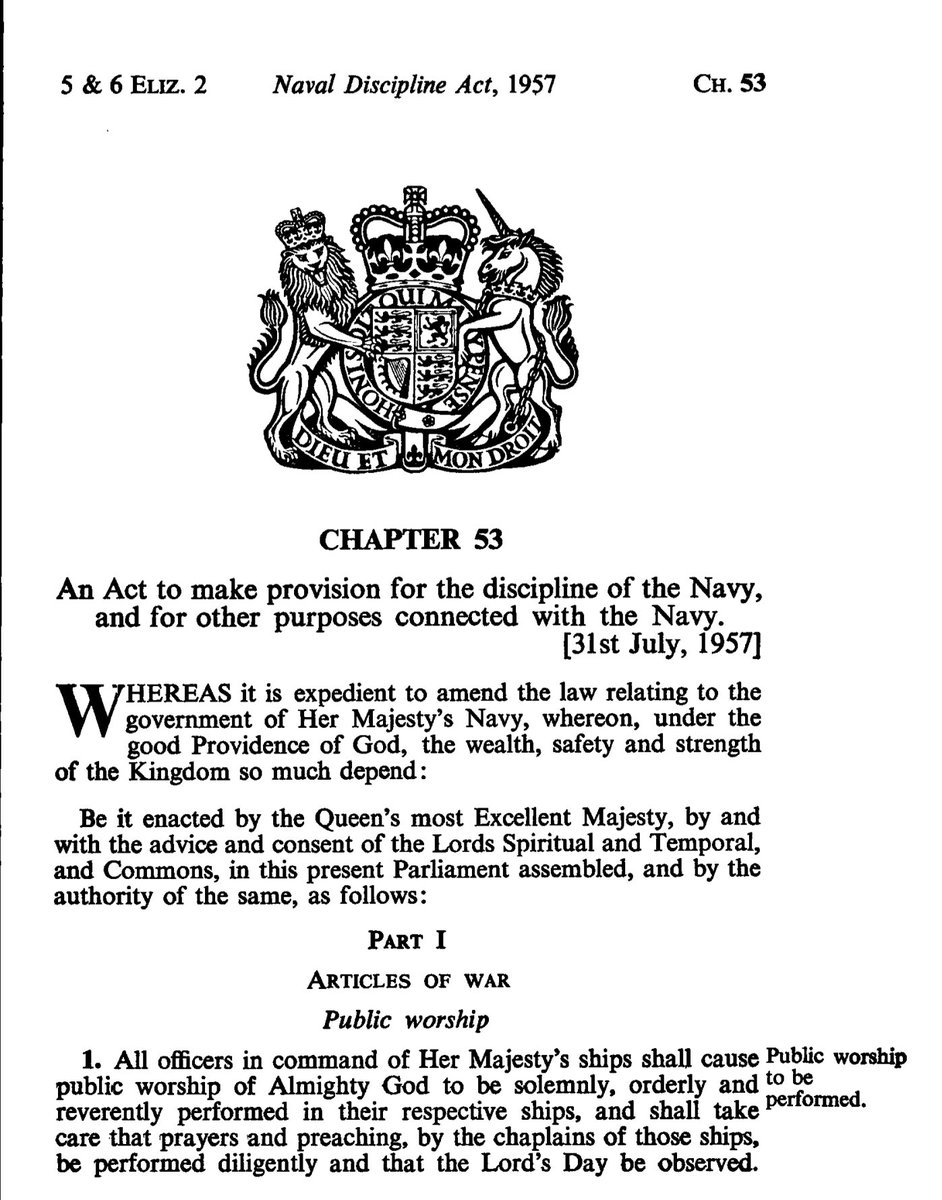
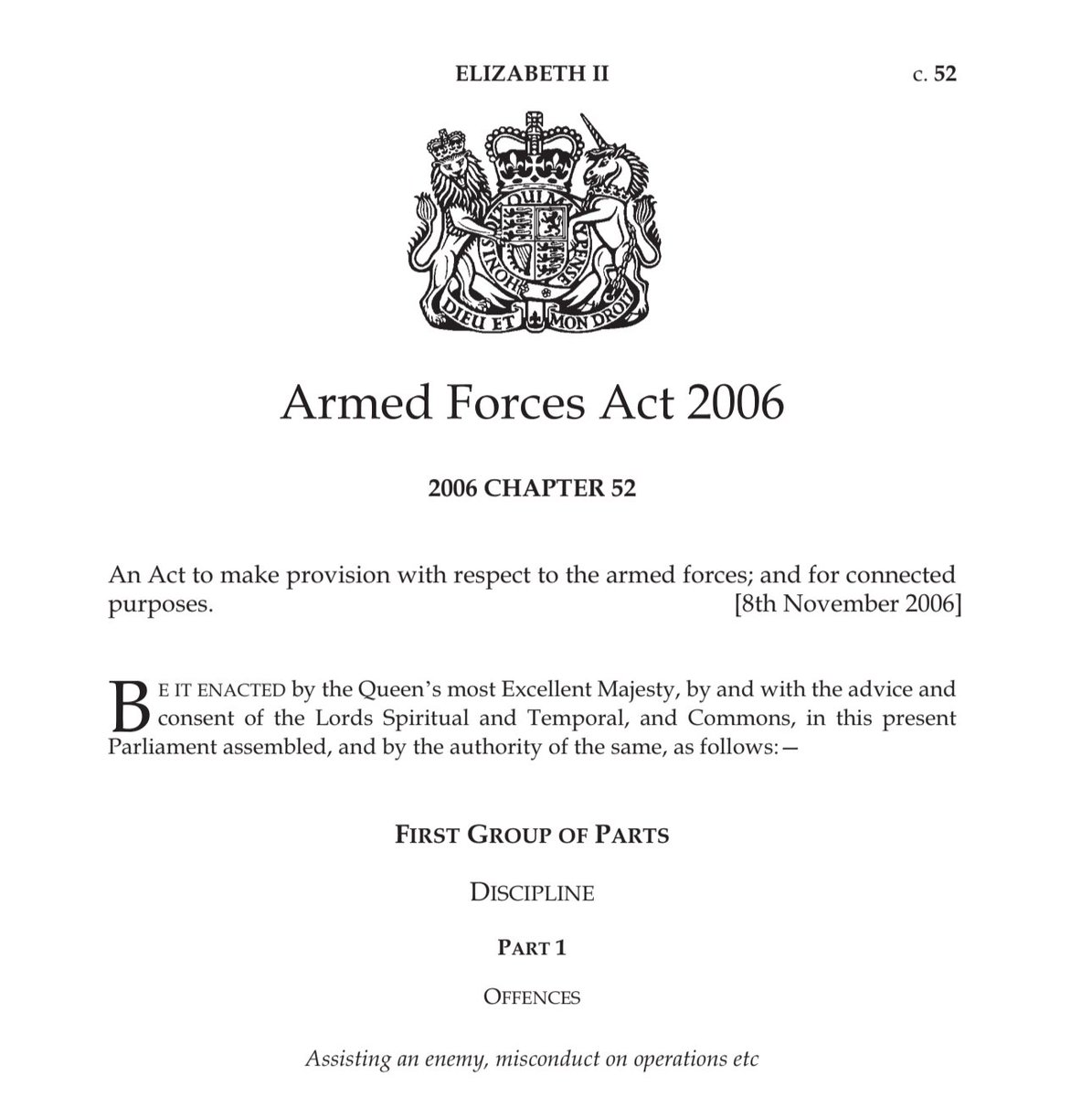
@tc1415 I also regret the dropping of the preambles to the annual Appropriation Acts which read something like: "Your Majesty's loyal and dutiful subjects, the Members of the House of Commons, cheerfully vote...".
English
I've noted it before but a lot of things really started going downhill when the left-hand thing became the right-hand thing.
(that preamble can be traced back in Statutes of the Realm to at least Charles I's time!)
English



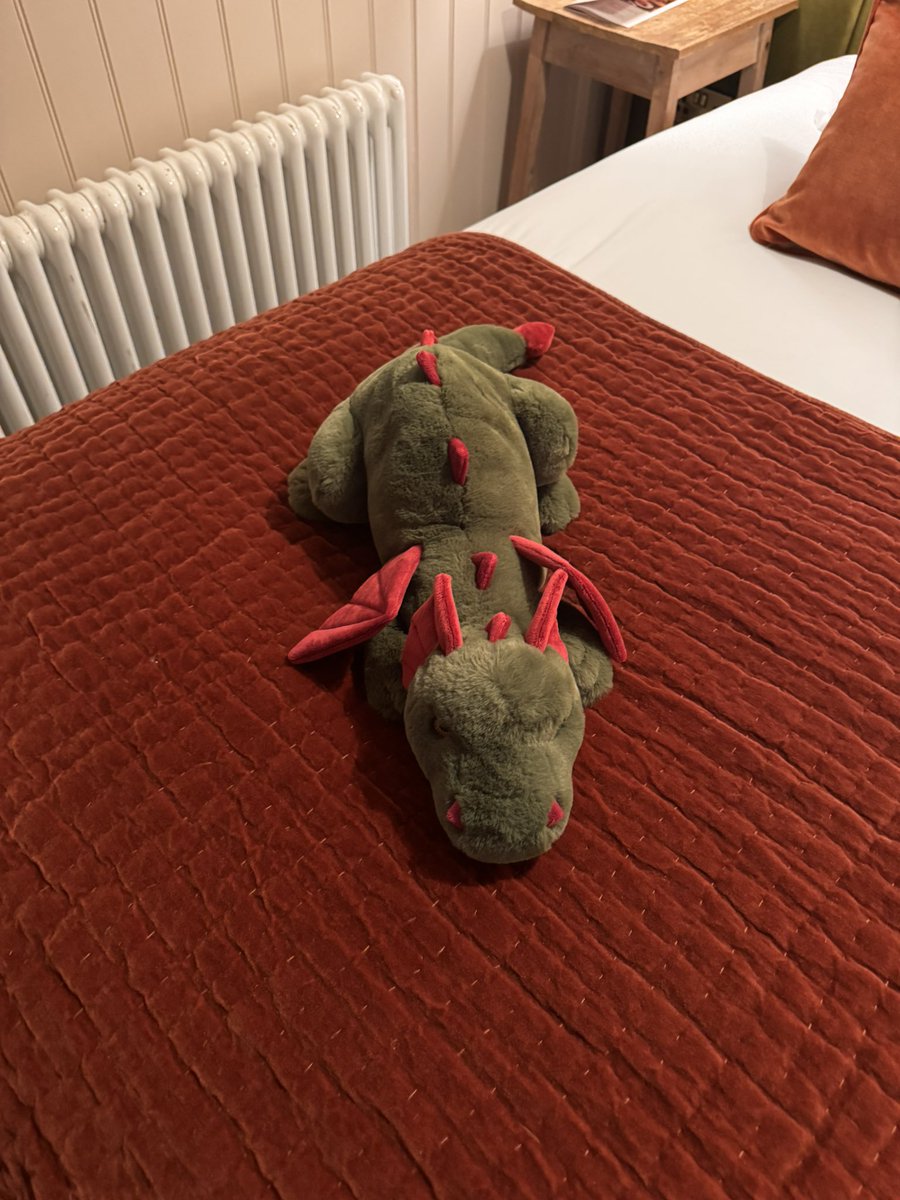

@cusackandrew And while you're there you can bathe in the warm brine bath at the Lido (which optimistically opens for the "Summer season" tomorrow!)
English

While it sounds ridiculous that Droitwich is known as ‘the Ravenna of the English Midlands’ you can understand why.
Ella Beard@EllaBeard11
What a fabulous day. First a visit to the most amazing mosaics I’ve ever seen at the Church of the Sacred Heart and St. Catherine of Alexandria in Droitwich. Stunning, this was my only photo as I didn’t wish to disturb. Then on to John’s Garden at Ashwood nurseries. 1/2
English
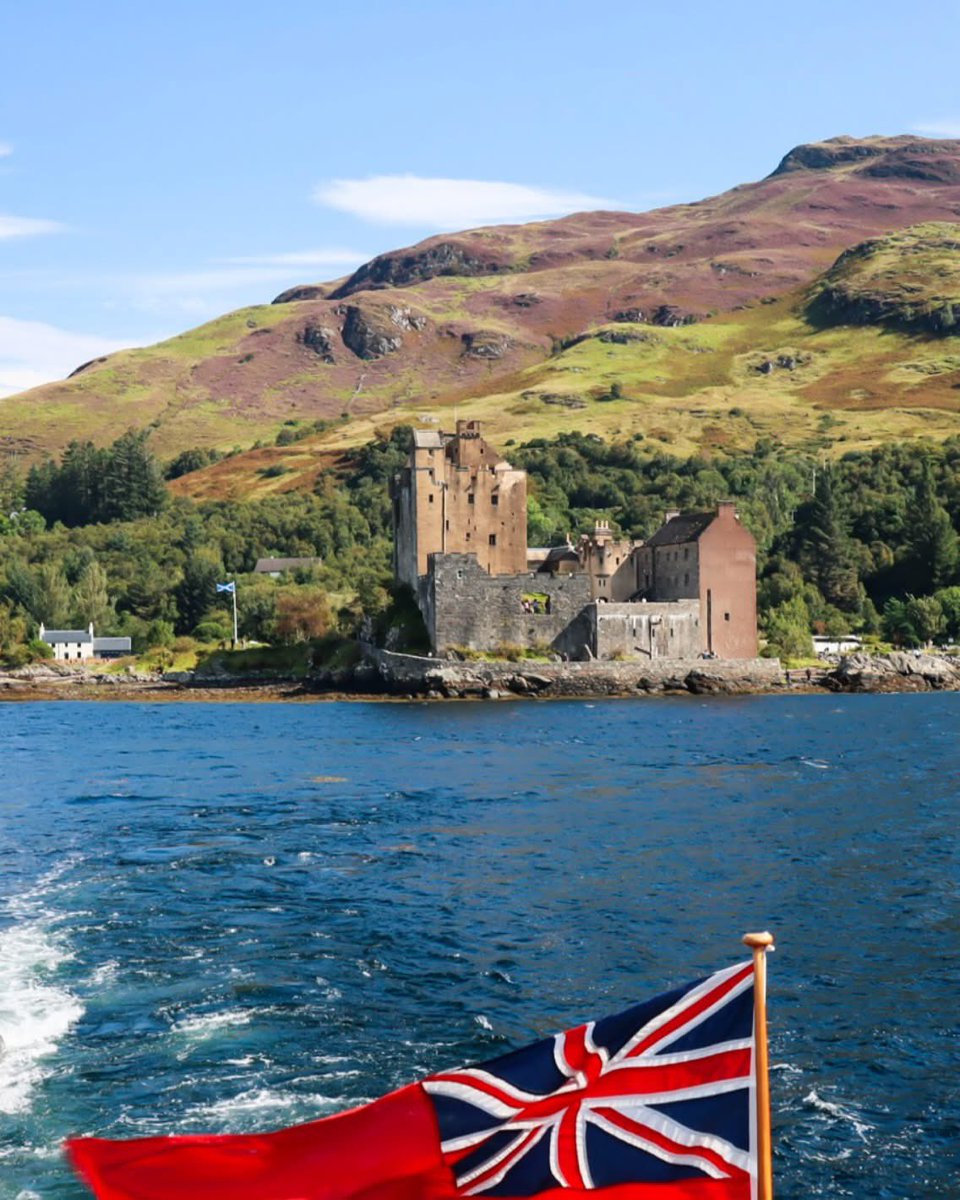
“ Sing me a song of a lass that is gone
Say, could that lass be I?
Merry of soul she sailed on a day
Over the sea to Skye…”
📍Eilean Donan, situated at the confluence of three sea lochs (Loch Duich, Loch Long and Loch Alsh) in the western Highlands of Scotland.
English
@Grumbrela Especially in the week of the anniversary of his death on 6th February 1952.
English
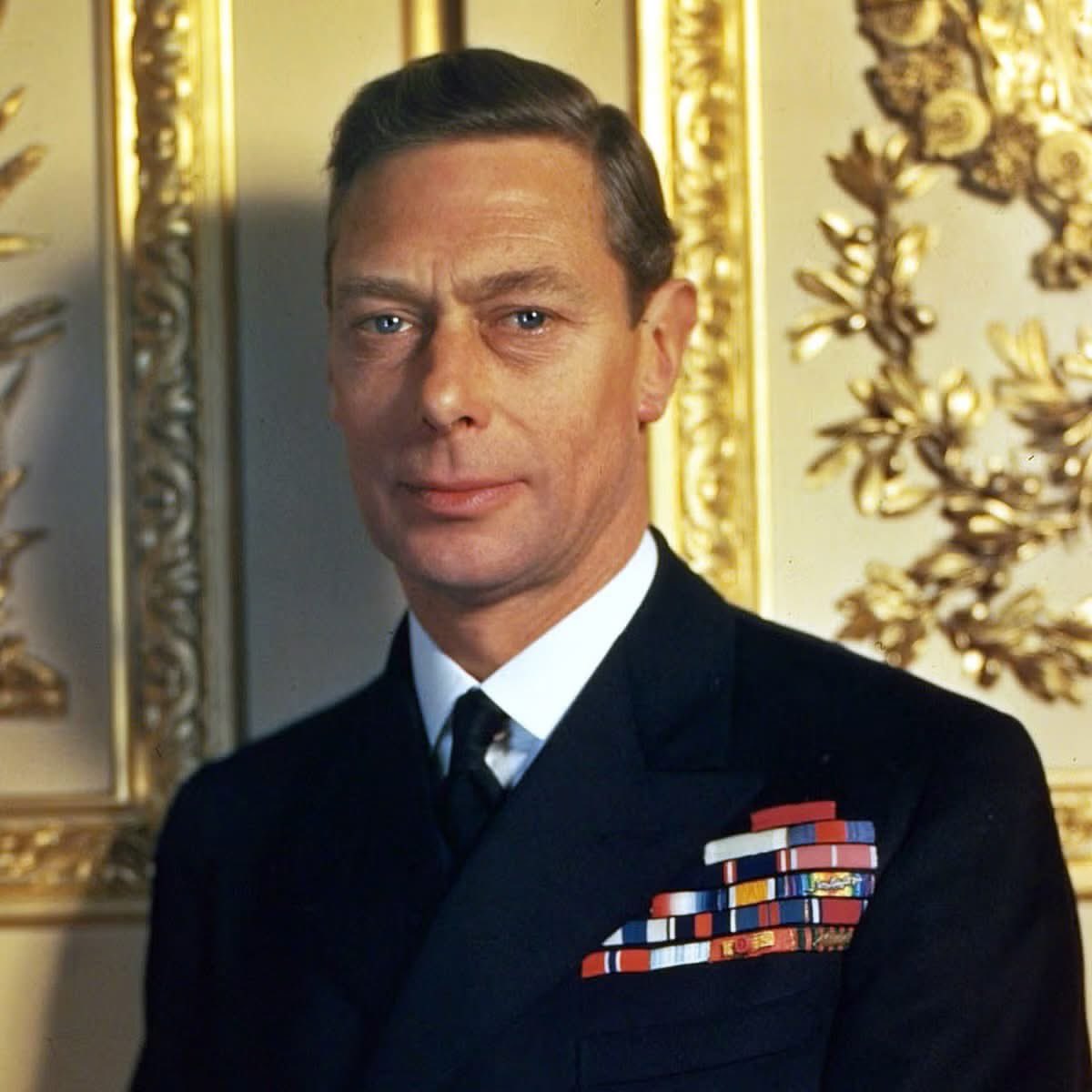
Seems an appropriate time to remember the words of George VI.
“… We have been forced into a conflict. For we are called to meet the challenge of a principle which, if it were to prevail, would be fatal to any civilized order in the world. Such a principle, stripped of all disguise, is surely the mere primitive doctrine that “might is right.”
For the sake of all that we ourselves hold dear, it is unthinkable that we should refuse to meet the challenge…” King George VI September 1939
English
@northumbriana Where are the rest of the family and guests? Places have been laid, but the woman on the left is the only one present. Perhaps others chose to take breakfast in their room!
English

'The Squire' - shown here reading the bible to his servants - by Frederick Elwell (1931). Just how I like to take breakfast.

English
@DrFrancisYoung @DavidBanicaRO I accept the distinction but generative AI is still a tool, and surely evil only if used by an evil actor. I wondered about instruments of torture. Are they inherently evil - without any human actor? The Inquisition would have said not; but we have hindsight.
English

@HGSColin @DavidBanicaRO That’s why I specify generative AI - I don’t think there’s anything wrong with machine learning per se. But GenAI falls so far short of human dignity that I can’t see what other word other than ‘evil’ accurately describes it
English

Clergy and lay-theologians need to address artificial intelligence in earnest. This is not a fad, this is not a trend, souls are at stake.
St. Michael the Archangel, defend us in battle against the horrors of our own making.
English
@DrFrancisYoung @DavidBanicaRO Surely AI is a tool and is only evil if used by a human actor in an evil way. It can be used beneficially, eg by doctors to aid diagnosis. I agree with the second sentence.
English
@DavidBanicaRO GenAI is evil and should be shunned - that seems straightforward enough. The more difficult pastoral and ethical question is how to relate to people who do use it and who have been cognitively or psychologically harmed by it, I think
English
@cusackandrew @northumbriana The doffing of hats is a fine tradition, and is a sign of respect.
English
Current mood: Viscount Hailsham
[via @northumbriana: twitter.com/northumbriana/…]

Dan Jackson@northumbriana
Long, boring and silly in parts (the bowing in particular): Prince Andrew is introduced to the Lords in 1987. Look out for Lord Hailsham sat on the woolsack in his tricorne like a gouty 18th century judge youtu.be/XYvhIl_CoSI
English


Hahaha CofE apron-gate has given me a real chuckle. Rare on this site these days. Sensational work from all involved. Thank you.
English
@michaelpforan Merry Christmas. A lovely card from Keble. Thank you for all you do to help our understanding of the complexities of the law.
English


@JamesRice21 Oh yes! I always wanted to send one reading: "Weather deteriorating. Return unlikely."
English

I wish telegrams were still a thing.
Richard Johnson@richardmarcj
Telegram from the Duke of Windsor, formerly Edward VIII, to Chips Channon in 1937. It's interesting he signs off as Edward, even though Edward had only been his regnal name for a year. I would have thought he would have reverted to David.
English
@Discoplomacy @carto_graph It's a really well written piece, thank you. I wonder if its conclusion rests too much on a continuation of the two party politics that has prevailed in the UK until now. It's not yet clear whether this is going to shift and what the implications are.
English

Closing 2025 view on British foreign policy and strategy.
Napoleon Bonaparte is quoted as saying: “to understand the man, you have to know what was happening in the world when he was twenty.”
The average British politician is around 50 years old, so let us ask - what did the world look like for them in 1995?
In this unipolar landscape dominated by Pax Americana, Britain was home to around 58 million people, with net inflows in the low tens of thousands a year and social cohesion mirroring these numbers. Its economy was larger than India and China’s combined, with Shell and BP leading the FTSE100. Defence stood at 3% of GDP, health spending somewhere between 6 and 7%. Culture was fixated on Cool Britannia and the Battle of Bripop between Blur and Oasis; England would host the Euros the following year. An American company called Microsoft had just launched Windows 95, heralding the tentative arrival of the internet and online worlds for our 20 year old, who may have also just nabbed themselves a new Japanese gaming device called the PlayStation for Christmas that year.
Arriving for drinks at a pub in Westminster, our future MP may have paused Michael Jackson’s Earth Song on their Walkman, walked through the door, and begun discussing the inevitable Labour victory on the horizon under up and coming leader Tony Blair. Moving the conversation beyond the Channel - where a tunnel had just been completed between the UK and France - our intrepid politico may have ruminated over a second £1.50 beer that while it was indeed a complex world, it was one in which a sense of liberal progress was being made, evidenced most strongly by the end of apartheid in South Africa and the post-Soviet transitions of many nations into new multiparty systems. So while the end of history it was not, it would have been hard to feel anything other than a glowing sense of optimism for liberal democracies around the world. The 21st century, the group would have agreed, was shaping up to be a good one.
Times change, even if mindsets don’t. Very few statesmen recognise that we are in a new reality, yet the minority of the best do. In a 2018 interview with The Financial Times, the late Henry Kissinger observed: “I think Trump may be one of those figures in history who appears from time to time to mark the end of an era and to force it to give up its old pretences.” Too many in the Westminster village are products of an era that has passed, and are destroying this country’s ability to reform by holding on to old pretences of grandeur. The reelection of President Donald Trump is a feature, not a bug, of a new era. We now live in an epoch of protectionism, nationalism, transactionalism, scientific acceleration towards artificial general intelligence, and energy autonomy. It is a return to the great man theory of political history and a fundamental restructuring of the liberal order which existed from the end of the Cold War until the Global Financial Crisis in 2008.
More practically, our political class has failed to capitalise on the chaos of the world and to protect key industries. Instead, like grotesque characters from a Hogarth illustration of a courtly dinner, they have clambered over each other to try and impose ideas the wider public neither agrees with nor voted for, but that are popular at commentariat dinner parties or among their peers.
Dull, low rumbling chaos and panicked apathy envelop Westminster. These are manifested in the constant churn of new prime ministers, ministers, and officials, each with their own ideas, failings and ambitions. It is evidenced by the lack of action, the inability to build, and the gross sectarianism that is beginning to creep into this nation. The UK’s limping economy, where the key elements needed to underpin successful foreign policy live and die - energy security, military strength, cutting edge innovation - have been stifled, ignored, or sold off to the highest bidder.
Eras change. This new era demands a more pragmatic, dexterous and focused approach. It requires a leader with a holistic overarching vision who understands the foundations of what will make British foreign policy successful. This leader should reach into Britain’s history to understand what enabled its rise - science, naval power, trading influence - but this must be coupled with a hard-nosed approach to securing the spaces that will define the next century - artificial intelligence, quantum, compute, and - quite literally - space. British foreign policy must be interlinked with the health of the economy, clear investment in the science sector, the public’s attitude towards immigration, and a general feeling that life is improving for British citizens. These latter points are vital to understand: strength abroad must be built on social cohesion and strength at home.
Yet Britain has faced more existential challenges than this. This small island battled for a place on the international stage, kicking and screaming and fighting against some of the most brilliant leaders and empires of their time. We created global corporations that moulded humanity around them. Our ideas underpin nations on every single continent on this earth. We have previously cemented ourselves as a democracy of real influence, a powerful purveyor of free trade and customs, a place where capitalists can trade and grow wealthy. And Britain continues to produce some of the finest innovators, scientists and thinkers on this planet. It's not over yet.
English
@DrFrancisYoung @ChurchTimes Like Derek, this is near me and was locked when we visited. As Richard Coles says it was very atmospheric in its isolated setting. It was a tragedy when it burned down and a shame that there's been no money to restore it - but one day perhaps this gem will be rebuilt.
English
Richard Coles in the latest @ChurchTimes on the sad fate of St George’s, Goltho - struck by lightning in 2013. I love churches like this - I wish I’d seen it before it was wrecked 😭

English
@DrFrancisYoung These are the Gages of greengage fame aren't they?
English
Anyone fancy buying the Bury townhouse of the Gage family? I've written all about it in my book ‘The Gages of Hengrave and Suffolk Catholicism’...
Suffolk News@SuffolkNewswire
Site of long-serving private members’ club on market for £1.65 million Full story here: suffolknews.co.uk/bury-st-edmund…
English

I can’t whistle, it’s true
hecky 🦭@ziziposting_a
imagine using your bio to actually tell people about yourself
English
@DrFrancisYoung @DavisVilums Isn't it tonight - All Hallows' Eve - that you should more apprehensive about? And what have they done to the Great Hall!? Plenty of spirits on display there!
English
@DavisVilums I have to gather everyone together in the Great Hall first
English