HOPE-GOV

68 posts

HOPE-GOV banner
HOPE-GOV

HOPE-GOV

@HOPE_GOV

HOPE-GOV | A @worldbank–assisted @PlanningNG Program aimed at strengthening financial and human resource management in basic education and primary healthcare

Abuja, Nigeria Katılım Ekim 2025
19 Takip Edilen46 Takipçiler
Sabitlenmiş Tweet
HOPE-GOV
HOPE-GOV@HOPE_GOV·
Welcome to the HOPE-GOV Program The Federal Ministry of Budget and Economic Planning @PlanningNG, under the leadership of His Excellency Senator Abubakar Atiku Bagudu (CON), with assistance from the @WorldBank, has rolled out the HOPE-GOV Program — a landmark initiative designed to strengthen financial and human resource management in the basic education and primary healthcare sectors. Enhancing financial management will reinforce the social contract and improve citizens’ trust in government by promoting more strategic allocation and efficient utilization of resources for these essential services. This will increase the availability and effectiveness of financing, while improving transparency and accountability in both sectors. Furthermore, consolidating human resource management will advance human capital outcomes by improving the recruitment, equitable deployment, and performance management of teachers and primary healthcare workers, thereby ensuring a more competent and motivated workforce to deliver quality services. HOPE-GOV - short for Human Capital Opportunities for Prosperity and Equity: Governance - aims to ensure that Nigerians have better access to quality basic education and primary healthcare by improving how financial and human resources are managed in these critical sectors. HOPE-GOV focuses on three key result areas: 1. Increased financing and efficiency for basic education and primary healthcare service delivery by improving how States and Local Governments plan, budget, and spend resources. 2. Enhanced transparency and accountability in education and health financing through the regular publication of citizen-friendly budgets, audits, and procurement reports, enabling Nigerians to track how public funds are used. 3. Improved management of teachers and healthcare workers through better recruitment, deployment, and performance systems, including the use of national identity and payroll verification tools to curb leakages and ghost workers. Through these result areas, HOPE-GOV seeks to deepen fiscal and governance reforms, strengthen citizens’ trust in government, and improve service delivery at the grassroots. At its core, the HOPE-GOV Program operates under the Program-for-Results (PforR) financing instrument of the World Bank. This means that funding to participating States is performance-based and disbursements are made only after States demonstrate measurable progress against specific Disbursement Linked Indicators (DLIs). In practical terms, the HOPE-GOV Program will incentivize States to strengthen governance and accountability systems in basic education and primary healthcare by linking financial support to verified results. To ensure objectivity and credibility, Independent Verification Agents (IVAs) will be engaged by the HOPE-GOV Program to assess and confirm each State’s and Local Government’s compliance with the agreed indicators before any funds are released. This results-based approach ensures that public resources are directed toward tangible, verifiable improvements in service delivery and governance outcomes in the primary health care and basic education sub-sectors. The Program also includes a Technical Assistance (TA) component, focused on enhancing government basic education and primary healthcare systems and capacities at Federal, State, and Local levels, improving program coordination and verification, and promoting stronger policy alignment across tiers of government. Ultimately, the Primary Development Objective of the HOPE-GOV Program is to increase funding, improve transparency and accountability, and improve the availability of teachers and healthcare workers to deliver essential public services — one that translates government spending into real improvements in classrooms, healthcare centres, and communities across Nigeria. @NGFSecretariat @BudgITng @ubecnigeria @Connected_dev @FinMinNigeria @Fmohnigeria @NigEducation @atikuabagudu #Nigeria #GoodGovernance
English
0
0
3
308
HOPE-GOV
HOPE-GOV@HOPE_GOV·
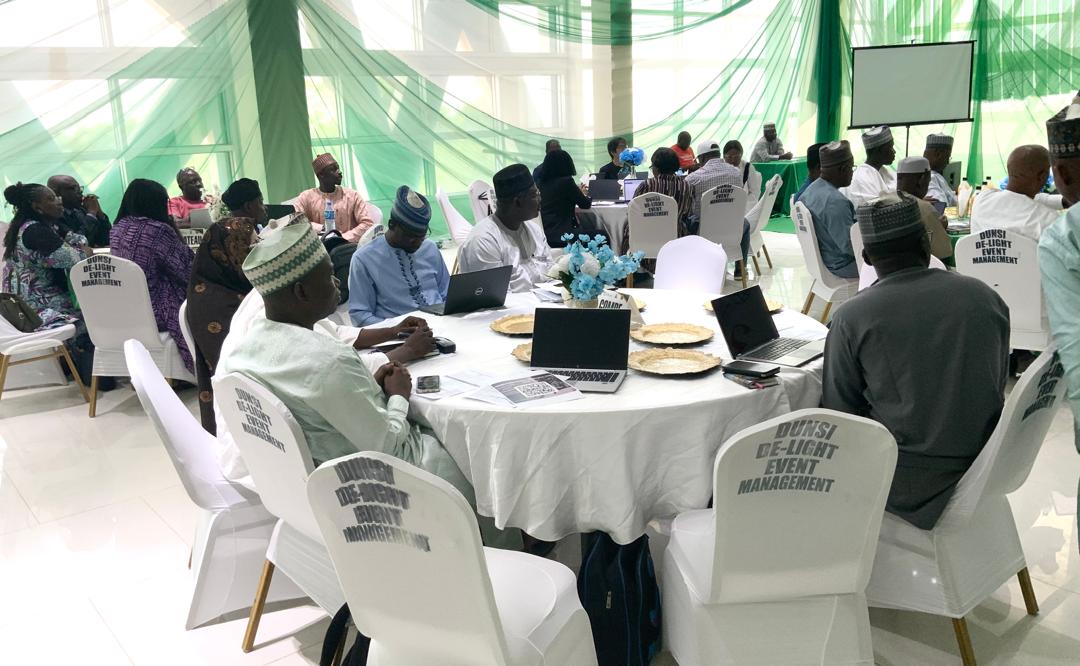
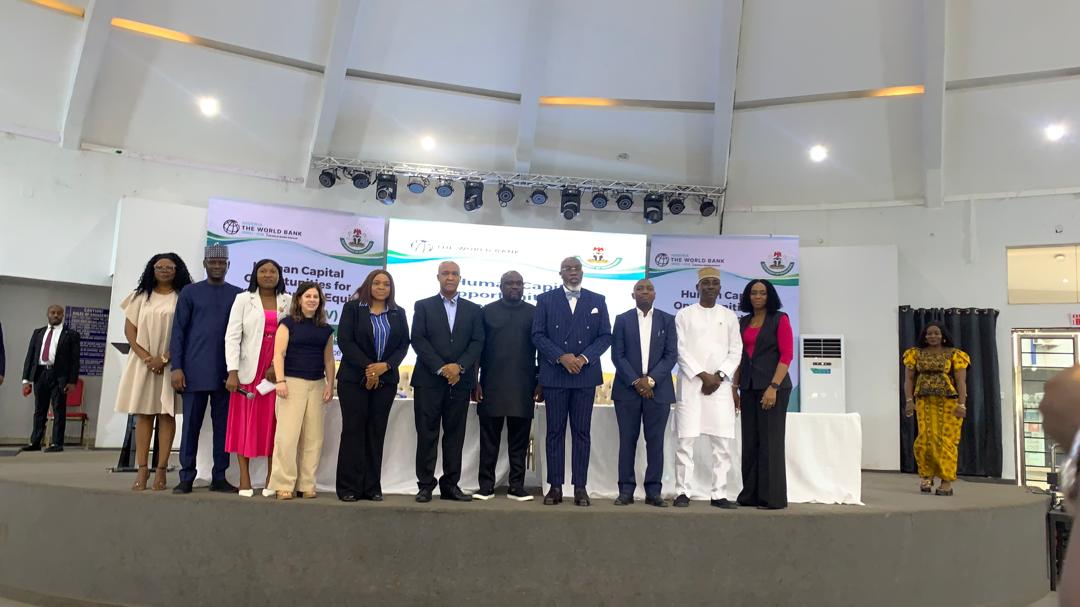
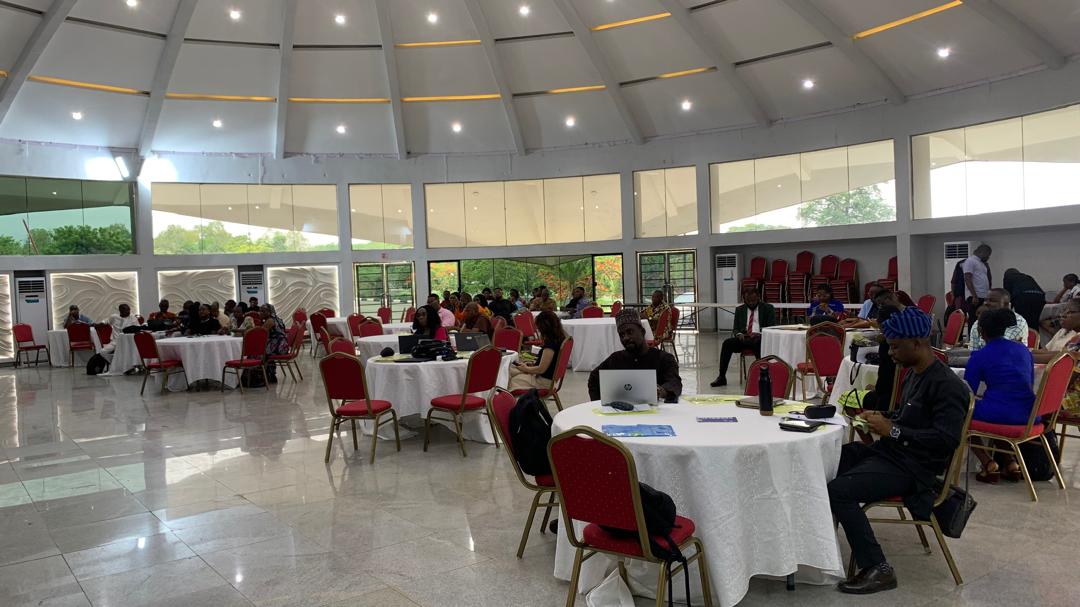
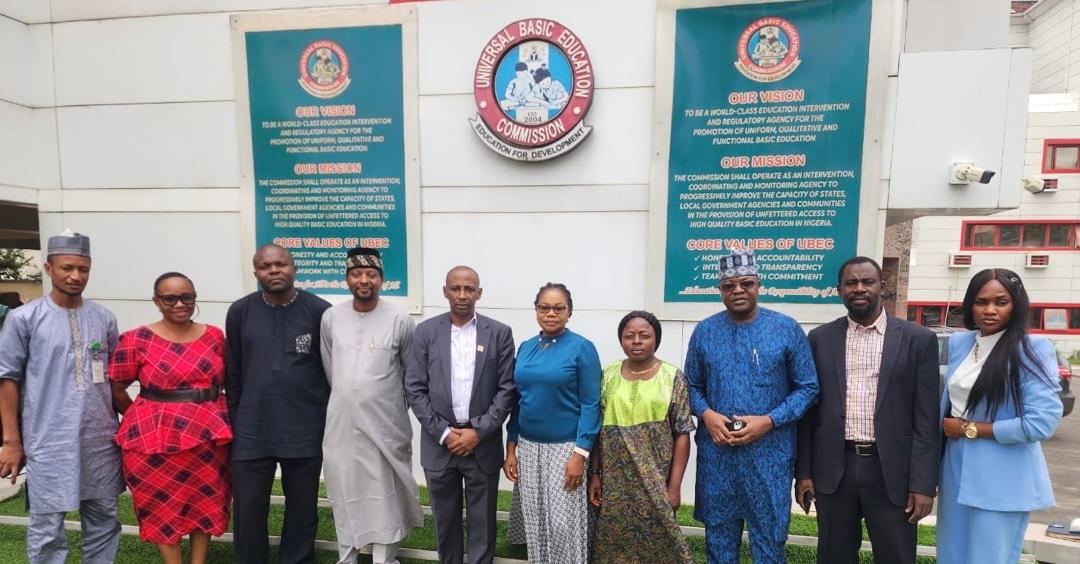
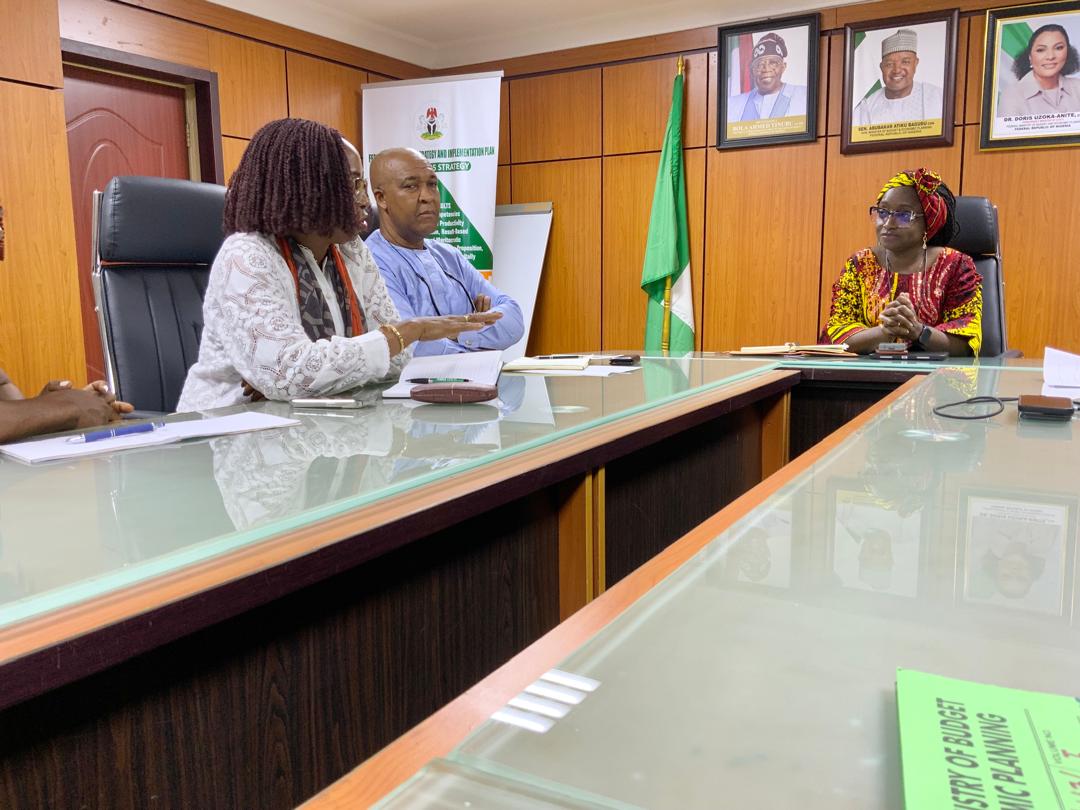
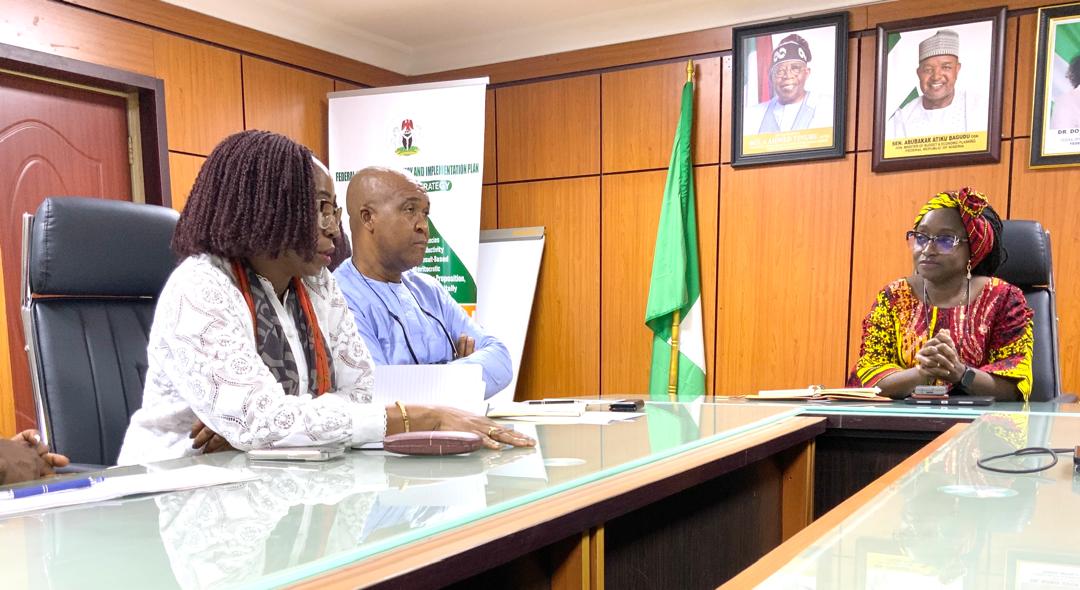
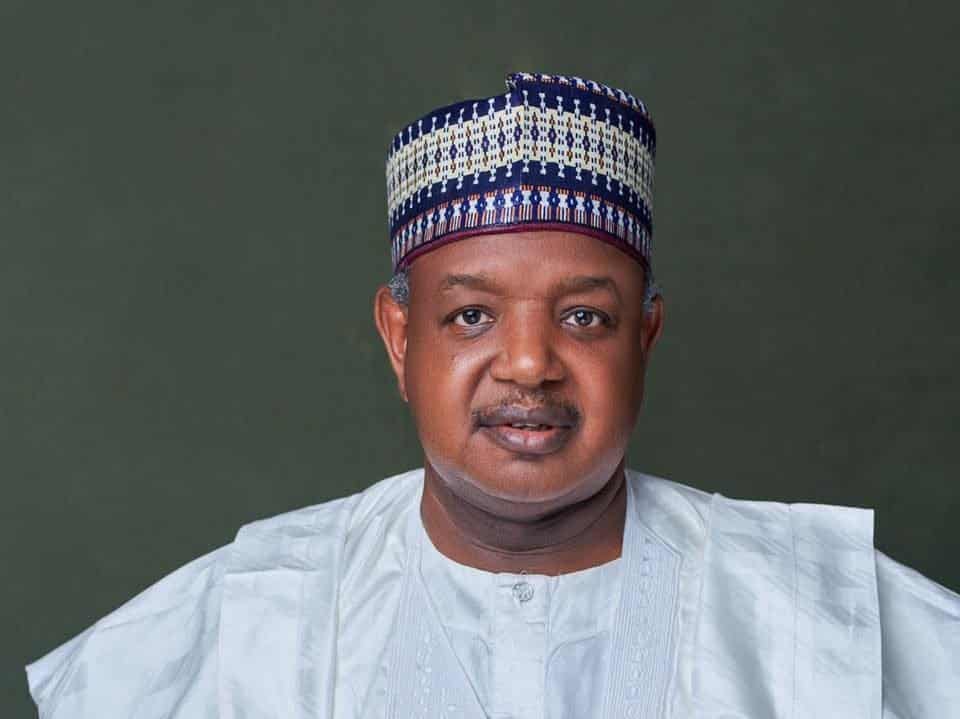
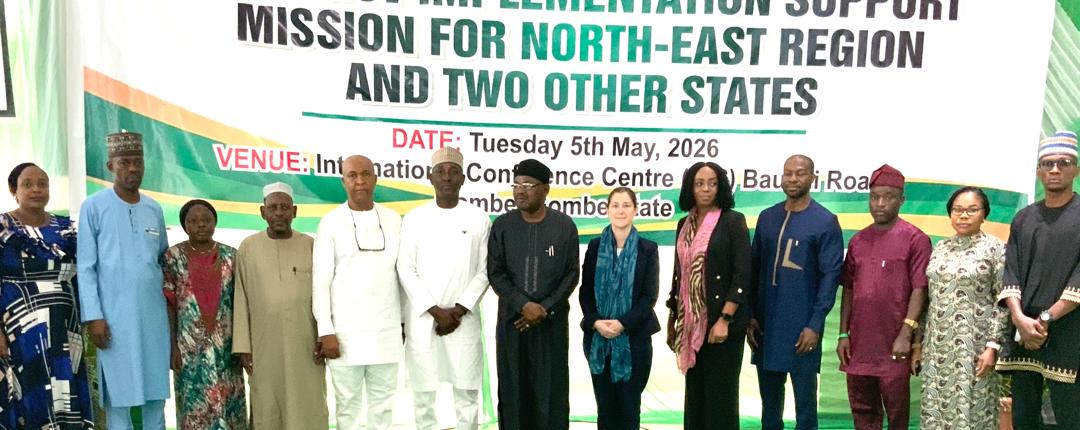
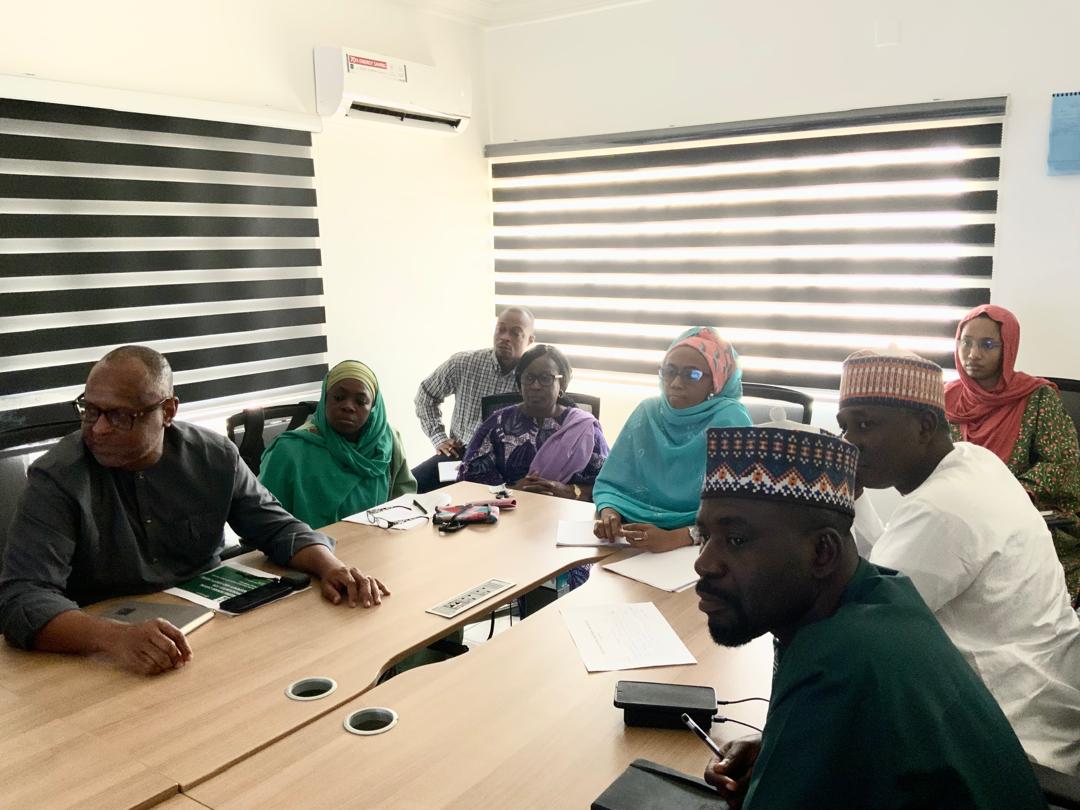
@WorldBankGroup-supported HOPE Governance Program Partners States to Recruit More Teachers, Primary Health Care Workers The @WorldBankGroup-supported HOPE Governance Program of the Federal Ministry of Budget and Economic Planning is working in partnership with State Governments to address critical manpower gaps in basic education and primary health care sectors. The National Coordinator of the Program, Dr. Assad Hassan disclosed this in an interview with newsmen on the sidelines of the HOPE Governance Program Implementation Support Mission for the North East in Gombe on Tuesday. He said improved recruitment and equitable deployment of teachers and primary health care workers are essential to strengthening service delivery in the two sectors. “We are also trying to look at how we can improve the recruitment of teachers as well as primary health care workers. Not only recruitment but also equitable deployment of teachers and primary health care workers. “There are challenges in deployment to areas that are hard to reach, so the HOPE Governance Program is another opportunity to complement already existing efforts of the Federal Government and indeed the State Governments to address service delivery in basic education and primary health,” he said. Dr. Assad Hassan said that filling the manpower gaps in the basic education and primary health care sectors forms part of the Disbursement Linked Results (DLRs) agreed upon between the World Bank and participating State Governments under the $500 million intervention Program. He said that under the Program-for-Results model of the World Bank, states that achieve the agreed Disbursement Linked Results (DLRs) targets will be rewarded with funding, enabling them to invest additional resources in both sectors. The National Coordinator said the Program was designed to work with the state governments to implement far-reaching reforms in the two sectors by promoting accountability, good governance, and ensuring that public expenditure delivers measurable improvements. “The HOPE Governance Program provides us with an added opportunity to see us strengthen our systems in terms of accountability and also ensuring that public resources deliver real impact for citizens across service delivery for primary health care and basic education,” he said. He stressed the need for all implementing agencies and the state governments to institutionalize the reform template of the HOPE Governance Program to ensure efficient and impactful service delivery across both sectors. “We need to keep asking ourselves, how do we sustain the gains we have made? How do we institutionalize the reforms that we have made thus far because without this, we cannot really make impact on our citizens,” he stated. Dr. Assad Hassan used the occasion to commend the Gombe State Government for hosting the Implementation Support Mission and its commitment to developing the basic education and primary health care sectors in the state. He said the commitment of the Gombe State Government to reducing the number of out-of-school children by 50% by 2030 is highly commendable. In his remarks, the World Bank Task Team Lead for the HOPE Governance Program, Ikechukwu Nweje, said the Implementation Support Mission was convened to assess states’ progress in implementing the Disbursement Linked Results and to facilitate the exchange of experiences among participating states in order to promote peer learning towards the successful implementation of the Program. The Secretary to Gombe State Government, Professor Ibrahim Abubakar Njodi declared the Implementation Support Mission opened on behalf of the State Governor. States from the North East as well as Plateau and Jigawa States participated in the Implementation Support Mission in Gombe. Joe Mutah Communications Officer HOPE Governance Program 5th May, 2026
HOPE-GOV tweet mediaHOPE-GOV tweet mediaHOPE-GOV tweet mediaHOPE-GOV tweet media
English
0
2
3
196
HOPE-GOV
HOPE-GOV@HOPE_GOV·
HOPE-Governance Program: Implementation Support Mission Concludes in Abuja The second session of the Implementation Support Mission for the HOPE-Governance Program successfully concluded in Abuja on Thursday, April 30, 2026, marking another significant milestone in the program’s rollout and consolidation across participating states. The Mission achieved notable progress in advancing the objectives of the HOPE-GOV initiative. Key activities included a comprehensive review of implementation performance across beneficiary states, as well as the provision of targeted technical support aimed at strengthening delivery mechanisms at the state level. The session also undertook an assessment of the status of Subsidiary Loan Agreements (SLAs), which are critical to ensuring effective States participation in the Program. In addition, deliberations focused on preparations for the forthcoming results verification exercise, with stakeholders addressing emerging operational and institutional challenges. The Mission provided a platform to collectively agree on practical next steps required to sustain momentum and ensure the achievement of program targets. The hybrid meeting brought together stakeholders through both in-person and virtual participation, reflecting strong intergovernmental collaboration. Participating states - including Cross River, Bayelsa, Benue, Sokoto, Delta, Edo, Ekiti, Oyo, Osun, Katsina, Kebbi, Kogi, Kwara, Lagos, Nasarawa, Ogun, Kaduna, Ondo, Imo and Zamfara - delivered detailed presentations outlining their progress, reforms undertaken, and implementation experiences to date. The session functioned as a peer learning and review platform, which enabled states to exchange best practices, share success stories, and benchmark performance against one another. A major highlight of the Mission was the engagement with the newly appointed Interim Independent Verification Agent (IVA). The IVA provided detailed insights into the methodology, processes, and expectations for the upcoming Year Zero verification exercise, thereby enhancing states’ preparedness and alignment with verification requirements. Overall, the Mission reinforced the commitment of federal and state stakeholders to the successful implementation of the HOPE-Governance Program, while underscoring the importance of sustained collaboration, accountability, and results-driven execution in achieving its development objectives.
HOPE-GOV tweet mediaHOPE-GOV tweet media
English
0
0
5
60
HOPE-GOV
HOPE-GOV@HOPE_GOV·
The second session of the Implementation Support Mission for the HOPE Governance Program is currently underway in Abuja, holding from Wednesday, 29th to Thursday, 30th April 2026. The Mission aims to review implementation progress across participating states and provide technical support to beneficiary states. It will also assess the status of the Subsidiary Loan Agreements, discuss preparations for the upcoming results verification exercise, address emerging concerns, and agree on key next steps. The hybrid meeting features both in-person and virtual participation. Representatives from Cross River, Bayelsa, Benue, Sokoto, Delta, Edo, Ekiti, Oyo, and Osun States delivered presentations on their respective progress and implementation experiences.
HOPE-GOV tweet mediaHOPE-GOV tweet mediaHOPE-GOV tweet mediaHOPE-GOV tweet media
English
0
0
3
49
HOPE-GOV
HOPE-GOV@HOPE_GOV·
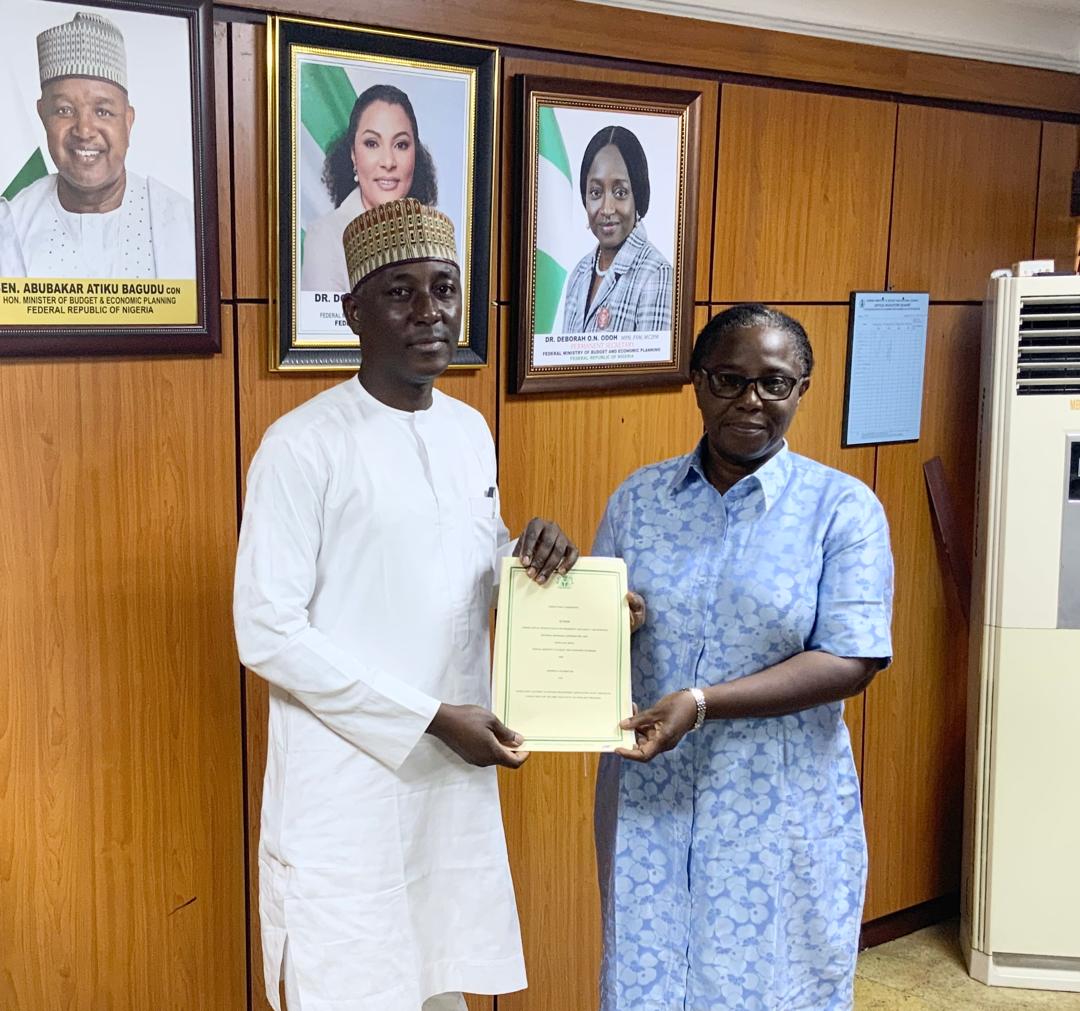
World Bank-Assisted HOPE-GOV Program Engages Interim Verification Agent for Year Zero Assessment of States The World Bank-assisted HOPE Governance Programme has formalised a contractual agreement and onboarding of an Interim Independent Verification Agent (IVA), tasked with conducting the Year Zero verification exercise across implementing agencies and participating State Governments under the Program. The verification exercise is a key precondition for the disbursement of Program incentives, as it will independently assess and validate the achievement of the agreed Disbursement-Linked Results by the respective implementing entities and State Governments. Speaking at the signing ceremony held at the Federal Ministry of Budget and Economic Planning on Monday, the National Coordinator of the Program, Dr. Assad Hassan, stated that the appointment of the Independent Verification Agent followed a transparent procurement process to ensure that the most qualified consultant was selected. “Remember, you were selected through a process that was designed to identify the very best candidates. We are happy to have you on board and we have full confidence in your abilities, especially given the high expectations not just within the National Program Coordinating Unit but also across the Ministry and implementing agencies,” he said. Dr. Assad Hassan therefore urged the consultant to demonstrate a high level of transparency and integrity in the discharge of the assignment, and to bring her full expertise to bear in delivering quality outcomes. He emphasised that the overarching objective of the HOPE Governance Program is to promote and sustain reforms in the administration of the basic education and primary healthcare sectors, even beyond the lifespan of the Program. In her response, the Lead Consultant, Abimbola Ogunseitan, expressed her team’s readiness to commence the verification exercise in earnest. She noted that a Work Plan outlining the approach to achieving the Year Zero verification had already been submitted, and pledged the team’s commitment to working round the clock to deliver on the assignment. The onboarding of the Independent Verification Agent was conducted by the National Program Coordination Unit and a team from the World Bank led by the Task Team Lead, Mr. Ikechukwu Nweje. Joe Mutah Communications Officer HOPE GOV Program
HOPE-GOV tweet mediaHOPE-GOV tweet media
English
0
0
0
39
HOPE-GOV
HOPE-GOV@HOPE_GOV·
HOPE-Governance National Coordinator calls for strategic use of World Bank loans to drive lasting reforms. The National Coordinator of the World Bank-supported HOPE Governance Program, Dr. Assad Hassan, has called on governments at all levels to leverage concessional loans from the Bank to deliberately develop their institutions and sustain governance reforms across the country. Dr. Assad stated this in Enugu on Tuesday at the HOPE Governance South East Implementation Support Mission convened by the World Bank. “In as much as the bank is a significant partner in this, they are gracious enough to give us soft loans, concessionary loans but I think the onus is on us to make sure that at the end of the day, we see how we can sustain these programs,” he stated. He said the HOPE Governance Program is designed to strengthen governance and institutional mechanisms in the administration of basic education and primary health in order to deliver results. According to Dr. Assad Hassan, while there have been other World Bank-funded reform programs in the past, the ability to sustain these reforms and translate them into tangible results will make a significant difference in governance in the country. “What next? I think that question behooves us to look at ourselves in the mirror. What have we done after the precursor to this program —SFTAS? Did we just receive the incentives and move on?” he said. The National Coordinator stressed the need for state governments to reform their systems as a proof of concept for attracting further interventions and support from multilateral institutions. Dr. Assad used the occasion to commend the Enugu State Government for introducing far-reaching reforms in the administration of basic education and primary health in the state. In his remarks, the World Bank Task Team Lead for the HOPE Governance Program, Mr. Ikechukwu Nweje, said the World Bank chose the Program for Result (PforR) Model as a deliberate strategy to assist state governments to built the capacity of their workforce to sustain the reform objectives of the Program. The Task Team Lead stated that the Bank will continue to provide technical support to states in the implementation of the program, while the National Programme Coordination Unit will engage consultants to strengthen technical assistance. South East Implementation Support Mission, which brought participants from states in the geopolitical zone, was declared open by the Secretary to the Enugu State Government, Professor Chidiebere Onyia, on behalf of the State Governor, Dr. Peter Mbah. Joe Mutah Communications Officer HOPE Governance Program Tuesday, 21st April, 2026
HOPE-GOV tweet mediaHOPE-GOV tweet mediaHOPE-GOV tweet mediaHOPE-GOV tweet media
English
0
0
2
94
HOPE-GOV
HOPE-GOV@HOPE_GOV·
On Tuesday, 31 March 2026, the HOPE Governance Programme National Programme Coordination Unit (NPCU) held a strategic meeting with the UBEC HOPE-GOV Team to review progress, address key implementation issues, and strengthen coordination mechanisms for the effective delivery of the Programme. Discussions focused on the UBEC HOPE-GOV site linked to the UBEC website, particularly its content and functionality; the status of execution of Subsidiary Legal Agreements by States; readiness for verification and disbursement; activities and plans aligned with Disbursement Linked Indicators (DLIs); and preparations for the forthcoming HOPE-GOV Mission scheduled for 13–30 April 2026.
HOPE-GOV tweet mediaHOPE-GOV tweet media
English
0
0
1
85
HOPE-GOV
HOPE-GOV@HOPE_GOV·
FG Ramps Up Efforts to Sign Subsidiary Agreement With States To Participate in $500m HOPE Governance Program The Permanent Secretary of the Federal Ministry of Budget and Economic Planning, Dr. Deborah O. N. Odoh, has stated that the Ministry is collaborating closely with the Federal Ministry of Finance to ensure that all 36 states of the Federation sign the Subsidiary Loan Agreement that would enable them to participate in and benefit from the @WorldBankGroup-assisted HOPE Governance Program, aimed at improving service delivery in the basic education and primary healthcare sectors. Dr. Deborah Odoh made this remarks in Abuja on Wednesday when she received the HOPE Governance Team from the World Bank on a courtesy visit to her office. “We have been strategising with the Federal Ministry of Finance with the involvement of our Honourable Minister Sen. Abubakar Atiku Bagudu. We will put in extra efforts to make it happen even faster given the time constraints. We have a timeline drawn up recently to achieve this,” she said. The Permanent Secretary pledged to provide all the necessary institutional support to ensure that HOPE Governance delivers significant impact across the country. “I’m glad we are having this meeting, which is long overdue and certainly we are here all the time. We expect to see more tangible results and impact shortly,” she said. The World Bank Task Team Leader, HOPE Governance Program, Ikechukwu John Nweje, had earlier appealed to the Permanent Secretary to utilise all available channels within the Ministry to engage state governments and secure the signing of the Agreement, thereby enabling them to access funds under the Program upon verification of the Disbursement-Linked Results. “However you can help us to fast track these processes, this will really be appreciated to get this program up and running in terms of disbursement,” he said. He stressed that governance remains a key challenge to improved service delivery in the basic education and primary healthcare sectors, which is why the Federal Government, in collaboration with the World Bank, has initiated the HOPE Governance Program to address the issue. “If the governance part fails, we will continue to have the same problems we are having on the sectoral side. That is why the ministers prioritised governance because they found out that governance is the issue in the two sectors that will help to unlock the ability to deliver results,” he stated. Earlier, the National Coordinator of the HOPE Governance Program, Dr. Assad Hassan, stated that the meeting was convened with the World Bank to apprise the Permanent Secretary of the milestones recorded and the challenges encountered in the implementation of the Program so far. The HOPE Governance Program is a $500 million World Bank-assisted initiative domiciled in the Federal Ministry of Budget and Economic Planning, aimed at promoting good governance in the administration of basic education and primary healthcare in Nigeria. Joe Mutah Communications Officer HOPE Governance Program 26th March, 2026
HOPE-GOV tweet mediaHOPE-GOV tweet mediaHOPE-GOV tweet mediaHOPE-GOV tweet media
English
0
1
2
124
HOPE-GOV
HOPE-GOV@HOPE_GOV·
FG Ramps Up Efforts to Sign Subsidiary Agreement With States To Participate in $500m HOPE Governance Program The Permanent Secretary of the Federal Ministry of Budget and Economic Planning, Dr. Deborah O. N. Odoh, has stated that the Ministry is collaborating closely with the Federal Ministry of Finance to ensure that all 36 states of the Federation sign the Subsidiary Loan Agreement that would enable them to participate in and benefit from the @WorldBankGroup-assisted HOPE Governance Program, aimed at improving service delivery in the basic education and primary healthcare sectors. Dr. Deborah Odoh made this remarks in Abuja on Wednesday when she received the HOPE Governance Team from the World Bank on a courtesy visit to her office. “We have been strategising with the Federal Ministry of Finance with the involvement of our Honourable Minister Sen. Abubakar Atiku Bagudu. We will put in extra efforts to make it happen even faster given the time constraints. We have a timeline drawn up recently to achieve this,” she said. The Permanent Secretary pledged to provide all the necessary institutional support to ensure that HOPE Governance delivers significant impact across the country. “I’m glad we are having this meeting, which is long overdue and certainly we are here all the time. We expect to see more tangible results and impact shortly,” she said. The World Bank Task Team Leader, HOPE Governance Program, Ikechukwu John Nweje, had earlier appealed to the Permanent Secretary to utilise all available channels within the Ministry to engage state governments and secure the signing of the Agreement, thereby enabling them to access funds under the Program upon verification of the Disbursement-Linked Results. “However you can help us to fast track these processes, this will really be appreciated to get this program up and running in terms of disbursement,” he said. He stressed that governance remains a key challenge to improved service delivery in the basic education and primary healthcare sectors, which is why the Federal Government, in collaboration with the World Bank, has initiated the HOPE Governance Program to address the issue. “If the governance part fails, we will continue to have the same problems we are having on the sectoral side. That is why the ministers prioritised governance because they found out that governance is the issue in the two sectors that will help to unlock the ability to deliver results,” he stated. Earlier, the National Coordinator of the HOPE Governance Program, Dr. Assad Hassan, stated that the meeting was convened with the World Bank to apprise the Permanent Secretary of the milestones recorded and the challenges encountered in the implementation of the Program so far. The HOPE Governance Program is a $500 million World Bank-assisted initiative domiciled in the Federal Ministry of Budget and Economic Planning, aimed at promoting good governance in the administration of basic education and primary healthcare in Nigeria. Joe Mutah Communications Officer HOPE Governance Program 26th March, 2026
HOPE-GOV tweet mediaHOPE-GOV tweet mediaHOPE-GOV tweet mediaHOPE-GOV tweet media
English
0
5
14
1.4K
HOPE-GOV
HOPE-GOV@HOPE_GOV·
The @HOPE_GOV National Program Coordination Unit (NPCU), domiciled in the Federal Ministry of Budget and Economic Planning, engaged the Nigeria Governors’ Forum on governance reforms in basic education and primary healthcare across the 36 states and the FCT. @muhammadpate
HOPE-GOV tweet mediaHOPE-GOV tweet mediaHOPE-GOV tweet mediaHOPE-GOV tweet media
English
0
0
1
134
HOPE-GOV
HOPE-GOV@HOPE_GOV·
during the Implementation Support Visit of HOPE-GOV National Program Coordination Unit to the Fund in Abuja on Friday
English
0
0
0
34
HOPE-GOV
HOPE-GOV@HOPE_GOV·
L-R: Acting Secretary of the Basic Health Care Provision Fund, Dr. Aishatu Abubakar Bajoga; National Coordinator HOPE-GOV Program, Dr. Assad Hassan; Outgoing Secretary of the Fund, Dr. Ogbe Oritseweyimi and the Project Accountant of HOPE-GOV, Mr. Hakeem Ibrahim.
HOPE-GOV tweet media
English
1
0
0
44
HOPE-GOV
HOPE-GOV@HOPE_GOV·
World Bank-Assisted @HOPE_GOV Program, Basic Health Care Provision Fund Collaborate on Primary Healthcare Reforms
HOPE-GOV tweet mediaHOPE-GOV tweet mediaHOPE-GOV tweet mediaHOPE-GOV tweet media
English
21
0
0
45