Harsh A Patel

1.2K posts

Harsh A Patel banner
Harsh A Patel

Harsh A Patel

@Harshp2802

Where there is a will, there is a way | First Gen Physician | AAMC ID : 16386887 | Outcome Research 🫀| STATA 💻

Morgantown, WV Katılım Mart 2019
1.9K Takip Edilen86 Takipçiler
Sabitlenmiş Tweet
Harsh A Patel
Harsh A Patel@Harshp2802·
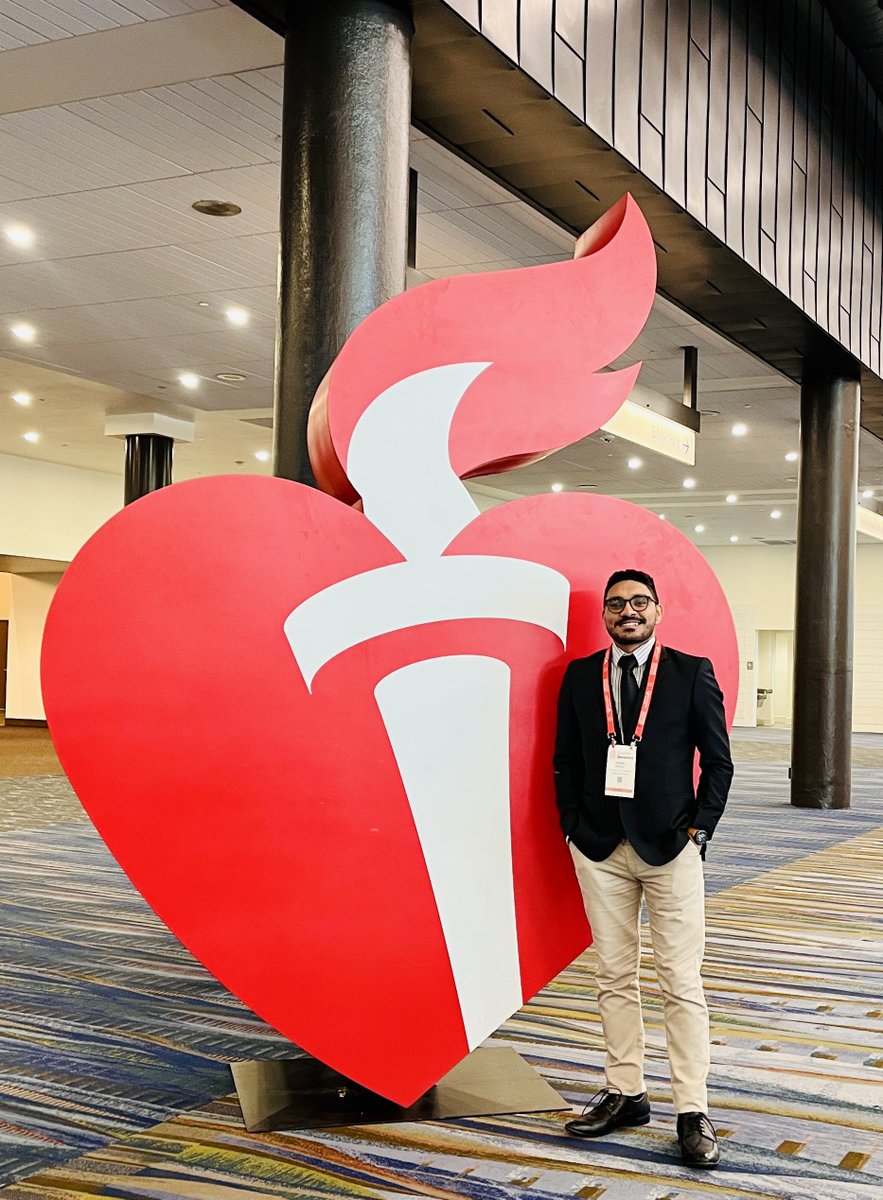
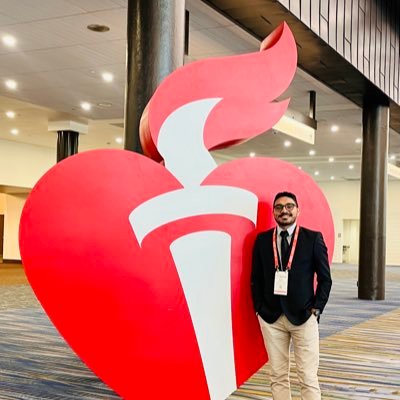
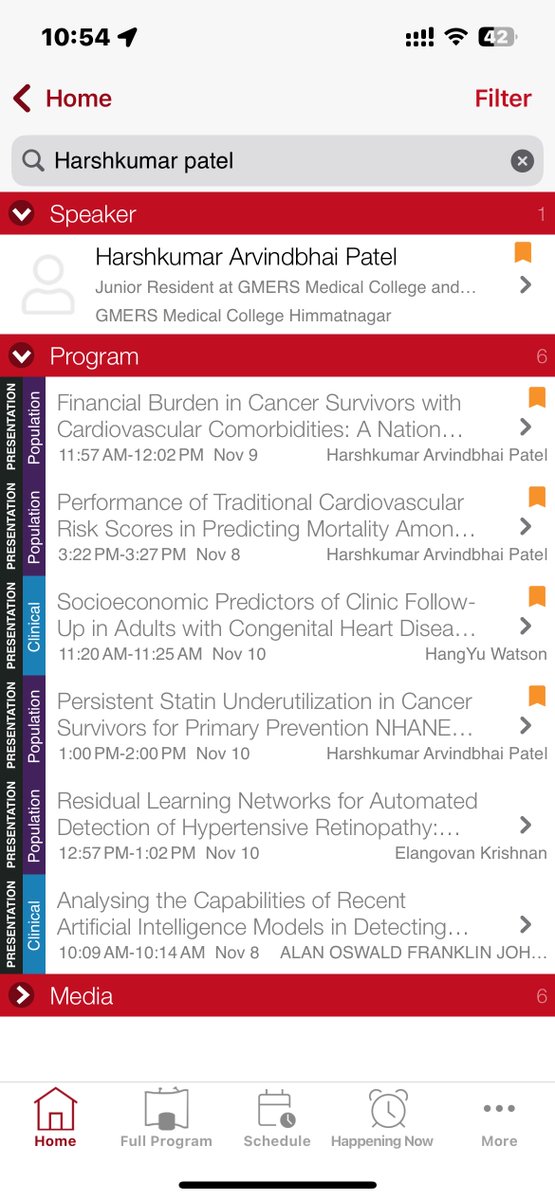
From research daydreams to reality: my first #AHA2025, unforgettable experience! Honored to present my work at AHA (6 abstracts). Deep gratitude to my mentors @DrBrijPatel @harshi_md @sthangjui @HWatson2024 this would not have been possible without their guidance and support.
Harsh A Patel tweet mediaHarsh A Patel tweet media
English
2
3
10
950
Harsh A Patel retweetledi
Sourbha Satish Dani, MD, MSc, FACC, FASE
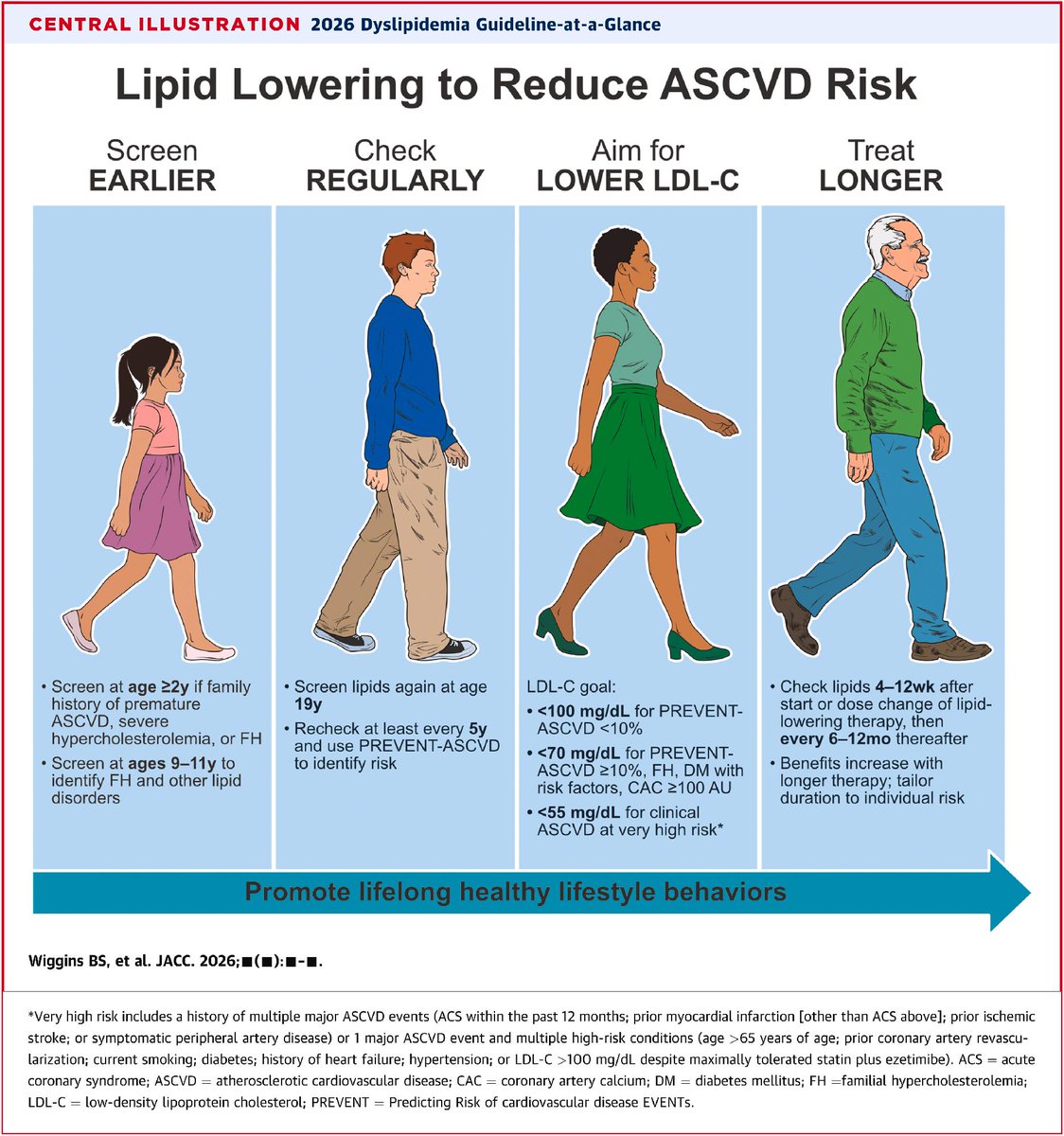
We do not fail ASCVD prevention because we lack tools. We fail because we deploy them too late, too slowly, and too inconsistently. Primary prevention across the CKM spectrum must move from "risk recognition" to "sequenced lifetime benefit."
English
2
5
18
2.5K
Harsh A Patel retweetledi
Vincent Rajkumar
Vincent Rajkumar@VincentRK·
These are really challenging times for academic medicine. You have to set your goals. If you want to be at the top of the field what matters is truly enduring contributions that help improve patient outcomes. Visibility, titles, fame are transient. Enduring contributions to your field or to the delivery of excellent care at your own institution will set you apart. Success in any field needs a huge amount of hard work, talent, perseverance, and yes, luck. You need to want to do what you are doing. Passion. Whether your efforts are in research, practice or education, what will set you apart is always hard work, talent, and perseverance. With that luck is more likely to be on your side.
English
10
43
252
29.8K
Harsh A Patel retweetledi
American Heart Association
American Heart Association@American_Heart·
The American Heart Association mourns the passing of the legendary cardiologist Eugene Braunwald, M.D., widely recognized as one of the most influential figures in the history of cardiovascular medicine. Over seven decades, his work reshaped the understanding and treatment of heart disease, leading many to call him the father of modern cardiology. Braunwald was a lifelong contributor to the American Heart Association, helping advance its research and scientific mission, and was honored with some of the Association’s highest honors for his lasting influence on cardiovascular care and research. His influence extended well beyond his own discoveries, as generations of Association‑supported investigators, clinicians and academic leaders were trained by Braunwald or guided by the clinical trial standards and mentorship models he helped establish. newsroom.heart.org/news/american-…
English
68
898
2.2K
446.4K
Harsh A Patel
Harsh A Patel@Harshp2802·
🚨 Thrilled to share Our 📝 assesing how well traditional CV risk scores🫀 (PCE, Framingham, PREVENT) predict mortality for cancer survivors, out now in @CurrentOncology! 👇 @DrBrijPatel @harshi_md 🧵1/3
Current Oncology@CurrentOncology

📅 New #Article in Special Issue: mdpi.com/journal/curron… 📑 "Performance of Traditional Cardiovascular Risk Scores and Objective Optimization in Cancer Survivors." ✍️ by Harsh A. Patel et al. 📍 Access the full paper: mdpi.com/1718-7729/33/4… #CardiovascularRisk #CardioOncology

English
2
2
6
777
Harsh A Patel
Harsh A Patel@Harshp2802·
All three models perform poorly at standard thresholds (AUCs 0.53-0.64). Even after statistical optimization, misclassify high-risk pts,⬆️ low-risk mortality by 47%. (2.8% ➡️ 4.1%) 🚩📉 The takeaway? Need dedicated cardio-oncology specific models. 🧵2/3
English
1
0
0
53
Harsh A Patel retweetledi
Vincent Rajkumar
Vincent Rajkumar@VincentRK·
I would like to share the story of how a patient with cancer came up with the idea for a randomized trial, & how listening to him saved a lot of lives. 1/ In 2002, I had just completed a randomized trial with the notorious drug thalidomide for the cancer, multiple myeloma.
English
153
1.5K
4.9K
0
Harsh A Patel retweetledi
Dan Go
Dan Go@CoachDanGo·
How guys can go from 25% to 15% body fat No alcohol 7-10k steps/day Lifting 3x/week 8 hours of sleep/night Calorie deficit of 500 cals 25 to 35 grams of fiber/day 90% of calories from whole foods Half your bodyweight in ounces of water .8 to 1 gram of protein per pound of bodyweight Do this for 4-5 months and you'll be healthier than 90% of men.
English
80
190
3.5K
317.9K
Harsh A Patel retweetledi
Prakash Upreti MD
Prakash Upreti MD@DrLubDubMD·
Publication alert🚑: Environmental heavy metals & CV mortality — new insights 🫀🌍 Database: NHANES 1999–2018 (n=55,081) 🔴 Higher Lead & Cadmium → ↑ CVD mortality 🟢 Higher Mercury → ↓ CVD mortality (complex relationship) Conclusion: Environmental factors affect your CV health. 🔗 doi.org/10.1016/j.ajpc… @KarthikG_MD @harshi_md @HValandMD @Eng_WaqarYounas @AlruwailiWS @dipesh_ludhwani @Ayeshaashaik @DryasarsattarMD @DrMarthaGulati @AJPCardio #CardioTwitter #PreventionCardiology #EnvironmentalHealth #NHANES #PublicHealth #Cardiology #MedTwitter #EpiTwitter #CVD #Research
Prakash Upreti MD tweet media
English
2
8
20
1.8K
Harsh A Patel retweetledi
PREDOC.org
PREDOC.org@predoc_org·
PREDOC.org's free Data Science for Research Assistants course is back...this time in Python! Now anyone with a basic knowledge of statistics can translate that knowledge into practice using the coding language Python. Learn more at: predoc.org/courses
PREDOC.org tweet media
English
0
47
275
14.3K
Harsh A Patel retweetledi
JACC Journals
JACC Journals@JACCJournals·
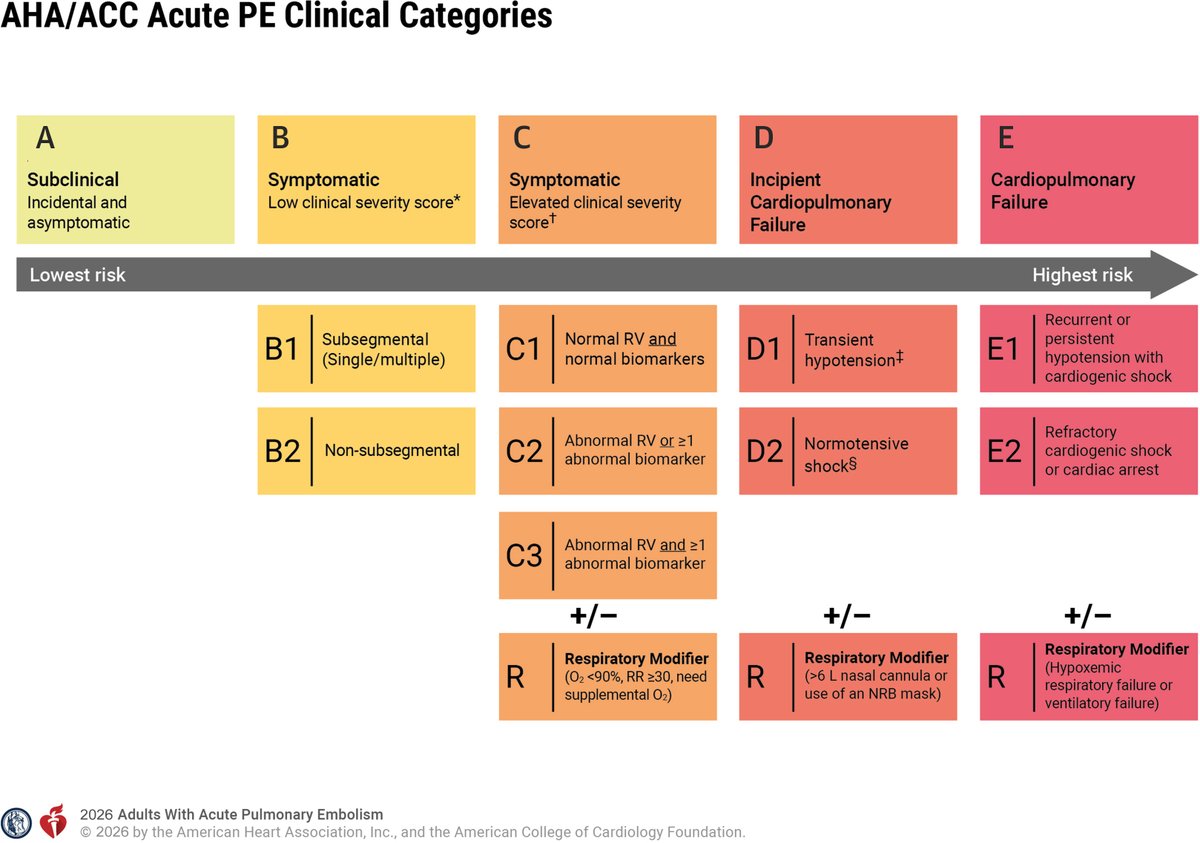
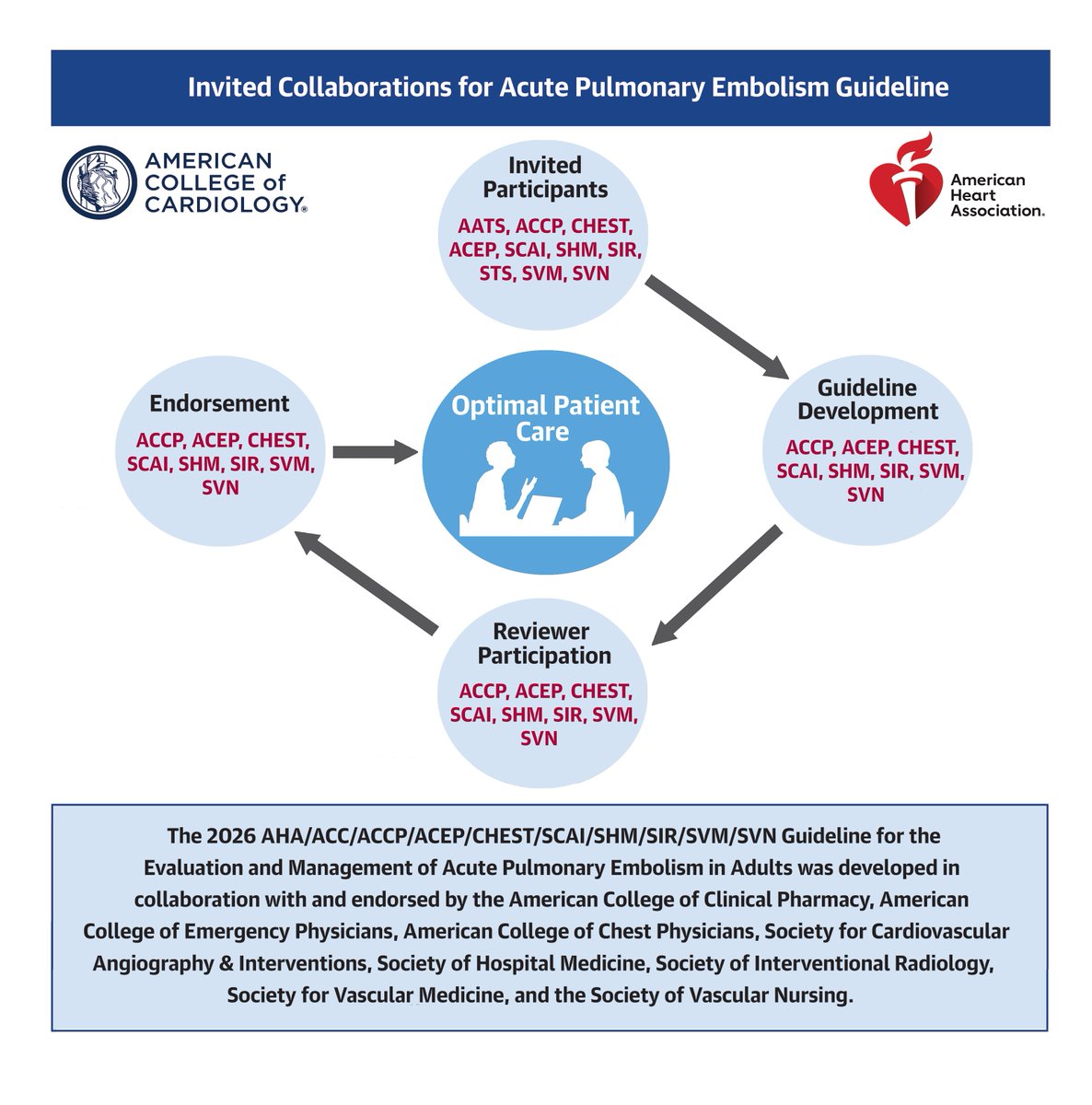
ICYMI: 🆕 ACC/AHA/Multisociety Guideline for the Evaluation & Management of Acute PE in Adults is a de novo document offering comprehensive, evidence‑based recommendations for the evaluation, mgmt & follow‑up of adults w/ acute PE. Get the details: jacc.org/doi/10.1016/j.… #JACC
JACC Journals tweet mediaJACC Journals tweet media
English
2
16
52
11.6K
Harsh A Patel retweetledi
Dr. Rhonda Patrick
Dr. Rhonda Patrick@foundmyfitness·
Effortful exercise improves cognition. It is brain and cognitive maintenance. If I want an immediate boost in alertness, focus, and mental sharpness, I’ll do a short bout of vigorous exercise before a podcast or public speaking engagement. It’s the fastest, most reliable, and consistent way to flip the switch on short-term cognitive performance. Study after study shows that even ~10 minutes of movement, especially at a higher intensity, can acutely enhance executive function, attention, and memory. It also tends to reduce anxiety and improve your ability to filter distractions, which is basically the cognitive state you want when you need to perform. If you have an important presentation, an interview, or deep work that demands mental clarity, try a brief, intense session beforehand. Clip from my recent appearance on the @PBDsPodcast.
English
45
100
1.1K
70.2K
Harsh A Patel retweetledi
freeCodeCamp.org
freeCodeCamp.org@freeCodeCamp·
Time series forecasting in Python can help you predict future trends. In this course, you'll learn what time series data is and how to break it down into its key components. Then you'll build baseline models, learn important forecasting techniques like ARIMA and seasonal ARIMA, evaluate your models, & more. freecodecamp.org/news/learn-tim…
freeCodeCamp.org tweet media
English
0
94
573
34.6K
Harsh A Patel retweetledi
NEJM
NEJM@NEJM·
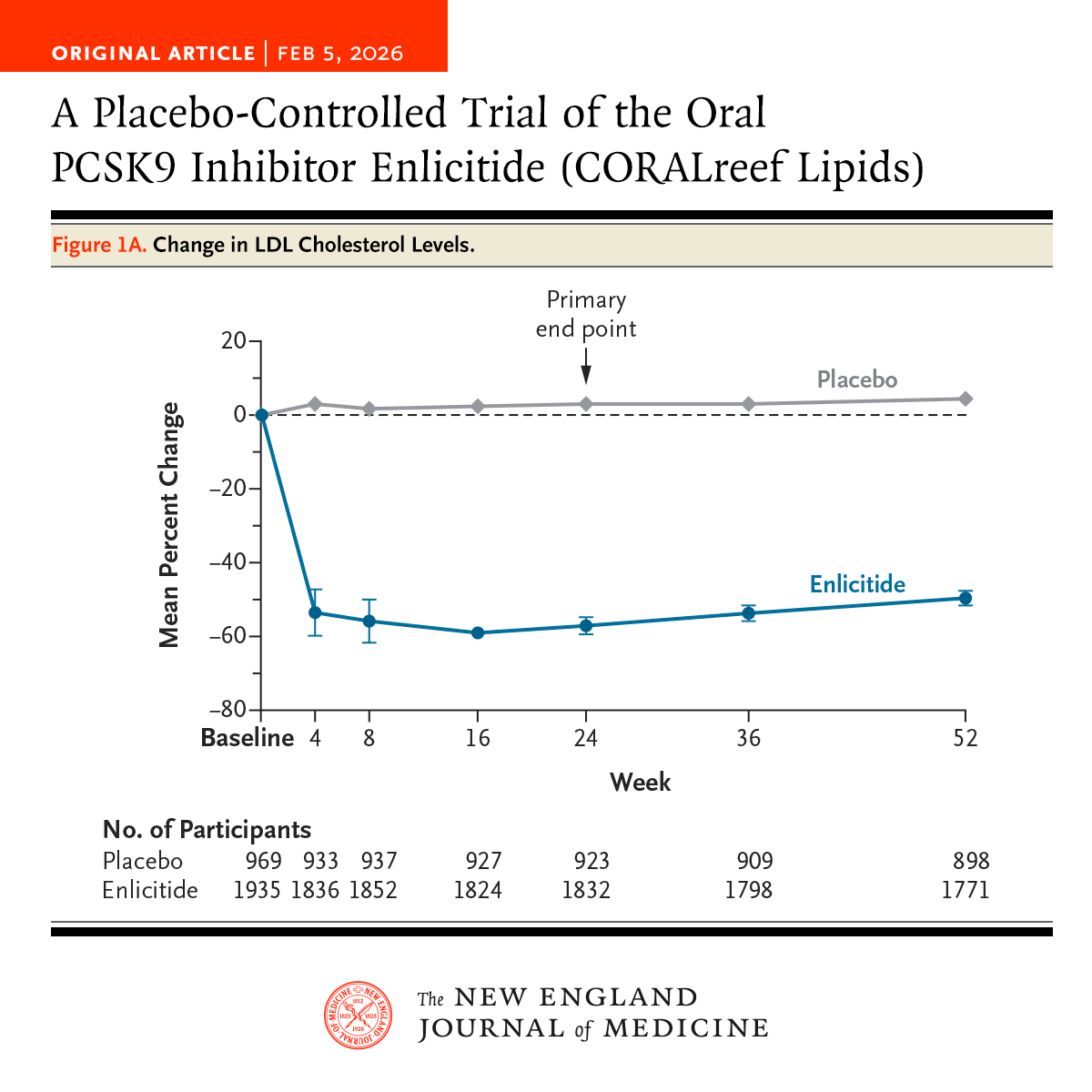
In the phase 3 CORALreef Lipids trial, the oral PCSK9 inhibitor enlicitide reduced LDL cholesterol by 57% at 24 weeks and also lowered non-HDL cholesterol, apolipoprotein B, and lipoprotein(a). Adverse events were similar in the two groups. Full trial results: nej.md/4qhQPtQ Editorial: Exploring a New “Reef” in Dyslipidemic Risk Reduction nej.md/4c67HjO
NEJM tweet media
English
8
137
457
106.3K
Harsh A Patel retweetledi
Bo Xia
Bo Xia@BoXia7·
👏Huge congratulations to the @GoogleDeepMind team on the formal publication of AlphaGenome model - a big milestone for DNA sequence-to-function modeling and variant function interpretation. 💡At the same time, I want to highlight that many core questions in gene regulation hinge on more than DNA sequence alone: DNA sequence provides the basal and shared genetic blueprint, while the regulatory logic that defines cell-type-specific gene expression and gives rise to diverse cellular phenotypes is executed by the 100s-1000s of chromatin proteins that differentially read the DNA sequences. 🏗️That motivation to mechanistically understand gene regulation drives us to develop multi-modal AI tools rooted in the fundamentals of chromatin biology, bridging DNA sequence with chromatin states and protein features to let the model learn the core regulatory mechanisms of gene expression. 📰Read more Chromnitron: Decoding the gene regulatory landscape through multimodal learning of protein–DNA interactions. 👉 Link to preprint: biorxiv.org/content/10.110… And my prior post of Chromnitron model: x.com/BoXia7/status/…
Žiga Avsec@Avsecz

AlphaGenome is out in @nature today along with model weights! 🧬 📄 Paper: nature.com/articles/s4158… 💻 Weights: github.com/google-deepmin… Getting here wasn’t a straight path. We sat down @googledeepmind to discuss the story behind the model, paper & API: youtu.be/V8lhUqKqzUc

English
1
12
108
11.9K
Harsh A Patel retweetledi
Dr. Rhonda Patrick
Dr. Rhonda Patrick@foundmyfitness·
You don't need to lift heavy weights to gain muscle. As long as volume and effort are high, and you train to fatigue, you can build muscle mass (hypertrophy) with lower weights. Dr. Stuart Phillips (@mackinprof) and colleagues recently showed that low-load (20–25 reps at ~30–40% 1RM) and high-load (8–12 reps at ~70–80% 1RM) resistance exercise led to similar gains in muscle hypertrophy and stimulation of myofibrillar protein synthesis in the upper and lower body over 10 weeks of training. Effort drives adaptations.
English
299
339
4.2K
710.9K
Harsh A Patel retweetledi
Helen Bevan
Helen Bevan@HelenBevan·
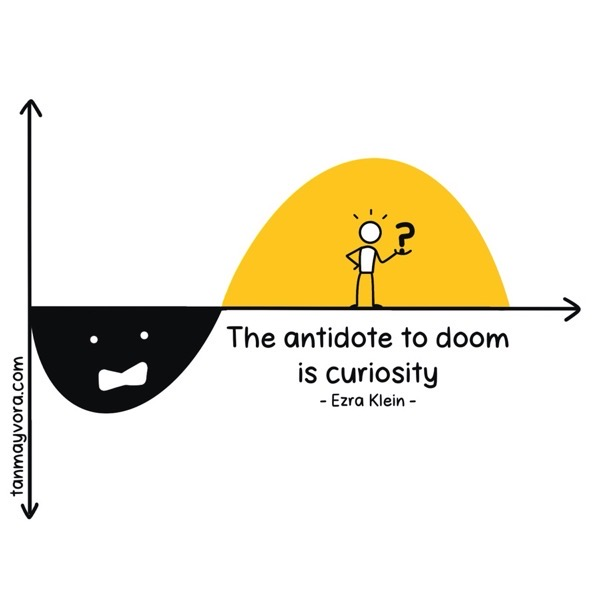
Curiosity is one of the most strategic capabilities that we need at times of profound change & uncertainty. For leaders of change, I would define “curiosity” as engaging with uncertainty: focusing on gaps in our knowledge, exploring them with others, seeking other possibilities & using what we learn to adapt decisions, relationships & systems for better outcomes. Uncertainty automatically triggers threat responses in our brains, narrowing attention and pushing us into “fight‑flight‑freeze” patterns that shut down creativity & collaboration. As leaders under rising pressure, we tend to seek quick closure, filter out disconfirming data & dig in with our initial interpretations, which is the opposite of what complex change requires. ​Curiosity creates a different pathway. When we become genuinely interested in “what is really going on here?” we recruit neural networks linked to exploration, problem‑solving & reward. Leaders who show interest, ask open questions & tolerate “not knowing yet” help teams move from defensiveness to discovery. In practice, that can be as simple as shifting the first question in a crisis meeting from “How do we fix this?” to “What might we be missing about this situation? Research on “information gaps” shows that curiosity is triggered when we become aware of something important we do not yet know; the gap itself generates energy to learn. People often feel most curious at moderate levels of uncertainty—enough ambiguity to stimulate interest, but not so much that the situation feels hopeless. ​For change leaders, this means uncertainty gets reframed as a shared learning agenda: “Here is what we know, here is what we don’t, & here are the questions we need to explore together.” This approach treats ambiguity as a resource rather than a personal failure of leadership & invites collective sense‑making instead of people waiting for instructions or answers. How to build a culture of curiosity in uncertain times: 1. Model visible curiosity every day: Regularly say “I don’t know yet”, “Tell me more” & “What am I missing?”, signalling that questions are welcome, not a weakness. ​2. Design meetings around questions, not updates: Start sessions with 2–3 priority questions (e.g. “What’s the most important thing we don’t understand about this issue?”) instead of long slide decks. ​3. Actively encourage questioning & learning: Publicly thank team members who raise awkward issues or ask clarifying questions, & link this to your values/behaviours framework. ​4. Create simple learning & experimentation routines: Encourage small, safe‑to‑try tests of change & make it explicit that “failed” experiments are successes if they generate useful learning. ​5. Bring in diverse perspectives by design: Mix roles & disciplines in problem‑solving sessions & deliberately ask “who else needs to be in this conversation?”. ​Building a culture of curiosity is not about adding extra components on top of an already overloaded change agenda; it’s about changing the way we pay attention. In an uncertain world with shifting demands, shared curiosity is no longer a “nice‑to‑have”; it can be the difference between repeatedly coping & continuously improving. See e.g., performancefrontiers.com/insights/curio… Performance Frontiers. Post by inspired by this graphic from by @tnvora
Helen Bevan tweet media
English
22
122
475
27.7K
Harsh A Patel retweetledi
Dr. Rhonda Patrick
Dr. Rhonda Patrick@foundmyfitness·
If you're sleep deprived, one of the best things you can do (counterintuitively) is high-intensity exercise. A few hours of sleep deprivation reduces insulin sensitivity and impairs cognitive function. But just 10 minutes of HIIT can enhance brain blood flow, cognitive performance, and blood glucose regulation. It can take you back to baseline, or even above it, for several hours or until you can get adequate sleep. You may not feel like going hard when you're tired, but the short-term benefits are real. Just don't make poor sleep a habit.
English
67
231
2.6K
267.5K