Caryn Vainio

33.3K posts

Caryn Vainio banner
Caryn Vainio

Caryn Vainio

@Hellchick

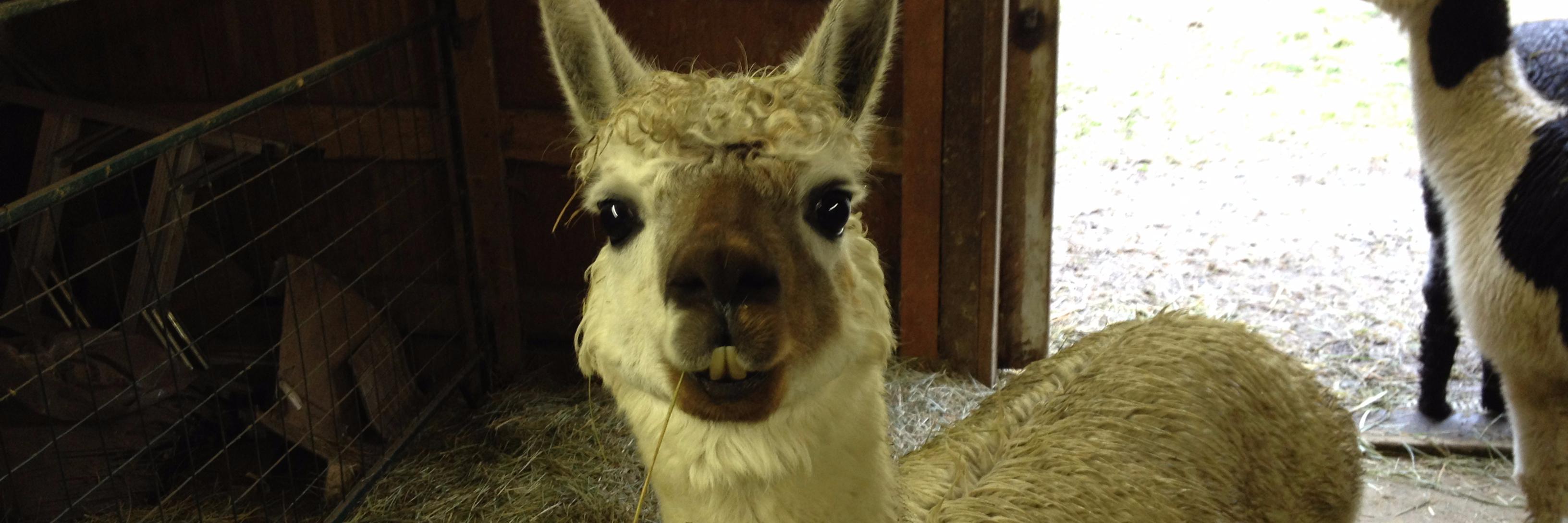
20+ year game dev, now going solo. Also trying to be an artist while ALSO being a mom, alpaca rancher, yarn spinner, knitter, musician & clothing designer.

ÜT: 47.443436,-121.998312 Katılım Şubat 2009
826 Takip Edilen2.6K Takipçiler
Sabitlenmiş Tweet
Caryn Vainio
Caryn Vainio@Hellchick·
The 1.2 update to my little game Wordy Rain is live! A new scene, a new powerup, and a new secret word feature that will change every season! Because this first one is short, I'm spoiling three of the words for you in this video. ;) #cozygame #indiegame store.steampowered.com/app/3767020/Wo…
English

0
0
1
206
Caryn Vainio
Caryn Vainio@Hellchick·
Hexaboo 1.2 is live! A UI refresh, a hint system, and...THEMES! If you like the game, buying a theme for $0.99 is a great way to show your support! There are 6 themes with animated backgrounds. My favorite is Ocean Depths. hexaboo.com
Caryn Vainio tweet mediaCaryn Vainio tweet mediaCaryn Vainio tweet media
English
0
0
0
32
Caryn Vainio
Caryn Vainio@Hellchick·
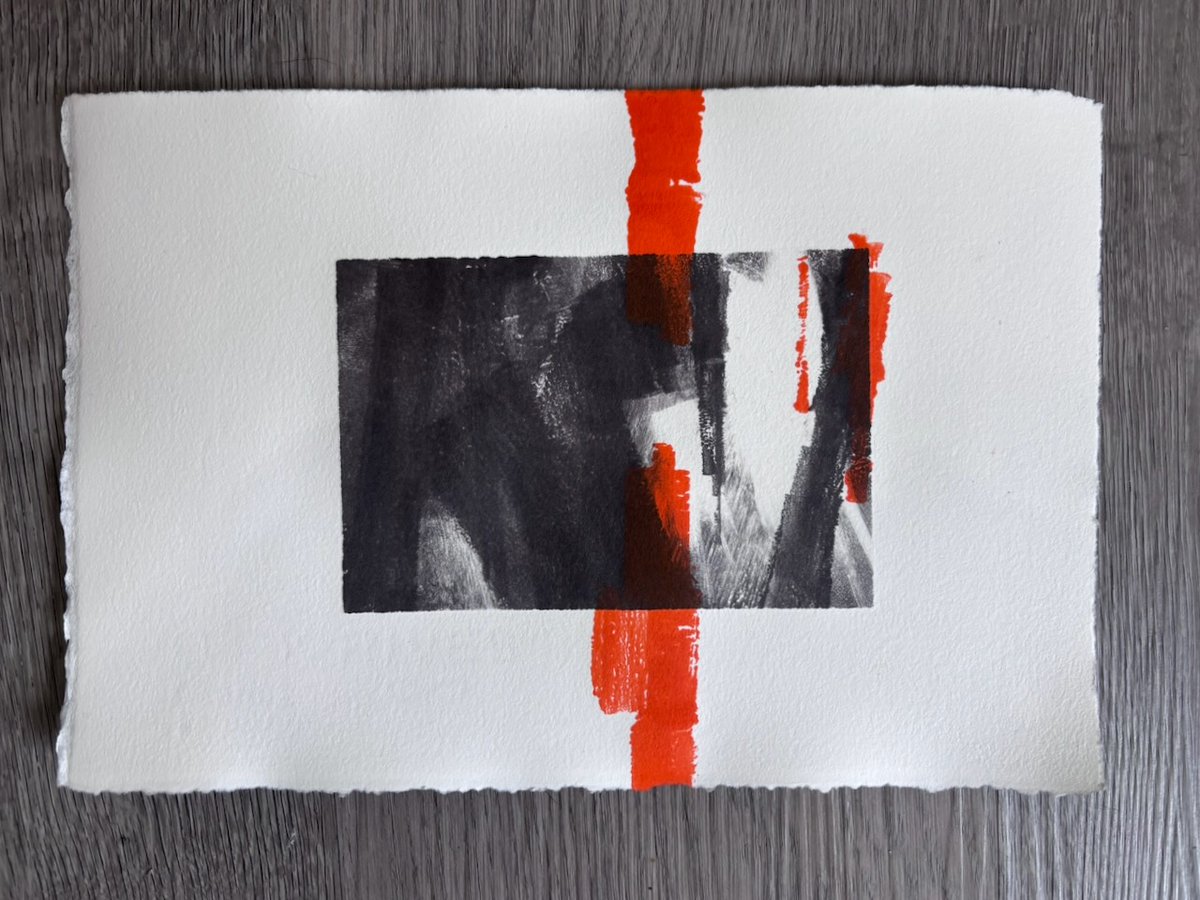
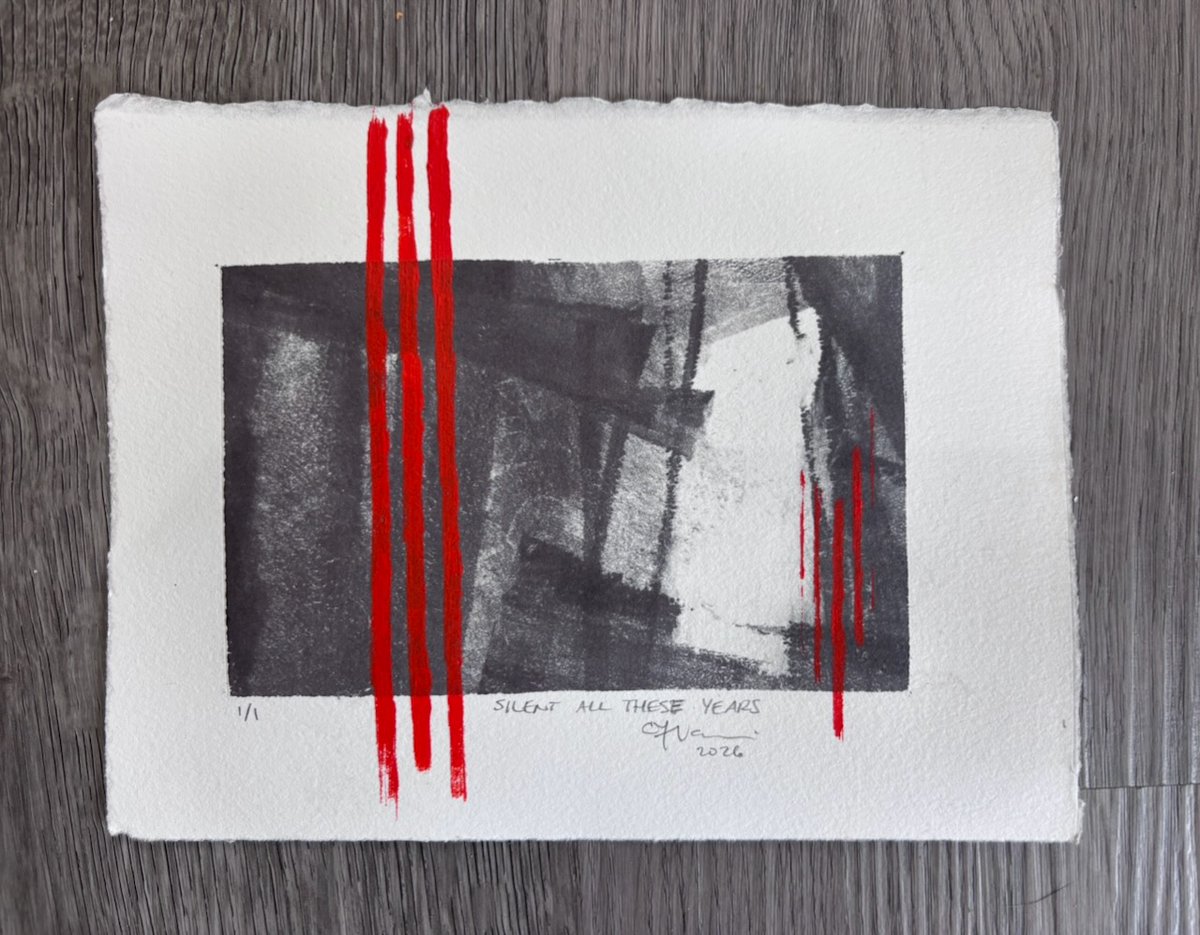
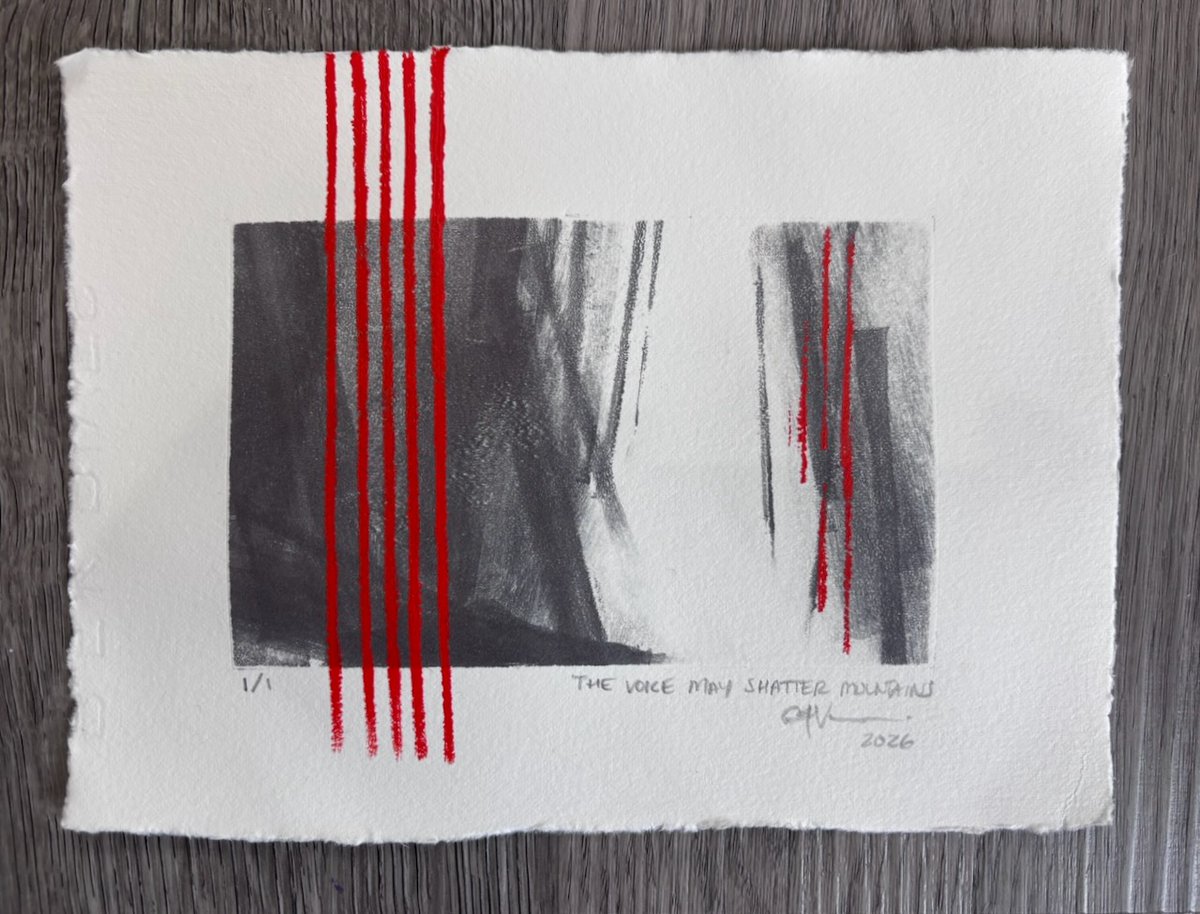
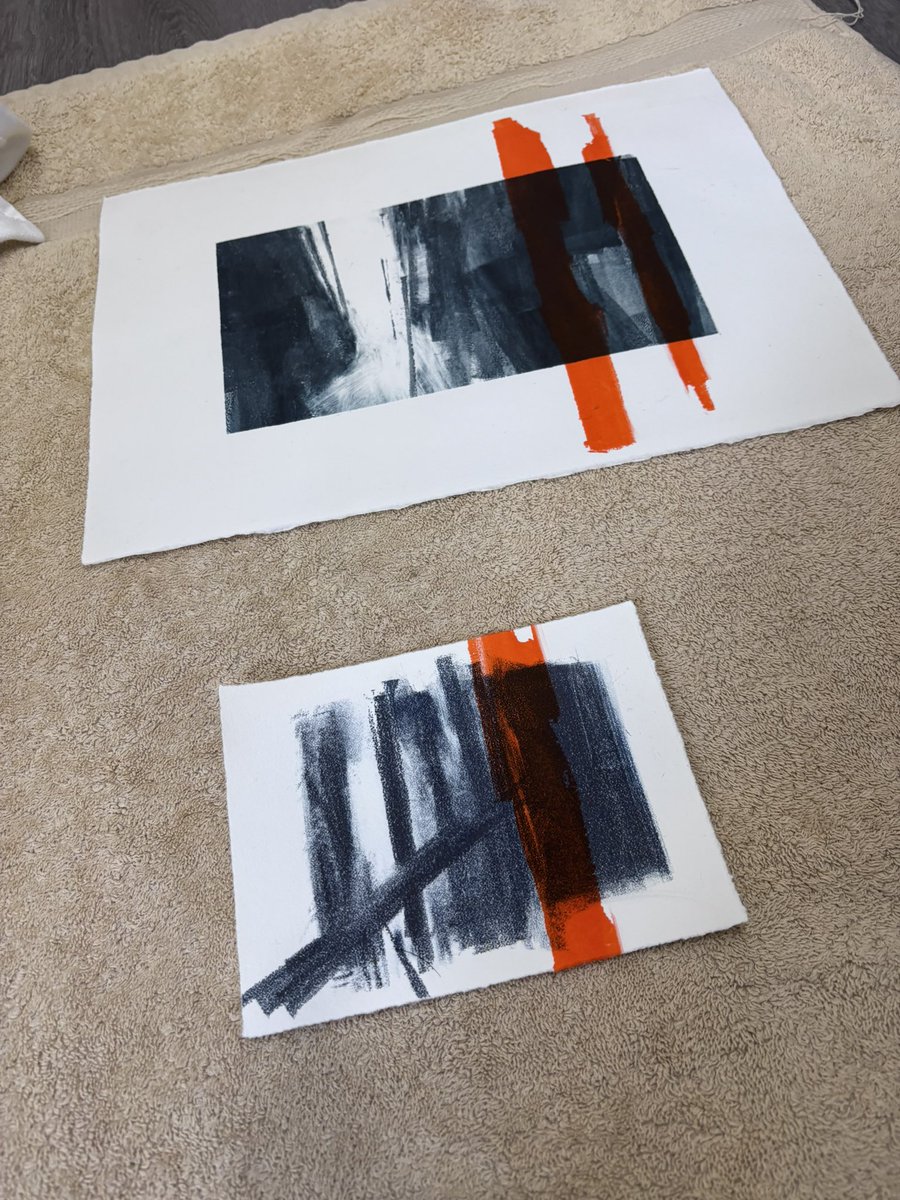
If none of that makes any sense to you, don’t worry…I can barely describe it myself. Which is…why I make images. 🙂 You can find details on these pieces here: carynvainioart.com/monotypes-2021…
Caryn Vainio tweet mediaCaryn Vainio tweet mediaCaryn Vainio tweet mediaCaryn Vainio tweet media
English
0
0
0
13
Caryn Vainio
Caryn Vainio@Hellchick·
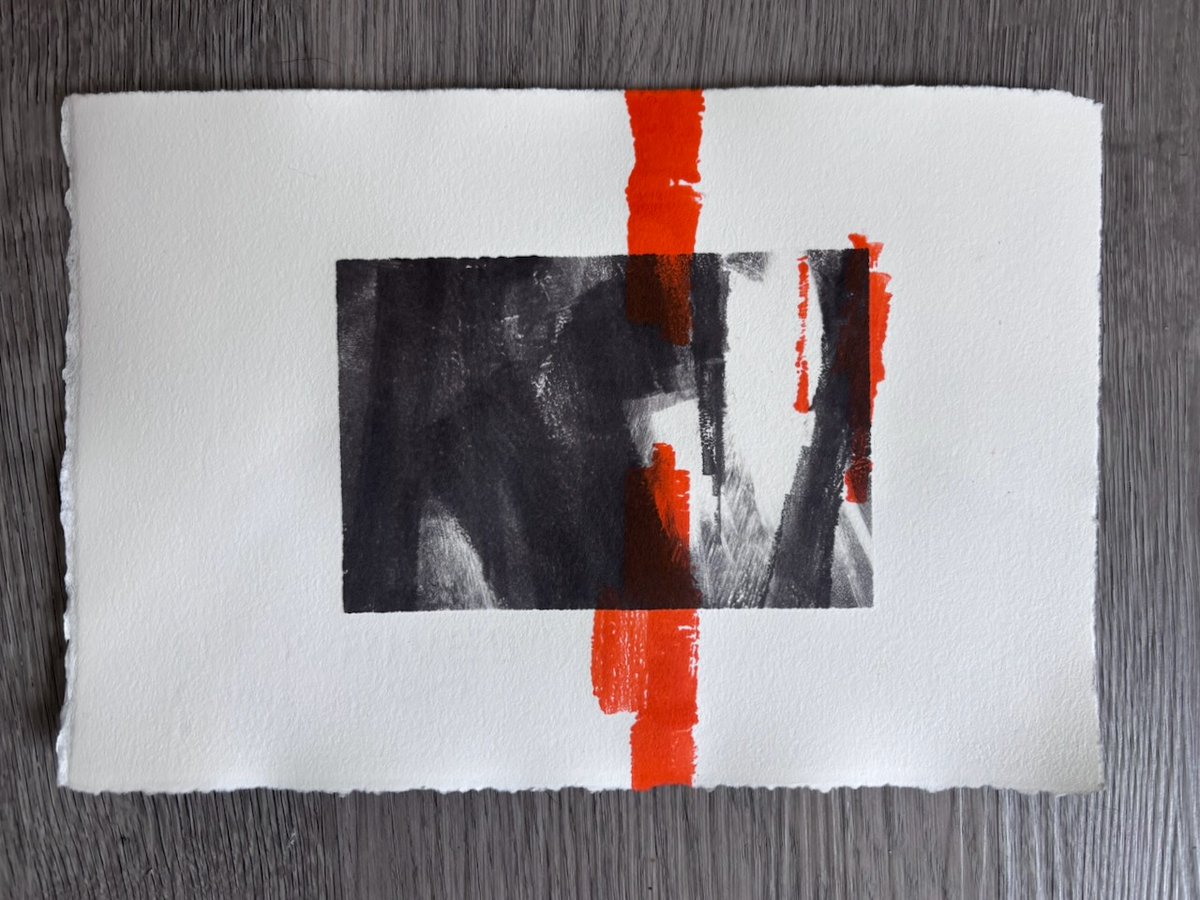
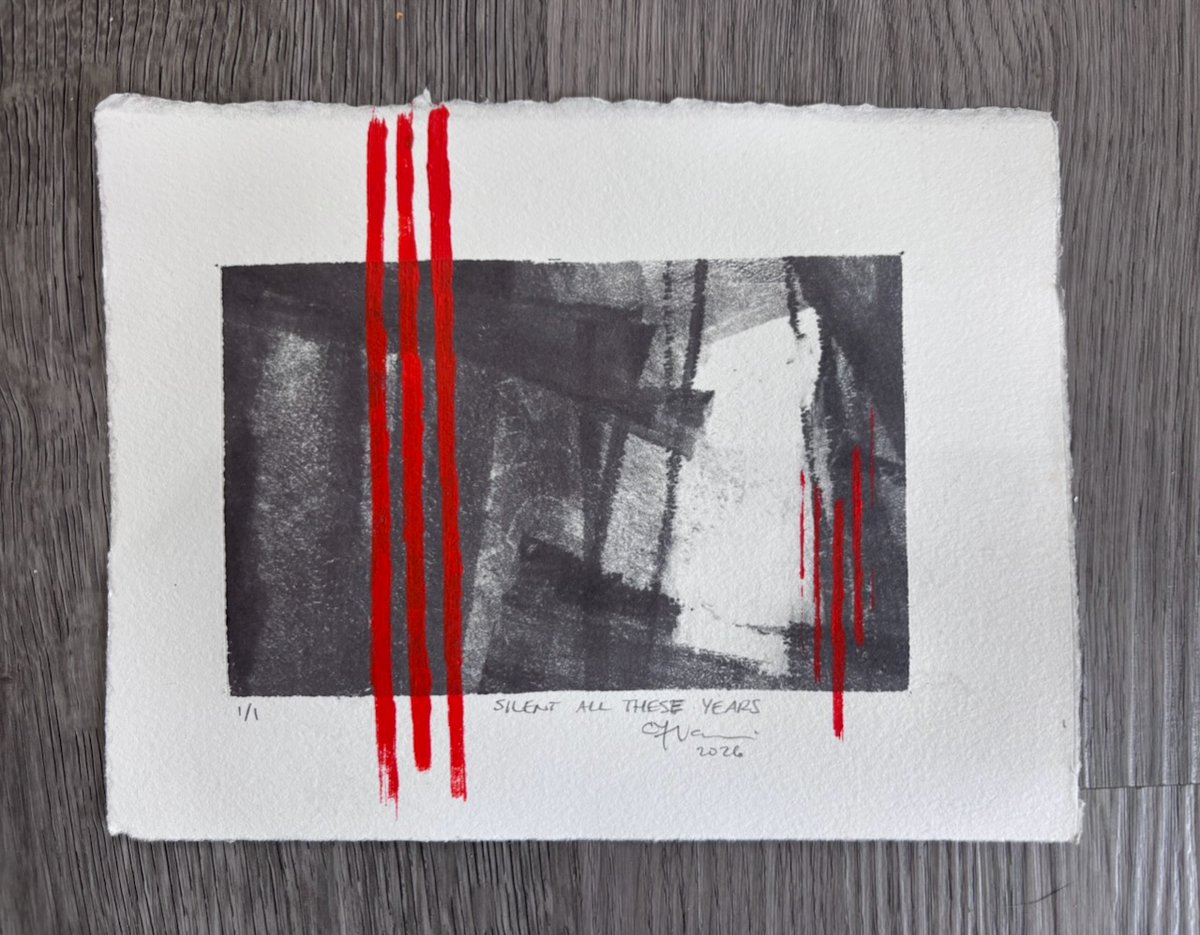
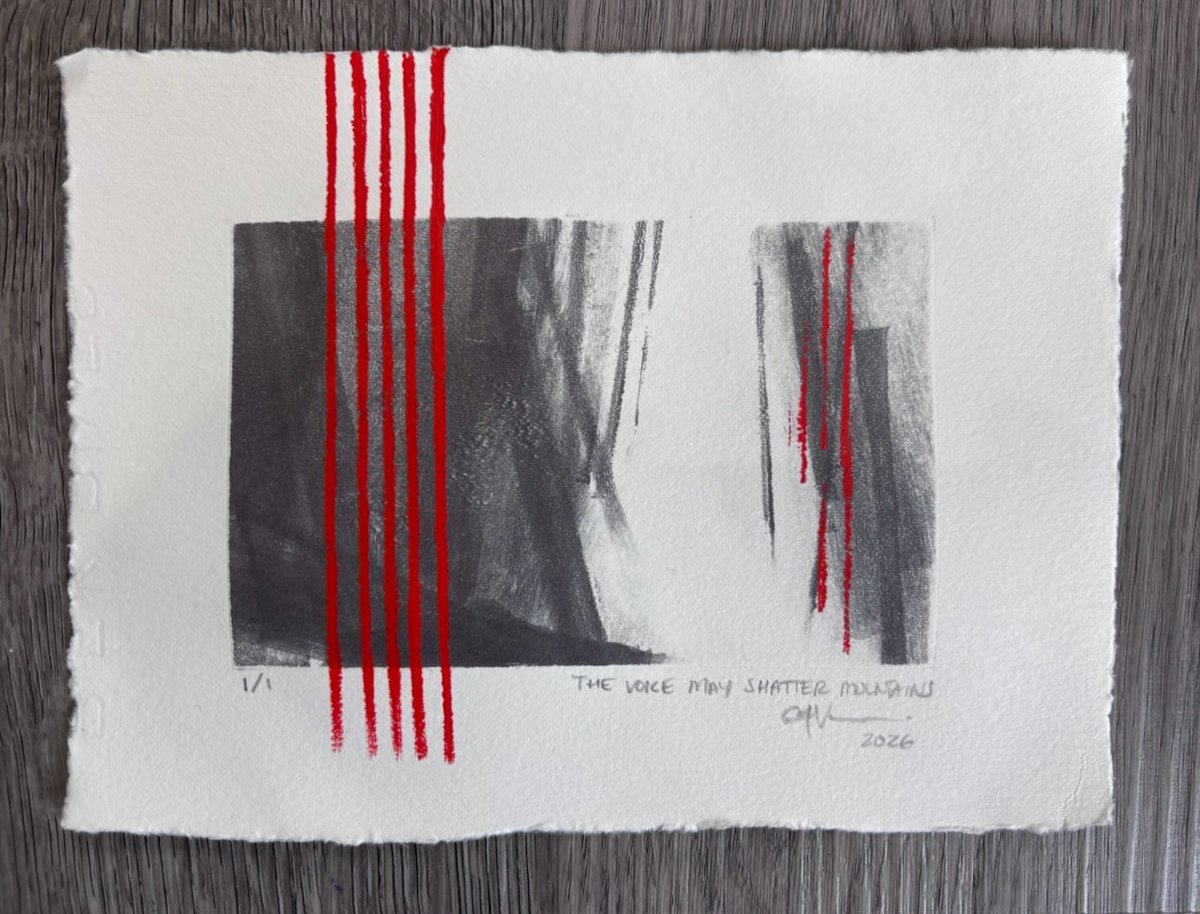
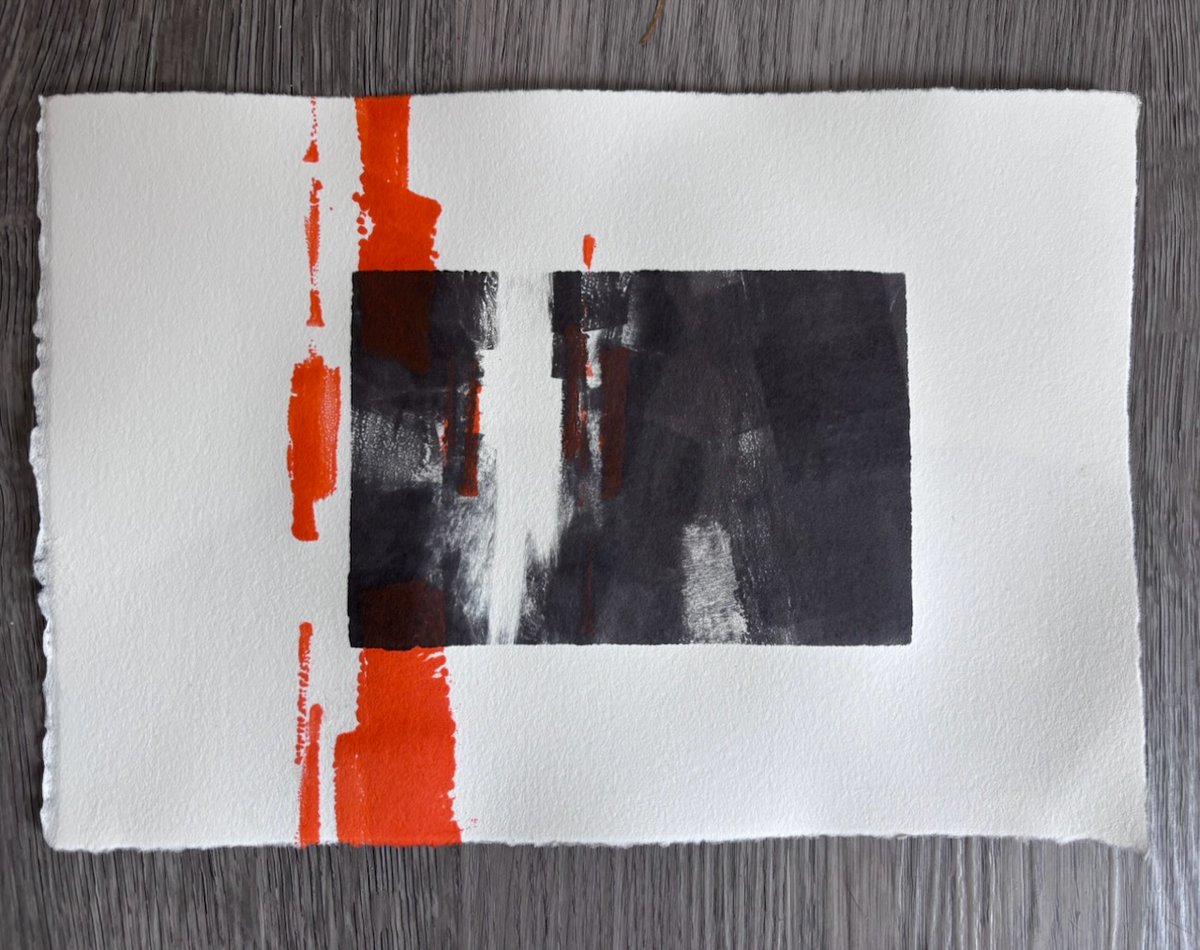
And what is that story? I can’t explain it. If I could, I wouldn’t have to paint & print it. It’s a story about disruption, interference both constructive and destructive, the hope of resolution with the reality of integration.
English
1
0
0
13
Caryn Vainio
Caryn Vainio@Hellchick·
New pieces from the studio. I’m at an inflection point with my current work; there’s a lot going on in my head. I’ve had to make maps of how all the work I’m currently doing fits together, because it feels a jigsaw puzzle with some missing pieces yet to be discovered. 🧵
Caryn Vainio tweet mediaCaryn Vainio tweet mediaCaryn Vainio tweet mediaCaryn Vainio tweet media
English
1
0
0
22
beefwatson
beefwatson@Beef_Watson·
@Hellchick Hexaboo 2026-02-24 4 🟨🟨🟨🟨🟨🟨🟨🟨🟨 5 🟩🟩🟩 6 🟦 Score: 255 | 13 words 🐦 Early Bird (#4 today) ▫️🟢▫️▫️▫️▫️▫️▫️▫️▫️ Better than 12% hexaboo.com It’s tough!
English
1
0
1
19
Caryn Vainio
Caryn Vainio@Hellchick·
If you haven't tried my new little word game Hexaboo, give today's Daily Puzzle a try! Copy/paste your stats so I can see! 4 🟨🟨🟨🟨🟨🟨🟨🟨 5 🟩🟩🟩🟩🟩🟩 6 🟦🟦 Score: 350 | 16 words 🐦 Early Bird (#5 today) ▫️▫️▫️▫️▫️▫️▫️🟢▫️▫️ Better than 70% hexaboo.com
English
2
0
1
57
Caryn Vainio
Caryn Vainio@Hellchick·
@Beef_Watson Nice!! I just made a bunch of updates, too, that the play testers like.
English
0
0
0
4
beefwatson
beefwatson@Beef_Watson·
@Hellchick Hexaboo 2026-02-24 4 🟨🟨🟨🟨🟨🟨🟨🟨🟨🟨🟨 7+ 🟪🟪🟪 Score: 338 | 14 words 🐦 Early Bird (#4 today) ▫️▫️▫️▫️▫️▫️🟢▫️▫️▫️ Better than 62% hexaboo.com Tried again before work. It’s fun
English
1
0
1
10
Caryn Vainio
Caryn Vainio@Hellchick·
I've made some Hexaboo updates based on player testing and input! - passing will now apply a score multiplier. - Better layout for Daily Puzzle on mobile - A hint system! Try it out! - Better-looking tutorial Give it a try! hexaboo.com
English
0
0
0
18
Caryn Vainio
Caryn Vainio@Hellchick·
My new game Hexaboo has daily stats you can share from the Daily Puzzle. Here are mine today: Hexaboo 2026-02-19 4 🟨🟨🟨🟨🟨 5 🟩🟩🟩🟩🟩🟩🟩🟩🟩 6 🟦 Score: 341 | 15 words 🐦 Early Bird (#10 today) ▫️▫️▫️▫️▫️▫️▫️▫️▫️🟢 Better than 95% hexaboo.com
English
0
0
0
25
Caryn Vainio
Caryn Vainio@Hellchick·
So I made another word game: Hexaboo! Try it out! I'm actually having a lot of fun playing it myself. Got the idea stuck in my head after updating the first game. (I'm still working on getting it displaying well on phone screens) hexaboo.com
Caryn Vainio tweet media
English
0
0
0
39
Caryn Vainio
Caryn Vainio@Hellchick·
I've made an update to Wordy Rain! 1.4 has a new & improved dictionary, the ability to save the non-competitive modes in progress, a new background scene & a new Wordy Drop word find! And to celebrate, Wordy Rain is 40% off until Feb. 19th! store.steampowered.com/news/app/37670…
English
0
0
0
16
Caryn Vainio
Caryn Vainio@Hellchick·
Been working on a series of ink monotypes that are a sister body of work to my current acrylic series. The question of what direction this work needs to go in is consuming me but I don’t know the answer yet. Only making more work will tell me.
Caryn Vainio tweet mediaCaryn Vainio tweet mediaCaryn Vainio tweet media
English
0
0
0
28
Caryn Vainio retweetledi
Sahil Kapur
Sahil Kapur@sahilkapur·
Reminder: DHS legislation that funds ICE at current levels without policy restrictions is in the Senate and needs 60 votes to pass. Deadline is next Friday.
English
268
963
3.5K
3.1M
Caryn Vainio retweetledi
derek guy
derek guy@dieworkwear·
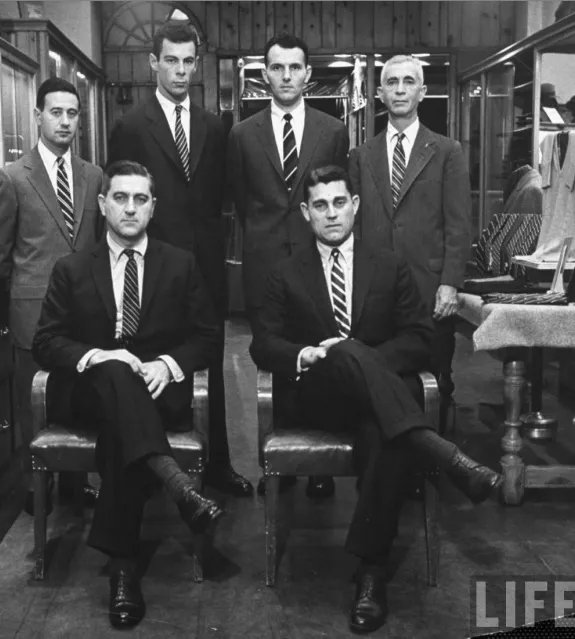
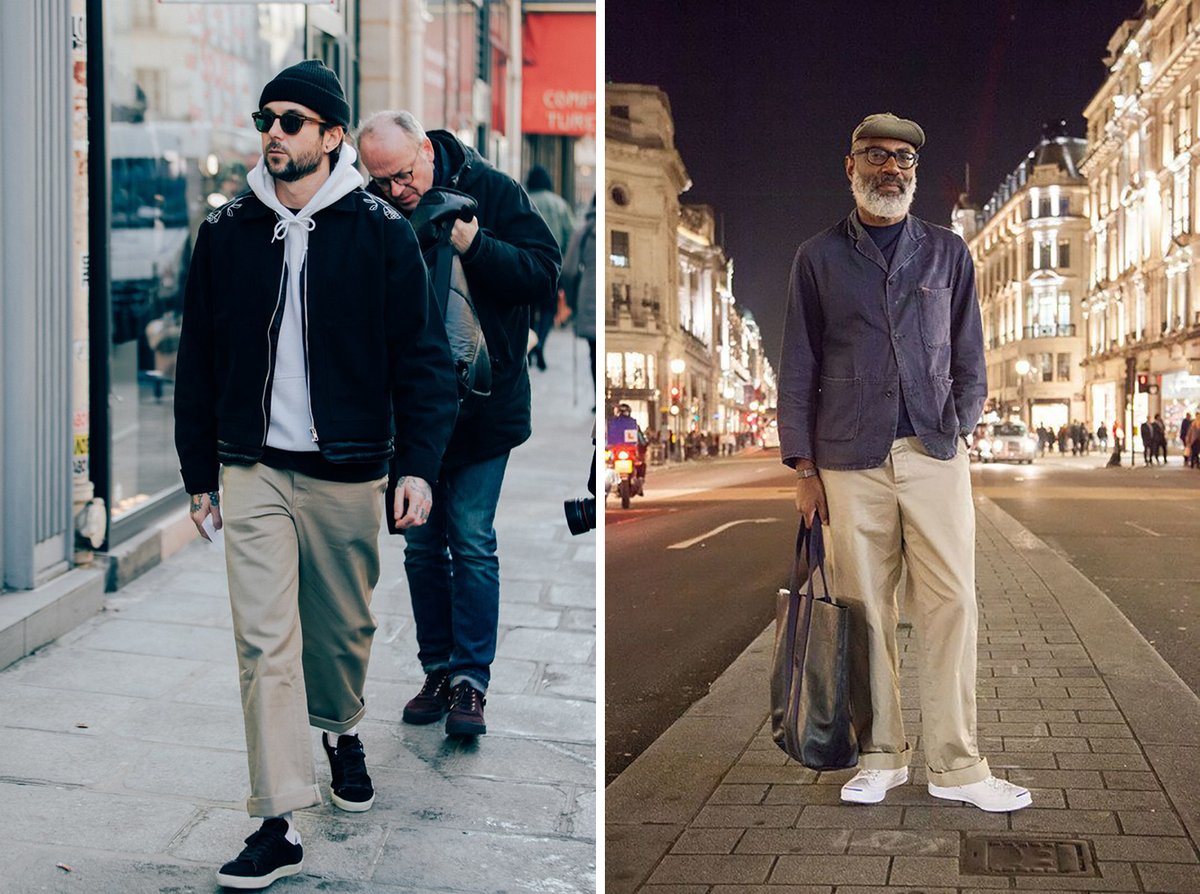
Much has already been said about this post, including smart commentary from people such as @CoraCHarrington and @OgLakyn, who rightly noted that people in the past were more informed about clothing. During the early to mid-20th century, the US Department of Agriculture published pamphlets on how to buy, repair, and take care of quality clothing. Here is a page from their 1949 guide on how to buy a suit. Notice how the information here is very sophisicated. There is a discussion of things such as collar interlining, bridle stay, taping, pocket construction, and visual guides that show what goes into the construction of such garments. The USDA doesn't publish such guides anymore (any attempt to revive such projects would be immediately slashed by austerity hawks). Mainstream publications have also become much more dumbed down — larger focus on what celebrities wear; less focus on construction. But you likely already knew that. I would like to just point out two things that contribute to the OP's impression above ("it takes too much research nowadays to buy clothes"). First, some of this is structural. While it's true that there was more education around clothing in the past (e.g., home economics courses being taught in high school), many people — especially men — were not particularly informed about clothing. Yet, they looked great. Why is this? The reason is because they were aided by clothiers and tailors. For a time, men of a certain social station — middle class and above — bought almost all their clothes from one shop. In some cases, a man would introduce his son to his clothier or tailor when they reached a certain age. In Italy, it was not uncommon for a tailor to have dressed three generations of men in the same family. At Brooks Brothers, the term "CU customer" referred to customers who would come in and ask to "see you," their sales associate. This sales associate knew everything about their clients — chest size, waist size, shoe size, preferences, lifestyle, habits, etc. And thus, they were able to clothe them appropriately. If the customer came in and said he had to go to a summer wedding, the clothier could pull out all the right clothes: wear this suit with this shirt, tie, and pair of shoes. Customer bought the whole thing and followed instructions. Very few people have this relationship anymore. We buy our socks from sock companies, jeans from jean companies, and shirts from shirt companies. Oftentimes, this process is done online, where you can't even try these things on. These things then arrive at our door and we're expected to put together a coherent outfit, even a wardrobe. This has offloaded the task of learning about clothes from the clothier to consumer. People don't consider service enough when they shop; they have very little loyalty to clothiers. Many just look for the lowest price, so it's not profitable anymore to run a retail clothing business as people did 100 years ago. For the second issue, I will stress that I'm only talking about menswear (I know nothing about womenswear and have no opinion on the matter). But for men, I will push back on this idea that clothes automatically fall apart. The biggest issue with clothing today (again, in menswear) is not physical durability, but emotional durability. Tons of clothes wind up in landfills with the tags still attached. It's not because the items suffer from a material defect, but something metaphysical. The person who purchased the item realized they don't love it anymore. To me, this is the biggest change in the last 150 years. In the early 20th century, clothing was tied to time, place, and occasion (TPO), such that if you were of a certain social station and had to do a certain thing at a certain place in a certain time, you knew what you had to wear. This was sometimes tied to moral judgements (i.e., those who broke such rules were considered bad people) Over time, these social expectations loosened. The explosion of sportswear and designer clothing in the postwar period allowed people to fashion new identities through clothing. You went to Ralph Lauren to fashion together a preppy look; Levi's to put together a workwear look; Armani to look like a languid Italian playboy. By the end of the century, dress was tied to certain cultural identities — punks dressed like punks, jocks dressed like jocks, and so forth. Today, very few boundaries exist. And so, people feel overwhelmed by the limitless options. It is not enough to just research clothing quality. You have to know which types of clothing make you *feel* good on an emotional level. This requires some emotional sensitivity and cultural awareness (so you know what you're expressing). In the responses to this post, I've seen people give suggestions on where to buy "quality" clothing. You could buy the highest quality clothing in the world — bespoke suits from world-class tailors, vicuna overcoats with handstitched lapels — and it would mean nothing if you're ultimately a guy who loves wearing duck canvas hunting coats and jeans. The second set is technically "lower quality" (depending on how you measure quality), but will get more wear because it expresses what you want to express. IMO, the world is in a better place now that we don't force men to wear suits and women to wear sundresses. Even if you're a guy who loves suits, as I do, the world is still better because you can wear tweed in the city and blue button-up shirts to work (previously not possible in the TPO framework). However, shifts in the marketplace and culture have made it much more difficult to buy clothes. IMO, not true that "every option is slop." Dickies 874 work pants are 65% polyester and 35% cotton. Yet, they're great. It's not about the construction or fabric, but their place in culture. They will always be cool because of their place in Chicano and skate history. The slop I see is generic, business casual stuff that, ironically, is narrowly focused on quality (e.g., "the best chinos" or "best t-shirt to make you look athletic"). The stuff is often culture-less and lacks appealing design qualities. Building a wardrobe today will always require some research because it requires knowledge of self. You have to know who you are, so that you can dress in a way that expresses what you want and makes you feel like "you." Like my friend Bruce Boyer once said, "real style is being yourself on purpose."
derek guy tweet mediaderek guy tweet mediaderek guy tweet mediaderek guy tweet media
J@JungianPeater

What annoys me a lot about “buying clothes” is that every option is slop. It doesn’t matter if you spend 50 or 800 on a ‘winter coat’, it might just be cold af. With omnipresent sloppification you need to become an expert yourself before buying anything. Huge cognitive costs.

English
30
128
1.8K
238.4K