
Hisham Al-Shurafa
770 posts

Hisham Al-Shurafa
@hisham
Software Engineer / Entrepreneur
Calgary, AB, Canada Katılım Mart 2007
2.4K Takip Edilen663 Takipçiler
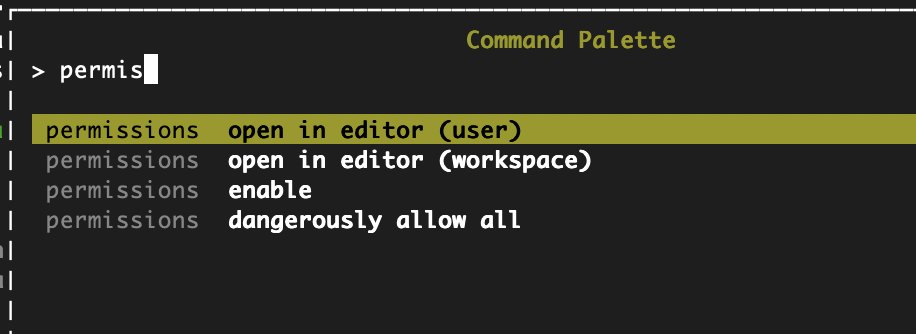
@nicolaygerold Card doesn't really spell out when it should be used instead of opus/smart mode. If GPT 5.5 is more agentic, than is deep mode more similar to smart mode now?
English

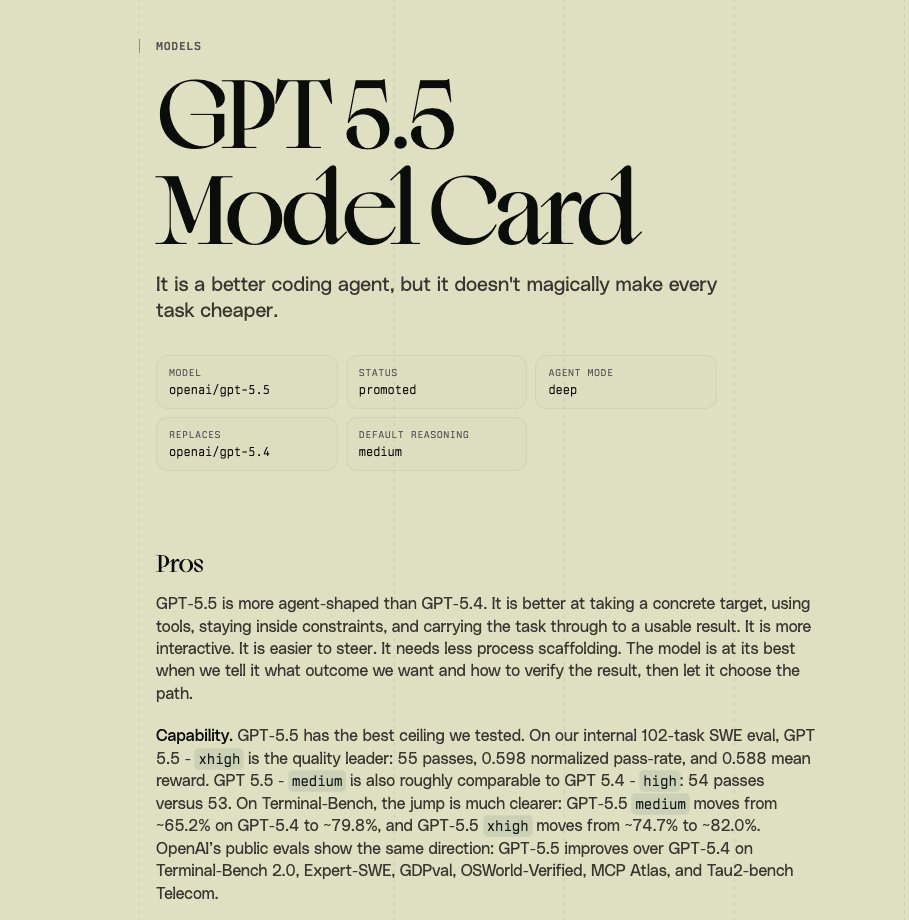
Model card is out.
Read more about how we tuned Amp to work with GPT 5.5 and how we feel about the model.
ampcode.com/models/gpt-5.5
Nicolay Gerold@nicolaygerold
Coming today.
English
Hisham Al-Shurafa retweetledi

I'm very bullish on Canada.
It's no more or less difficult to start a million dollar internet business in Canada than in the US.
Honestly, it’s a lot easier when you’re not stressing about $10K a month for health insurance, especially if you’re young and healthy.
You don’t have to put life on hold, worry about a $100K childbirth bill, or carry as much financial pressure for aging parents.
Truthfully, millennials in Canada is doing just fine.
I’m bullish on the next generation staying. People in their 20s are ambitious, have that IDGAF energy, and are building in public, bootstrapping, and learning fast. It’s a sharp contrast to millennial founders who leaned toward the perceived safety of the US startup ecosystem.
Taxes aren’t the issue for builders. I’m a second-generation founder and this comes up all the time. In Ontario, the first $500K of small business profit is taxed at roughly 12% combined. You also get a $1.5M life-time capital gain exception. Small businesses win in Canada.
The conversation always swings back to optimizing for a hypothetical $100M exit. For most founders, that’s unrealistic and premature, so it’s largely irrelevant.
Like I’ve said before, you can’t optimize Canada for an American outcome. The systems are different, and most people online just repeat US-centric takes without understanding that.
Where you build your first business doesn’t matter much. I’m five startups in, and Canada hasn’t been a handicap.
Just build.
English
Hisham Al-Shurafa retweetledi
I wrote an article on the intersection of Islam and modern AI. It’s called "Between Clay and Light: A Quranic Framework for the Age of Intelligence."
I originally gave this as a private talk. It’s an attempt to bring together a few different areas I’ve spent time in -- merging technical AI concepts with the Islamic tradition.
The ideas are an exploration, but I’m curious to see if this framing resonates with anyone else.
aliasaria.ca/posts/between-…
English

English
Been using @AmpCode for a few weeks now. It's great. A lot better than Claude. Opus is a great model, but AmpCode is simply a better put together package. It's faster, smarter, and just goes! Thanks @aliasaria for the tip!
English
@hmd_saka Just SKILL.md files at the moment with the main LLMs. Though small language models like the ones from @distil_labs look interesting.
English

Using AI is like coding with the English language. The AI is stupid and you constantly have to review its work, give it feedback loops, and train it on every little detail and nuance.
English

whether it’s the moonlighting or figuring out the direction of qibla there were interesting debates in the muslims world between legal scholars (some of whom were also astronomers) on the question of scientific findings contradicting established practice.
the 14th century debate of qibla of Fes in a food example.

محمد شوكت عودة@OdehAstronomy
ما حدث يوم أمس من تقدّم عدد كبير من الشهود برؤية الهلال في ثلاث دول مختلفة، وقبول هذه الشهادات فيها، وإعلان أن يوم الخميس هو أول أيام عيد الفطر، يستدعي وقفة تأمّل. فمن الناحية العلمية، لا ريب أن جميع هذه الرؤى غير صحيحة؛ إذ إن القمر قد غرب قبل الشمس في جميع دول العالم تقريبا، أي إنه لم يكن موجودًا في السماء بعد غروب الشمس عند ادعاء رؤيته. ولو افترضنا جدلًا وجوده، فإن أي هلال يُرى في السماء قبل الساعة 01:23 صباحًا بتوقيت غرينتش من يوم الخميس هو هلال شهر رمضان؛ لأن هذا هو وقت المحاق (اقتران شهر شوال). فالهلال قبل ذلك الوقت يكون هلال آخر الشهر من رمضان، ولا يبدأ هلال شوال بالتشكّل إلا بعد حدوث المحاق وبعدة ساعات. وبالفعل، ومن خلال مرصد الختم الفلكي، تمكّنا بعد ظهر يوم أمس الأربعاء من رصد وتصوير الهلال، غير أن ذلك الهلال كان هلال شهر رمضان! رابط الصورة: x.com/AstronomyCente… وللتأكيد، فإن جميع الشهادات المذكورة وردت قبل وقت المحاق بساعات، ووردت في وقت كان فيه القمر تحت الأفق. أما الإشكالية الحقيقية فتبرز لدى الجاليات المسلمة في أوروبا وأمريكا وغيرها، التي قد تتبنى الرأي القائل بوجوب بدء الشهر بمجرد إعلان أي دولة ثبوت رؤية الهلال، حتى لو أكدت الحقائق الفلكية عدم صحة هذه الرؤية. إن هذا الطرح يقتضي من أصحابه أن يكون عيدهم يوم الخميس أيضًا؛ إذ إن الإعلانات المذكورة صدرت عن جهات رسمية، وبناءً على شهادات شهود عدول جرى التحقق منهم وتزكيتهم وقبول شهاداتهم. ولم يكونوا أفرادًا قلّة، بل نصّت البيانات على أن عددهم كان كبيرًا ومن مناطق مختلفة ذُكرت أسماؤها. والمفاجأة أن بعض المؤسسات الرسمية في كندا قبلت تلك الشهادات فعلًا، وأعلنت أن يوم الخميس هو عيد الفطر لديها. وتجدر الإشارة إلى أن ما حدث في هذه الدول الثلاث يتكرر مرارًا في دول أخرى، حيث تُقبل شهادات برؤية الهلال، رغم أن الحقائق العلمية القطعية تؤكد عدم إمكانية تلك الرؤية. إن ما حدث يوم أمس يؤكد أن الاستئناس بالحقائق العلمية في عصرنا الحاضر أصبح ضرورة لا مفر منها، ولا يمكن الاكتفاء بمجرد عدالة الشهود، بل لا بد أن يقترن ذلك بضبط شهاداتهم، وألا يصرّحوا بما يخالف العقل والمنطق؛ فالشرع لا يأتي بالمستحيلات. بيان أفغانستان (القمر غرب قبل غروب الشمس بـ 35 دقيقة) : x.com/AstronomyCente… بيان النيجر (القمر غرب قبل غروب الشمس بـ 22 دقيقة) : x.com/AstronomyCente… بيان مالي (القمر غرب قبل غروب الشمس بـ 20 دقيقة) : x.com/AstronomyCente…
English
@hisham Our team is using a lot of the tools (Codex, Claude Code, Gemini-cli, amp) but personally I'm getting the best results from using ampcode (which behind the scenes uses a blend of models)
English
Hisham Al-Shurafa retweetledi

A few random notes from claude coding quite a bit last few weeks.
Coding workflow. Given the latest lift in LLM coding capability, like many others I rapidly went from about 80% manual+autocomplete coding and 20% agents in November to 80% agent coding and 20% edits+touchups in December. i.e. I really am mostly programming in English now, a bit sheepishly telling the LLM what code to write... in words. It hurts the ego a bit but the power to operate over software in large "code actions" is just too net useful, especially once you adapt to it, configure it, learn to use it, and wrap your head around what it can and cannot do. This is easily the biggest change to my basic coding workflow in ~2 decades of programming and it happened over the course of a few weeks. I'd expect something similar to be happening to well into double digit percent of engineers out there, while the awareness of it in the general population feels well into low single digit percent.
IDEs/agent swarms/fallability. Both the "no need for IDE anymore" hype and the "agent swarm" hype is imo too much for right now. The models definitely still make mistakes and if you have any code you actually care about I would watch them like a hawk, in a nice large IDE on the side. The mistakes have changed a lot - they are not simple syntax errors anymore, they are subtle conceptual errors that a slightly sloppy, hasty junior dev might do. The most common category is that the models make wrong assumptions on your behalf and just run along with them without checking. They also don't manage their confusion, they don't seek clarifications, they don't surface inconsistencies, they don't present tradeoffs, they don't push back when they should, and they are still a little too sycophantic. Things get better in plan mode, but there is some need for a lightweight inline plan mode. They also really like to overcomplicate code and APIs, they bloat abstractions, they don't clean up dead code after themselves, etc. They will implement an inefficient, bloated, brittle construction over 1000 lines of code and it's up to you to be like "umm couldn't you just do this instead?" and they will be like "of course!" and immediately cut it down to 100 lines. They still sometimes change/remove comments and code they don't like or don't sufficiently understand as side effects, even if it is orthogonal to the task at hand. All of this happens despite a few simple attempts to fix it via instructions in CLAUDE . md. Despite all these issues, it is still a net huge improvement and it's very difficult to imagine going back to manual coding. TLDR everyone has their developing flow, my current is a small few CC sessions on the left in ghostty windows/tabs and an IDE on the right for viewing the code + manual edits.
Tenacity. It's so interesting to watch an agent relentlessly work at something. They never get tired, they never get demoralized, they just keep going and trying things where a person would have given up long ago to fight another day. It's a "feel the AGI" moment to watch it struggle with something for a long time just to come out victorious 30 minutes later. You realize that stamina is a core bottleneck to work and that with LLMs in hand it has been dramatically increased.
Speedups. It's not clear how to measure the "speedup" of LLM assistance. Certainly I feel net way faster at what I was going to do, but the main effect is that I do a lot more than I was going to do because 1) I can code up all kinds of things that just wouldn't have been worth coding before and 2) I can approach code that I couldn't work on before because of knowledge/skill issue. So certainly it's speedup, but it's possibly a lot more an expansion.
Leverage. LLMs are exceptionally good at looping until they meet specific goals and this is where most of the "feel the AGI" magic is to be found. Don't tell it what to do, give it success criteria and watch it go. Get it to write tests first and then pass them. Put it in the loop with a browser MCP. Write the naive algorithm that is very likely correct first, then ask it to optimize it while preserving correctness. Change your approach from imperative to declarative to get the agents looping longer and gain leverage.
Fun. I didn't anticipate that with agents programming feels *more* fun because a lot of the fill in the blanks drudgery is removed and what remains is the creative part. I also feel less blocked/stuck (which is not fun) and I experience a lot more courage because there's almost always a way to work hand in hand with it to make some positive progress. I have seen the opposite sentiment from other people too; LLM coding will split up engineers based on those who primarily liked coding and those who primarily liked building.
Atrophy. I've already noticed that I am slowly starting to atrophy my ability to write code manually. Generation (writing code) and discrimination (reading code) are different capabilities in the brain. Largely due to all the little mostly syntactic details involved in programming, you can review code just fine even if you struggle to write it.
Slopacolypse. I am bracing for 2026 as the year of the slopacolypse across all of github, substack, arxiv, X/instagram, and generally all digital media. We're also going to see a lot more AI hype productivity theater (is that even possible?), on the side of actual, real improvements.
Questions. A few of the questions on my mind:
- What happens to the "10X engineer" - the ratio of productivity between the mean and the max engineer? It's quite possible that this grows *a lot*.
- Armed with LLMs, do generalists increasingly outperform specialists? LLMs are a lot better at fill in the blanks (the micro) than grand strategy (the macro).
- What does LLM coding feel like in the future? Is it like playing StarCraft? Playing Factorio? Playing music?
- How much of society is bottlenecked by digital knowledge work?
TLDR Where does this leave us? LLM agent capabilities (Claude & Codex especially) have crossed some kind of threshold of coherence around December 2025 and caused a phase shift in software engineering and closely related. The intelligence part suddenly feels quite a bit ahead of all the rest of it - integrations (tools, knowledge), the necessity for new organizational workflows, processes, diffusion more generally. 2026 is going to be a high energy year as the industry metabolizes the new capability.
English
Hisham Al-Shurafa retweetledi

I am really thankful for @paulg to be one of the only few prominent voices in Silicon Valley left who still have a spine.
Everyone else sold out.
Paul Graham@paulg
ICE just shot and killed a woman Minneapolis. A US citizen. How long before we say "Enough is enough?"
English
Hisham Al-Shurafa retweetledi

First essay of the year: Chasing Greatness
Without realizing it at the time, I spent most of last year thinking about what it means to be great. Technologists have hijacked the language of greatness. We need more founders to take the pursuit of greatness seriously.
Native@nativestudio_
English
Hisham Al-Shurafa retweetledi

BREAKING 🚨 The University of Waterloo will NOT renew its partnership with Technion - Israel Institute of Technology
In October 2024, the Waterloo Undergraduate Student Association held a referendum where 83.9% of participating undergrads voted IN FAVOUR of UW ending its partnership with Technion due to its role in the research & development of tech used by the Israeli Defence Forces

English
Hisham Al-Shurafa retweetledi
It's strange to think it would be at all controversial to post this. But in a time of moral decay, the obvious becomes controversial.

English
Nice article by @KasurianMag. Love the last paragraph - "These individuals, leading small but highly motivated teams, can catalyse change far beyond what their material resources might suggest. A giant leap requires a thousand small steps."
kasurian.com/p/lebanese-spa…
English

you can now deploy AI agents to browse the internet, automate tasks, and execute complex workflows on your behalf.
this is version zero of the tech (chatgpt operator etc). imagine version ten!!!!!
how are you sleeping at night!!!
English