

93
1.4K posts
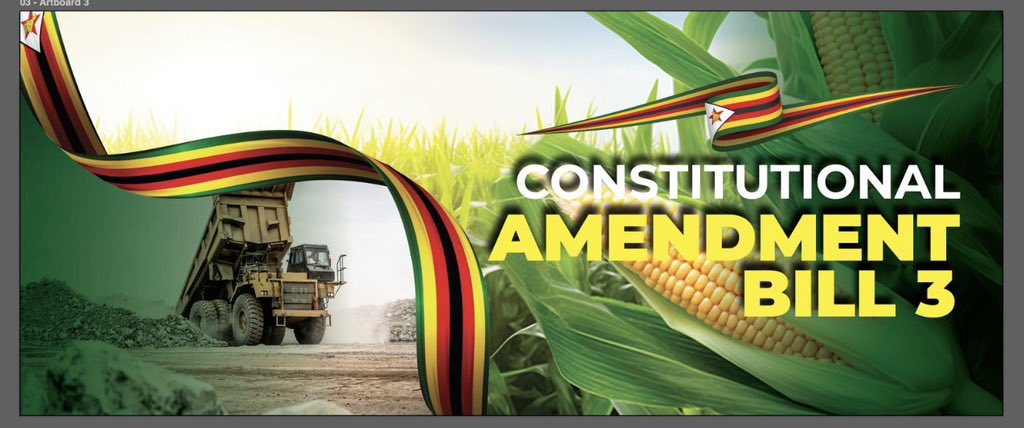
CAB1 — No referendum.
CAB2 — No referendum.
CAB3 — No referendum. Why? Because on all occasions, it was — and still is — not required.
#CAB3
English



What African country would you like to marry from?
English
What is name of the best football club in your country?
English
Who is the most popular Musician in your country?
English



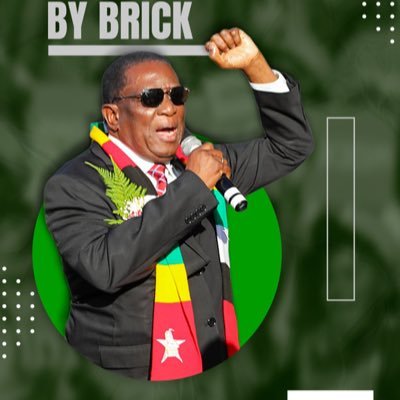


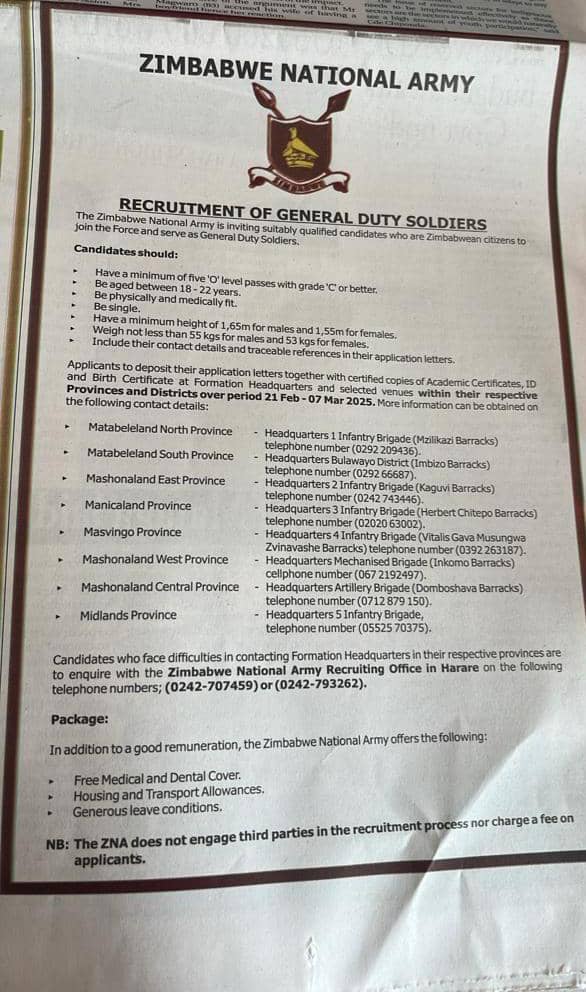

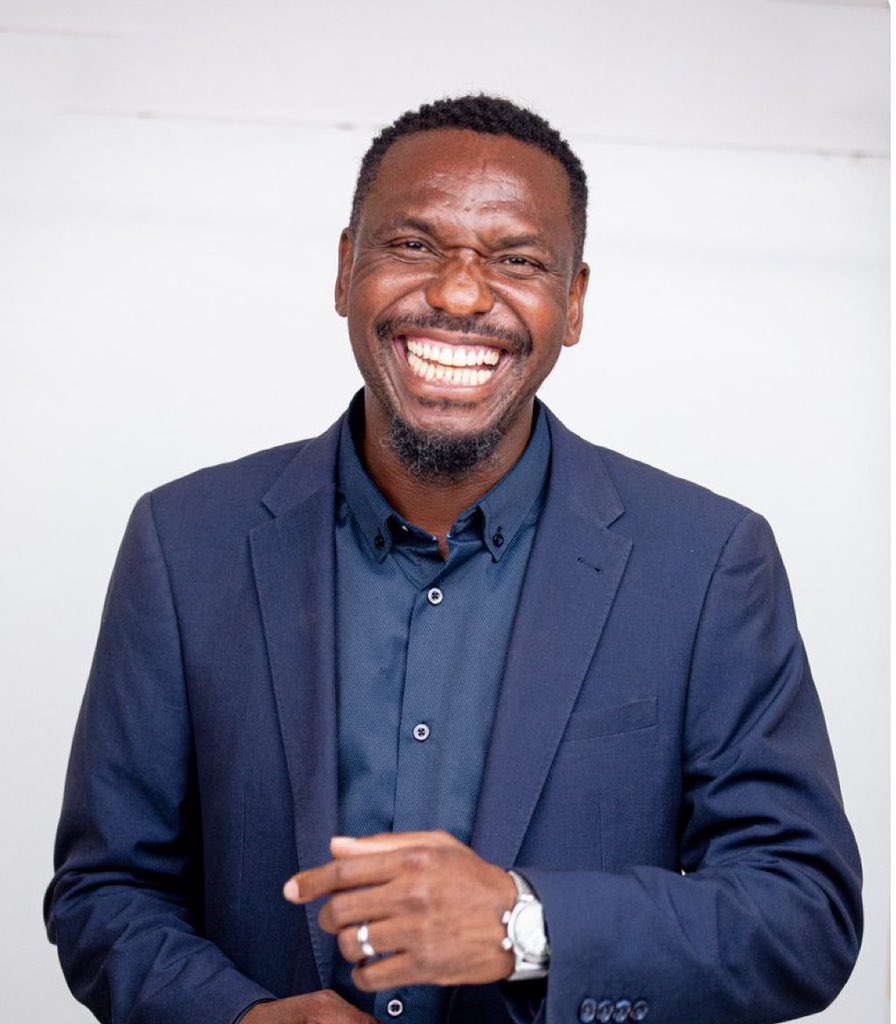
Who is he? Anoita nezveyi Dumisani????
TheNewsHawks@NewsHawksLive
#ZINEFcondemnsMhlangaHarassment Dumisani Muleya, Zimbabwe National Editor's Forum (Zinef) chairperson, has condemned police's intimidatory pursuit of Alpha Media Holdings online radio and television HStv platform anchor Blessed Mhlanga who recently interviewed militant war veteran leader Blessed Geza - causing a political stir - saying President Emmerson Mnangagwa must for go as he has dismally failed. Police issued and later deleted a tweet seeking information on the whereabouts of Mhlanga who they said faced charges under Section 164 of the Criminal Law (Codification and Reform) Act. This section deals with transmitting data messages that incite violence or cause damage to property. Geza and other war veterans recently charged Mnangagwa must also quit over his ill-fated third term bid driven by political allies and supporters, which he denies. Geza led the fierce attack on Mnangagwa, demanding he must go - now. As a result, police pressed four criminal charges against him, including one of allegedly undermining the authority of and insulting the President. Geza fled the country. Muleya - himself a victim of several previous arrests for writing stories authorities disapproved - said law enforcement agents must do their work properly and stop harassing Mhlanga, while also ceasing their apparent attempt to force him to aid and abet their investigation or effect a hostage arrest on him to get to Geza, as this is not legally permitted and smacks of colonial era law enforcement. Muleya's statement highlights the ongoing concerns about press freedom and safety of journalists in Zimbabwe. Last year, The NewsHawks, an investigative digital newspaper edited by Muleya, halted further reporting on a story about corruption allegations within the military due to fears for the safety of its journalists after harassment. Zimbabwean authorities' aggressive actions towards Mhlanga and other journalists are a clear attempt to intimidate and silence the press. Muleya urged police to respect rights of journalists and ensure their safety in line with the constitution, saying reporters are not a threat to Mnangagwa or government, but innocent and professional bearers of news in the public interest. The Zinef chair said while police must be allowed to do their job freely within the limits of the constitution, they should also not in the process perpetrate brazen infractions of media freedom and the right of journalists to report without fear or favour guided by the law, ethics and professionalism. In a statement this morning, Muleya said: "As Zinef, we are advised by our lawyers that in Zimbabwe, the legality of hostage arrest or arrest by proxy which seems to be what police are trying to do on AMH journalist Blessed Mhlanga or at the very least coerce him to help their manhunt on his namesake Blessed Geza by arresting wife Roseline Ndaizivei Tawengwa is a controversial, contentious and complex issue. It's an ugly political culture; authoritarian. The bad practice of forcing a journalist to help a police investigation or arresting of someone in order to force another person to surrender themselves cannot possibly be lawful in a constitutional democracy where individual rights are entrenched in the Bill of Rights. The Bill of Rights in Chapter 4 of the constitution outlines the rights and freedoms that all Zimbabweans are entitled to. These include civil and political rights: Protecting people from abuse by government, other people, or organisations, among other things. While there is no specific provision at law that explicitly permits or prohibits hostage arrest, various laws and international human rights instruments can be invoked to challenge the legality of such despotic practices. Relevant Laws and Instruments: Section 49 of the constitution guarantees the right to personal liberty and prohibits arbitrary detention. The Criminal Procedure and Evidence Act governs procedures for arrest, detention, and trial. While it does not explicitly address hostage arrest, it emphasises the importance of due process and the protection of individual rights. There is also the International Covenant on Civil and Political Rights. Zimbabwe is a signatory to the instrument, which prohibits arbitrary arrest and detention (Article 9). The African Charter on Human and Peoples' Rights, to which Zimbabwe is also a signatory, guarantees the right to liberty and security of person (Article 6). Court rulings and precedents show that there have been instances where the courts have ruled against arbitrary arrests and detentions." Muleya added: "While there is no explicit provision in Zimbabwean law that permits hostage arrest, the constitution, domestic laws, and international human rights instruments suggest and show clearly that such practices are unlawful and undesirable. The local courts have also demonstrated a willingness to protect individual rights and rule against arbitrary arrests and detentions. Trying to make journalists an extension of law enforcement agents is also undesirable and unacceptable." Mhlanga has had run-ins with the law before. In 2022, he was arrested and charged with disorderly conduct, while covering a municipal by-election in Chitungwiza. He was later acquitted. Mhlanga has been vocal about police brutality and has shared his own experiences of being assaulted by police officers. "Police must do their job freely and without undue pressure and criticism, but journalists must also be allowed to do the same - work without needless pressure and harassment, or intimidation. In terms of the constitution, media freedom is guaranteed under section 61, which states that every person has the right to freedom of expression, including the freedom of the media, allowing individuals to seek, receive, and communicate information without interference; this also protects journalists' sources and allows for the free establishment of broadcast and electronic media, subject to state licensing procedures that are independent of government influence."
Română
@FeresuShashie @TinotendaGacha1 @wicknellchivayo @CMukungunugwa @TateMavetera @hamlet_matavire Ndosaka vanhu kadzi muri wiki
Indonesia

Türkçe

We extend our heartfelt gratitude to @wicknellchivayo Sir Wicknell Chivhayo for his incredible generosity in gifting MaiDembo a brand new 4x4. This kind gesture not only showcases his commitment to uplifting others but also brings joy and support to an inspiring individual. Thank you, Sir Wicknell, for making a difference.


English

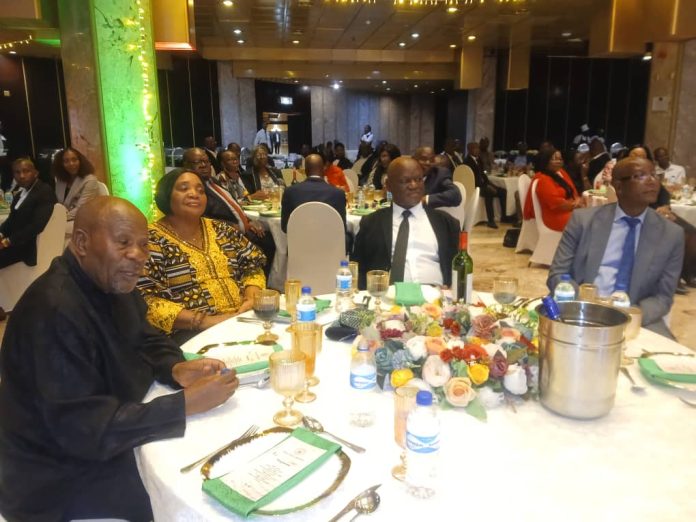
AFTER 44 years of unwavering loyalty and dedication as a judicial officer, Justice David Mangota has retired, marking the conclusion of a remarkable career in the judiciary.
zbcnews.co.zw/justice-david-…
English


I have so much respect for this man! Unbiased journalism! Mupei maruva ake!
English
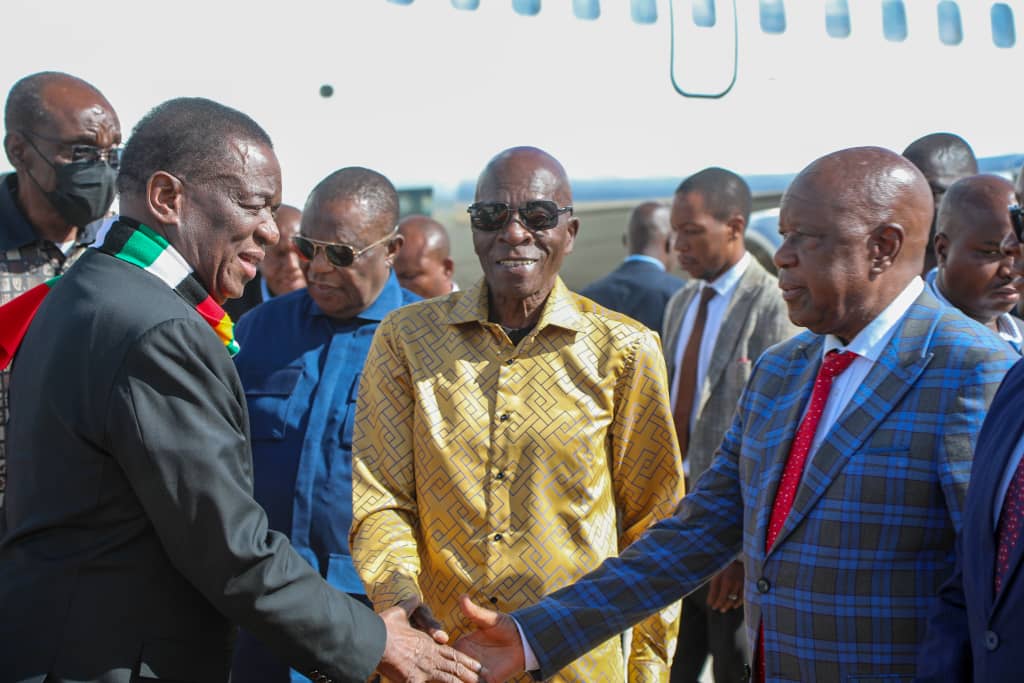
@ZBCNewsonline He is only 1 still wearing scarf....vana vembwa i think vese vave kuona
English
President Emmerson Mnangagwa is back home after attending the 38th ordinary session of the Assembly of Heads of State and Government of the African Union in Addis Ababa, Ethiopia.
s.mtrbio.com/feqcltbanp


English