Sabitlenmiş Tweet
Ichor Grad Student
423 posts

Ichor Grad Student
@IchorGrad
Giving you an insider's view into Longevity. (ᴺᵒᵗ ᵐᵉᵈᶦᶜᵃˡ ᵃᵈᵛᶦᶜᵉ)
Lafayette, NY Katılım Ekim 2023
29 Takip Edilen2.6K Takipçiler
Ichor Grad Student retweetledi

Many of you have heard that BPC-157, GHK-Cu, Ipamorelin, CJC, Melanotan, etc. have all recently been banned by the FDA.
But have they actually?
Nope, not banned, but they may ban some. All have been moved to "category 2."
What this means:
Compounding pharmacies who are looking to source the compound following a doctor's prescription are now not allowed to do so. This designation basically made it so doctors cannot prescribe you these compounds.
What is their rationale for doing so? Do they think that BPC-157 is dangerous?
Nope. The reason they designated these peptides in this category is because the process of synthesizing the peptides isn't as tightly controlled as they want. Their stated explanation for BPC-157, for example:
FDA:
"Compounded drugs containing BPC-157 may pose risk for immunogenicity for certain routes of administration and may have complexities with regard to peptide-related impurities and API characterization.
FDA has identified no, or only limited, safety-related information for proposed routes of administration; thus we lack sufficient information to know whether the drug would cause harm when administered to humans."
So they basically are saying:
- people don't make this shit right
- don't inject impure peptides
- we haven't read the literature lol
For most peptides mentioned, this is the rationale. For very few of them did they actually state that the peptide itself is dangerous.
The ones they actually did state were dangerous, though, include Ipamorelin, Ibutamoren, and some of the growth hormone secretagogues:
"A study published in literature identified serious adverse events including death when ipamorelin was administered intravenously for improving gastric motility."
"Ibutamoren mesylate poses significant safety risks due to the potential for congestive heart failure in certain patients."
Clearly some peptides appear understudied in the eyes of the FDA, but not explicitly unsafe, while some appear very unsafe. They're more likely to outright ban the latter, but unlikely to ban the 'understudied' peptides without serious adverse events being reported.
I've gone through the recent list and categorized the ones that I expect to remain on the market, and those that look like they may be banned due to real safety issues:
'Safe:'
These are the peptides with the worst safety issue being 'immunogenicity' from improper synthesis.
- BPC-157
- Dihexa
- DSIP
- Epitalon
- GHK-Cu
- Kisspeptin-10
- KPV
- PEG-MGF
- MOTs-C
- Selank
- Semax
- Thymosin-alpha 1
- Thymosin-beta 4
'Unsafe,' may be banned:
Serious adverse events, or other side effects, reported.
- CJC-1295
- GHRP-2
- GHRP-6
- Ibutamoren mesylate
- Ipamorelin acetate
- Melanotan II
- AOD-9604
- Cathelicidin LL-37
Mostly the growth hormone secretagogues. (Which makes sense -- growth hormone upregulation does shorten lifespan in mammals.)
I think it's likely that most of the peptides will remain on the market, but growth hormone secretagogues may be banned down the line.
English

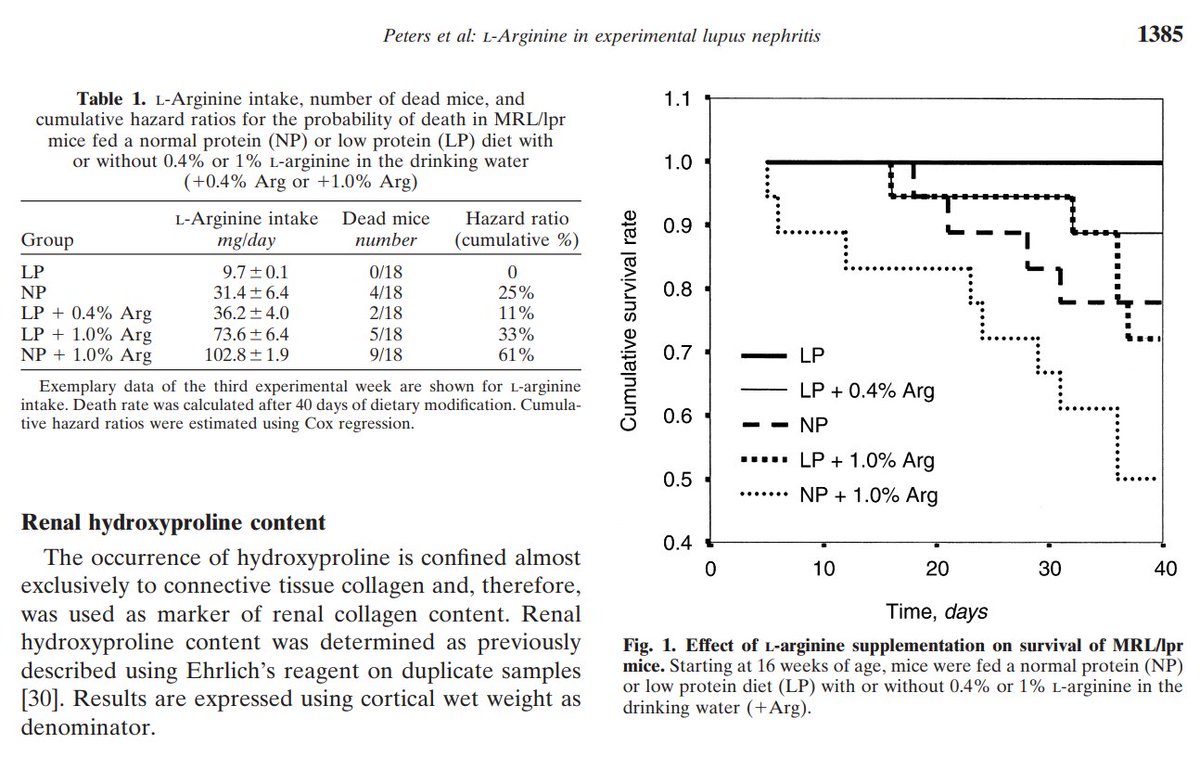
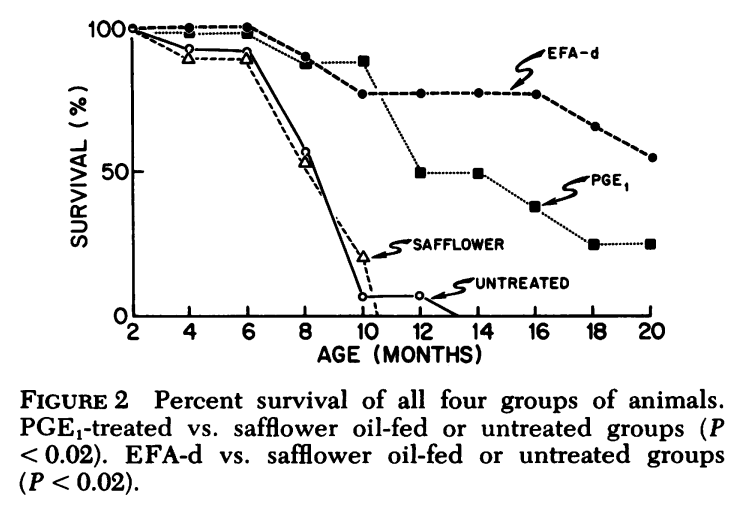
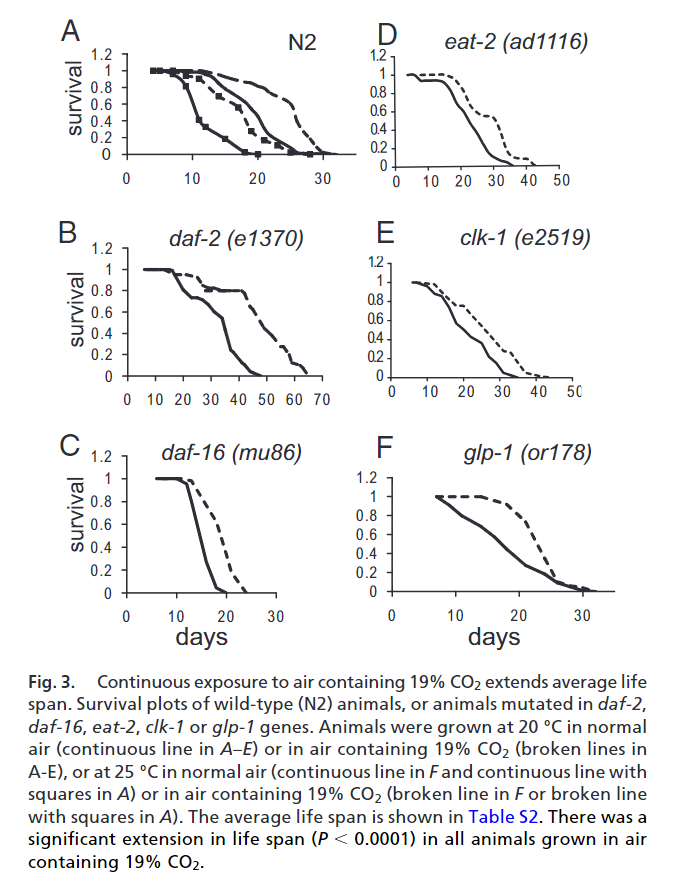
What drugs are actually known to extend lifespan?
Luckily, there is a database (DrugAge) of all the high quality lifespan studies done (not including the last few years) using drugs. I compiled this data into some graphs below.
Honestly, we don't know much.
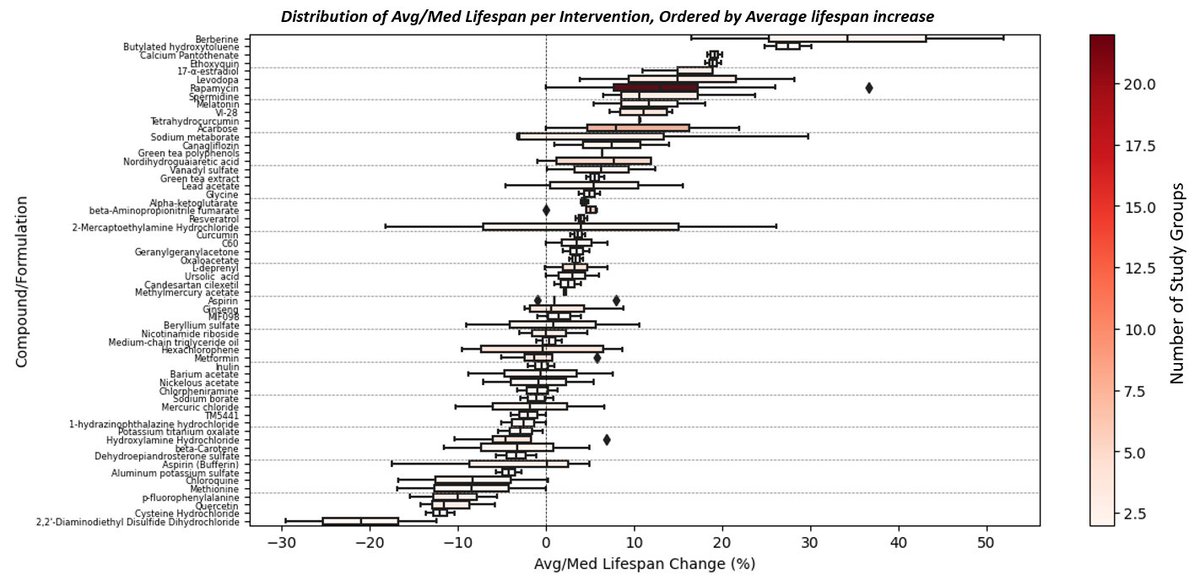
Pic 1: Drugs v. Lifespan Extension
X axis is lifespan change. Y axis contains the drugs.
Only drugs with at least 2 unique mammalian lifespan studies are included. Red indicates more studied, white indicates less studied.
As you can see, there are moderate increases from a few drugs -- Rapamycin, Acarbose, Melatonin, etc.
Notably, metformin does not increase lifespan in mammals tested.
Which of these can we be confident truly work though?
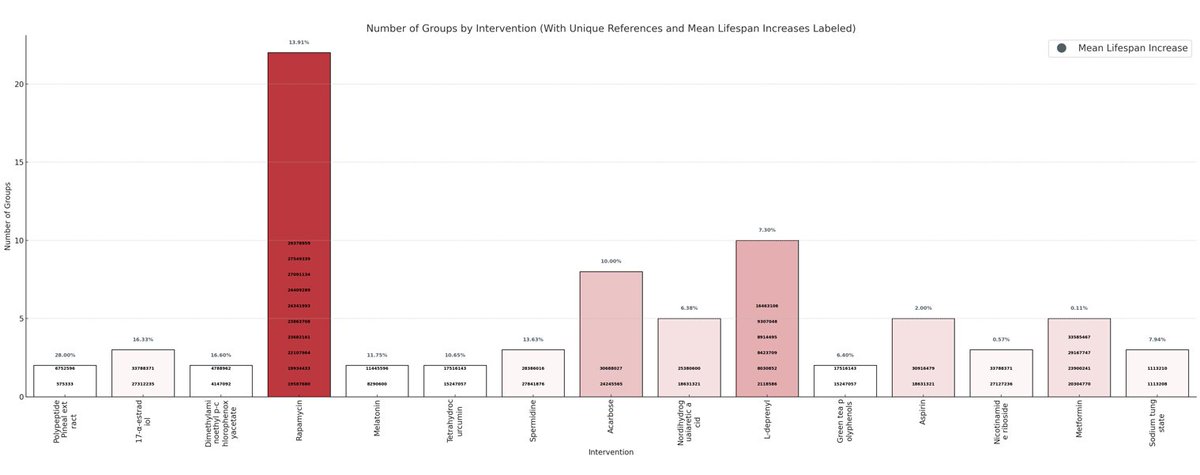
Pic 2: # of References v. Drugs
The Y axis is # of study groups. The text within each bar represents the PMID of each study that contained the study groups (some studies have multiple, but can't be counted as independent replicates). Above each bar is the % lifespan extension.
As you can see by looking at the PMIDs in each bar, there are only 3 drugs that have mammalian lifespan studies replicated more than twice:
- Rapamycin
- Metformin
- L-Deprenyl
Yet, the average lifespan extension for Metformin is 0.
So, we only have two drugs that we can confidently say extend life in mammals:
- Rapamycin
- L-Deprenyl
That's it. There are more risky interventions that are not 'drugs' per se, and may extend life more, but they are not replicated robustly.
These are the only two drugs that we're sure extend life, at least in lower mammals. Not even humans.
We don't know much at this point.
However, consider the 'shape' of the lifespan extension curve. Let's plot a lot more interventions -- loosening our inclusion criteria to a minimum of 2 unique study groups (not 2 unique references).
Pic 3: Drugs v. Lifespan Extension (Inclusive)
As you can see, we get a really nice sigmoidal curve appearing. Some interventions extend life, some shorten it.
The midpoint of the curve is almost 5% lifespan extension, yet there are drugs at the top and the bottom that significantly extend or shorten life in models.
Assuming that this sigmoidal curve is real, and assuming that a random drug we test lands at a random point on the curve, we simply need to test enough drugs to get radical life extension.
You can kinda estimate how many drugs you need to test to get radical lifespan extension with a sigmoidal fit.
To get 4 standard deviations of lifespan extension (~62% for a rough fit of this model), you'd need to test enough compounds to have one randomly land 4 standard deviations above the average one (99.997%, or the top 0.003% of compounds -- test 33,333 compounds).
This is quite a lot of compounds to test if we randomly want to get significant life extension from a drug.
Hopefully we can do better than random.
Drugs aren't the only path forward.
Though, Rapamycin and L-Deprenyl look pretty good.


English

Quick rundown of how it 'feels' in a cell:
- When nutrients (amino acids) are abundant, it feels 'crowded' and condensed.¹
- When nutrients are scarce, the cell feels more dilute and fluid.¹
- Senescent cells feel excessively dilute and fluid.²
- The cell feels active, as if the biomolecules were coherent flocks of birds — forming swarms, not moving purely randomly.³
- When energy is present, things assemble rapidly to utilize it. It feels structured at every scale.⁴
- When structure is no longer needed, enzymes likely accelerate away faster than randomly.⁵
- The presence of mRNA, which is needed to make proteins, makes the cell more fluid.⁶
- Under stress, rigid bodies form, which sequester RNA and thus may defluidize the cytoplasm.⁷
- With low energy, the cell feels more like a rigid glass than a gel or liquid.⁸
- With high energy and a lot of nutrients, assembly is favored and complex droplets of biomolecules form.⁹
- Cells need to feel not too confined, otherwise DNA damage occurs. (Extracellular matrices stiffen with aging, and may cause excessive confinement.)¹⁰
English
Ichor Grad Student retweetledi

1) #f0010" target="_blank" rel="nofollow noopener">sciencedirect.com/science/articl…
2) ncbi.nlm.nih.gov/pmc/articles/P…