Sabitlenmiş Tweet
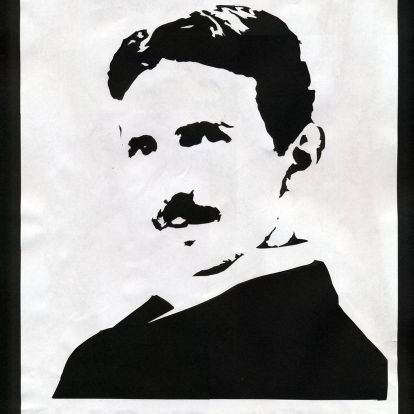
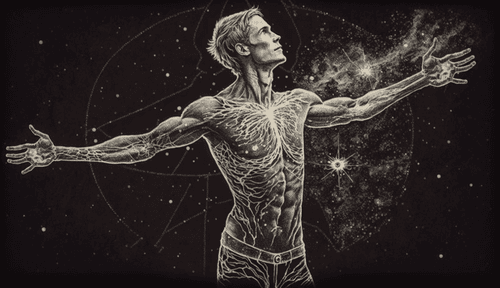
There are only two choicès for us(sentients)...
-either explore the possibilities beyond the horizon to unravel the true Nature of reality and the universe is just one part of it...
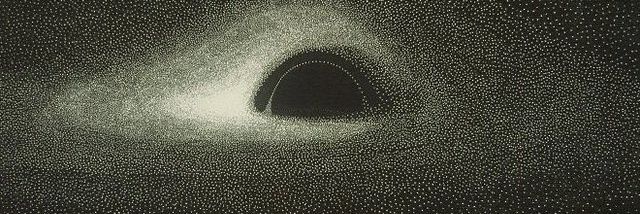
- or just live your life in complete ignorance and Dogma and never have a curious mind about exploring what can be out there among the stars and beyond that darkness there maybe a way out to truly find out the solution to nature's creation...
And seen from a civilizational standpoint, the average population of the entire planet is just steering their mindset into the second choice...
Remember, This path demands courage, intellectual curiosity, and a willingness to challenge established paradigms...
Mostly seen is Seek comfort in the confines of pre-defined beliefs and doctrines, opting for a life devoid of existential exploration.
This path offers the illusion of stability, built upon a foundation of unquestioning acceptance. Yet, it condemns us to a myopic existence, forever blind to the wonders that lie beyond the veil of our immediate perception...
[The future of our civilization hinges on the choice we make. Will we remain content with the shadows, or will we dare to step into the light?
Will we choose stagnation, or will we embrace the endless possibilities that lie beyond the horizon?]
This is not merely a personal decision;
it is a collective choice that will shape the destiny of our species. By choosing to explore the unknown, we embark on a journey that promises not only to unravel the mysteries of the universe but also to unlock the full potential of our own being.
The choice is clear:
embrace the unknown and embark on the grand adventure of existence, or remain tethered to the shores of ignorance. The future of our civilization, and the very essence of our sentience, hangs in the balance.
English