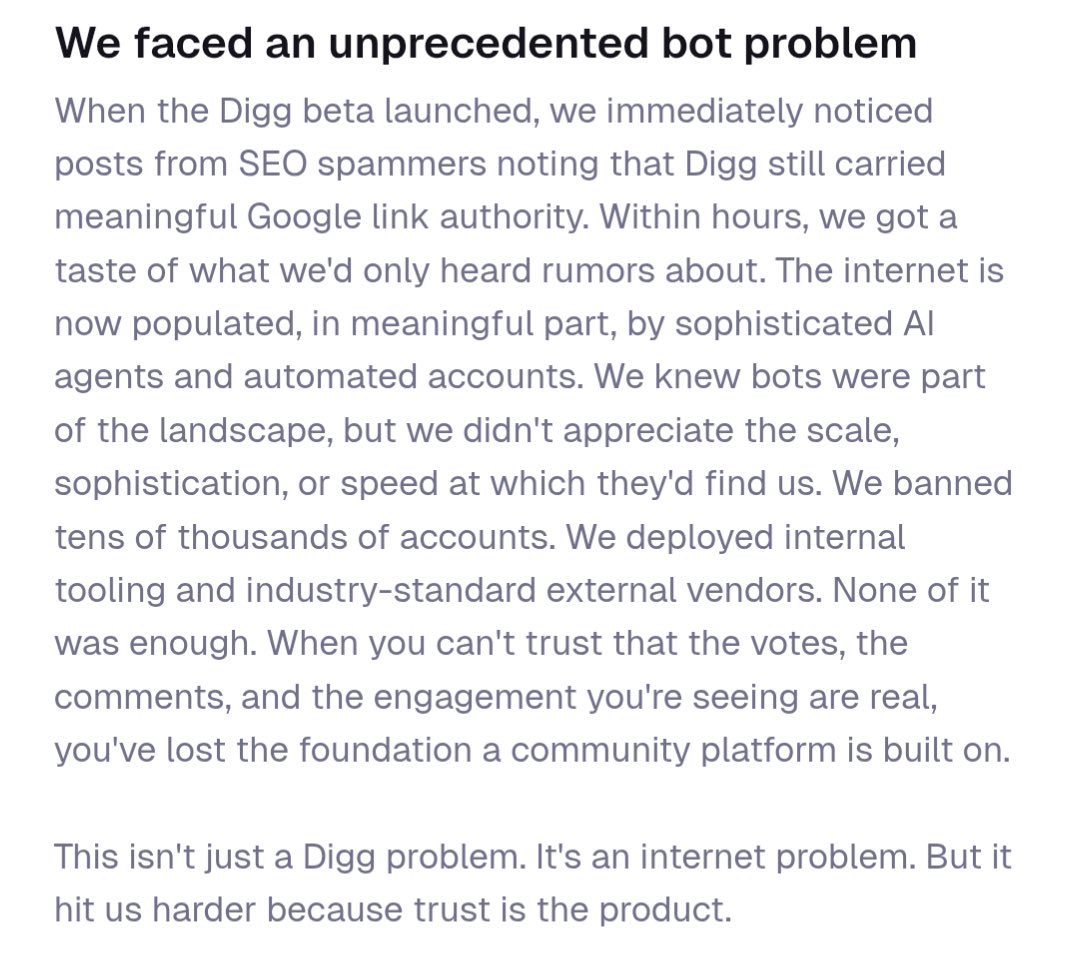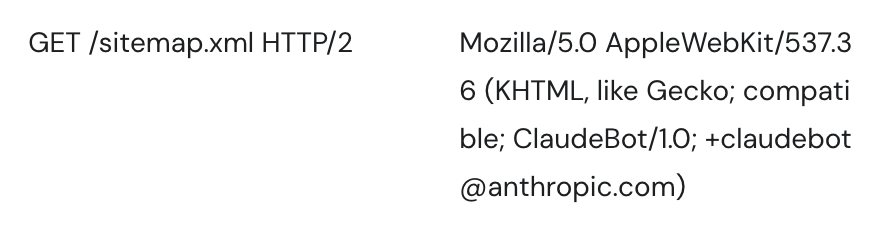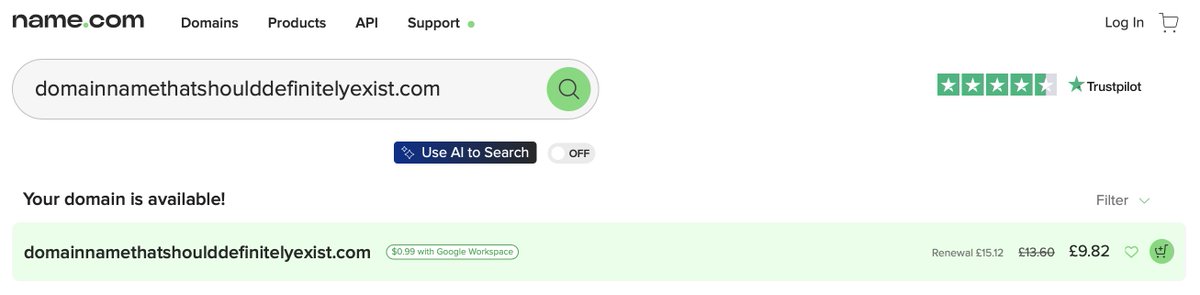
@lilyraynyc @gaganghotra_ >we didn’t appreciate the scale, sophistication, or speed
They could have just looked at Reddit
English
IrishWonder
21.4K posts

@IrishWonder
not just any random SEO, some tweets may be written by my cats | The SERP Show https://t.co/8lpzBvoo8P





I just discovered a brand new (and totally fascinating) way to come up with content ideas for your blog. It’s your 404 pages. (Stay with me…) I randomly checked if Ahrefs Blog had any 404 pages with lots of backlinks pointing at them. And saw hundreds of them.. Wow! I pinged my Head of Content Ryan Law asking why so much of our blog content was now “dead.” Turns out — none of it was ever alive. These are all hallucinated URLs from AI-generated articles. 🤯 Basically, hundreds of sites have published AI-generated content and never checked whether the links in those articles actually point to real pages. But here's the part that really blew my mind... Most of these hallucinated URLs actually make sense. AI "thinks" we should have articles on: /internal-linking /how-important-are-backlinks /domain-authority /content-decay etc. And... we don't. AI literally found gaps in our content strategy that we missed. So now we're going to publish articles on all these topics and turn hundreds of broken hallucinated links into real backlinks. If you run a blog, go check your 404s right now. You might be sitting on a goldmine of content ideas that AI already "voted" for. (go to Ahrefs' Site Explorer > "Best by links" report > filter by 404 status code) Fun times. 😅

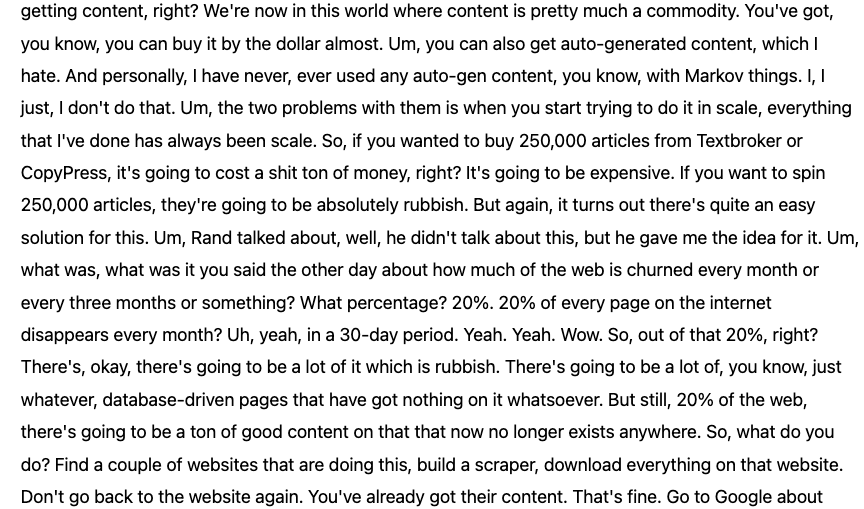
I keep hearing SEOs say "but our AI content is ranking fine." That's exactly the problem. Tomek Rudzki from Peec AI just published research that should make every content team pause. They analyzed companies using popular AI content generation tools and found that 36% of the brands in their success stories had massive Google visibility drops. For one tool, it was even worse. 75% of the showcase clients had significant traffic losses. The pattern is always the same. Rank, bank and tank. Publish hundreds of AI articles. Rank quickly. Monetize. Then get hit by a core update or manual action. Abandon domain. Repeat. Google's March 2024 update deindexed 837 sites overnight. Originality AI confirmed 100% of affected pages had AI-generated content. 20 million monthly visits gone. But here's the part most people miss. When Grokipedia lost its Google rankings in early 2026, Peec AI's Malte Landwehr tracked what happened across AI search engines. ChatGPT, AI Mode, and AI Overviews all reduced citations at the exact same time. One Google penalty now makes you invisible everywhere. LLMs use search engines for grounding. If Google demotes you, ChatGPT stops citing you too. Now let me be honest here. I work in industries like casino where rank, bank and tank is a common and accepted tactic. You build a site, extract value, and move on when it gets hit. I'm not going to pretend that doesn't work. In some niches it's simply part of the business model. But here's what bothers me. The companies selling AI content generation tools are marketing them to brands building long-term businesses. SaaS companies. Ecommerce brands. B2B companies. And they're not being transparent about what happens next. Rudzki found that 3 out of 4 major global brands featured on one tool's website had suffered significant visibility losses. These aren't disposable affiliate sites. These are real companies with real reputations. After 30 years in SEO, I see a clear line: Rank, bank and tank as a deliberate strategy with eyes wide open? Fine. That's a business decision. Selling AI content at scale to brands without warning them about the risk? That's irresponsible. The data backs this up. NP Digital tested 744 articles across 68 websites and found human-written content generates 5.44x more traffic over time. Ahrefs analyzed 600,000 pages across 100,000 keywords and found only 4.6% of top-ranking pages are purely AI-generated. And Lily Ray predicts a huge crackdown on scaled AI content in 2026. If you're a tool provider or consultant, be honest with your clients. Tell them what the research actually shows. Let them make an informed decision. Rudzki's advice is simple: before you publish, ask yourself. Would I want to read this? Does it add something you can't get from ChatGPT itself? If the answer is no, don't hit publish. Sources: → Tomek Rudzki, "The real risk of AI-generated content" (Peec AI, Feb 25 2026): peec.ai/blog/the-real-… → Originality AI, AI content penalty analysis (2024): → Neil Patel / NP Digital, "AI vs Human" study, 744 articles, 68 sites (2024) → Si Quan Ong & Xibeijia Guan / Ahrefs, 600K page analysis (Jul 2025)