


Isaac Valero
2.8K posts

@IsaacvaleroEU
Head of International Energy Relations @energy4europe @EU_Commission. Dad of Frida and Lucas. Husband. Left-handed. My views. 🇪🇺


🇪🇺🇺🇸 A crucial step by @Europarl_EN today. We need the EU-US deal in force on both sides - delivering real certainty for EU businesses and showing that genuine partnership gets results. This is the direction we need. Tomorrow, I will meet Ambassador @jamiesongreer in Cameroon.


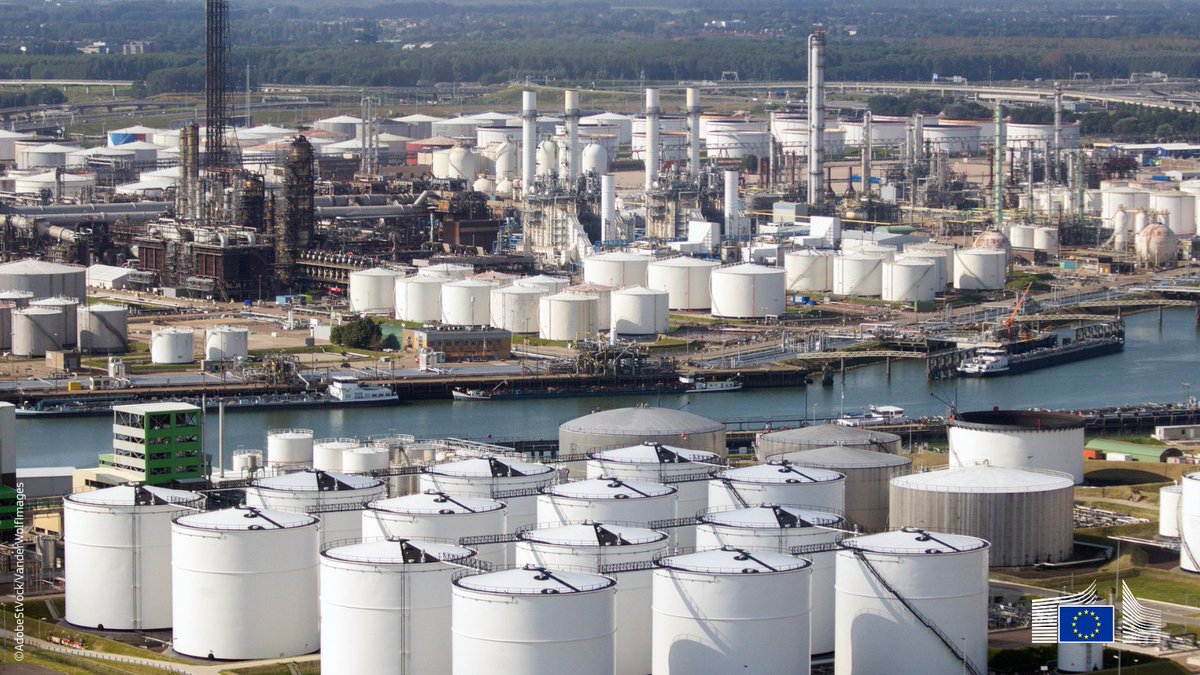
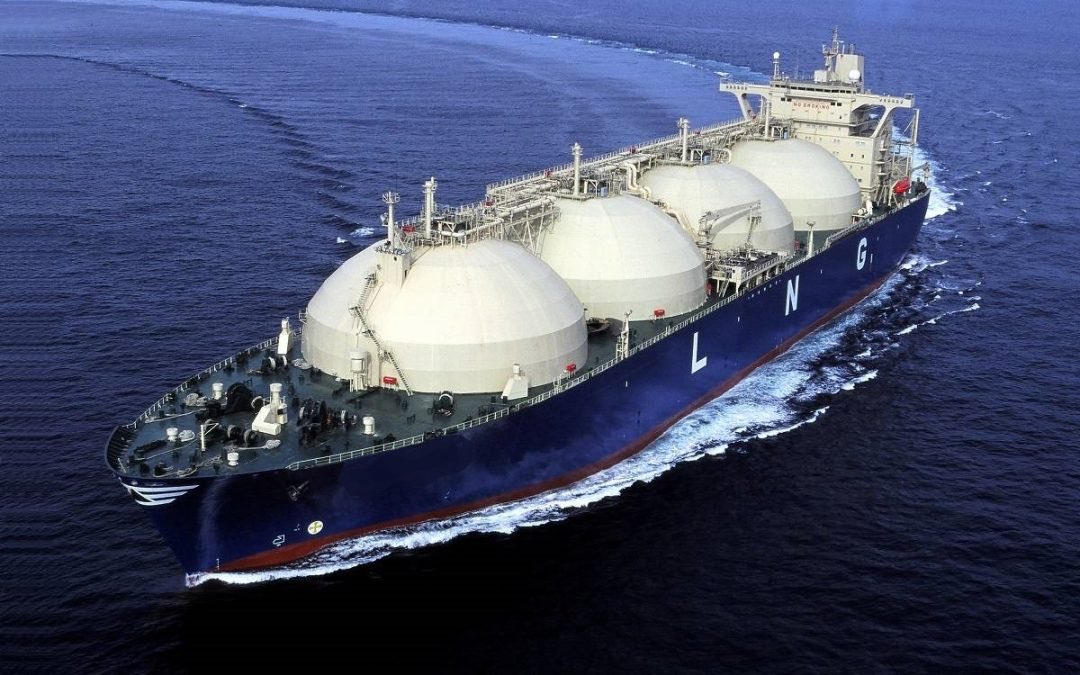
Every country in Asia is running the same clock right now. They just have very different numbers. Japan: 254 days. The most prepared nation on earth. Built those reserves after being embargoed in 1973, a humiliation so severe they spent the next 50 years ensuring it could never happen again. Refiners are asking to open them. The government said not yet. China: approximately 10 days before domestic operations face real constraints. Already halted diesel exports to protect what it has. India: Gas cuts to industry of 10 to 30% already implemented. Not projected. Implemented. Today. South Korea: 1.6 million barrels per day through Hormuz. That pipeline is now air. Japan has three weeks of LNG inventories. Pakistan: no strategic reserve. Bangladesh: no strategic reserve. No buffer. No option. No plan B. This is the thing the aggregate numbers obscure. When analysts say Asia faces disruption, they are averaging 254 days of Japanese preparedness with zero days of Pakistani preparedness and calling it a regional crisis of moderate concern. That is not one crisis. That is twelve different crises at twelve different velocities hitting simultaneously. The countries with reserves will deploy them in sequence, each release sending a price signal that accelerates the clock for the countries beneath them on the buffer ladder. Japan releases. Prices drop temporarily. Then the release ends. Prices resume. South Korea releases. Same pattern. Then India. Then nobody is left with a buffer and the war is still running. That is the cascade mechanism. And it has a name in energy economics. It is called strategic reserve depletion under sustained supply shock. The last time it happened at this scale was 1973. That ended with the global recession of 1974 and a complete restructuring of Western energy policy. Japan built 254 days of reserves because of what happened in 1973. On day seven of this war, they are already being asked to open them. The number that should terrify every energy desk in the world is not 254. It is seven. open.substack.com/pub/shanakaans…