André König

2.3K posts

André König banner
André König

André König

@ItsAndreKoenig

Crafting quality software for humans & 🤖 • Software Engineer & Agent Orchestrator - Staying curious.

Hamburg / Germany Katılım Mart 2008
482 Takip Edilen1.2K Takipçiler
Sabitlenmiş Tweet
André König
André König@ItsAndreKoenig·
I wanted my agents to call tools on machines they were not running on. That kept coming up. We already solved remote access for humans. SSH is great. But agents do not really work like humans in a terminal. They call tools. And when the thing they need is somewhere else, we still reach for keys, firewall rules, VPNs, bastions and credentials that outlive the task. So I built OpenTunnel. The flow is simple: 1. Start OpenTunnel with one command on the remote machine. It runs as a temporary foreground session and does not install anything. 2. Paste the printed prompt into your agent. 3. Remote commands behave like local tool calls, with stdout, stderr and the real exit code coming back. No accounts. No standing access. The relay only forwards encrypted frames and stores nothing. Use the hosted relay, or run your own. The relay is stateless and easy on your infrastructure. When you are done, press Ctrl+C. Access is gone. I made this because I wanted the primitive to exist. Maybe it helps someone else too. Remember: With great power comes great responsibility 😊
English
4
2
23
6.9K
Anicet
Anicet@AniC_dev·
more and more people are trusting box, our new AI sandbox product thank you to everyone who's using and putting box in prod! it is truly our honor to serve you
Anicet tweet media
English
9
4
57
1.4K
André König
André König@ItsAndreKoenig·
@FlorianHeigl1 Oh, very interesting. Curious to learn more! With OpenTunnel, I’m closing the feedback loop for agent-driven MicroVM development. The agent runs on a cloud machine without KVM, connects through the tunnel to a KVM-enabled host, and verifies its own work there.
English
1
0
1
15
on error resume next
on error resume next@FlorianHeigl1·
@ItsAndreKoenig can you show a bit what it really gained? my prod is an opennebula cluster and I have always kept it set up so i can have unlimited virtual labs - I could even let the agents have virtual datacenters
English
1
0
0
33
André König
André König@ItsAndreKoenig·
I’m working on a setup where every agent can spin up its own computer (MicroVM) when it needs one. The tricky bit: the machine had to support KVM. After finding a provider that offered it, I opened an OpenTunnel tunnel and let the agent use it to work through the issues by itself. Still one of those weirdly magical moments.
English
1
0
6
296
André König
André König@ItsAndreKoenig·
On embedding models: My usual approach was to reach for remote embedding models, adding a cloud provider, API credentials, and another external service. I’ve now realized that assumption was outdated. Transformers.js installs like a regular npm package and runs quantized multilingual embedding models locally. Even on a CPU, performance is astonishingly good. The result is a much simpler and more private architecture.
English
0
0
3
135
André König retweetledi
Dillon Mulroy
Dillon Mulroy@dillon_mulroy·
the second episode of the next token is up! enjoy
English
13
13
227
21.2K
André König
André König@ItsAndreKoenig·
I think one of the best engineering mindsets is refusing to accept friction.
English
0
1
1
151
André König
André König@ItsAndreKoenig·
"Agentic Infrastructure" is still underexplored, especially for legacy systems. I recently worked with a system that had no Infrastructure as Code. I connected to it via OpenTunnel, let my agent inspect the environment, and then guided it from analysis into a compatible Terraform stack that reflects the current state 🤯
English
0
0
4
159
André König retweetledi
Dillon Mulroy
Dillon Mulroy@dillon_mulroy·
episode 0 of the next token. listen to rhys, sunil, and and i yap about ai and software engineering
English
77
63
1K
155.2K
Rhys
Rhys@RhysSullivan·
@ItsAndreKoenig nice good concepts here, i've been playing with some similar stuff - love seeing it
English
2
0
4
435
André König
André König@ItsAndreKoenig·
I wanted my agents to call tools on machines they were not running on. That kept coming up. We already solved remote access for humans. SSH is great. But agents do not really work like humans in a terminal. They call tools. And when the thing they need is somewhere else, we still reach for keys, firewall rules, VPNs, bastions and credentials that outlive the task. So I built OpenTunnel. The flow is simple: 1. Start OpenTunnel with one command on the remote machine. It runs as a temporary foreground session and does not install anything. 2. Paste the printed prompt into your agent. 3. Remote commands behave like local tool calls, with stdout, stderr and the real exit code coming back. No accounts. No standing access. The relay only forwards encrypted frames and stores nothing. Use the hosted relay, or run your own. The relay is stateless and easy on your infrastructure. When you are done, press Ctrl+C. Access is gone. I made this because I wanted the primitive to exist. Maybe it helps someone else too. Remember: With great power comes great responsibility 😊
English

4
2
23
6.9K
André König retweetledi
BinBin
BinBin@binsquares·
smolvm has hit stable release: v1.0.0! You can now fork smolvm. It means you can fork to create virtual machines off of an existing one in less than 100ms, with all the processes cloned and running. smolvm is the first to have this feature + cross platform compatibility (macOS and linux natively). Here's a demo of a counter continuing on a forked clone while I only started it on the original!
English
31
24
285
55.7K
Kit Langton
Kit Langton@kitlangton·
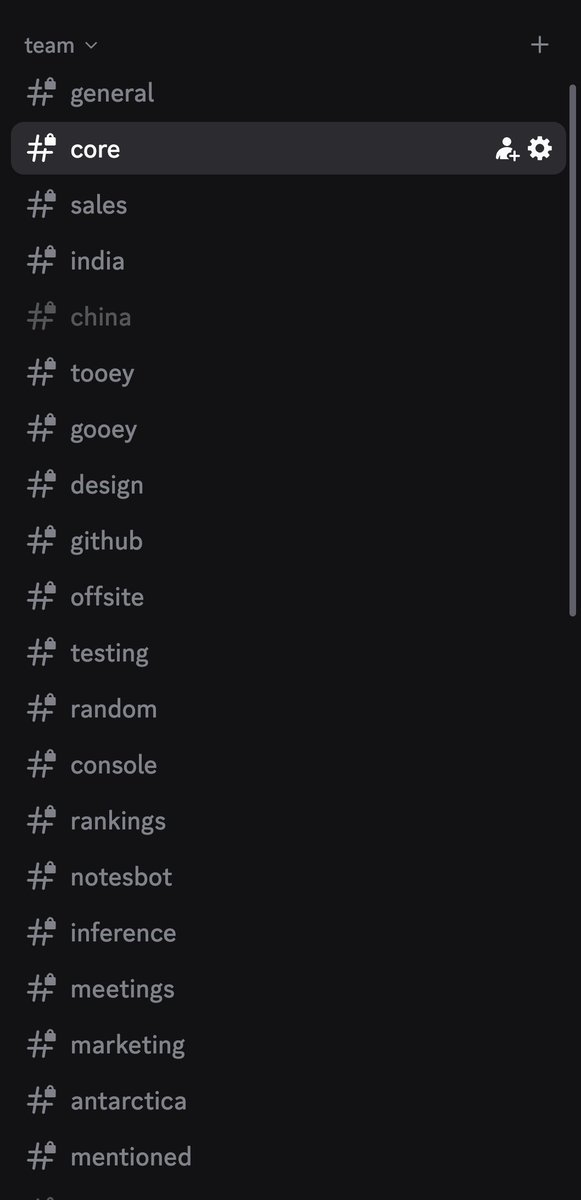
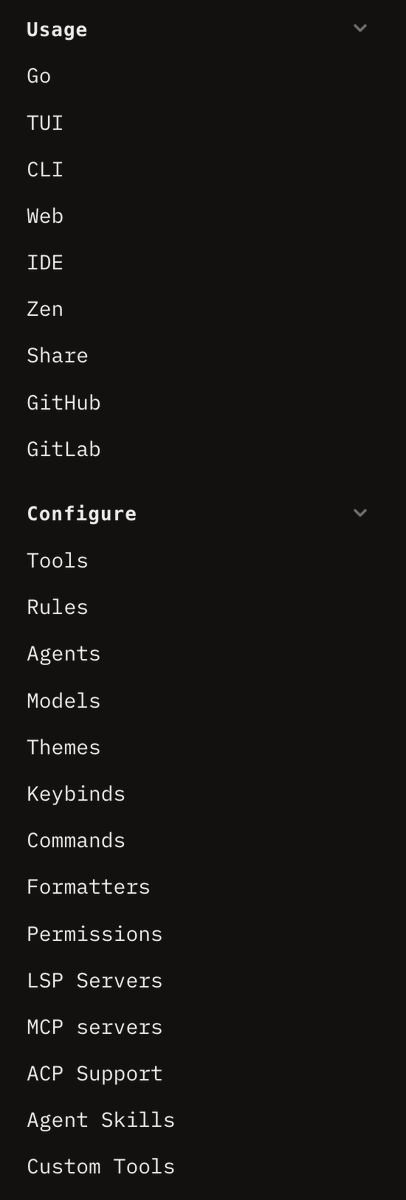
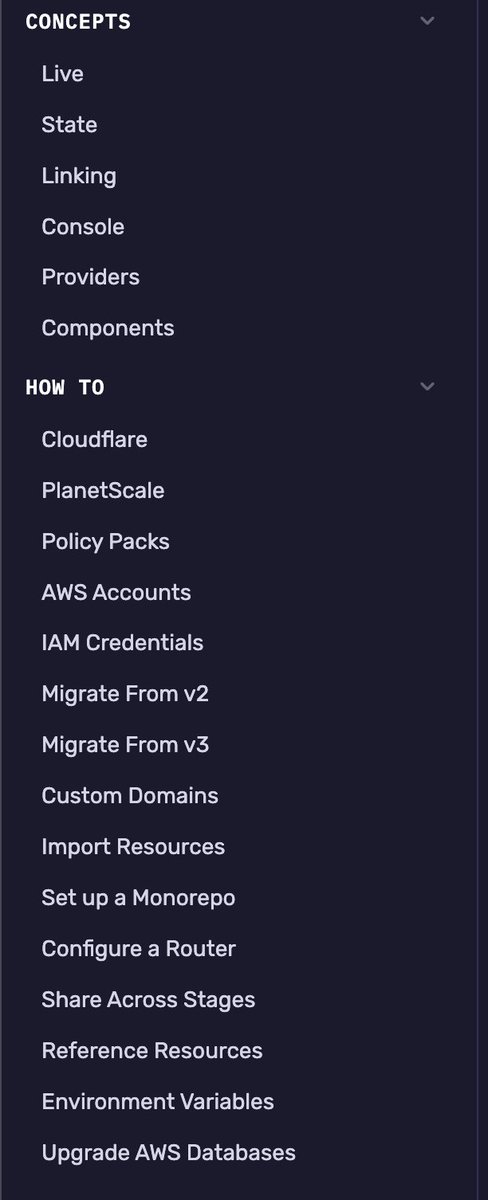
One fun fact I’ve recently learned about opencode CEO @jayair is that he pathologically sorts all lists by length (including discord and docs!). Revealing this publicly means that, for purely orthographic reasons, I am now at the top of his enemies list.
Kit Langton tweet mediaKit Langton tweet mediaKit Langton tweet media
English
29
3
606
40.7K
André König
André König@ItsAndreKoenig·
I think Docker became mainstream because it centered the paradigm around the app, which matched what most people actually wanted: “How do I easily package and run my app?” With LXC, you had a few more steps between “container” and “packaged app”, like configuring systemd units and wiring up the runtime environment yourself.
English
0
0
1
55
BinBin
BinBin@binsquares·
@kellabyte lxc was my first time using containers and it was quite straight forward to use even for a freshman docker was popular and had hype so people ended standardizing around using it
English
1
0
5
540
André König
André König@ItsAndreKoenig·
Remix 3 is definitely an agent-first framework. I had my coding agent build a web UI example on top of the upcoming Cave harness API, codename kungfu, overnight. Remix is completely new, so its constructs are foreign to current models. None of it could reasonably be in the training data. Yet the agent was still able to work with the framework, mainly because of the skill that ships with Remix. I think this is a good example of what agent-first means: building primitives and guidelines that are easy for a 🤖 to learn.
English
0
0
2
110
André König
André König@ItsAndreKoenig·
The largest source of friction in sandbox parallelization for AI agents is how LLM providers handle auth credentials. It's super easy if you want to pay per token, since you only have to mount the respective API key into the sandbox. It's a whole different story when you want to use your subscription, though. What worked pretty well for me is hosting an LLM gateway like LiteLLM, since it supports subscriptions directly. You authenticate the gateway with your subscription, and the gateway itself issues its own API key, which you can then mount into the sandbox and let your agent use it.
English
0
0
2
248
André König
André König@ItsAndreKoenig·
I’m not convinced that one agent having multiple (root) sessions is the right abstraction. While experimenting with my own harness in Cave, I’ve found that internal session management introduces a lot of accidental complexity. As fast-booting microVMs (like smolvm) become more practical, orchestration feels less like an agent concern and more like an infrastructure concern. The good thing is: It’s a problem the industry has spent years working through, and Infrastructure as Code (IaC) already gives us well-established ways to handle it. To me, the simpler mental model is one root session per isolated microVM, with horizontal scaling handled through IaC whenever more parallelism is needed.
English
0
0
2
198
Maximilian
Maximilian@maxedapps·
Install a coding agent on your vps!
English
10
1
49
11.6K