J-Charles Zeus Sossou retweetledi
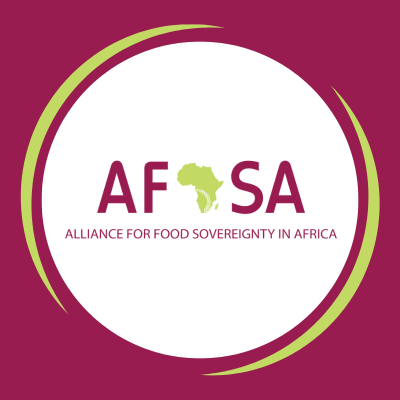
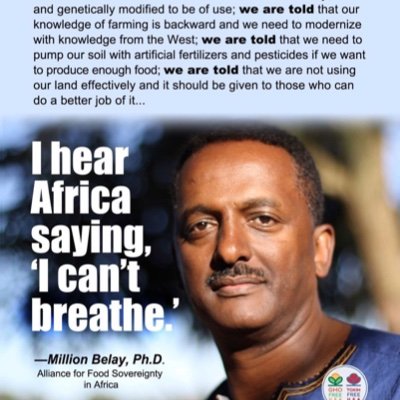
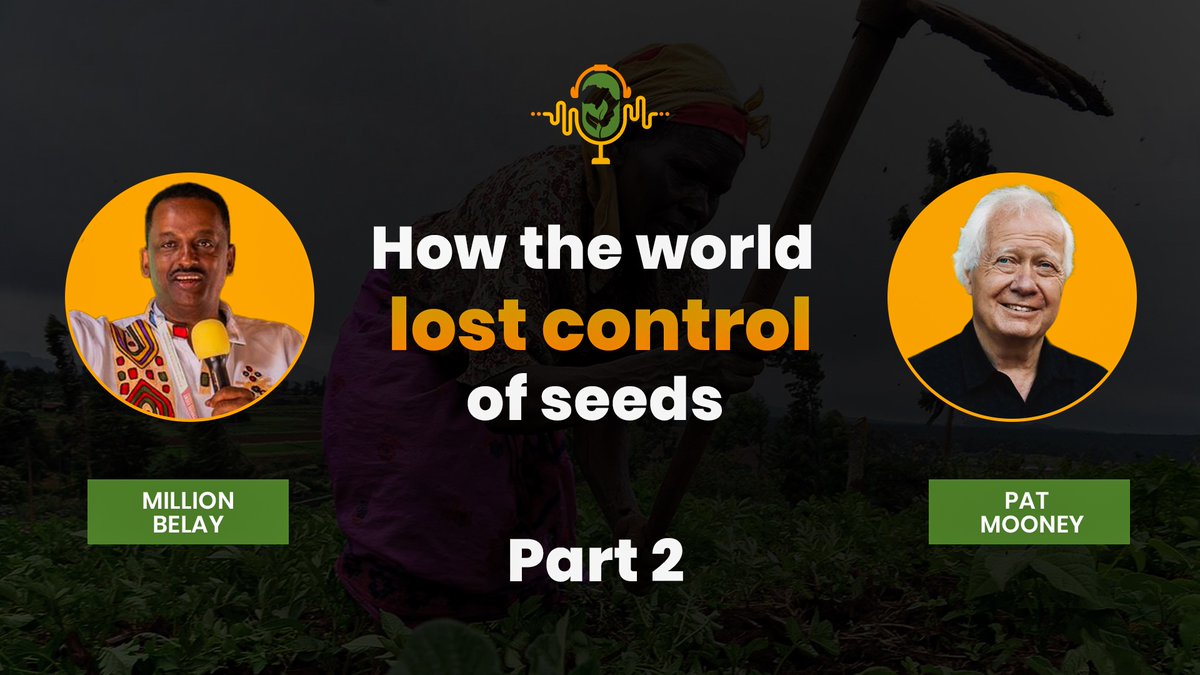
In this episode of The Battle for African Agriculture, the second part of a three part series, Dr. Million Belay speaks with Pat Mooney, member of the IPES-Food, co founder and former director of ETC Group - Action Group on Erosion, Technology and Concentration, IFOAM Ambassador, and chair of the Institute for Agriculture and Trade Policy. Continuing their conversation, Pat reflects on how new technologies are repeatedly introduced as solutions while often creating new forms of dependence. He argues that this is not accidental but part of the economic logic of capitalism, where each new technology is designed not only to replace an older one but also to maintain control over markets and customers. From that perspective, he sees gene editing not as a genuine break from GMOs, but as a logical extension of the same trajectory of manipulating life for commercial control.
The discussion then turns to Africa, where Pat Mooney warns that governments are under pressure to loosen biosafety laws and open the door to technologies presented as modern and necessary. He links this pressure to Africa’s land, climatic diversity, rich genetic resources, and rapidly growing population, all of which make the continent attractive to powerful commercial interests. He also addresses synthetic biology and the growing ability of companies to replace crops such as vanilla, cocoa, coffee, and tea with laboratory produced substitutes, shifting value away from farmers in the South toward industrial production in the North. For Pat, the core issue is not simply the novelty of the technologies themselves, but who controls them, who benefits from them, and who gets to decide whether they are safe, useful, or harmful.
Pat Mooney also offers a wider critic of digital agriculture and the growing role of big tech companies in farming, warning that firms such as Google, Amazon, and Microsoft approach agriculture not as a living system but as another field of data to capture, process, and monetize. At the same time, he insists that digital tools could still be useful if they remain in the hands of farmers and communities, helping them share knowledge, monitor weather, respond to pests, and strengthen agroecological systems. He contrasts this with what he calls “high tech,” controlled from above, and “wide tech,” rooted in the collective intelligence of farmers working within their own ecosystems. The episode closes with a powerful story of resistance, as he recounts the global campaign against Terminator seeds, where farmers, civil society, and social movements came together to defend the moratorium and stop a technology that would have forced farmers to buy seed every season.
Listen to the full conversation:
YouTube:
youtube.com/watch?v=MnKyz4…
Spotify: open.spotify.com/episode/4RYzbu…
Apple Podcast:
podcasts.apple.com/us/podcast/bat…
YouTube
English