
Jacob Mazalale
536 posts

Jacob Mazalale
@JMazalale
Husband, father, & applied microeconomist. Interests: economics of health, development, agriculture, and labour. Member of ZA CCAP Church. PS | EP&D
Malawi Katılım Ekim 2013
770 Takip Edilen543 Takipçiler


Everyone’s hyped about Claude… but very few people know how to actually use it to replace real work.
I’ve compiled 700+ powerful prompts that turn Claude into a serious productivity machine—for writing, research, business, marketing, coding, and more.
If you want them all:
1. Like this post
2. Comment “AI”
I’ll DM you the full prompt library. 🚀
English
English

I found a way to read a research paper the way academics actually read them.
A friend of mine at Cambridge showed me her Claude workflow.
I thought she was just fast. Then I watched her pull apart a methodology section in twenty minutes that her seminar group had spent a week discussing without fully understanding.
Here's exactly what she did:
First: she didn't ask Claude to summarise the paper.
That's what everyone does. They paste in a paper and ask for a summary. They get a clean paragraph. They feel like they've read it. They move on.
That's not reading. That's skimming with extra steps.
She did something completely different.
She read the paper herself first. All of it. Without Claude.
Then she asked:
"Based on the methodology and results sections alone, what can and cannot be legitimately concluded from this study? Now read the abstract and tell me where the authors overreach."
She wasn't asking Claude to read the paper for her.
She was using it to test whether the paper was actually saying what it claimed to be saying.
The gap between those two things is where most students get lost. They read what the authors claim and treat it as what the authors found. An experienced academic never does that. She learned not to in twenty minutes.
But the next part is what I keep thinking about.
She asked:
"What did this study not measure that would have significantly strengthened or weakened the central claim? What is the authors' methodology quietly assuming without ever stating it?"
Most students read a methodology section to understand what the researchers did.
She read it to find what they didn't do and what they hoped nobody would notice.
Those are completely different acts of reading. One produces a student who can describe a study. The other produces a researcher who can evaluate one.
Her seminar group spent a week on the same paper and never reached that question.
Then she did something most students never think to do.
She tested the paper against itself.
"If I tried to replicate this study with a different population in a different context, what would most likely change about the results? What does that tell me about how far the authors' conclusions actually travel?"
Most published claims are presented as general. Most are actually specific.
That question finds the line between the two every time. Once you see it you cannot read a paper without looking for it. It changes what you take from every study you ever read after that.
Then she mapped the paper's place in the conversation.
She asked:
"What debate is this paper entering? Who wrote the work this paper is responding to and what would those authors say back? Where does this paper sit in the argument that was already happening before it was written?"
She stopped reading papers as standalone objects that day.
Every paper is a reply to something. Most students never find out what. She found out in five minutes and it changed the way the paper meant something entirely.
A paper you understand in isolation is information.
A paper you understand inside its conversation is knowledge.
Then she ran the final check.
Before closing the paper she asked:
"What is the single most important citation missing from this paper that every serious researcher in this field would consider essential? What conversation is this author not in that they should be?"
She found a foundational paper the authors had never cited.
Not because they were careless. Because they came from a slightly different tradition and had a blind spot they weren't aware of. That blind spot explained a gap in their argument she hadn't been able to name until that moment.
She walked into the seminar and named it.
Her supervisor stopped the discussion and asked her to explain how she'd found it.
She told him she'd asked the right questions of the paper instead of just reading it.
He told her that was exactly what twenty years in academia teaches you to do.
She'd been doing it for three weeks.
Here is the actual workflow. Five questions. In order.
Question one: what can and cannot be legitimately concluded from the methodology and results alone? Where does the abstract overreach?
Question two: what did this study not measure that would have changed what it found? What is the methodology quietly assuming it never defends?
Question three: if you replicated this with a different population or context, what changes? How far do the conclusions actually travel?
Question four: what debate is this paper entering? Who is it responding to and what would those people say back?
Question five: what is the most important paper missing from the bibliography? What conversation is this author not in?
Most students spend three years at university reading papers from the outside.
Those five questions put you on the inside in twenty minutes.
Claude didn't read the paper for her.
It taught her the questions that experienced academics ask automatically after years in a field.
She just learned them earlier.
The papers didn't change.
The questions did.
Most students finish a paper feeling like they've understood it.
She finished a paper knowing exactly what it proved, what it didn't prove, where it sat in the field, and what it was quietly hoping nobody would ask.
That is not a faster way to read.
It's a completely different thing to do with a paper.
And almost nobody teaches it directly.
English

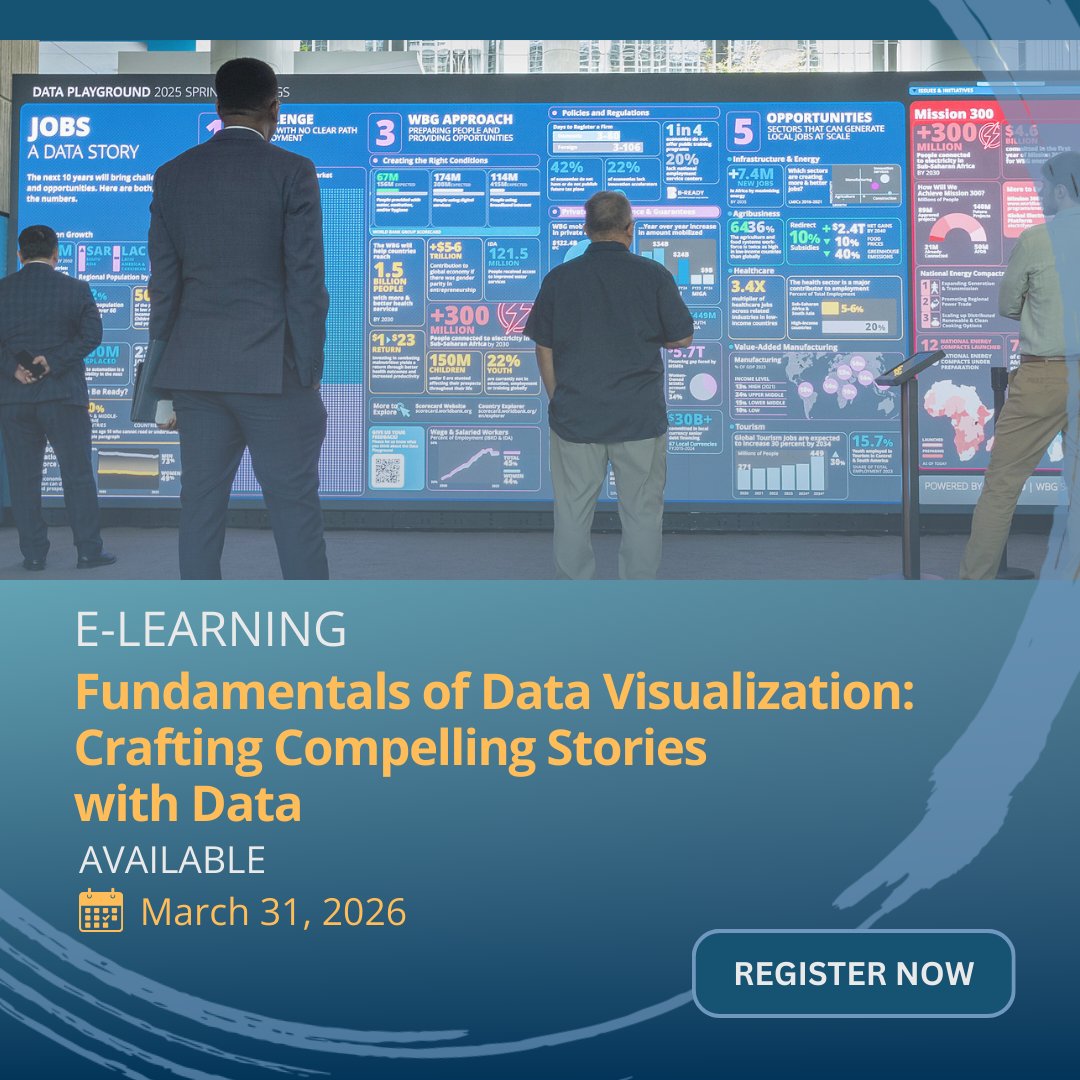
Well-designed charts improve how data is understood and used. Join this free, online course to build practical skills in choosing the right charts, highlighting important trends and designing intuitive visuals. Register now: wrld.bg/oWwt50YhjhG #Ideas4Impact
English
A very important resource...
World Bank Group Publications@WBGPubs
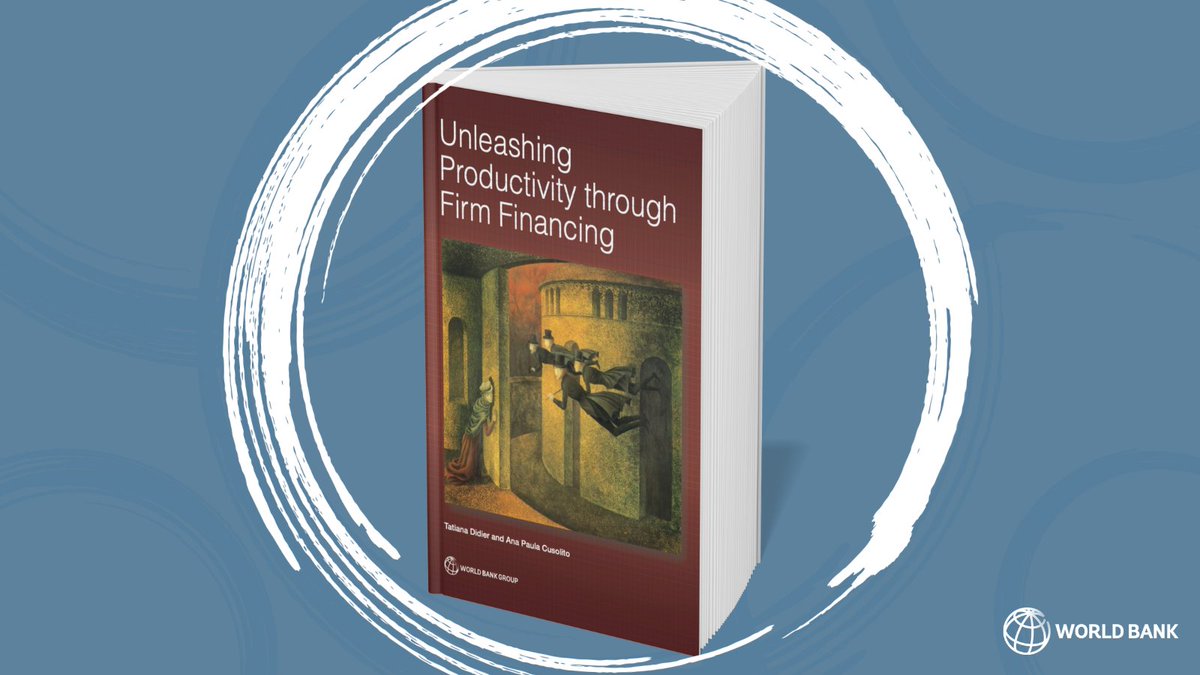
Financial frictions and distortions create inefficiencies in the allocation of capital across firms and have a sizeable negative effect on aggregate #productivity. Learn more: 📕Book: wrld.bg/V8ys50TSOze ✍️Blog: wrld.bg/jN4k50TSOzc
English
Jacob Mazalale retweetledi

Financial frictions and distortions create inefficiencies in the allocation of capital across firms and have a sizeable negative effect on aggregate #productivity. Learn more:
📕Book: wrld.bg/V8ys50TSOze
✍️Blog: wrld.bg/jN4k50TSOzc
English

Announcing that I have passed my viva voce!! It’s been a long and tedious journey. God we Glorify

English
@WorldBank This is massive. Africa needs energy and more energy
English

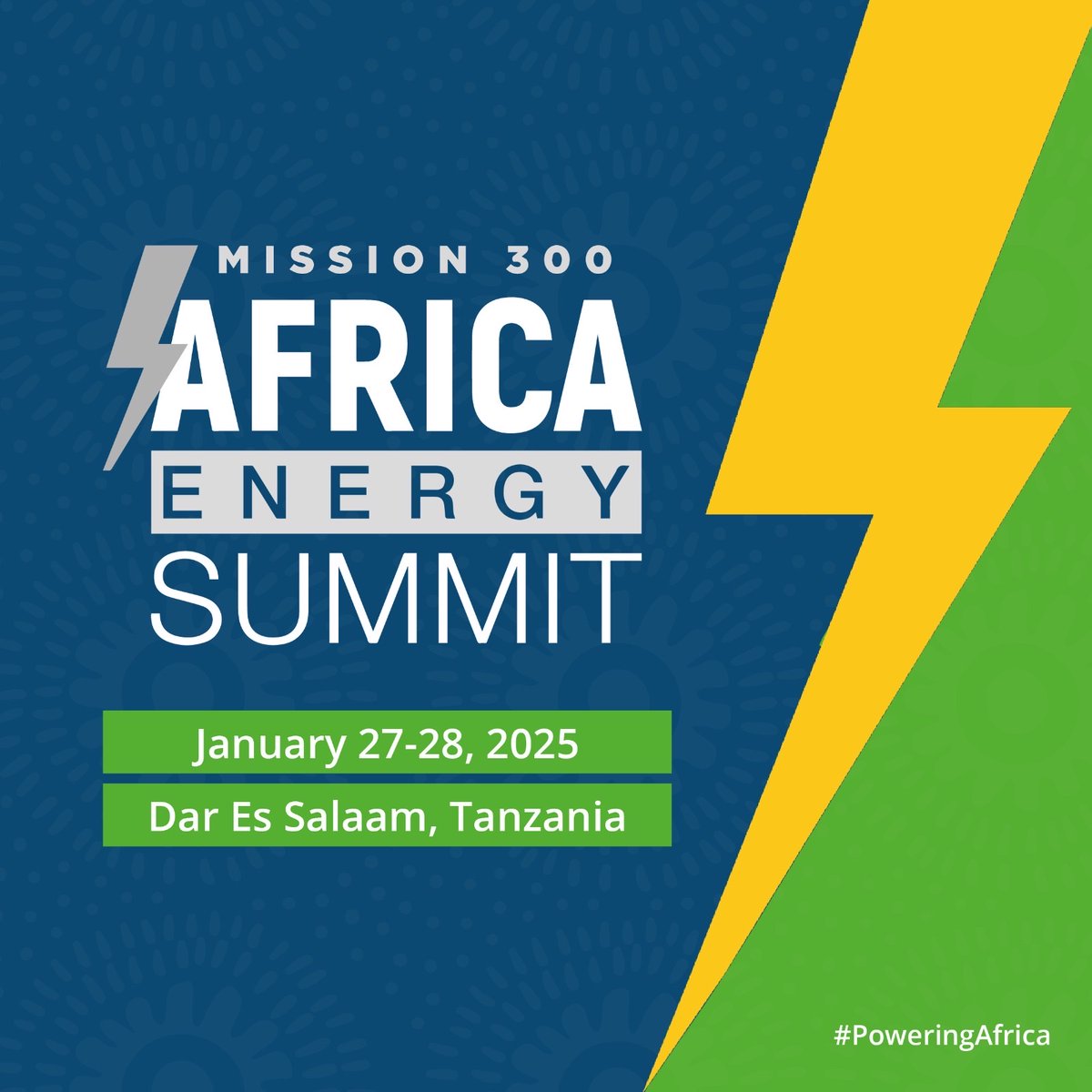
African leaders and partners will meet in Dar es Salaam, Tanzania, for the Mission 300 Africa Energy Summit. They aim to commit to reforms & actions to electrify 300M people in Africa by 2030, promoting job creation & economic growth. wrld.bg/gi2h50UNeIG #PoweringAfrica
English

I will be launching my debut poetry collection "Forms of Slaughter and Other Poems" this Saturday in Lilongwe. I am so excited.💃💃

English

Only an author can explain the feeling when you physically touch your work for the first time after publication😊. My chapter in a book: global.oup.com/academic/produ…

English
@Gowokani11 @mandygracch @amuula3 @DUMBANIMZALE @HappyKayuni @Onemwala @Afidep @ophi_oxford @unima_official @doro_tembo Congratulations @Gowokani11
English
Happy New Year, to the academy. Find output from the undergrad dissertation I supervised. Couthored with @mandygracch , an amazing scholar...In short, the paper suggests that multidimensional poverty worsens antenatal care uptake. Congratulations 🎊 @mandygracch

English
@unimaecon @MChasukwa Katakwe. Namatetule. Namandwa. Congratulations!
Filipino

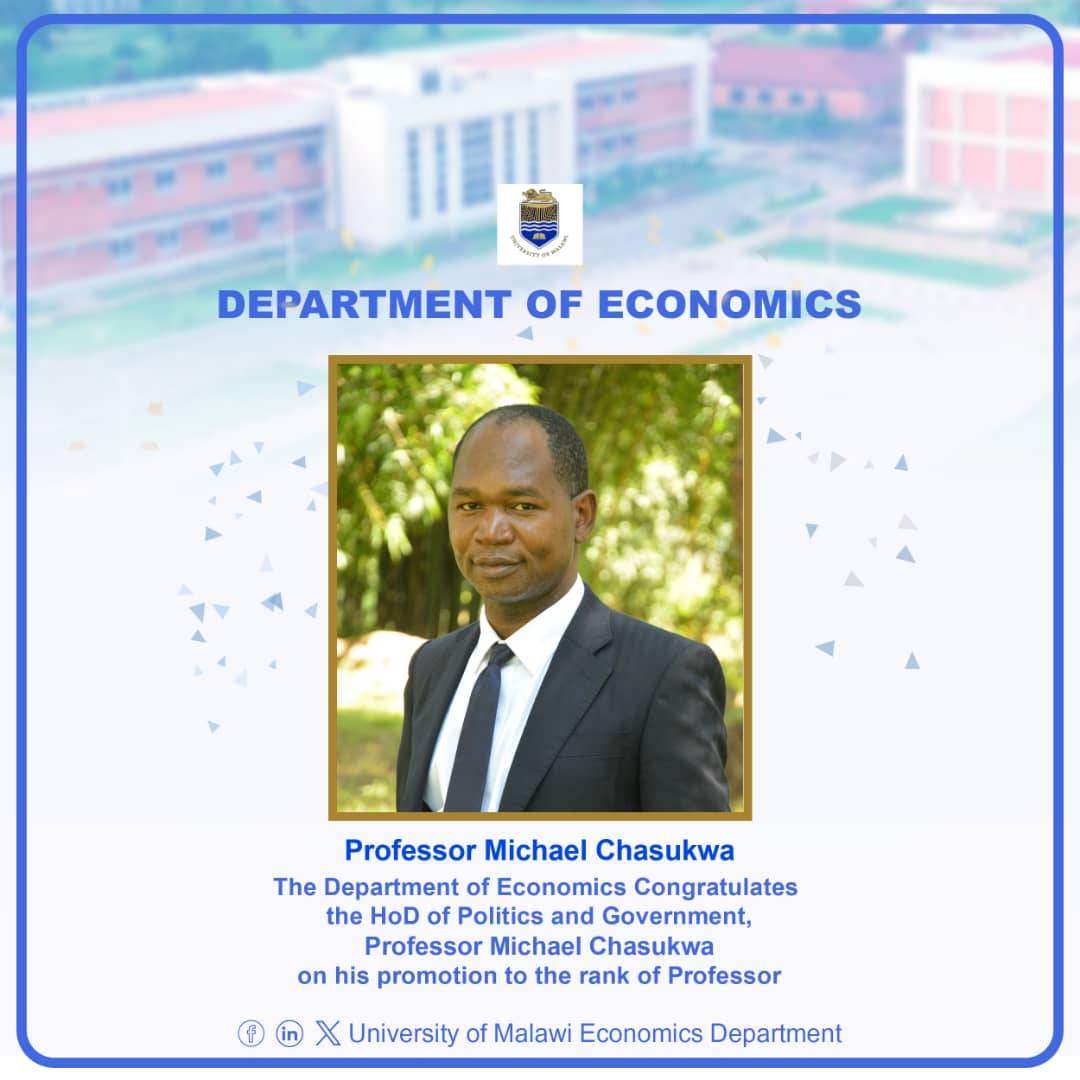
The Department of Economics would like to congratulate Professor Michael Chasukwa on his promotion to the rank of full professor.
Professor Chasukwa is the Head of Department of Politics and Government.
English
@unimaecon @NguluweBertha @NguluweBertha, your first publication turns you into a scientist. Congratulations aphunzitsi. We need more than f this from you. Keep up the good job and you will go far. All the best.
English
The Department of Economics would like to extend its warmest congratulations to Miss Bertha Nguluwe @NguluweBertha on her first publication: "An Examination of the Relationship between Budget Deficit and Economic Growth in Malawi."

English
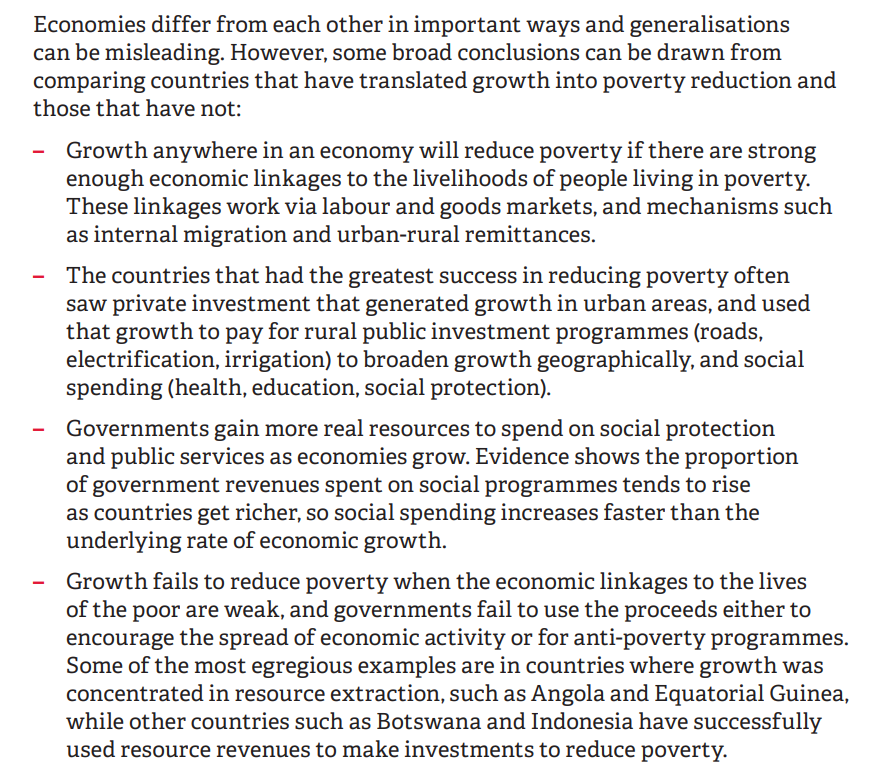
Four conclusions about when economic growth does and does not translate to poverty reduction. assets.bii.co.uk/wp-content/upl… from @CarterPaddy and others
English
Jacob Mazalale retweetledi
DOE is back...In short, "we are corrupt here..." you all welcome
University of Malawi Economics (DOE)@unimaecon
The Ben Kaluwa Series! The Department of Economics will be hosting the Ben Kaluwa Seminar this coming Thursday.The presenters, Associate Professor Patrick Kambewa and Peter Chirwa, will explore the topic 'We are all Corrupt here': The Economic Incentives of Corruption.
English
@DoEPD_official Evidence is power. That’s the direction the EP&D should take. That’s the direction we have taken.
English

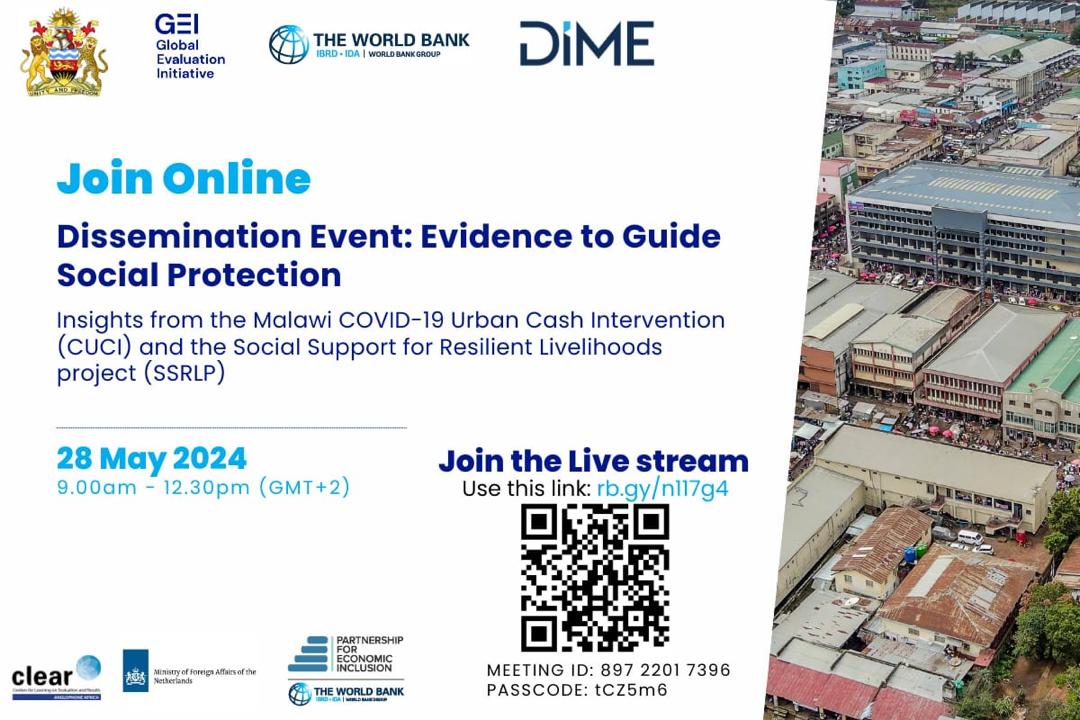
The Department of Economic Planning and Development with technical and financial support from the Global Evaluation Initiative and the World Bank are this morning holding an insightful dissemination event to explore the role of evaluation in guiding social protection programs..
English
English
We extend our heartfelt thanks to Dr. @EliyaZulu, Prof. @NMadise, Assoc. Prof. @Gowokani11, Dr. @JMazalale, Dr. @jchintsanya, Dr. Chiseche Mibenge, @Stephen37347148, Wanangwa Rachel Mganga, IMSW, BEd., Chimwemwe Jackeline Romio (PhD), Dr. Estelle Monique Sidze,
English
Our MA students, @NdoviTughulupi, Bridget Naphiyo, @Richmo93, Murendelhe Nkhoma, Edgar Mwape, and Pemphero Mphamba, also enriched the conference by presenting their research. Special congratulations to @Richmo93 and Bridget Naphiyo for winning awards for best poster presentation.


English
@DoEPD_official Beautiful program. Congratulations to organizers. Congratulations to presenters
English
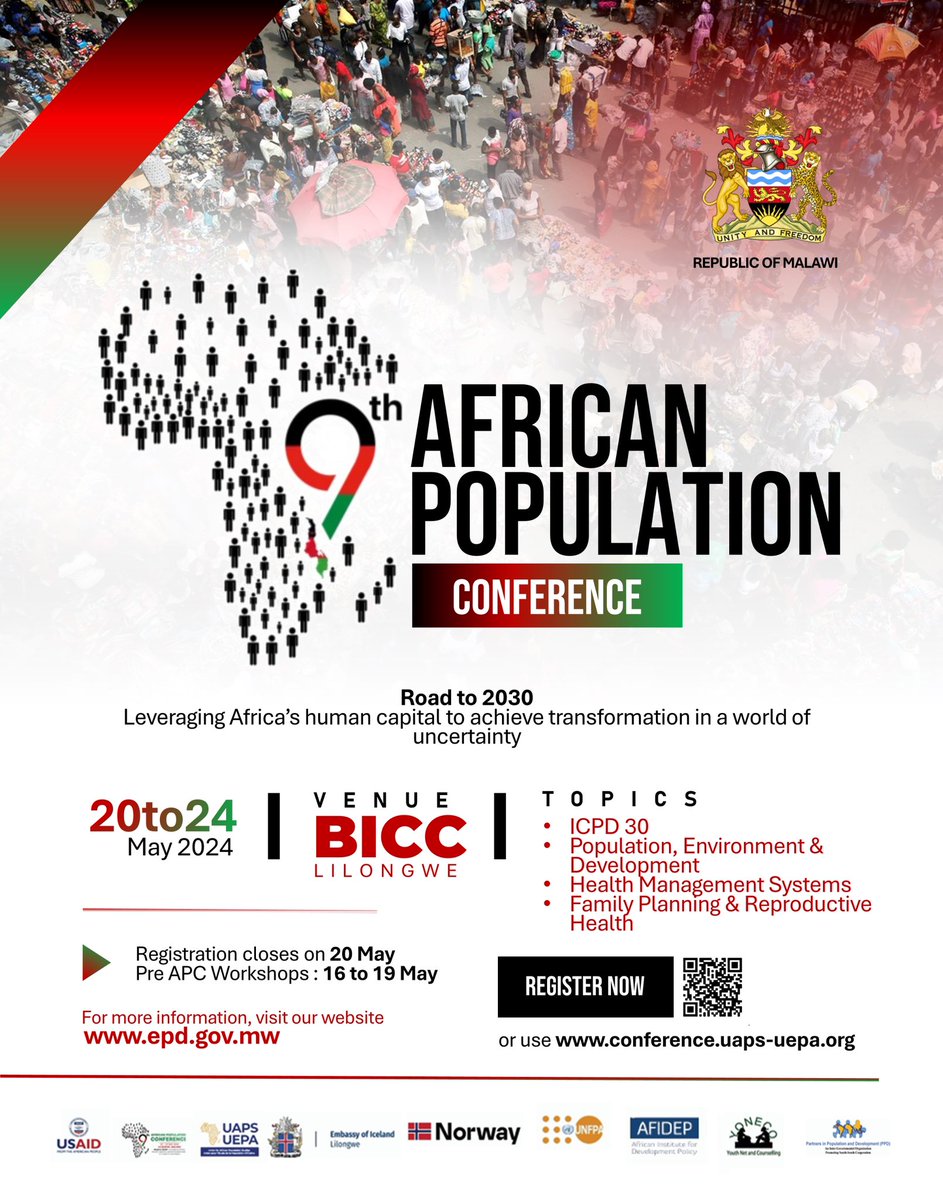
His Excellency, Dr Lazarus McCarthy Chakwera, President of the Republic of Malawi, will this morning preside over the official opening of the 9th African Population Conference from 9am at Bingu International Convention Centre in Lilongwe… #Stay tuned for more updates!
Malawi 🇲🇼 English
English

Anyone else 🧡 podcasts? 🎧
Here are 15 recommendations (in no particular order) for podcasts about writing, research and academic life.
A thread. 🧵
#newPI #ECRchat
—
#1: Academic Writing Amplified
@cathymazak
• Hosted by academic writing coach Dr Cathy Mazak
• How you can use writing to advance your career
• Focus on womxn
I have been a guest, check it out 👇
podcasts.apple.com/us/podcast/112…
—
#2: Behind the Microscope
@behindthescope_
• Hosted and produced by 4 MD/PhD students at Emory University.
• Career advice for early career researchers
behindthemicroscope.com
—
#3: The Research Her
@theresearchher
• Hosted by Dr Elissia Franklin, a Chemistry Postdoc at Purdue University.
• Theme: Equity and inclusion in research
theresearchher.com
—
#4: The Self-Compassionate Professor
• Hosted by career wellness coach Dr Danielle De La Mare
• For researchers who want to prevent burnout, and achieve a better work-life balance
I've been a guest, check it out 👇
podcasts.apple.com/us/podcast/85-…
—
#5: My Fave Queer Chemist
@MFQCPod
• Hosted by Bec Roldan and Geraldo Duran-Camacho, 2 PhD candidates at the University of Michigan
• Stories of LGBTQ+ scientists
podcasts.apple.com/us/podcast/my-…
—
#6: Molecular Podcasting with Darren Lipomi
@darren_lipomi
• Hosted by Dr Darren Lipomi, professor at UC San Diego
• Research, writing, teaching, speaking and other topics related to STEM in academia
podash.com/podcast/148335/
—
#7: The Working Scientist
@NatureCareers
• Hosted by Nature Careers journalists Adam Levy and Julie Gold
• Career advice for scientists
nature.com/nature/article…
—
#8: Papa PhD
@PapaPhDPodcast
• Hosted by Dr David Mendes, providing linguistic services in the biomedical domain
• Writing, research, careers, work life balance and much more
papaphd.com
I’ve been a guest, check it out! 👇
papaphd.com/best-practices…
—
#9: The PhD LifeRaft podcast
• Hosted by Dr Emma Brodzinsky, Therapist and Coach
• Promoting wellbeing and mental health during your PhD
I've been a guest, check it out 👇
podcasts.apple.com/gb/podcast/wri…
—
#10: The Struggling Scientists Podcast
@TheStrugglingS4
• Hosted by PhD students Suzanne and Jayron
• Science discoveries, reflections and career advice
I've been a guest, check it out 👇
podcasts.apple.com/nl/podcast/epi…
—
#11: The Professor Podcast
• Hosted by university professors Dr Ruth Saunders and Dr Claire Till
• Reflections on teaching practices, research, service and staying sane
podcasts.apple.com/us/podcast/the…
—
#12: The Professor Is In
@ProfessorIsIn
• Hosted by Dr Karen Kelsky and Kel Weinhold
• Emotional wellbeing in academia and leaving academia
podcasts.apple.com/us/podcast/the…
—
#13: PhD Talk
@evalantsoght
• Hosted by Dr Eva Lantsoght, professor
• PhD life and tools for research and teaching
I’ve been a guest, check it out! 👇
podcasts.apple.com/ec/podcast/int…
—
#14: Changing Academic Life
@ChangeAcadLife
• Hosted by Dr Geraldine Fitzpatrick, Professor at TU Vienna
• Inspiring interviews and solo episodes on changing the current academic culture
changingacademiclife.com/start
—
#15: The Academic Life
@AcademicLifeNBN
• Hosted by podcast channel New Books Network
• Interviews about life in academia
newbooksnetwork.com/category/acade…
—
TL;DR: 15 podcasts about writing and research for scientists
#1: Academic Writing Amplified
#2: Behind the Microscope
#3: The Research Her
#4: The Self-Compassionate Professor
#5: My Fave Queer Chemist
#6: Molecular Podcasting with Darren Lipomi
#7: The Working Scientist
#8: Papa PhD
#9: The PhD LifeRaft podcast
#10: The Struggling Scientists Podcast
#11: The Professor Podcast
#12: The Professor Is In
#13: PhD Talk
#14: Changing Academic Life
#15: The Academic Life
English