Jennifer Svahn, MD, FACS, FSVS
658 posts

Jennifer Svahn, MD, FACS, FSVS
@JenniferSvahnMD
*opinions my own* NYC-based vascular surgeon
New York, NY Katılım Kasım 2021
925 Takip Edilen521 Takipçiler

@NeilFlochMD A fellow physician and colleague
English

my neighbor is 84 and lost his wife last year. he has no kids and I noticed he stopped cooking and barely turned his lights on. he was just fading away. So now, every single night when i cook dinner for my family, i make an extra plate and walk it over. We sit on his porch for 20 minutes and just talk. he told me yesterday that our little chats are the only reason he gets out of bed. it costs me nothing but a little food and time, but it means the world to him.
English

Critically important topic. Been raging about this for years.
acpjournals.org/doi/10.7326/AN…
English

@Thebestfigen Love the babies for they are the world
English
Jennifer Svahn, MD, FACS, FSVS retweetledi

Who the hell were these gynecologists treating Epstein’s victims? Because let’s be crystal clear, if you were a physician and you ignored, enabled, minimized, or looked the other way while children were being abused, you failed medicine, you failed ethics, and you failed humanity. Like, y’all just suck. Licenses don’t cancel mandatory reporting. And “just doing your job” is not a defense when children are being exploited. Y’all should be ashamed of yourselves.
English

@OwenGregorian Ahhhh, remembering my days at @Wellesley where we actually prided ourselves on something called THE HONOR CODE!
English

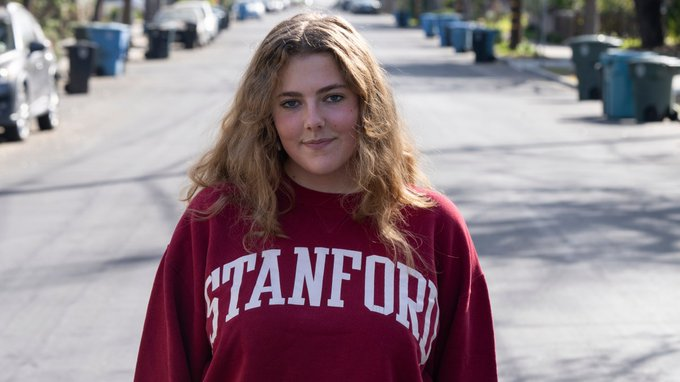
Nearly 40% of Stanford undergraduates claim they’re disabled. I’m one of them | Elsa Johnson, The Times
In 2023, one month into my freshman year at Stanford University, an upperclassman was showing me her dorm room — a prized single in one of the nicest buildings on campus. As she took me around her space, which included a private bathroom, a walk-in shower and a great view of Hoover Tower, she casually mentioned that she had lived in a single all four years she had attended Stanford.
I was surprised. Most people don’t get the privilege of a single room until they reach their senior year.
That’s when my friend gave me a tip: Stanford had granted her “a disability accommodation”.
She, of course, didn’t have a disability. She knew it. I knew it. But she had figured out early what most Stanford students eventually learn: the Office of Accessible Education will give students a single room, extra time on tests and even exemptions from academic requirements if they qualify as “disabled”.
Everyone was doing it. I could do it, too, if I just knew how to ask.
A recent article in The Atlantic reported that an increasing number of students at elite universities were claiming they had disabilities to get benefits or exemptions, which can also include copies of lecture notes, excused absences and access to private testing rooms. Those who suffer from “social anxiety” can even get out of participating in class discussions.
But the most common disability accommodation students ask for — and receive — is the best housing on campus.
At Stanford University in Palo Alto, California, where competition for the best dorm rooms is fierce, this practice is particularly rife. The Atlantic reported that 38 percent of undergraduates at my college were registered as having a disability — that’s 2,850 students out of a class of 7,500 — and 24 per cent of undergrads received academic or housing accommodations in the fall quarter.
At the Ivy League colleges Brown and Harvard, more than 20 per cent of undergrads are registered as disabled. Contrast these numbers with America’s community colleges, where only 3 to 4 per cent of students receive disability accommodations. Bizarrely, the schools that boast the most academically successful students are the ones with the largest number who claim disabilities — disabilities that you’d think would deter academic success.
The truth is, the system is there to be gamed, and most students feel that if you’re not gaming it, you’re putting yourself at a disadvantage.
That’s why I decided to claim my legitimate illness — endometriosis — as a disability at Stanford.
When I arrived on campus two and a half years ago, I would have assumed that special allowances were made for a small number of students who genuinely needed them. But I quickly discovered that wasn’t true. Some diagnoses are real and serious, of course, such as epilepsy, anaphylactic allergies, sleep apnea or severe physical disabilities.
But most students, in my experience, claim less severe ailments, such as ADHD or anxiety. And some “disabilities” are just downright silly. Students claim “night terrors”; others say they “get easily distracted” or they “can’t live with others”. I know a guy who was granted a single room because he needs to wear contacts at night. I’ve heard of a girl who got a single because she was gluten intolerant.
That’s why I felt justified in claiming endometriosis as a disability. It is a painful condition in which cells from the uterus grow outside the womb. I’m often doubled over in agony from the problem, for which there is no known cure, so I decided to ask for a single room in a campus dorm where I could endure those moments in private.
The application process was very easy. I registered my condition on the Stanford Office of Accessible Education website and made an appointment to meet an adviser later that week. The system is staffed largely by empathetic women who want to help students.
As I explained my diagnosis and symptoms over Zoom to one woman, she listened, nodded sympathetically, related my problems to her own life and asked a few basic questions. Within 30 minutes, I was registered as a student with a disability, entitled to more accommodations than I asked for.
In addition to a single housing assignment, I was granted extra absences from class, some late days on assignments and a 15-minute tardiness allowance for all of my classes. I was met with so little scepticism or questioning, I probably didn’t even need a doctor’s note to get these exemptions. Had I been pushier, I am sure I could have received almost any accommodation I asked for.
While I feel entitled to my single room, I would feel guilty about some of the perks I have — except that so many of my fellow students have gamed the system. Take Callie, a recent Stanford grad with ADHD and Asperger’s who agreed to be quoted under a pseudonym. Callie was diagnosed with her conditions in elementary school; in return, Stanford granted her a single room for all four years, plus extra time on tests — and a few more perks.
“In college, I haven’t had that many ‘in real life’ tests as opposed to take-home essays,” Callie told me. “When I did use the extra time, I felt guilty, because I probably didn’t deserve the accommodations, given the fact I got into Stanford and could compete at a high academic level. Extra time on tests — some students even get double time — seems unfair to me.”
But at Stanford, almost no one talks about the system with shame. Rather, we openly discuss, strategise and even joke about it. At a university of savvy optimisers, the feeling is that if you aren’t getting accommodations, you haven’t tried hard enough.
Another student told me that special “accommodations are so prevalent that they effectively only punish the honest”. Academic accommodations, they added, help “students get ahead … which puts a huge proportion of the class on an unfair playing ground”.
The gaming even extends to our meals. Stanford requires most undergraduates living on campus to purchase a meal plan, which costs $7,944 for the 2025-26 academic year. But students can get exempted if they claim a religious dietary restriction that the college kitchens cannot accommodate.
And so, some students I know claim to be devout members of the Jain faith, which rejects any food that may cause harm to all living creatures — including small insects and root vegetables. The students I know who claim to be Jain (but aren’t) spend their meal money at Whole Foods instead and enjoy freshly made salads and other yummy dishes, while the rest of us are stuck with college meals, like burgers made partly from “mushroom mix”.
Administrators seem powerless to reform the system and frankly don’t seem to care. How do you prove someone doesn’t have anxiety? How do you verify they don’t need extra time on a test? How do you challenge a religious dietary claim without risking a discrimination lawsuit?
I often think back to that conversation with my upperclassman friend. She wasn’t proud of gaming the system and she wasn’t ashamed either. She was simply rational. The university had created a set of incentives and she had simply responded to them.
That’s what strikes me most about the accommodation explosion at Stanford and similar schools. The students aren’t exactly cheating and if they are, can you blame them? Stanford has made gaming the system the logical choice. When accommodations mean the difference between a cramped triple and your own room, when extra test time can boost your grade point average, opting out feels like self-sabotage. Who would make their lives harder when the easiest option is just a 30-minute Zoom call away?
thetimes.com/us/news-today/…

English
Jennifer Svahn, MD, FACS, FSVS retweetledi

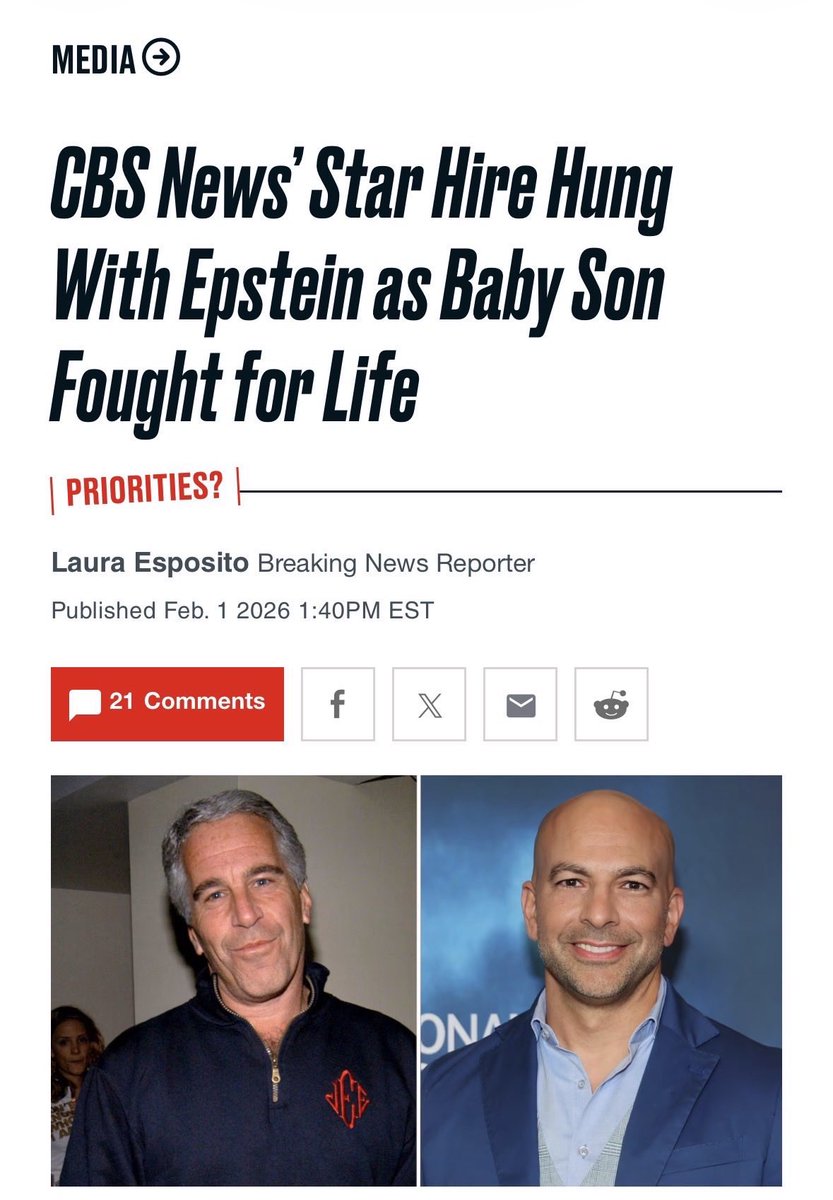
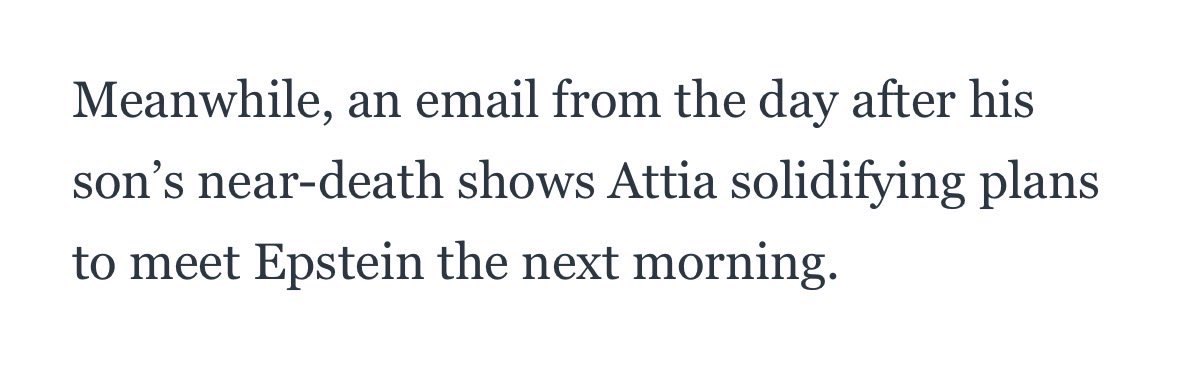
"If you didn’t know who Peter Attia was last week, here’s how you’ll remember him going forward: Attia is the guy who once emailed Jeffrey Epstein to confirm that 'pussy is, indeed, low carb. Still awaiting results on gluten content, though.'”
Read the whole story here:
theatlantic.com/health/2026/02…
English

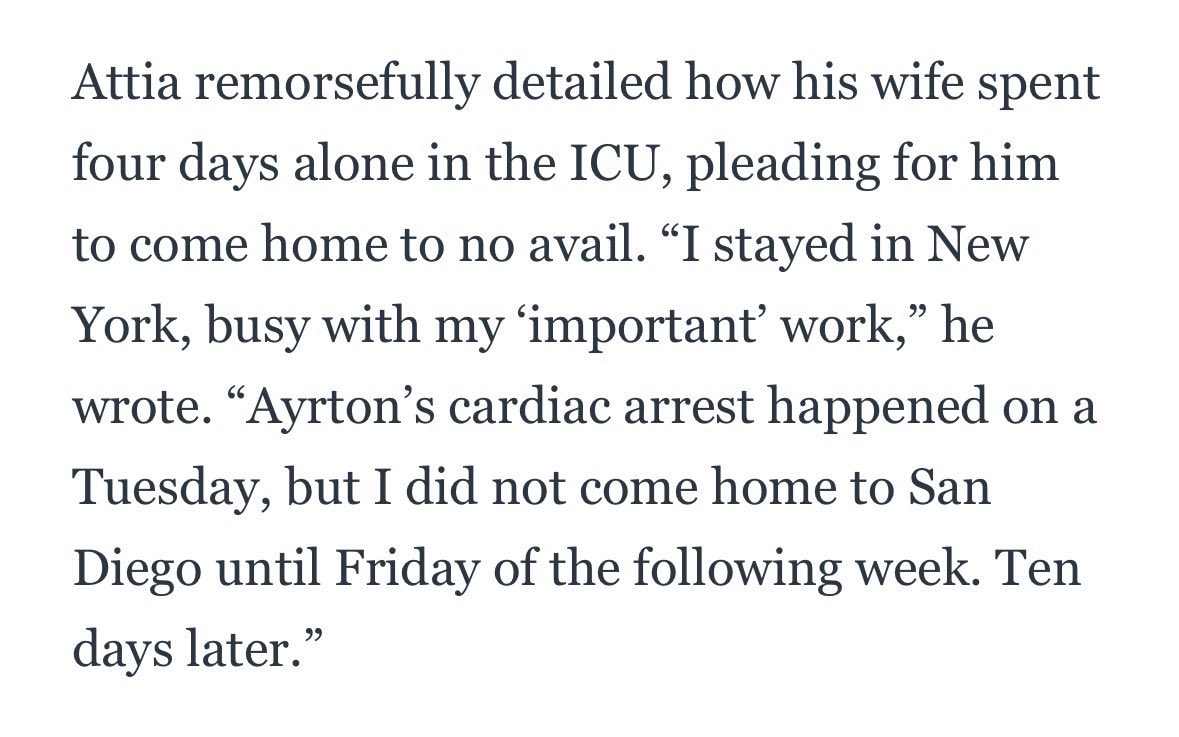
@shewatchestrash @Dave_Longevity She already knows he chose not to come home and prioritize their critically ill infant. None of this is a revelation to her.
English

@Dave_Longevity This is so grotesque, my god. His poor wife is going to learn of this. I can’t even imagine how badly this will crush her.
English

@DrPlantel Seriously. GROSS and, while his wife is not to blame for that and I assume was traumatized by her lovely husband’s lack of prioritization of their infant child, she did stay with him. This is how we enable bad behavior.
English


@PeterAttiaMD Waiting waiting waiting for @StanfordMed @Stanford to make a statement. While not responsible for this narcissistic sociopath’s behavior and associations, you did grant him his M.D. and you CAN disclose clearly & loudly your disappointment at being associated with @PeterAttiaMD.
English

The following email is what I sent my team last night. I sent a similar version to my patients, also.
***
You’ve put your trust, your credibility, and your hard work into what we have built together, and I take that responsibility seriously. You deserve a complete and honest account of what did and did not happen. I apologize that I did not get this out sooner, but I want to be thorough.
The purpose of the DOJ releasing these documents is clear: to identify individuals who participated in criminal activity, enabled it, or witnessed it. I am not in any of those categories, and there is no evidence to the contrary.
To be clear:
1. I was not involved in any criminal activity.
2. My interactions with Epstein had nothing to do with his sexual abuse or exploitation of anyone.
3. I was never on his plane, never on his island, and never present at any sex parties.
That said, I apologize and regret putting myself in a position where emails, some of them embarrassing, tasteless, and indefensible, are now public, and that is on me. I accept that reality and the humiliation that comes with it.
***
I want to start by directly addressing the email thread that I’ve been asked about the most.
In June 2015, I sent Epstein an email with the subject line “Got a fresh shipment.” The email contained a photograph of bottles of metformin, a medication I had just received from the pharmacy for my own use. The subject line referred to the picture of the bottles of medication.
He replied with the words “me too” and attached a photograph of an adult woman. I responded with crude, tasteless banter. Reading that exchange now is very embarrassing, and I will not defend it. I’m ashamed of myself for everything about this. At the time, I understood this exchange as juvenile, not a reference to anything dark or harmful.
At that point in my career, I had little exposure to prominent people, and that level of access was novel to me. Everything about him seemed excessive and exclusive, including the fact that he lived in the largest home in all of Manhattan, owned a Boeing 727, and hosted parties with the most powerful and prominent leaders in business and politics. I treated that access as something to be quiet about rather than discussed freely with others. One line in that exchange, about his life being outrageous and me not being able to tell anyone, is being interpreted as awareness of wrongdoing. That is not how I meant it at all. What I was referring to, poorly and flippantly, was the discretion commanded by those social and professional circles–the idea that you don’t talk about who you meet, the dinners you attend and the power and influence of the people in those settings. What I wrote in that email reads terribly, and I own that.
***
I met Epstein in 2014 through a prominent female healthcare leader while I was raising funds for scientific research. At that time, he was widely known in academic and philanthropic circles as a funder of science and moved openly among credible institutions and public figures.
Between summer 2014 and spring 2019, I met with him on approximately seven or eight occasions at his New York City home, regarding research studies and to meet others he introduced me to. I never visited his island or ranch, and I never flew on any of his planes. When I was at his home, it was either meeting with him directly, meeting with small groups of scientists, doctors, or business leaders, and once at a dinner in 2015 with a number of guests including prominent heads of state. In retrospect, the presence and credibility of such venerable people in different orbits led me to make assumptions about him that clouded my judgment in ways it shouldn’t have.
I was not his doctor, though several times I answered general medical questions and recommended other providers to him.
Shortly after we met, I asked him directly about his 2008 conviction. He characterized it as prostitution-related charges. In 2018, I came to learn this was grossly minimized (more on this below). I was incredibly naïve to believe him. I mistook his social acceptance in the eyes of the credible people I saw him with for acceptability, and that was a serious error in my judgment. To be clear, I never witnessed illegal behavior and never saw anyone who appeared underage in his presence.
***
In November 2018 I read the Miami Herald investigative article. I was repulsed by what I learned. Nauseated. It marked a clear and irreversible line between what I knew before and what I understood afterward.
At that point, I told him directly he needed to accept responsibility for what he did.
Hoping to provide the victims from the Herald piece with support, I contacted a residential trauma facility to understand what funding comprehensive care for many victims would require. (Those communications were between me and the facility and were therefore not part of the document release.) I spoke with him and shared that information and insisted that he fund their care, beginning with residential treatment and followed by lifelong therapy.
In hindsight, even attempting to facilitate accountability was a mistake and once again reflected just how naïve I was at the time. Once the full scope of his actions was clear, disengagement should have been the only appropriate response. My intent does not change that, and I regret not drawing that boundary immediately.
***
Nothing in this letter is meant to minimize the harm suffered by the young women Epstein abused. Their trauma is permanent.
I am not asking for a pass from you. I am not asking anyone to ignore the emails or pretend they aren’t ugly. They simply are.
The man I am today, roughly ten years later, would not write them and would not associate with Epstein at all. Whatever growth I’ve had over the past decade does not erase the emails I wrote then.
I recognize that my actions and words have consequences for the people I care deeply about, including all of you. I regret the cost this has placed on you, and I take responsibility for it.
I won’t ask anyone to defend me or explain this on my behalf. If you have questions or concerns, I’ll address them directly with you, my team.
English

@PeterAttiaMD Eww. Your lust for fame, wealth, access, privilege, ego-stroking, affirmation by cozying up to those who can open that door for you is VILE. You were willfully blind. You took the same esteemed oath that the rest of us did. Difference is …you betrayed it for $$$$ & fame. Shame.
English


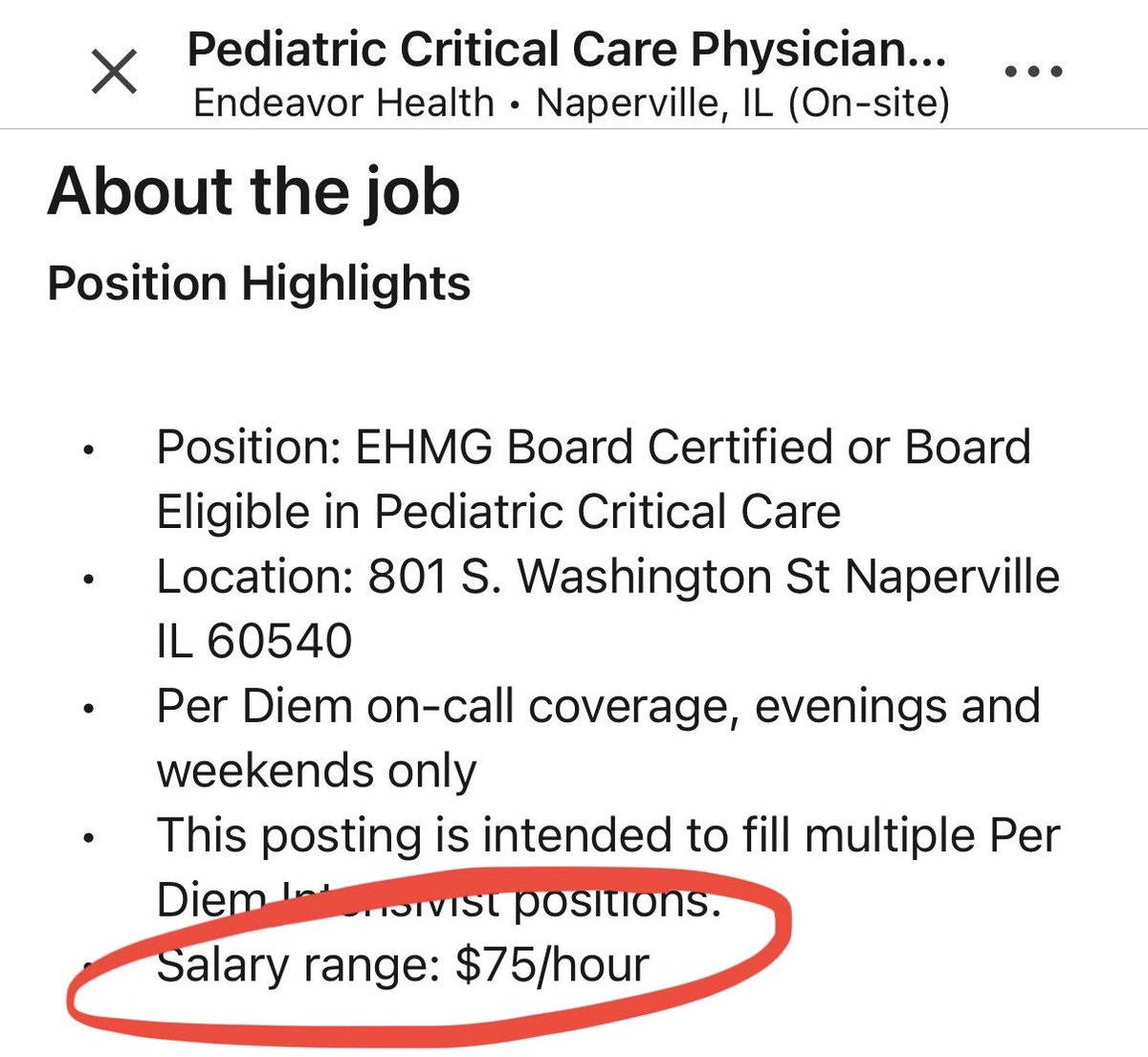
@EndeavorHlth wants to hire a pediatric intensive care physician to work nights and weekends for $75/hr.
Please nobody take this job.

English

@Zoya_ki_batein The worst kind of misogyny is from other woman.
English
Jennifer Svahn, MD, FACS, FSVS retweetledi

Thanks to @reason, I was able to expose the anti-meritocratic nature of New York City's alternative admissions process to its specialized public high schools, which was greatly expanded in 2019 in an attempt to racially "balance" the schools in violation of the 14th Amendment.
Jack Nicastro@jack_g_nicastro
Friends, foes, fans, and the ambivalent: Please consider supporting the principled, incisive, and edifying journalism of my @reason colleagues (as well as my less impressive work) by donating to @ReasonFdn. If you give now, your donation will be matched! reason.com/donate/?rfr=d0…
English
Jennifer Svahn, MD, FACS, FSVS retweetledi

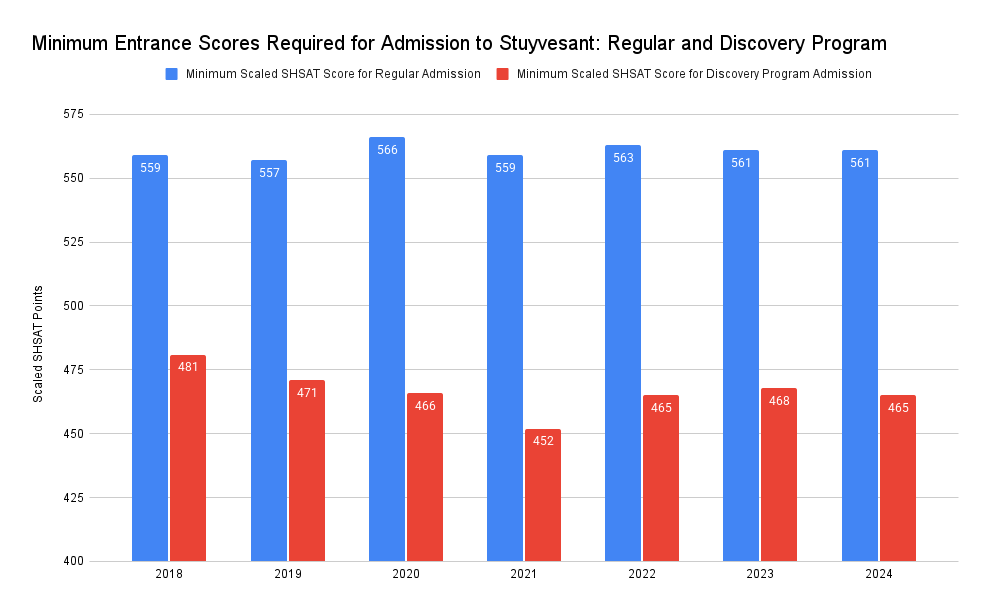
@BilldeBlasio said his expanded Discovery Program, effective fall 2019, would offer seats at the city's specialized high schools to students "who just missed the test cut-off."
The above is the actual difference between the minimum score required for admission to Stuyvesant, the most competitive of the specialized high schools, through the regular admissions process and through the Discovery Program (pre- and post-Discovery Program expansion), per official NYC DOE data I recently obtained from a Freedom Of Information Law Request.
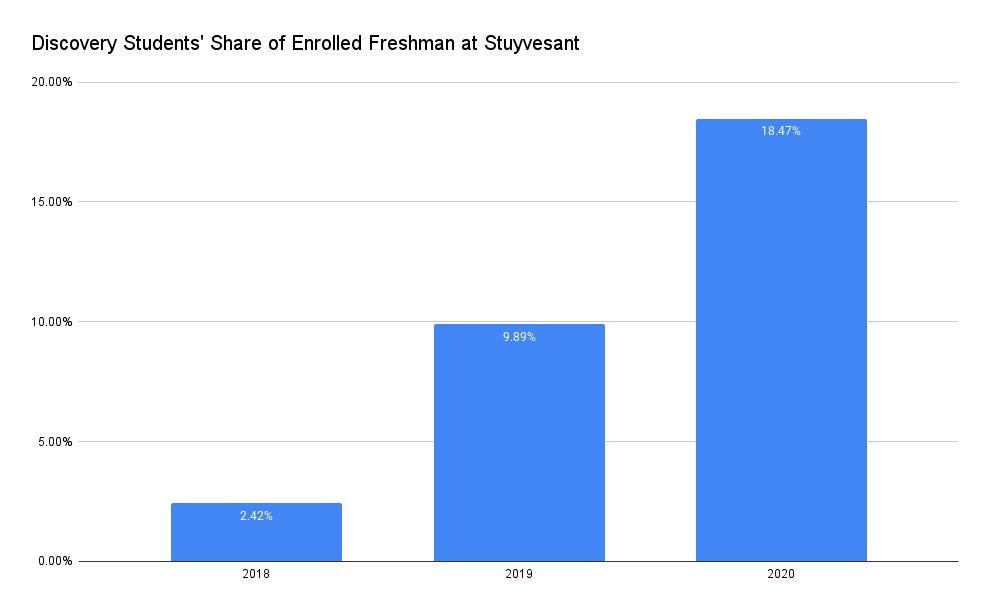
Before the program's expansion, the difference was 78 points. Two years later, the difference increased to 100, and the number of enrolled Discovery students increased from about 20 (2.4%) to over 150 (18.5%).
(The score that the best-performing Discovery admits "just missed" is the lowest score required to get into Brooklyn Latin, the least competitive specialized high school.)
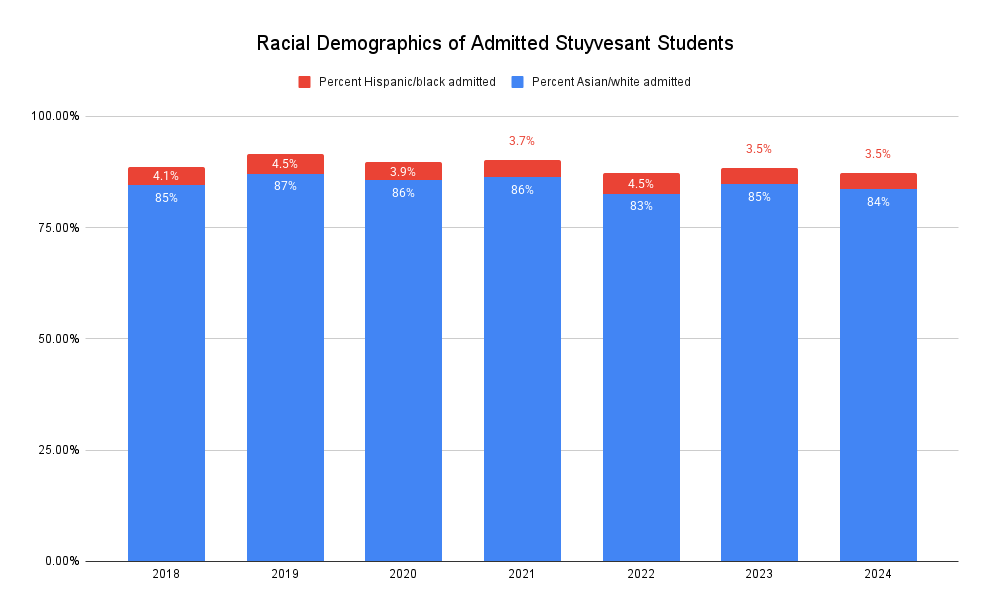
Increasing the population of Hispanic and black students at the elite public schools was De Blasio's stated motivation; he predicted that "the percentage of black and Latino students receiving offers will almost double" under the expanded Discovery Program.
De Blasio's unconstitutional attempt at racial balancing wasn't achieved at Stuyvesant or across the specialized high schools as a whole.
Here's what the Discovery Program did succeed in doing: Transferring seats at Stuyvesant from students who performed better on the admissions test to those that performed substantially worse.
The expanded Discovery Program is an assault on meritocracy and equal protection under the law.
Shout out to @PacificLegal for representing Chinese American Citizens Alliance of Greater New York in their lawsuit against NYC for violating the Fourteenth Amendment rights of New Yorkers.
Read my article for @reason for more information and all of the links!
reason.com/2025/12/03/bil…
Sources:
FOIL: docs.google.com/spreadsheets/d…
Stuyvesant Stats: docs.google.com/spreadsheets/d…
De Blasio statement: chalkbeat.org/newyork/2018/6…


reason@reason
New York City's expanded Discovery Program is an anti-meritocratic scheme that has failed to achieve its unconstitutional racial balancing goal. reason.com/2025/12/03/bil…
English

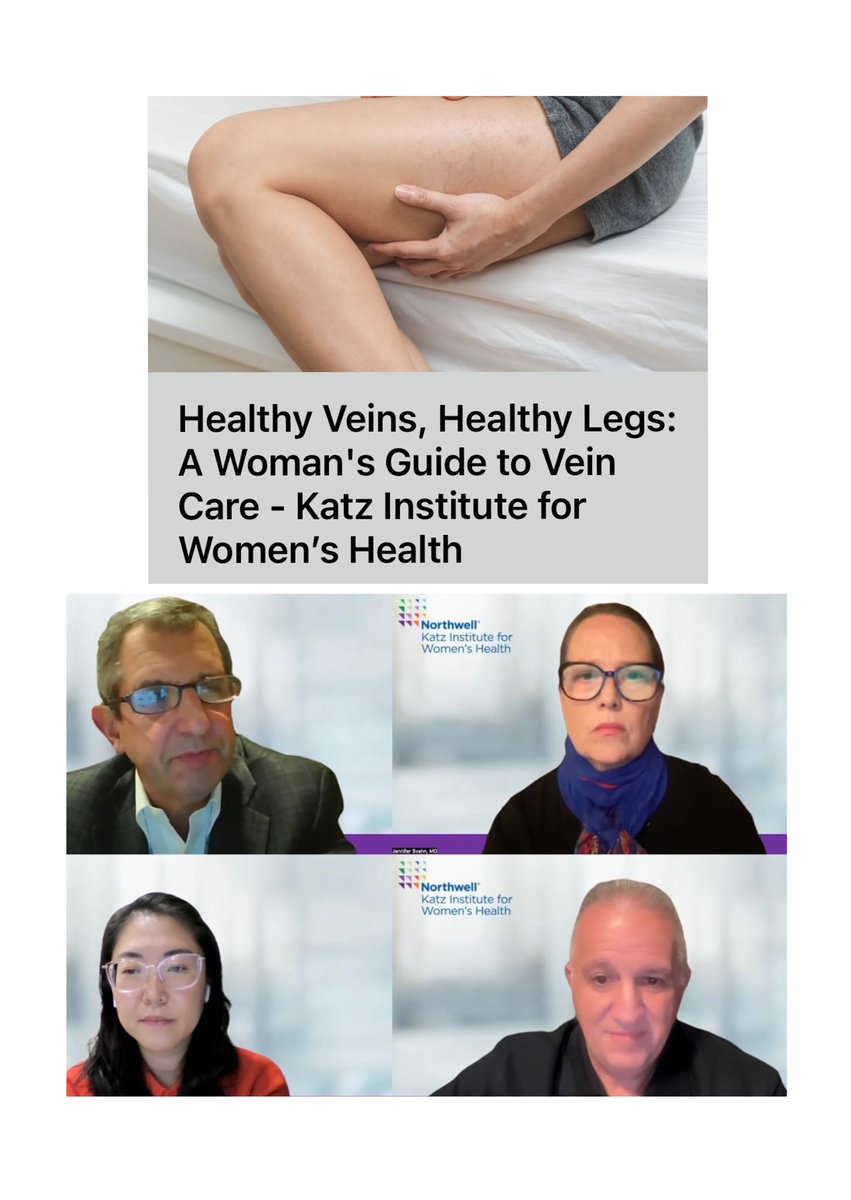
Take a listen to our recent live webinar where we discuss all things related to vein care - thankful to @KatzWomensHlth @NorthwellHealth for this opportunity to educate!
ccevent.site/kiwh/healthy-v…
English