

@Kapampi_ @JulianaLumb @FrancophonieUA Être fille de P. Lumumba fait aussi partie de son CV!
Quelle ignorance, pauvre Congo!
GIF
Français
Jephté Mathayo
927 posts



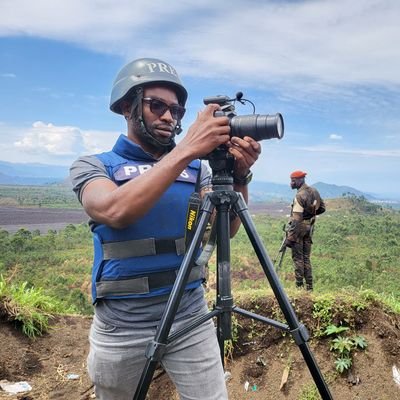

Sud-Kivu : un directeur de radio arrêté à Minova, la pression s’intensifie sur les journalistes en zone sous contrôle du M23-AFC La situation des professionnels des médias dans l’Est de la République Démocratique du Congo continue de se dégrader. Monsieur Espoir Mbata, directeur de la radio communautaire Top-Buzi FM, a été arrêté dimanche 29 mars à Minova, dans le territoire de Kalehe, par des éléments du M23-AFC, selon des sources proches de sa famille. D’après les premières informations, il lui serait reproché d’avoir diffusé sur les réseaux sociaux une publication évoquant un retrait probable des combattants du M23-AFC de cette partie du Sud-Kivu. Un cas de plus qui montre les risques croissants auxquels sont confrontés les journalistes opérant dans les zones sous occupation de la coalition rebelle du M23-RDF. Depuis la prise de contrôle de plusieurs localités de l’Est du pays par le M23-AFC, exercer le métier de journaliste s’apparente désormais à un véritable parcours de survie. Entre menaces de mort, intimidations et pressions multiples, informer ne relève plus seulement du professionnalisme, mais d’un acte de courage. Plusieurs journalistes ont déjà choisi de suspendre leurs activités, craignant des représailles, qu’elles proviennent des groupes armés ou d’autres acteurs impliqués dans le conflit. Ceux qui continuent à exercer le font dans un climat de peur permanent, souvent contraints à l’autocensure, privés des conditions minimales nécessaires à l’exercice d’une presse libre et indépendante. Dans ces zones sous tension, le journalisme perd progressivement son espace de liberté. Informer devient un risque quotidien, au point où la quête de vérité se heurte désormais à la nécessité de survivre. Avec Freddy Ruvunangiza
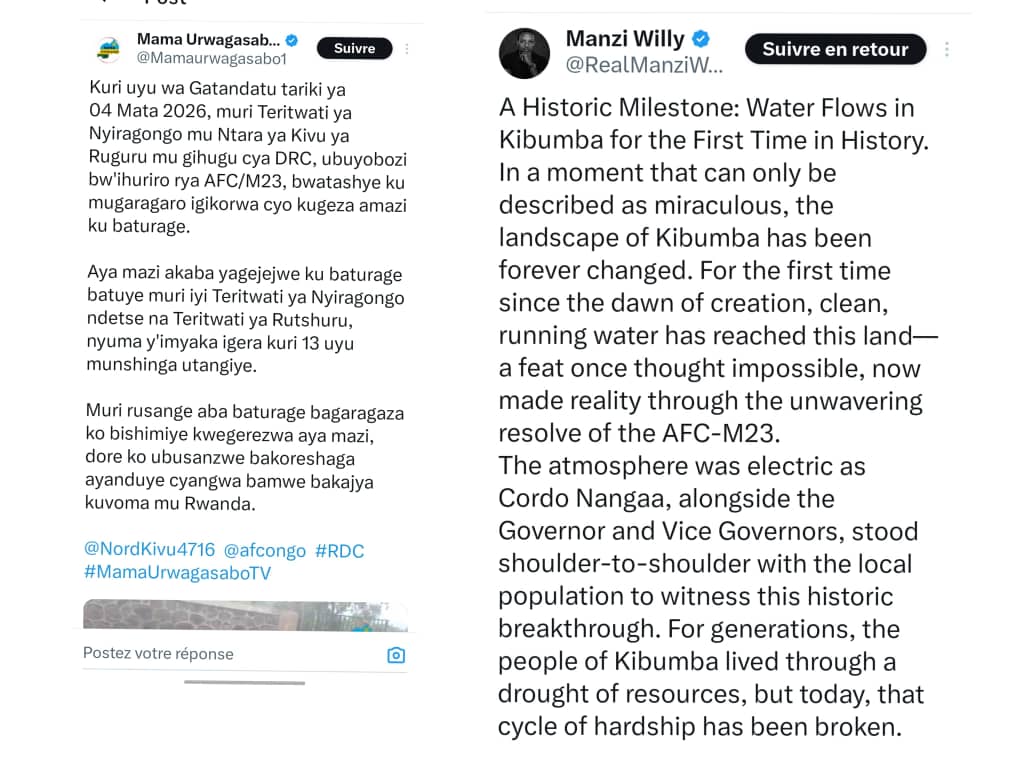
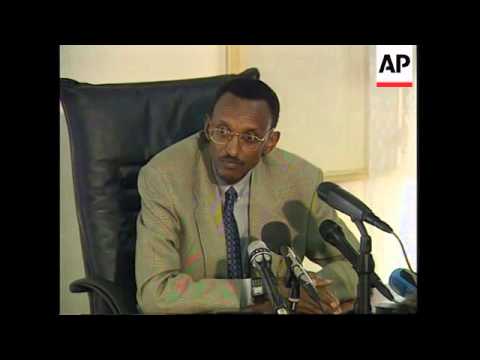

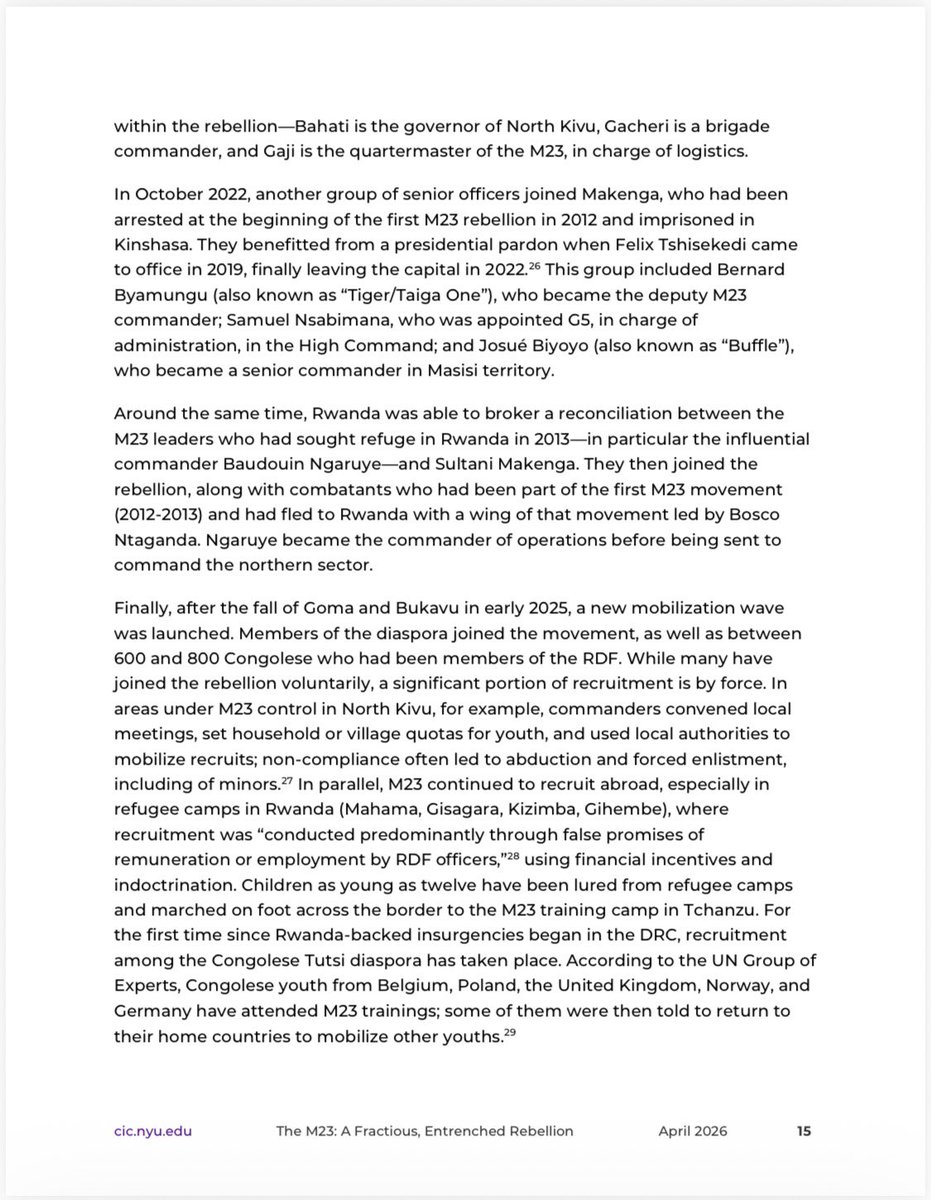



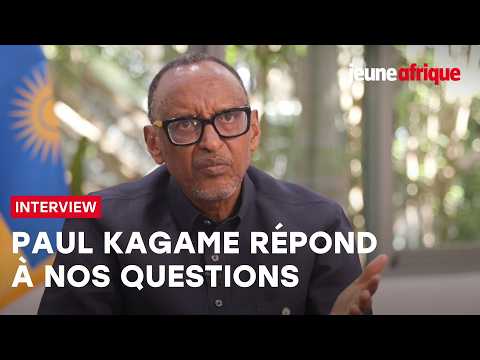
Paul Kagame : « Le M23 n’est pas un mouvement rwandais, mais un mouvement congolais désormais appelé AFC/M23, auquel est associé l’ancien président Joseph Kabila. » share.google/MRWBqK772GbVtu…

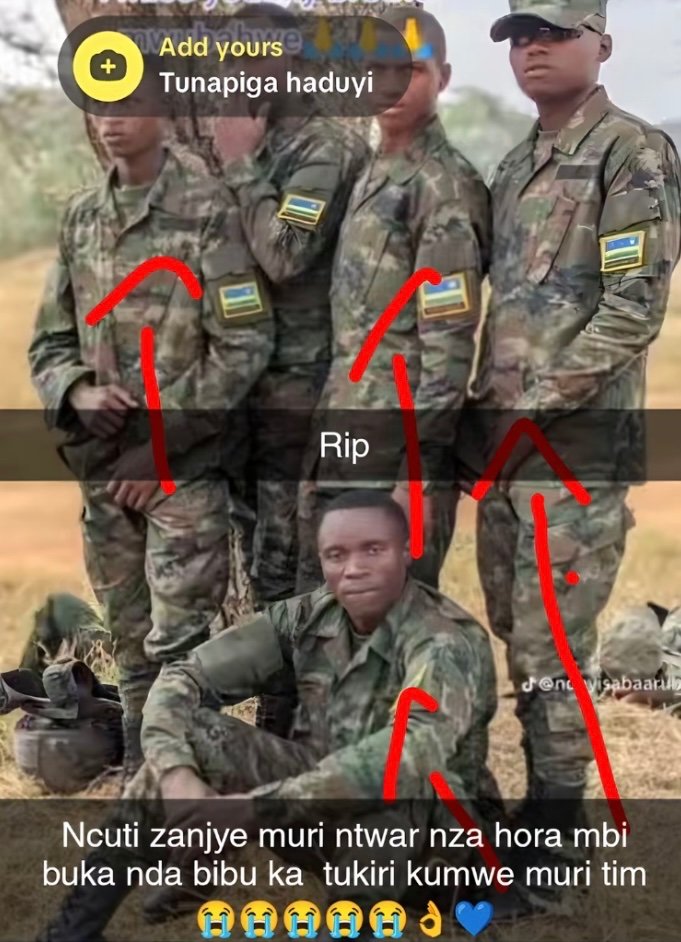

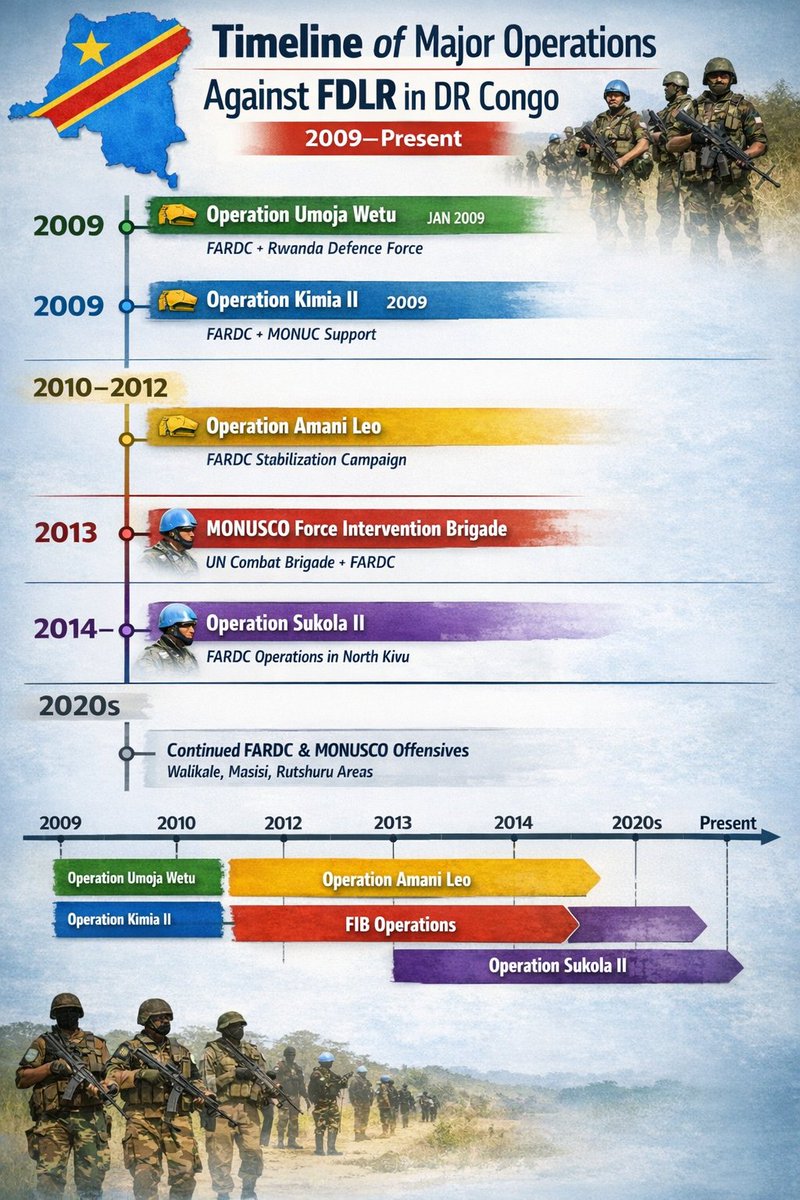

JOSEPH KABILA ou le Masque de la Trahison qui tombe : la Soudanisation Tribune spéciale du 23 mars 2026 Est-ce anodin que l'interview de l'ancien Président soit publiée en cette date sombre de l'histoire récente de la #RDC, en référence au 23 mars 2009 et donc au M23 ? Qu'à cela ne tienne. Trois angles se dressent devant nous : ●L’Angle de la Rupture : Derrière le masque, la fin du système ancien. ●L’Angle de la Souveraineté : Contre la "soudanisation", l'unité derrière le Président Félix-Antoine TSHISEKEDI. ●L’Angle de la Vigilance : Appel au Kivu : démasquer l’infiltration pour sauver la Nation. Peuple du Nord-Kivu, du Sud-Kivu et de la RDC, ne craignez rien. Joseph KABILA a enfin révélé sa vraie nature, et cela n’étonne plus personne. Ses récentes déclarations depuis Goma( dans La Libre Belgique du 23 mars), où il est protégé par les hommes de l'ex-Colonel Makenga, prouvent qu’il demeure l’acteur principal de l’infiltration et de la déstabilisation interne dans la mission lui confiée par #Kigali depuis longtemps. La "SOUDANISATION" qu’il évoque en est une l'illustration parfaite mais, elle ne se produira que dans son imagination. Le peuple doit rester vigilant et soudé derrière Son Président, Félix-Antoine TSHISEKEDI, qui poursuit le démantèlement du système afin d'instaurer une gouvernance rassurante pour tout vrai Congolais. Vouloir émietter la RDC en particules, comme ce fut le cas pour le Soudan, traduit le sens profond de ce qui se cachait à l'intérieur. Le Nord-Kivu a trop souffert. Il n'est pas un laboratoire d'expérimentation pour des rêves issus d'insomnies. Peuple Congolais, demeurons vigilants en retenant une chose fondamentale: "LA BEAUTÉ DE L'ALTERNANCE DE 2019 C'EST AUSSI D'AVOIR AIDÉ LES CONGOLAIS, AU FIL DE TEMPS, À DÉCOUVRIR QUI EST QUI". La case était infiltrée! Tous avec @fatshi13, unis autour d'un idéal: LE CONGO D'ABORD

At the African Land Forces Summit in Rome hosted by @SETAF_Africa, Deputy Assistant Secretary Sarah Troutman’s keynote remarks highlighted how commercial diplomacy advances shared U.S.-Africa security objectives. She also met with land forces commanders from Gabon, DRC, CAR, and Burundi on security cooperation and commercial opportunities, and engaged U.S. companies on private sector solutions to shared security challenges.

RULES GOVERNING AFRICAN CANDIDATURES WITHIN THE INTERNATIONAL SYSTEM In my posting of Friday, I recalled, in relation to the submission by the AU Chairperson of an African candidate to the position of UN Secretary General (UNSG), that the African Union is governed by the rule of law. This is also true for the AU endorsement of African candidatures within the international system. Here is the historical background and the regulatory framework of this matter: 1. On 18-20 July 1985, the 22nd Ordinary Session of the Assembly of Heads of State and Government of the Organization of African Unity (OAU) adopted, in Addis Ababa,“Resolution [AHG/Res. 144 (XXI)] on the Committee for Nominating an African Candidate for the Post of U.N. Secretary-General”. This Nominating Committee consisted of ten (10) countries, two per each of the five OAU regions; 2. Following the transformation of the OAU into the AU, the 8th Ordinary Session of the AU Executive Council (Council of Ministers), held in Khartoum on 21 January 2006, established, through Decision EX.CL/213 (VIII), a 15-member “AU Ministerial Committee on Candidatures within the International System”, and adopted its rules of procedures. Rule 3 of this new text broadens the mandate of the old OAU Nominating Committee to “candidatures for elective posts within the United Nations System as well as other International Intergovernmental Organisations”. 3. On the procedure, Rule 11 states that “All candidatures shall be submitted to the Committee, through the AU Commission, […] at least two (2) months prior to the Sessions of the Executive Council, which shall consider them”. In addition, Rule 14 provides that the Ministerial Committee adopts its recommendations on candidatures, for endorsement by the Executive Council. This Council shall then take its decisions “by consensus or, failing which, by a two-thirds majority of the Member States eligible to vote”, as per Rule 33 of its own rules of procedure. These aforementioned rules are clear and straightforward: FIRST, all African candidatures to the UN, including for the position of UNSG, must go through the AU Ministerial Committee on Candidatures within the International System. Therefore, any unilateral decision by the AU Chairperson to immediately submit, to the UN Secretariat in New York, an African candidature to the position of UNSG, without going through the Ministerial Committee, is irregular. SECOND, the Ministerial Committee adopts, after deliberation, its recommendations and submit them to the Executive Council (AU Ministers of Foreign Affairs). The latter shall take its decisions by consensus or by a 2/3 majority of the Member States eligible to vote. In other words, a direct rush to a 24-hour “silence procedure”, through which the AU Chairperson would wish to force a 2/3 “silent” majority endorsing his solo and irregular decision, without any attempt to seek an open discussion and a consensus on the African candidate for the position of UNSG, is also a gross breach of AU rules and regulations. Thank you.