Jeremy Denbow
2K posts


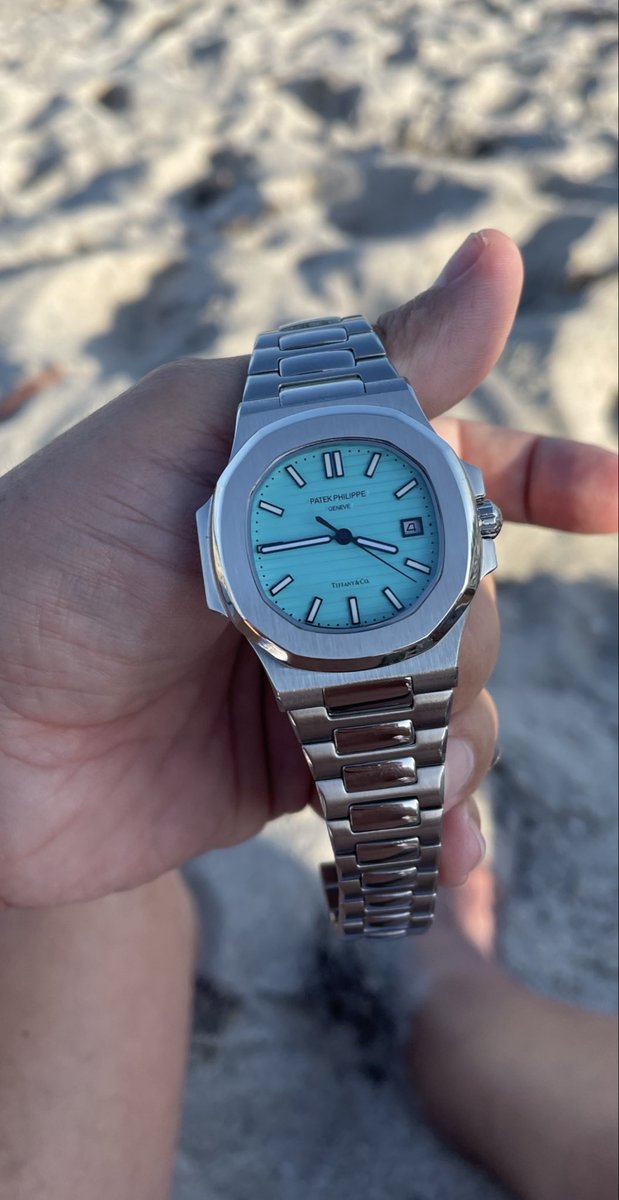
I would like to purchase this @ROLEX


Samsung Chip Workers to Get Average $340,000 Bonus in AI Boom $EWY $DRAM 👀


In the hours and days after flash flooding, NYCEM offers the following tips from nyc.gov/beready Stay out of flooded basements. Standing water near electrical equipment is life-threatening. Do not walk or drive through standing water. Even after rain stops, flooded streets can remain dangerous and may conceal hazards. After excessive rainfall events, streets and underpasses may stay flooded for hours. Wash thoroughly if you touched floodwater. Floodwater can carry sewage, bacteria, and other contaminants. Wash your hands and any exposed skin with soap and water. Clean affected surfaces with a bleach solution. When cleaning up after a flood, disinfect surfaces with a diluted bleach solution under proper ventilation. Never mix bleach and ammonia — the combination creates dangerous fumes. Throw away food that touched floodwater. Do not eat or use any food, including canned goods, that came into contact with floodwater. Watch for mold. Mold can begin growing within 24–48 hours after flooding — and excessive rainfall that causes slow seepage into walls or floors can create mold conditions even without visible standing water. If your home has mold or you need cleanup help, contact 311. Pump out flooded basements slowly. Remove about one-third of the water per day — not all at once. Water-saturated soil outside your walls creates pressure, and removing water too quickly can cause walls to crack or collapse. This is especially important after prolonged rainfall, when surrounding soil may be heavily saturated. Document damage before cleaning up. Take photos and videos of all damage before removing water or debris. This will help with insurance claims and disaster assistance applications. Check on your neighbors. After a flood, check on elderly neighbors, people with disabilities, and anyone in basement apartments or low-lying units who may need extra help.


As thunderstorms move across the city, New Yorkers should stay alert and take precautions now. Call 911 if you are in immediate danger, trapped by rising water, or see a life-threatening situation. If you hear thunder, go inside. Damaging winds are the primary hazard we are monitoring tonight. Move into a sturdy building, stay away from windows, and go to an interior room. Avoid rooftops, balconies, porches, glass doors, plumbing, and electrical equipment. If thunderstorm warnings are issued, stay in your safe indoor location. Heavy rain can also cause flash flooding. If you live in a basement, low-lying area, or a place that has flooded before, move early. Do not wait to see water. If flooding begins, move to a higher floor right away. Never walk, swim, or drive through floodwater. Turn around, do not drive through flooded roads or underpasses, and never go around barricades. Floodwater can rise quickly, hide hazards, and carry electrical current or contamination. Avoid flooded basements, subway stations, and underpasses. Keep your phone nearby, alerts turned on, and volume up. Conditions can change quickly, especially at night. Subscribe to @NotifyNYC for alerts, including for basement apartments. For more information, visit nyc.gov/beready to read tips on thunderstorms and flash floods.




JUST IN: U.S.-bound flight diverts to Canada after a passenger from Ebola-hit DR Congo boarded “in error.”