@DrunkRepub @SovEconomy Tucker Carlson has said almost this exact statement on his podcast. So you agree with him. Asking someone to define their own terms isn’t rocket science.
English
Jess
1.6K posts









we ruined such a good thing

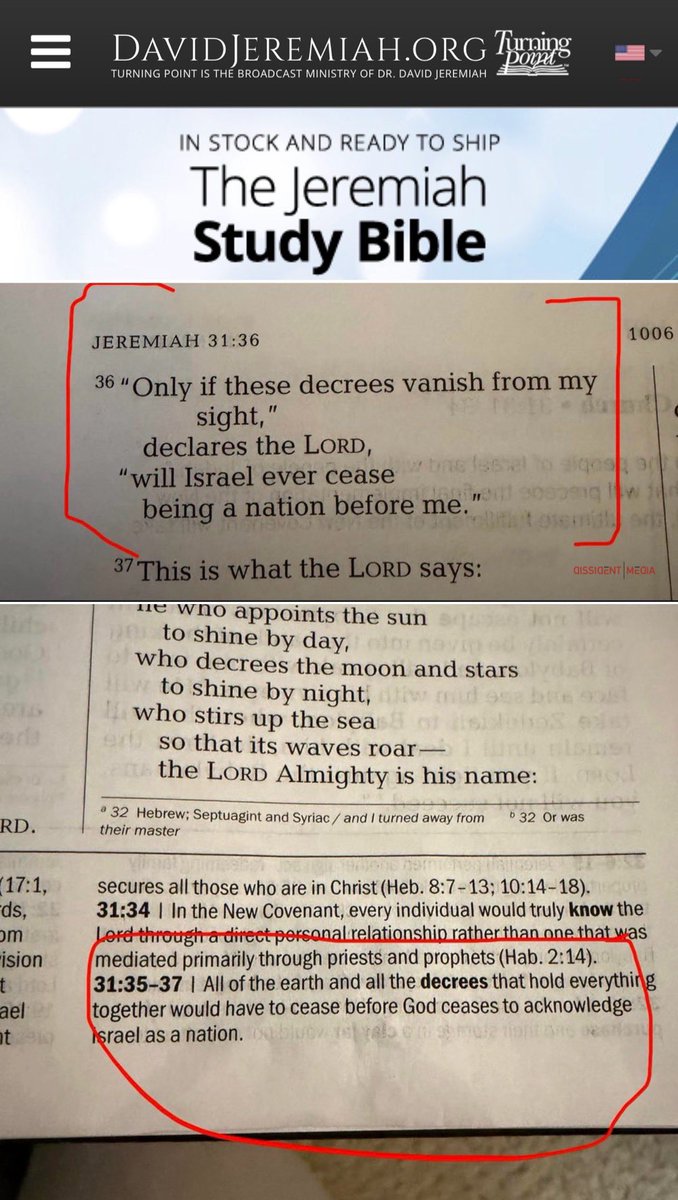
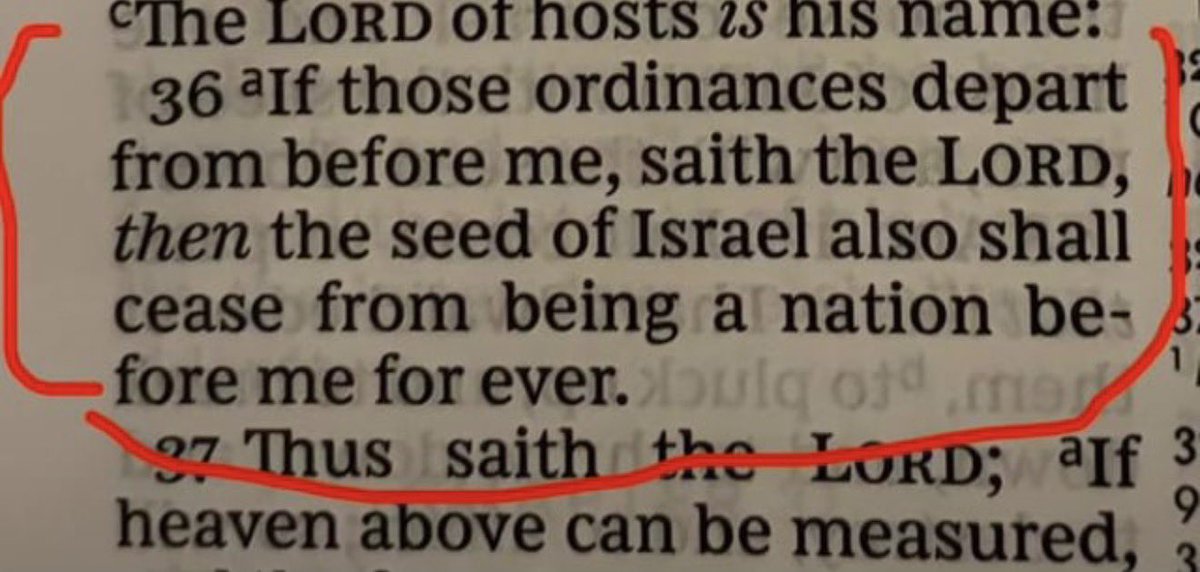
As a Baptist, Evangelical ≠ Zionist (or more precisely, not all evangelicals are Zionists, and evangelicalism as a broad movement isn't inherently Zionist). Evangelical Christianity emphasizes personal conversion, the authority of the Bible, the centrality of Jesus' death and resurrection, and active faith-sharing. Christian Zionism is a specific subset. Often, but not always, found among evangelicals that strongly supports the modern state of Israel and Jewish return to the land as a fulfillment of biblical prophecy. Many evangelicals hold some level of support for Israel, but it's not universal; some evangelicals critique or reject Christian Zionism on theological or ethical grounds. Christian Zionism is prominent in certain American evangelical circles, influenced by end-times theology, but the two aren't synonymous. Dispensationalism** does align with the view that ethnic/national Jews remain God's "chosen people" in a distinct, ongoing way. This 19th-century theological framework popularized by figures like John Nelson Darby and the Scofield Reference Bible divides biblical history into "dispensations" or eras where God deals differently with humanity. It maintains a sharp distinction between Israel (ethnic Jews/national promises) and the Church (believers in Christ). Dispensationalists typically see unfulfilled Old Testament promises, like land covenants to Abraham, as still applying literally to national Israel in the future, often tied to premillennial eschatology. This fuels much of modern Christian Zionism, viewing the 1948 establishment of Israel and Jewish ingathering as prophetic signs. In contrast, New Testament fulfillment theology sometimes called covenant theology or supersessionism in its stronger forms, though terms vary: - Jesus is the fulfillment of the promises to Abraham (eGalatians 3:16: "The promises were spoken to Abraham and to his seed... meaning one person, who is Christ"). - Through faith in Christ, believers become Abraham's true descendants and heirs of the promises (Galatians 3:29: "If you belong to Christ, then you are Abraham’s seed, and heirs according to the promise"). - The dividing lines are erased in the new covenant: "There is neither Jew nor Gentile, neither slave nor free, nor is there male and female, for you are all one in Christ Jesus" (Galatians 3:28). This is the idea that the Church believers from all nations now embody God's covenant people. - Many non-dispensational Christians see the "chosen people" status as ultimately fulfilled in Christ and extended to all who are in Him, rather than tied to ethnicity or a future national restoration apart from faith in Jesus. These are longstanding interpretive differences within Christianity. Dispensationalism, especially its premillennial form, tends to preserve a special ongoing role for ethnic Israel, while other views emphasize unity in Christ as the ultimate fulfillment. Both sides appeal to Scripture, but they prioritize different passages and hermeneutical approaches (literal vs. typological/fulfillment-oriented).

READ every word of this. It's the best & most comprehensive explanation of what we're fighting. @DefiyantlyFree



Tucker Carlson and Candace Owens both said everyone needs to know where their local Chabad is. I said their hatred would lead to people shooting up Jews in synagogues. It will likely end up being a Muslim. The Trump administration must start deporting these Islamic savages from our country and we must start holding people accountable for inciting violence. This is very sad.


Universities will now be required to disclose not only which foreign countries fund them—they’ll be made to publicly name exactly who is writing the checks. This is a long-overdue step toward transparency and exposing the foreign money quietly poisoning our students.
VANCE-TULSI 2028. Start it now, guys. RIGHT. EFFING. NOW.