Jill Draper

19.9K posts

Jill Draper banner
Jill Draper

Jill Draper

@JillMakesStuff

Jill Draper makes stuff. Lots of stuff. She/her. This is Jill's personal account, for yarny stuff & shop updates follow @JustJDMS

Upstate NY Katılım Temmuz 2011
1.3K Takip Edilen3.2K Takipçiler
Jill Draper
Jill Draper@JillMakesStuff·
@CoraCHarrington @dieworkwear I saw someone saying the other day they are planning on starting some sort of cottage industry of home sewers in the US, creating dresses for sale bc they can’t find a nice dress for $30 anymore & …
English
1
0
1
113
Cora Harrington
Cora Harrington@CoraCHarrington·
@dieworkwear This person’s tweets cross my timeline whenever textile chat goes viral on this app, and they don’t actually care about bringing back the textile and apparel industry to the US. They care about AI and robots and defense contracts…not resurrecting all the jobs that were lost.
English
2
0
131
4.8K
derek guy
derek guy@dieworkwear·
This is true, but I don't think it tells the full story. Since the 1960s, the US has largely offshored its textile and garment manufacturing, but it's held onto related services, such as design and marketing. In other words, someone in the US will design a jacket and come up with the marketing strategy, but the actual jacket manufacturing will be done offshore. As it happens, the service component is the largest added-value. As you go down the supply chain — starting with farmers who grow related crops such as cotton, linen, or wool — the value-added becomes very, very small. Thus, there's very little wage growth at that end. The highest wage growth is on the service side, which is why New York City still has a bustling fashion sector, where many people are employed in design, marketing, retail, merchandizing, etc. This combination — retaining the most important parts of the production chain while letting go of the other parts — could theoretically put the US in a very good position to manufacture luxury goods that it can export abroad. But the US has not been very good at developing its luxury sector for a variety of reasons (possibly culture, cost of living, lack of government support, etc). Of course, in the transition from the 1960s to now, there have been some winners and losers. The winners are people who do design and marketing; the losers are the sewers who used to work on US factory floors. The good news is that you can still buy clothes today that are made exactly as they were in the 1960s — from oxford-cloth button-downs to Goodyear welted shoes. The bad news is that you will be paying prices close to what the average family in the 1960s paid for such goods. Which is to say ~$150 button-ups and ~$500 shoes in today's dollars. When you purchase these clothes, you may find that the $150 button-up shirt isn't that different from the one made in China or India. That's because other countries are now pretty good at making clothes.
Kaia Rhodes@kaiarhodes

In the 1960s, 95% of the apparel Americans wore was made in the USA. Today, that number is just 2%. In one lifetime, we went from being the world’s textile & apparel powerhouse to being entirely dependent on foreign supply.

English
14
115
1.8K
223.3K
Jill Draper
Jill Draper@JillMakesStuff·
@j_bot @svershbow Don't worry a sweater pattern paid equal to like 3 paragraphs worth of writing...
English
1
0
1
89
Jill Draper
Jill Draper@JillMakesStuff·
@thetolerantweft I found your last newsletter really interesting & something I had been thinking about but not really seen expressed.
English
0
0
1
975
Cora Harrington
Cora Harrington@CoraCHarrington·
@iratesheep On pins and needles, cut from the same cloth, dyed from the same wool, patch things up, birthday suit, off the cuff, mouth dry as cotton, shirt off his back, wolf in sheep’s clothing, too big for his britches, air dirty laundry, came in on his coattails, knock your socks off, etc
English
12
35
3K
43.6K
Jill Draper
Jill Draper@JillMakesStuff·
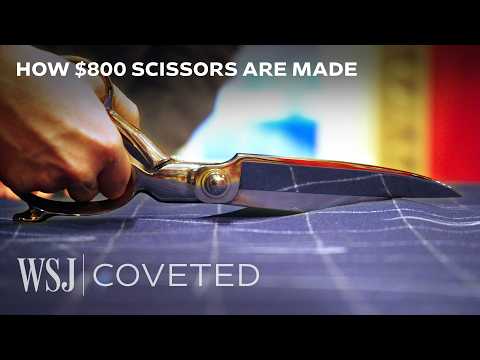
@CoraCHarrington If I won the lottery there would be signs... (until them I'll bring my gingher's to the sharpener)
English
0
0
0
63
Jill Draper
Jill Draper@JillMakesStuff·
@CoraCHarrington The guy complaining about elastic in underwear. LOL. Enjoy your loose drawers.
English
1
1
51
3.6K
Jill Draper
Jill Draper@JillMakesStuff·
@CoraCHarrington I think people wearing more casual clothes to work & school definitely changed this from the norm. And bc clothes are less expensive many people treat everything as disposable. (Not great!)
English
0
0
12
287
Cora Harrington
Cora Harrington@CoraCHarrington·
People are being weird about this tweet but changing from outside to inside clothes is, historically, very normal. New clothes get taken off when you get home to preserve them. Old clothes no longer suitable to be worn outside, are worn at home because why throw away clothes.
5@txrxvc

the way the concept of “home clothes” is foreign to some people is wild, what do you mean you don’t change into home clothes as soon as you come in from outside??

English
71
927
9.5K
171K
Jill Draper
Jill Draper@JillMakesStuff·
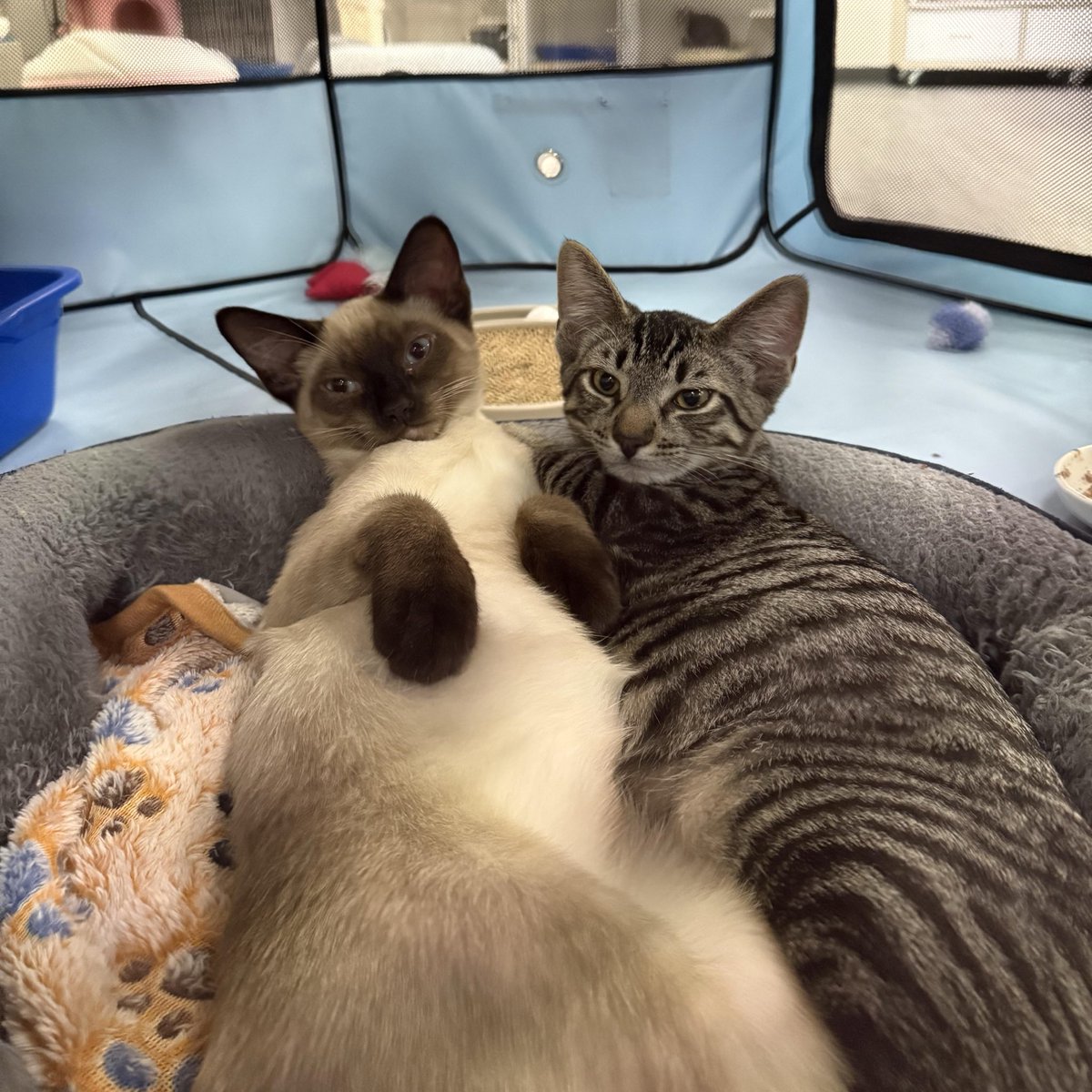
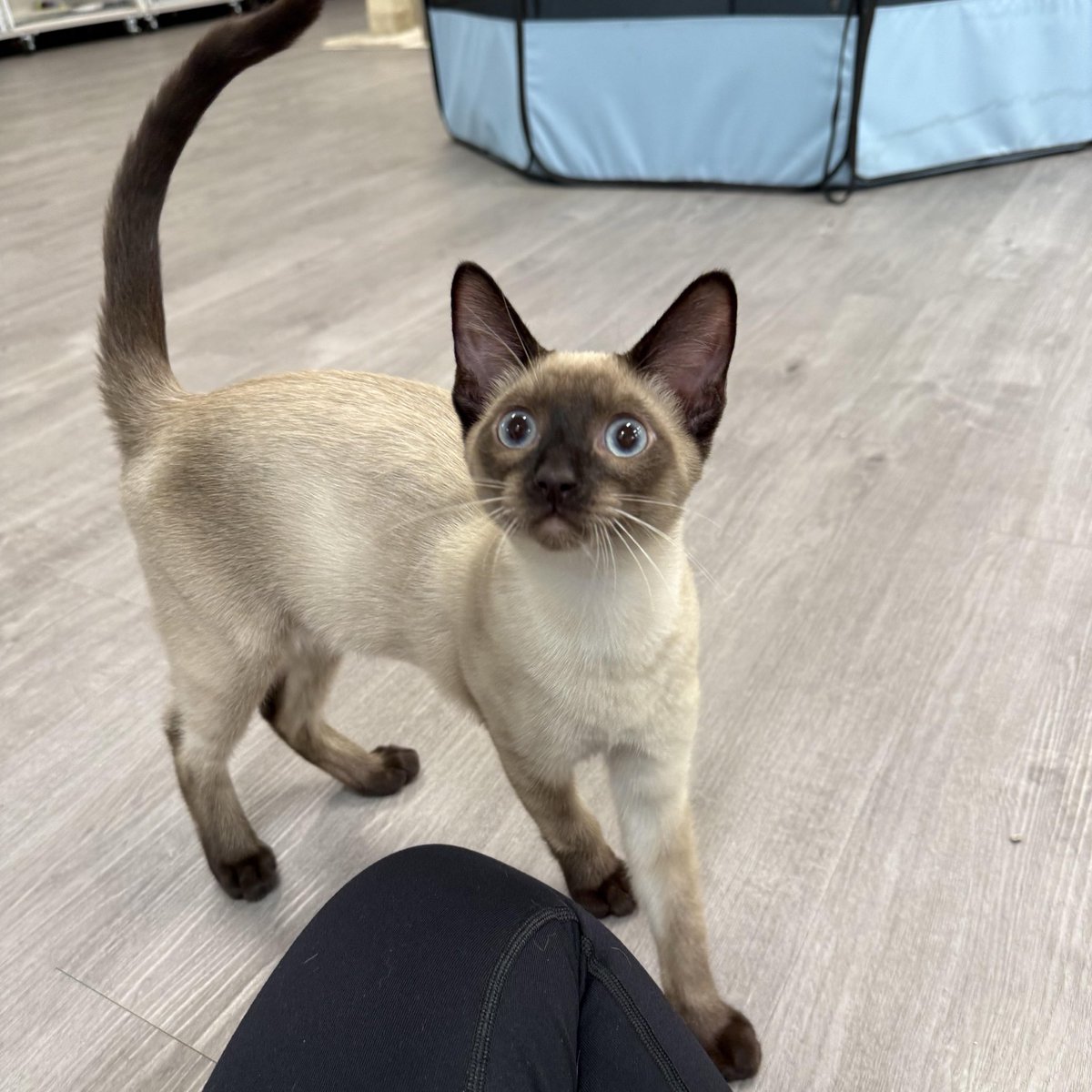
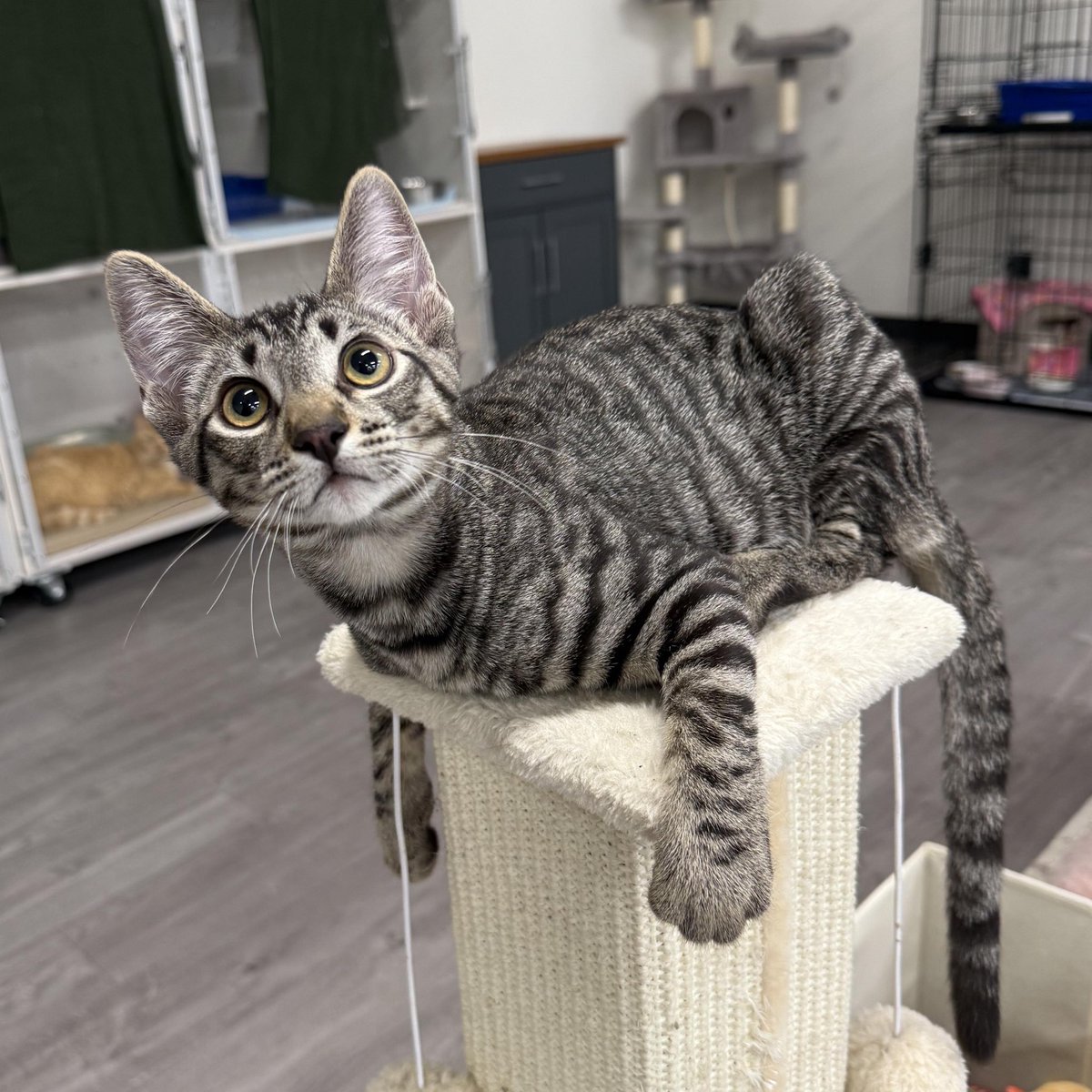
@feederofcats We adopted a bonded sib pair in December & it’s been so fun to see them together after having all adult rescues who liked/tolerated each other but these two are cuddle puddles.
English
0
1
25
901
Friends of Bear Cat Rescue
Friends of Bear Cat Rescue@feederofcats·
📍 SF Bay Area Tugboat (siamese) has gotten many applications but nobody wants to take his brother, too 😢 these sweet, purry babies are bonded and love each other so much. Brown tabbies are just as cute as a blue-eyed siamese! Please share and help them find their home! 🩷
Friends of Bear Cat Rescue tweet mediaFriends of Bear Cat Rescue tweet mediaFriends of Bear Cat Rescue tweet media
English
136
1K
6.9K
256.6K
Jill Draper
Jill Draper@JillMakesStuff·
@j_bot I use eventbrite to manage RSVPs for my party which has the same basic details for several years now. They autofill descriptions w AI now & you have to delete & retype. Anyway when I say NONE of the AI details were even remotely close to any other years.
English
1
0
1
14
Julie 🍳 egg mode 🍳 Robinson
A team working on an AI knitting pattern editor and pattern grading product just popped up and this is exactly how I felt about their website. When I asked about their founders, the marketing guy just told me their names :/
Hiten Shah@hnshah

There’s a flaw in AI marketing I can’t unsee. Today, I’m sharing findings that changed how I think about product launches. What buyers told us in these sessions made me rethink every launch I’ve ever worked on. We brought real buyers in to review the most-hyped AI homepages. They arrived curious. Most left frustrated, confused, or unconvinced. Here’s what stood out: 🤔 97% couldn’t figure out how the product actually worked 😬 67% wanted more real-world examples or use cases ❌ 57% didn’t trust the claims ⏳ Less than half would even try the tool Almost everyone still believed in the potential. But that gap between curiosity and trust? That’s where millions in revenue quietly disappear, before your product ever gets a shot. Watching these sessions forced me to question everything I thought mattered on a homepage. It’s not about features, visuals, or clever messaging. It’s about showing the real product, removing every point of confusion, and making the benefit instantly clear. Here’s what buyers asked for: - Show what the tool actually does - Share specific examples, not just big promises - Be honest about what the product can’t do - Use clear, customer language And here’s what not to do: - Stop leading with generic claims or buzzwords - Don’t hide the product behind a wall of marketing speak - Never assume buyers will figure it out for themselves We pulled in conversion rate optimization (CRO) experts and turned every insight into a step-by-step homepage playbook. Even a small improvement here means real revenue. If you want the full research, buyer quotes, and the homepage template, check the next post below.

English
1
0
2
51
Jill Draper
Jill Draper@JillMakesStuff·
@CoraCHarrington Why is it never let's make beautiful, artisanal, carefully made products - which we COULD be making here - but always some awful race to the bottom? (I know why)
English
0
0
9
255
Jill Draper
Jill Draper@JillMakesStuff·
@EmmaVigeland I have a small business that uses all US grown raw materials & is made completely on shore. But if my customers do not have money to spend bc more of their budget is going to essentials whose prices have increased that is bad for me!
English
0
0
1
41
Emma Vigeland
Emma Vigeland@EmmaVigeland·
When tariffs crash the economy, understand that the "pro-business" Republican Party helped Trump destroy countless small businesses, knowing that Fortune 500 companies could either get a corrupt carveout or had the margins to survive it. Consolidation is an upside for them.
English
47
380
2.3K
55.1K
Jill Draper
Jill Draper@JillMakesStuff·
@kayteterry The patriarchy strikes again! I don’t have a single garment with an avocado sized pocket.
English
1
0
3
43
KIARA📖
KIARA📖@coach_kiara·
This is both whimsical and practical, you should give him a lil pat on the head
Axe@westernunion2k

English
3
2
56
1.3K
Jill Draper
Jill Draper@JillMakesStuff·
@kayteterry I’m not going to (& you shouldn’t either) feel bad about having a tender heart when so many people seem to be without souls.
English
1
0
4
32
KIARA📖
KIARA📖@coach_kiara·
I just got into my feelings about the goofiest most emo thing and I’m trying to remind myself that my deep feelings make me a better person even when it makes me sad.
English
1
0
15
423
Cora Harrington
Cora Harrington@CoraCHarrington·
I’ve been thinking about this, and I believe what’s happening in the fashion auction space is much bigger than it-girls. There are couture and antique garments very much not-worn by it girls going for astounding, way-over-estimate prices at auction. Collectors are going wild.
Rachel Tashjian Wise@theprophetpizza

Jane Birkin's Birkin just sold for 10 million bucks. Are we living in an era of it-girl inflation? Gift link! wapo.st/3Ima45g

English
11
72
1.3K
59.1K