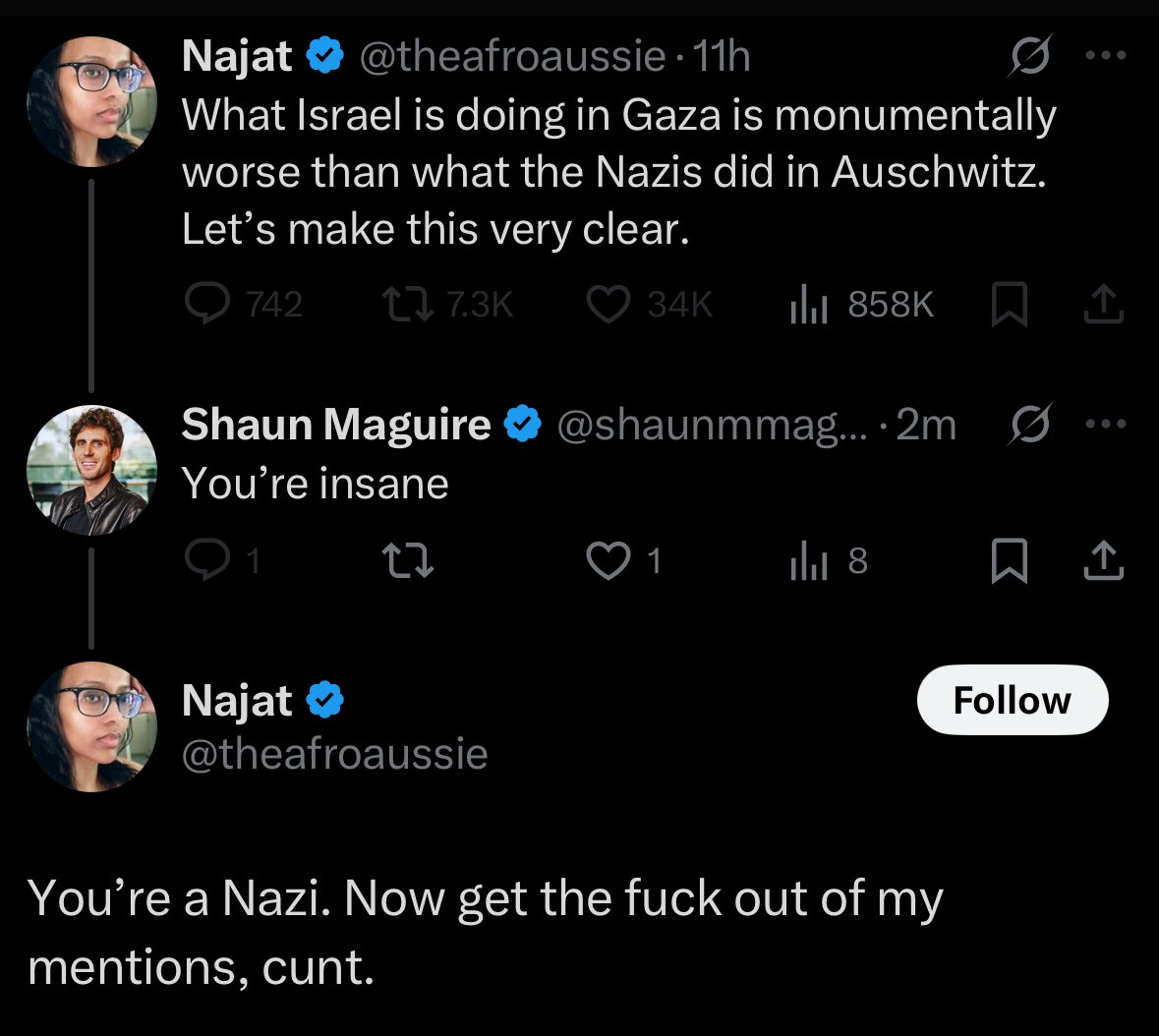
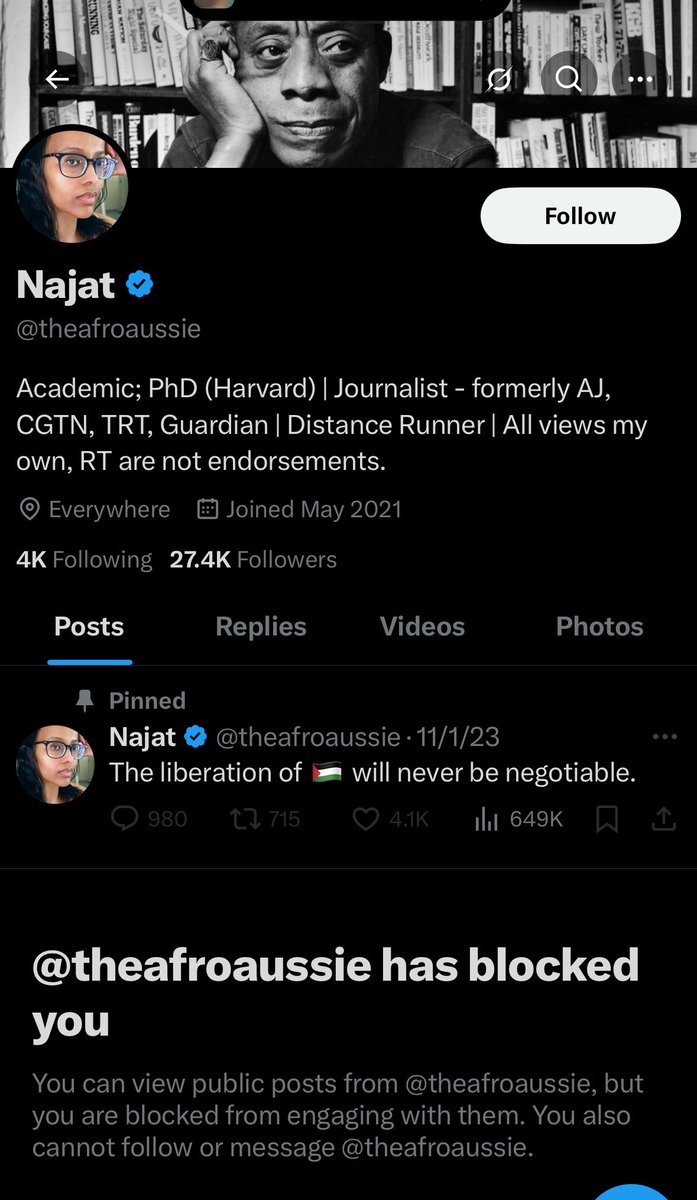
@RichardHanania "Axis Sally" seems to fit the description too.
en.wikipedia.org/wiki/Mildred_G…
English
John Delpho
523 posts
@JohnPDell
🇺🇸🇫🇷 | International law | Geopolitical strategist | Founder @readimperium

In Iran right now: • No internet • No phone calls • No communication with the outside world Yet the Islamic regime’s main state broadcaster is airing and promoting Tucker Carlson. This was way too much for my brain to handle.
Why The United States Should Grant Asylum to Nicolas Sarkozy. In a few days, the former French President will go to jail, the first head of state since the Second World War to do so. His conviction is not only a French affair but a symptom of a deeper conflict within the Western world that must be taken seriously. Nicolas Sarkozy was not a good president. He understood before everyone in the West the need for more freedom in the economy and more authority at the borders and on the streets. Unfortunately, once elected, he pursued a completely different set of policies. When one of his ministers decided to use DNA tests to help deport illegal migrants, his celebrity wife pressured him to backtrack. When he composed a new cabinet, he filled it with socialists. One of his closest supporters ironically remarked that he was in favor of bipartisanship even if it meant including this right. That being said, like many others, Nicolas Sarkozy has recently been a victim of a highly politicized judicial branch of government. No matter how many concessions he made to his opponents, they never forgave him for saying out loud what most of the French people thought back then and even more so now. For the past twenty years, Sarkozy has been targeted by political opponents and activist judges. This is not a conspiracy theory. It is a pattern. The case against him rests on extremely shaky grounds. The central claim, that Libya financed his 2007 presidential campaign, was based on a forged document published by a far-left newspaper. During the trial, the tribunal itself recognized the document as fake, yet the prosecution continued as if nothing had changed. The entire case was a political construction built on insinuations and false statements. Sarkozy’s conviction follows a familiar model: the use of judicial activism to neutralize political opponents. He will serve his sentence in partial isolation, while the mainstream media is already savorin the humiliating details about his future detention. The message is clear: even a former president can be broken if he dares to challenge the political establishement. Many legal experts, including magistrates and constitutional scholars, have criticized this verdict as unprecedented and dangerous. It undermines not only the credibility of the judicial system but also the very democratic principles of our countries. Beyond the "semi" surprising content of the ruling, the fact remains that a former French president will serve more time in jail than many convicted of violent crimes. This outcome partly reflects Sarkozy's own weaknesses as a leader, but it also raises serious questions about the state of justice in the West. The decision, rendered by a judge known for her hostility to Sarkozy (she wrote an op-ed against his policies when he was President), fits into a broader pattern: the instrumentalization of the judiciary against political opponents on the right. This phenomenon is not isolated. In France, Marine Le Pen, the main opponent of Emmanuel Macron, has been barred from running in the next election. François Fillon, Macron's previous rival, was prosecuted just weeks before the 2017 presidential elections. In Brazil, former president Jair Bolsonaro has also been convicted on shaky grounds. In the United States, Donald Trump and several of his allies have faced prosecutions widely viewed as politically motivated. The pattern is identical. What connects all these cases is not justice but ideology. If we stay in France, history provides a striking parallel. Contrary to popular belief, the French Revolution did not erupt because the people could no longer tolerate a despotic king. It began because the king was prevented by judicial institutions from reforming a dying economy. Under the pretext of defending their viewpoint, those courts blocked every effort at reform until the system collapsed. The same paralysis threatens us today. This is why the United States should stand by Nicolas Sarkozy. Not because he was a great president, but because he has become a symbol of a bigger struggle within the West. Those who defend borders, culture, and sovereignty are now treated as criminals, and instead of focusing only on their country, they should help each other, like when the United States granted political asylum to former members of Allende's government. The Trump administration has shown some interest in this civilizational approach when it offered support to Argentina under President Milei's leadership. America should extend the same solidarity to leaders in Europe who face persecution for their convictions. Right-leaning governments and movements must know that they will not be abandoned. Sarkozy will not accept that offer; he will be booked and jailed. He may win his appeal, and that seems likely. But what matters most is the symbol. A symbol of solidarity among those who still believe in Western civilization and refuse to surrender.

Trump is asked if France's Macron opting to "recognise a Palestinian state was counter productive" for the ceasefire. Trump: ...what he says doesn't matter 🔥 Take note @Keir_Starmer

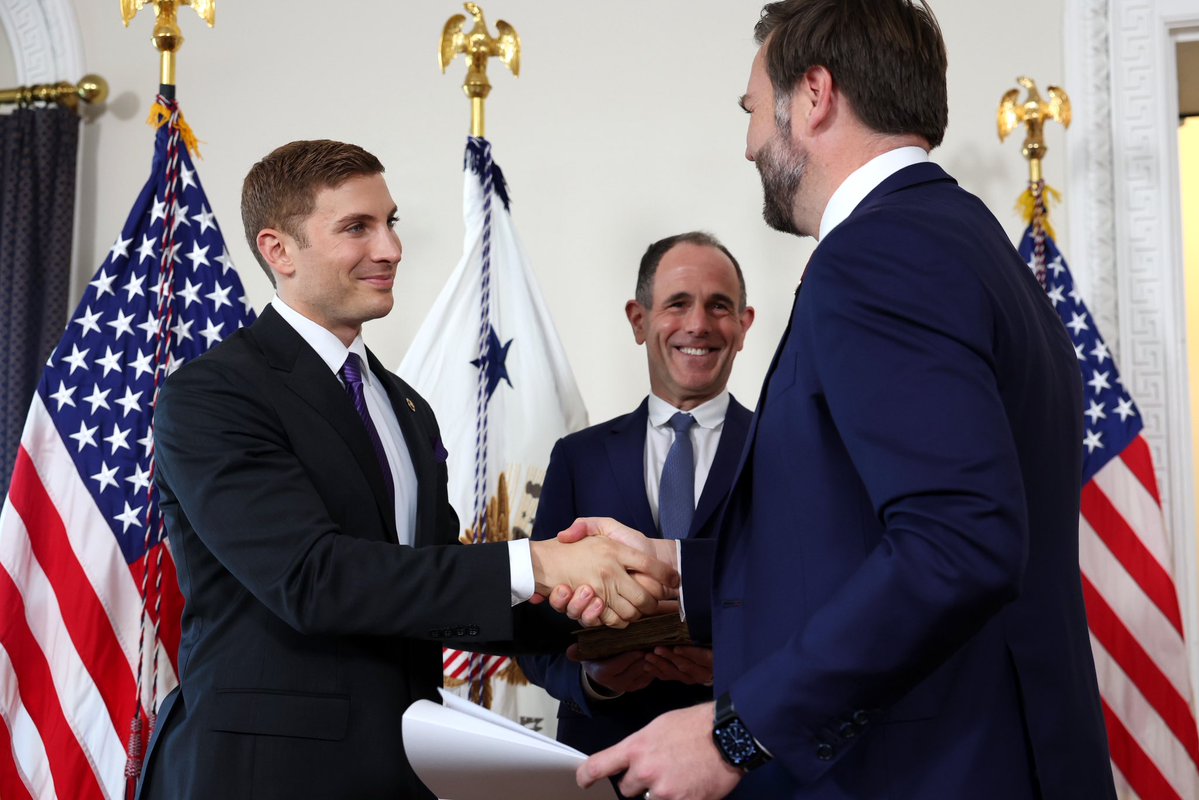




How Higher Education has Failed a Generation of Americans and What Startup Founders Can Do About It. American higher education, once the gold standard worldwide and a symbol of excellence, probity, and integrity, is now on the brink of irrelevance. Almost every day, new headlines highlight its downfall, and this sentiment is widely shared among the public. According to a Gallup poll, Americans’ confidence in higher education has plummeted to 36%, a stark drop from 57% in 2015. This significant decline highlights growing public skepticism over the past several years. Many reasons explain this decline: The rising cost of higher education: The cost of college tuition has been increasing faster than inflation for several decades. In the 2022–2023 academic year, average annual tuition and fees for a private four-year college were approximately $38,070, with some colleges nearing $100,000 annually! Mismanagement and escalating administrative costs are significant contributors to this surge, raising questions about the return on investment for students. Since 1963, the cost of a college degree has grown a staggering 748% after adjusting for inflation, and public four-year institutions have seen a 23-fold increase in tuition alone. MBA programs follow a similar trend, with prestigious programs often exceeding $200,000 in total tuition. The weight of student debt: The student debt crisis in America is concerning, with $1.6 trillion in outstanding federal student loan debt as of Q1 2023 and an additional $128.77 billion in private student loan debt as of March 31, 2023. This immense burden weighs heavily on individual borrowers and drags down the overall economy. Heavily indebted borrowers often delay major life milestones such as marriage, having children, and buying homes, significantly impacting consumer spending and economic growth. This delay contributes to a lower birth rate in America. It discourages entrepreneurship, highlighting a stark reality that many startup entrepreneurs come predominantly from wealthy families, which dents the American dream. Even more perverse, since these debts don’t disappear when declaring bankruptcy, some individuals see their Social Security benefits garnished to repay their student loans, exacerbating the financial strain on older Americans. The quality of education in question: The quality of education in American universities is increasingly under scrutiny. A recent WSJ report highlights significant grade inflation that began at the start of the pandemic. This troubling trend is often attributed to “equitable grading” policies, such as prohibiting penalties for late work, setting minimum grades of 50%, and allowing test retakes. This grade inflation undermines the value of degrees, making it harder for employers to distinguish between competent and less capable graduates. The issue is further exacerbated by the high cost of higher education, which pressures institutions to “reward” all students, regardless of merit. For instance, a chemistry professor at NYU was recently fired for maintaining high standards, reflecting the systemic problem. Moreover, many universities have dropped standardized test requirements, raising concerns about admissions criteria. Even as prestigious institutions like Harvard reconsider these policies, doubts persist about who is being admitted and why. Universities also struggle with outdated operational models, clinging to four-year degrees and two-year MBA programs, despite most top MBA programs globally now lasting less than a year. This lack of flexibility and adaptation to modern educational needs further questions the quality and relevance of American higher education. The over-politicization of campuses: One of the most pressing issues facing American universities today is the rise of political extremism on campuses. This increasing polarization creates a hostile environment for students and faculty alike, threatening academic freedom and eroding trust in educational institutions. Recent campus lockdowns, such as the one at Columbia University caused by extremist protesters, exemplify this troubling trend. Additionally, incidents like a guest federal judge being attacked by students and an administrator at the Stanford Law School due to his political affiliation further highlight the growing intolerance. More recently, University presidents’ inability to condemn antisemitism on campuses only exacerbates the situation, leaving many to question the integrity and mission of these institutions. The lack of job prospect: More than half of college graduates end up in jobs that don’t require a degree, often trapping them in low-paying fields. Starting in such positions makes it difficult to escape these roles. This trend raises skepticism about the value of a college degree, as many graduates find themselves in jobs like retail or hospitality. Additionally, the HEA Group revealed that 25% of college attendees earn less than $32,000 annually a decade after starting college. Not all majors and schools are created equal, but these figures should be a wake-up call for the country. And the business world is noticing: Major companies are increasingly dropping college degree requirements in response to persistent labor shortages and realizing that degrees do not always indicate job competence. For example, @IBM coined the term “new collar” to describe roles prioritizing skills over degrees and has stripped degree requirements for more than half of its US openings. Similarly, @Accenture , @Dell , and @Google have reduced educational requirements for many positions, focusing on skills and potential instead. Even tech giants like @Tesla and @Apple have publicly questioned the necessity of degrees, with @elonmusk criticizing MBA graduates for lacking practical knowledge. Meanwhile, @PalantirTech has launched an initiative to provide opportunities for students facing antisemitism on campuses, reflecting a growing disillusionment with traditional educational institutions. This shift signifies a broader trend where practical skills and relevant experience are becoming more valued than traditional academic credentials in the job market. In this context, students are increasingly leaving traditional universities to join the workforce immediately or explore new institutions like @JTLonsdale 's @uaustinorg . Others are pursuing alternatives such as the @thielfellowship , founded by @peterthiel in 2010, which awards $100,000 to young entrepreneurs dropping out of college to focus on innovative projects and startups. Vocational schools are also experiencing a resurgence in popularity, and a growing number of students are embracing online learning, such as the “No Pay MBA,” where they build their own online curriculum instead of attending traditional MBA programs. But despite these shortcomings, universities still stand. With all these crises threatening higher education, it is reasonable to wonder why universities continue to exist and why students still choose to enroll. The answer lies primarily in the value of degrees. Today, universities serve less to transmit knowledge — given the abundance of online learning resources — and more to signal an individual’s capabilities to potential employers. Specifically, a degree signals two critical attributes to employers: Intelligence: Due to legal restrictions on intelligence testing in hiring processes, American companies are not allowed to test the intelligence of future employees, so they delegate this task to universities which are allowed to conduct such tests (e.g., GMAT or SAT). Professionalism: Statistics show that students who complete 100% of a program earn 50% more than those who only complete 90% of the program. This difference is not necessarily due to the increased value of the last 10% of a program; instead, completing a degree signals traits such as work ethic and professional conscientiousness to employers. Therefore, students have limited alternatives: Traditional higher education: While traditional universities offer degrees that signal intelligence and professionalism, they have become less reliable, more expensive, politicized, and disconnected from the job market. Online learning: Online solutions offer access to knowledge but lack recognition in the job market, making it difficult for students to signal their capabilities effectively. In this landscape, universities’ persistent relevance stems from their role as certification institutions, even as the educational landscape rapidly evolves around them. This is a massive opportunity. Between “YouTube University,” which offers no credentials, and spending half a million dollars on a dubious degree, new solutions are needed. The higher education market is vast, with over 19 million students enrolled in degree-granting institutions in the United States alone. The global market is expected to surpass $3 trillion in revenue by 2025, with $600 billion coming from the United States. The EdTech market, which intersects higher education and new technologies, is also experiencing rapid expansion. Its global value is expected to exceed $250 billion by 2025, with more than $50 billion in the United States alone. MBAs and executive education programs remain lucrative, with global demand for business education expected to stay robust. The international MBA market was valued at approximately $70 billion in 2020, with the United States accounting for half of that figure. This immense and evolving market landscape presents a substantial opportunity for the private sector. The sheer scale and potential for innovation within higher education make it an ideal arena for startups to lead transformative change. Startups, with their innovative capabilities and swift adaptability, are ideally suited to lead this revolution in higher education. In contrast, traditional non-profits have demonstrated that they are unable or unwilling to change. @AaronIRasmussen ’s experience, as co-founder of @MasterClass and @outlier_org , a for-profit online school granting transferable college credits, illustrates this potential. When creating Outlier, he initially tried to form a foundation but found the process too slow, inflexible, and expensive as a non-profit. Therefore, the private sector should be at the forefront of this change, driving improvements and making American higher education a force for good.

Zohran Mamdani doing extremely well with college-educated voters, while the working-class overwhelmingly rejects him, is further proof that our higher education system is failing.

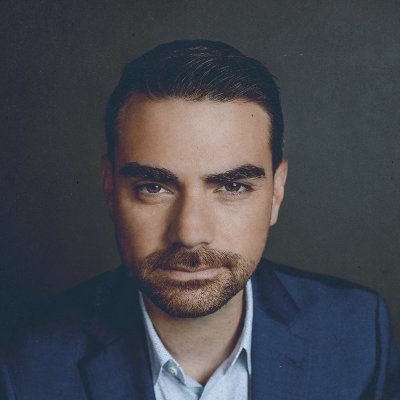

As predictable as this is, it’s still infuriating to see it. For decades, Bashar al-Assad protected minority religious communities in Syria, including the country’s large Christian population. No one in the United States was allowed to notice this, and anyone who did was immediately denounced by neocons as a dangerous extremist. Bari Weiss declared Tulsi Gabbard “monstrous” and an “Assad toady” for noticing. But it was true. Assad protected the Christians. The weaker Assad was, the more Christians died. During the years that neocons in the west backed the war against Assad, the percentage of Christians in Syria went from ten percent to two percent. Now that Assad has been driven from power, many of the remaining Syrian Christians are being slaughtered and their holy places desecrated. Bari Weiss and John Bolton haven’t said a word about it. But no one who’s paying attention can be surprised it’s happening. Neocon projects in the Middle East invariably destroy ancient Christian communities, from Iraq to Gaza and in many places in between. Can this be an accident? You wonder.

Ian Carroll on Israeli Propaganda “They realized the whole world would turn against them and call them a Colonial Project”

Ukraine is Europe! We stand by Ukraine. We will step up our support to Ukraine so that they can continue to fight back the agressor. Today, it became clear that the free world needs a new leader. It’s up to us, Europeans, to take this challenge.