Sabitlenmiş Tweet

🔥 A.I. predicts cardanos price for this next bull run 🔥
#ArtificialInteligence #CardanoADA #Priceprediction 2024-2025
youtu.be/_fZfvXzpGMI?fe…

YouTube
English
Johnnyboy Crypto
4.5K posts

@JohnnyboyCrypt0
YouTube https://t.co/J535PJhyyn $ada $sol $btc $xrp $shib $doge $kas $icp $matic $atom $ilv $neon #altcoins #signals




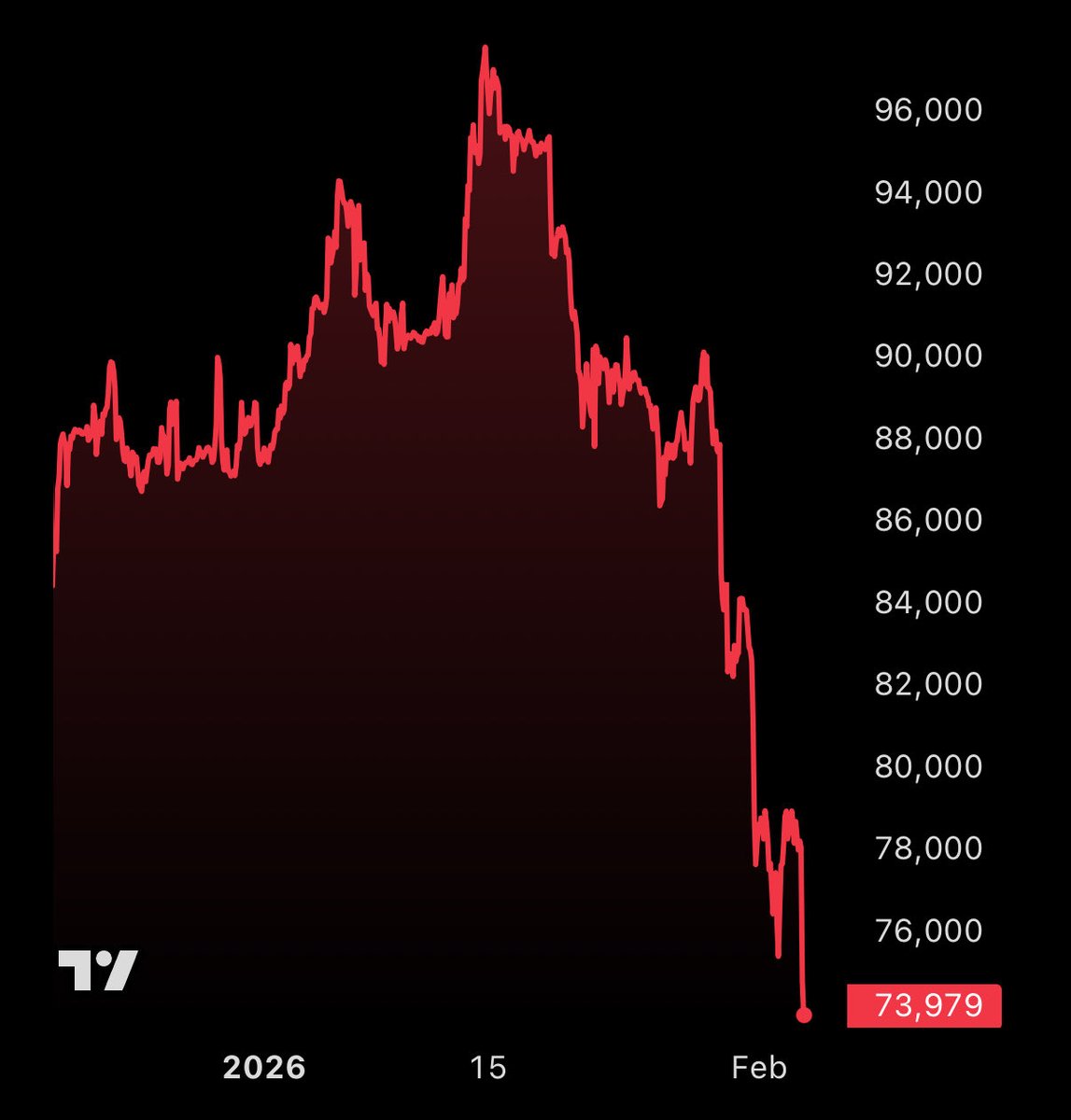

This year, there has been a strong pivot to using the ISM to predict where the price of Bitcoin will go, especially after many of the supercycle narratives coming into this year seem to have failed. I want to show a clear example of why the ISM does not *necessarily* have to impact the price of Bitcoin. First, let us take a look at 2014, which was a midterm year, and also a bear market for BTC. Jan 2014 ISM: 52.5 BTC Price: $737 Dec 2014 ISM: 55.7 BTC Price: $302 So the ISM went *up* from 52.5 to 55.7 in 2014, but BTC went down from $737 to $302. Imagine watching the ISM each month in 2014 and seeing it go higher, but then watching the price of BTC go lower. It must have been maddening (if anyone was doing that back then, but I imagine most people were not looking at these two things together). Now let's look at 2015. The bear market ended in January 2015. Jan 2015 ISM: 54 BTC Price: $322 Dec 2014 ISM: 48.8 BTC Price: $429 So the ISM went *down* in 2015, but the price of BTC went up. If you used the ISM to tell you where BTC was going to go in 2014, you would have assumed BTC would have gone up in value because the ISM was going up. But in fact the opposite happened. If you used the ISM to tell you were BTC was going to go in 2015, you would have assumed that because ISM was dropping, BTC was also dropping. But in fact the opposite happened. A single data point does not make a trend. But relying on a single indicator like the ISM to predict the price action of BTC in order to confirm a supercycle does not seem to be a wise decision either. There are absolutely scenarios where they could both go up or both go down together in 2026 (as they have many times), but I think it would be unwise to rely on this single indicator to tell you where the price of BTC was going to go. What is interesting is this: The ISM in Jan 2014 was 52.5. The ISM in Jan 2026 was 52.6. There exists a scenario where the ISM goes up in 2026 (like it did in 2014), but the price of BTC still goes down. In fact, I would argue that the more likely scenario is that 2026 is a red year for BTC while the ISM goes up, exactly like how it played out more than a decade ago. I hope that the people using the ISM to bet on a supercycle can view this post as educational and not trying to attack anyone. I have just seen a lot of people lose a lot of money relying on single economic indicators, and sometimes the price action of risk assets like BTC does not always make sense when compared to what is actually going on in the economy. As the famous saying goes, "the stock market is not the economy." But in this case we can say "Bitcoin is not the economy."






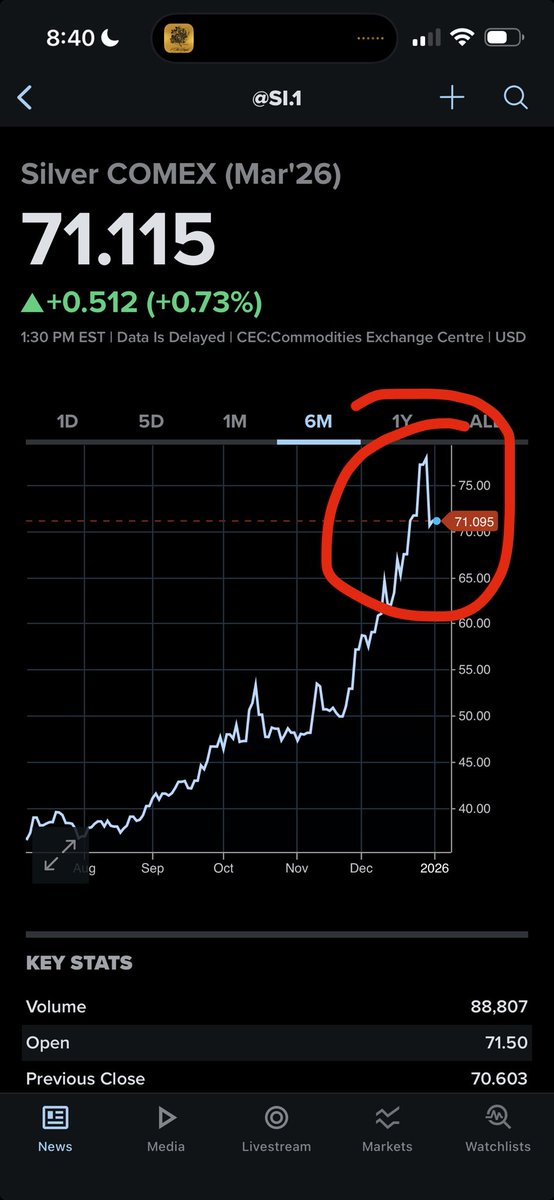
Spoke to a Reno coin shop late last week. They were inundated w/silver sellers as the price approached $100/oz. 97% of their customers that day were selling silver Just called my CA veteran dealer a minute ago. Said he's "swamped" & can't talk until after 5pm Will update you all after I talk with him then The key questions I want to get answered are: 1) Do they sense these sellers are the"weak hands" exiting before the price moves even higher? Or are these longtime stackers selling? 2) If there's a surge in retail silver inventory from this wave of selling, does that improve some of the systemic shortages? And if so, is that likely to remove a factor that has been driving the price of silver higher to-date?