The New Statesman@NewStatesman
THE NEW WORLD WAR by @Will___lloyd
As the fourth anniversary of the invasion of Ukraine approached last month, Zelensky inflated his rhetoric. He used the same formulation I had heard countless times from Ukrainians every time I visited. This was not a conflict between Ukraine and Russia any longer, if it had ever been that to begin with. These were, Zelensky told the BBC in February, the first years of the Third World War.
In the early weeks of the war, so many British citizens drove vans full of aid to the Polish border that Ben Wallace, then the defence secretary, had to ask with some tact that people send money instead. Clips of born-in-the-USSR Russian incompetence electrified social networks. No war ever seemed to cost so little. It generated a new, brief faith in ourselves, even in Boris Johnson. Our capabilities, our diplomacy, our technology, our sanctions packages, our intelligence services, our rules-based liberal order. We didn’t even have to fight. The Ukrainians would do that for us. Ukraine was a good war, a morally clean war, giving a precious gift to Europe’s leaders: meaning, valour, solemnity, glory.
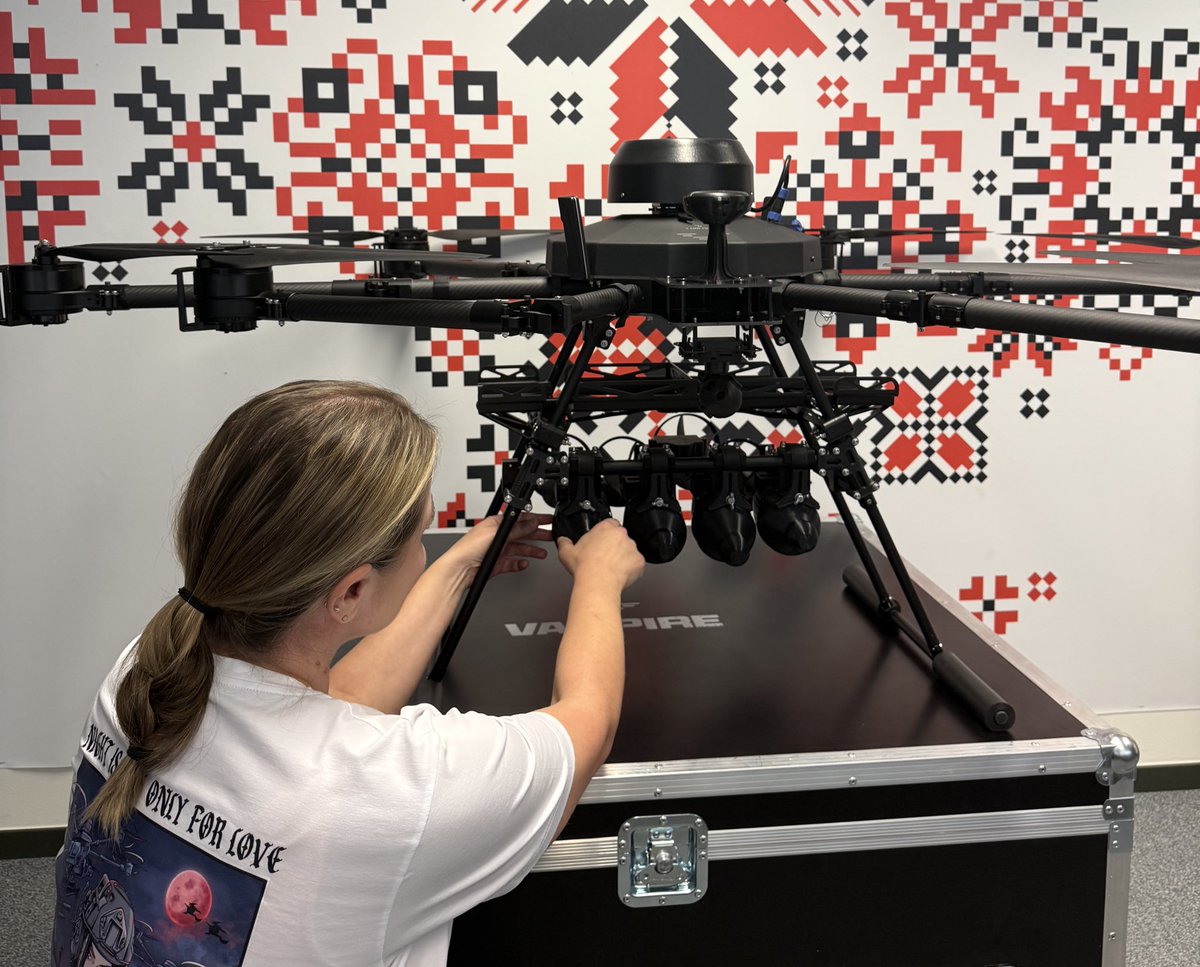
That was not how it looked in Kyiv this winter, where the congealed violence of four years of war had transformed the country into something many in Europe no longer want to think about: a war of extermination fought between two militarised societies barely two days’ drive from Dover. The teams of men coldly eyeing their live feeds in bunkers, busily assassinating each other with drones, then posting the results online. The schools where children learned underground, as if they were surviving a nuclear winter. The old men and women who froze in their apartments and had to be cut out from them once their neighbours realised what had happened. The war had pulled the US and Europe apart, invented a whole new machinery of death, underlined our dependence on brutal petro-states, flooded this corner of Eastern Europe with several generations worth of weapons. A British official told me that Ukraine’s population, which had been estimated at just over 40 million in 2014, had shrunk to something like 20 million by 2025, significantly less than most estimates in the public domain.
I came to the war late, first visiting at the end of 2024. I witnessed Europe’s early hope and energy begin to curdle and move elsewhere: to Gaza and Greenland, Venezuela and now Iran. The world was a mess, expensive munitions for advanced air defence platforms were running low and needed everywhere from Kyiv to Tel Aviv to Abu Dhabi; Ukraine was not a front-page story anymore. The same image, the same blood, the same nation. Shrug. A terrible thing was happening somewhere far away.
A few days after I returned from Kyiv last month, Trump and Benjamin Netanyahu launched their war on Iran. Turkey, the keystone that sits directly between Ukraine and Iran, may yet be pulled into it. The vengeful Iranian Shaheds, so familiar to Ukrainians after four years of nightly terror, now rained down all over the Gulf. There were rumours that they were being mass-produced in China. Taken aback by the violent efficiency of the Iranian counterattack, Trump was demanding a Western armada enter the Gulf. War was spreading.