
Josh Jacobson retweetledi
Josh Jacobson
456 posts


Josh Jacobson
@JshJacobson
Offensive Coordinator-Liberty County High [email protected]
Nearest Mountain Katılım Aralık 2021
357 Takip Edilen380 Takipçiler





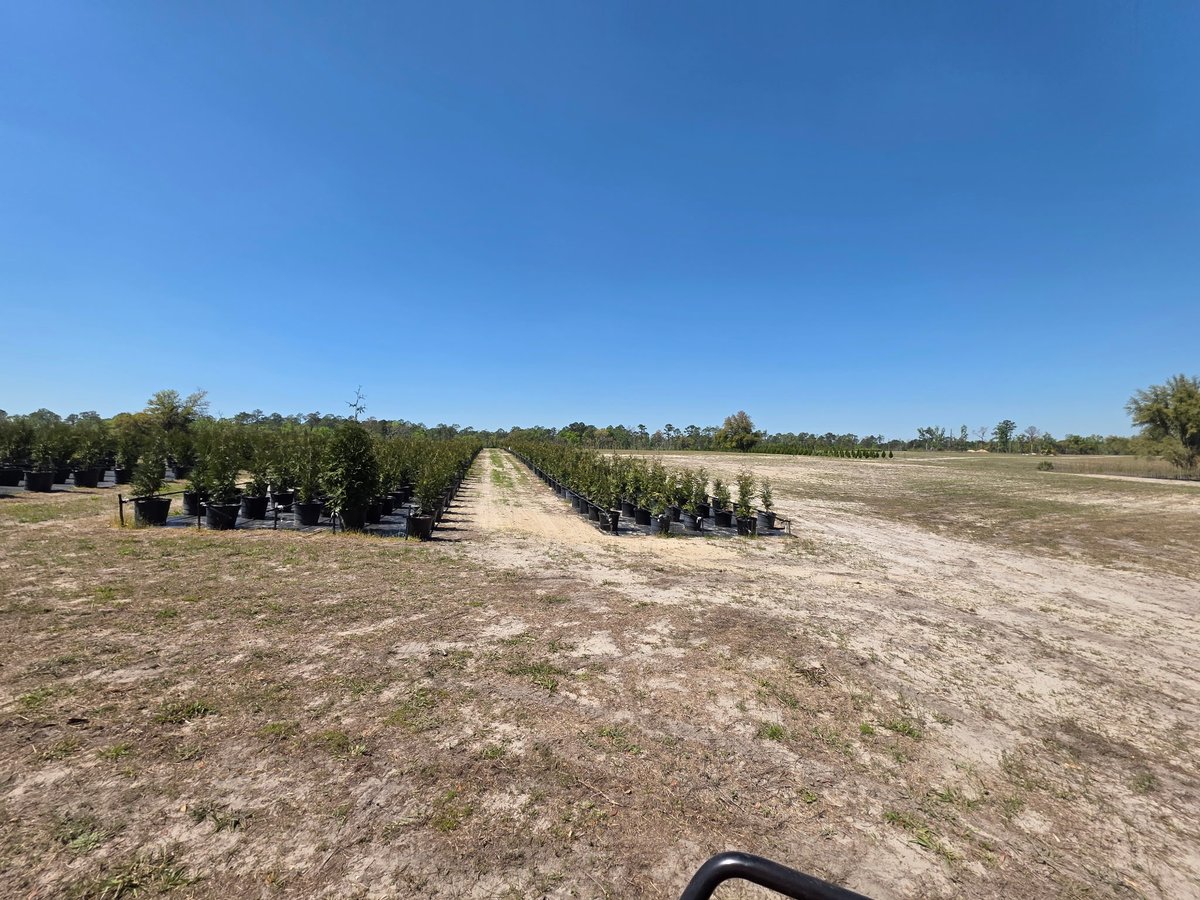

Some pictures from the farm today. Plenty of 15/30G Giants, Sweet Viburnums, Slash Pines, and many more. Reach out for a full inventory list. 60% of the 58 acres with the whole thing finished by years end. Additional 40 underway too.



English

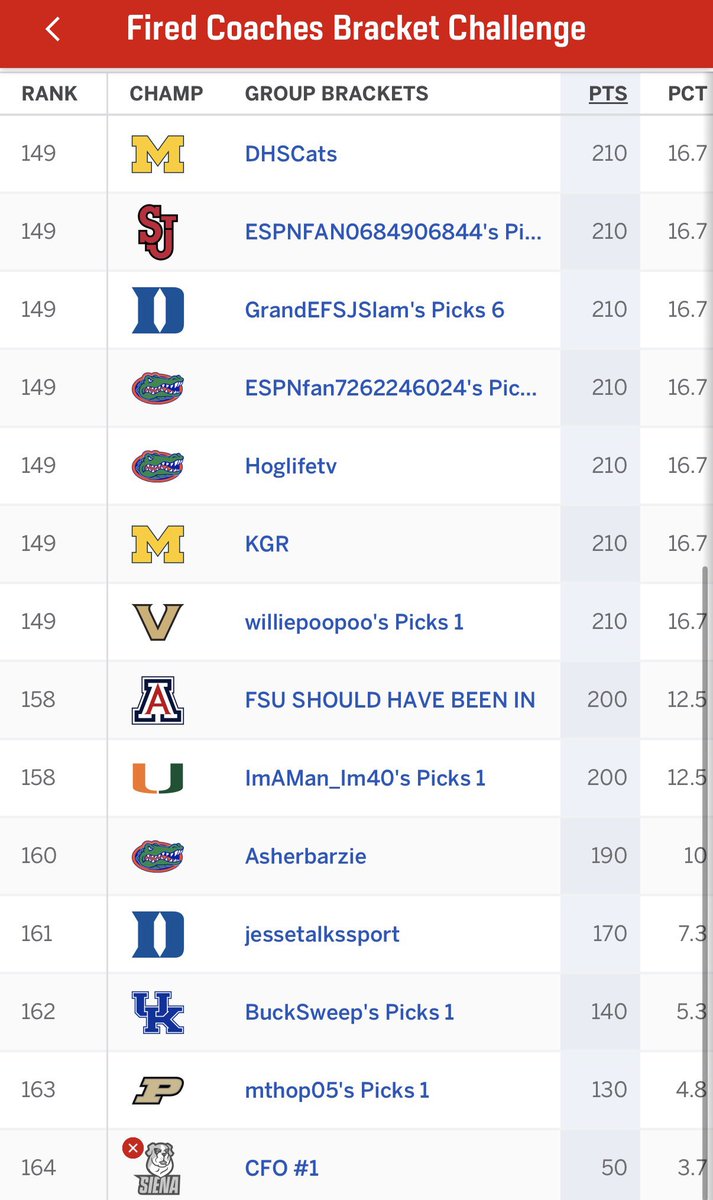
💈Bracket Challenge Update 💈
Day 2:
🏆 Top score: 290
💩 Lowest after Day 1: 130
*We have a clear attempt to tank from the bottom entry. Have not ruled if DQ’d yet. We prefer to honor the actual worst, not ones who have 16 seeds as Champs.

English
@VinnyLePre @ZacGoodman_ I'm just looking at the hips going into posterior tilt on the squishy pad when he is rocking back forward. I also don't believe the box squat executed in this manner is necessary as this mimics the mechanics of a squat suit. But I was just looking at the hips upon exit.
English

@JshJacobson @ZacGoodman_ The spine is already being compression by the bar axially loading. Low back issues during the squat usually come when ROM is too much & lumbar spine goes into flexion to make up for limitation at other joints. Box squats are easier for those with low back issues in my experience
English

Box Squatting for Athletes👇🏻
➡️Pause on the box
➡️Box should be at or below parallel (12-16”)
➡️Narrower Stance transfers better to jumps
➡️“Sit” on the box, don’t squat to the box.
The Box squat can change your athlete’s performance for the better!🙌🏻
English
The Blindside is complete and total 💩.
The least believable Coach in cinema history, accompanied by one of the two most annoying children in the history of movies. (Coach Yoast’s Daughter / SJ)
TodayInSports@TodayInSportsCo
Do you agree? 🎥
English
Josh Jacobson retweetledi

Josh Jacobson retweetledi


@JohnGoldman @ZacGoodman_ Easy way to devise an individualized plan to make sure the operational output stays as high as possible by position(s) is a time motion analysis. All you need is a stopwatch, paper, pen, and computer. Different offensive schemes dictate different training programs by each school.
English
@JohnGoldman @ZacGoodman_ Football players play under alactic and aerobic conditions. Raising the max outputs in the off season, max V, reactive elastic qualities, performing extensive and intensive tempo runs etc..you are increasing their operational outputs as the game progresses and fatigue increases.
English
When it comes to conditioning for sport, playing the sport is as good as it gets.
Taking time away from skill work or live practice work to run laps or gassers isn’t an efficient use of time.
Football Players have to be conditioned for Football… by playing Football🙌🏻
John Goldman ☀️@JohnGoldman
This is so brain dead I can’t even. Every single play involves all out sprints when you’re fatigued for 3/4 of the players on the field. And even then ask the pulling guards if they ever have to sprint while fatigued.
English
Josh Jacobson retweetledi

Get your ticket here: store.mushroom-society.com/product-detail…
English
Josh Jacobson retweetledi

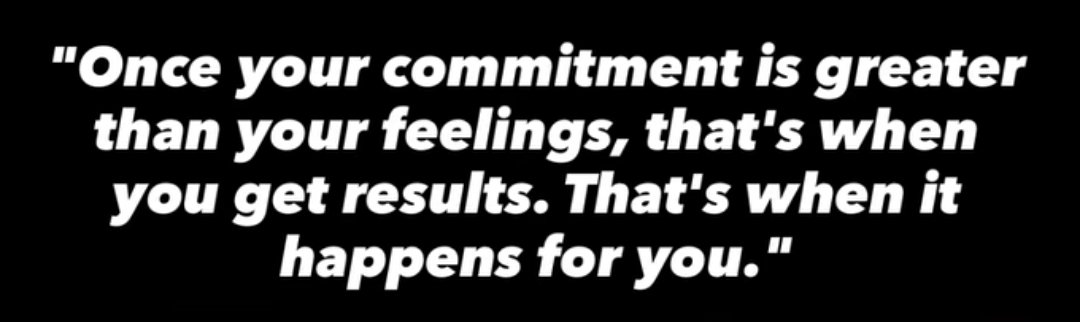
@killa_treez Is that the Rogue buffalo bar? Have you used any other Buffalo bars? Thanks.
English

Good opportunity to remind everyone that unathletic kids need Jesus too.
JaKi 🇺🇸@JaKiTruth
🔥 Coach Niblett. Opens Up on Decision to Join Buffs 💛🦬 "It's amazing what God will do. I felt like God was trying to put me in a situation where my ministry can continue to grow"
English
Josh Jacobson retweetledi

It takes what it takes. You can’t short change the work it takes to prepared for your sport. Whether it’s sprinting, striking, throwing, Accels/decels, time on feet, density of work, routes, shuffles, breaking etc… you have to give the athletes the time and right work
Corey Twine@CoreyTwine
The dangerous idea in human performance is not always doing too much. Sometimes it is doing too little meaningful chronic work, then acting surprised when the body breaks down the moment real demands show up. That is the heart of Gabbett’s training injury prevention paradox. The paper argues that athletes accustomed to higher training loads can have fewer injuries than athletes training at lower workloads, and that non contact soft tissue injuries are often tied not to training itself, but to an inappropriate training program with excessive and rapid spikes layered on top of inadequate preparation. As Gabbett put it, “reductions in workloads may not always be the best approach to protect against injury.” Three points jump out immediately: • Too little meaningful chronic work can leave athletes underprepared for the actual demands of practice and competition. • Rapid increases in load are a major problem for non contact soft tissue injury risk. • Appropriately graded high training loads can improve fitness, and that fitness may help protect against injury while improving resilience and availability. To all my fatigue mitigation specialists, we need to be careful about the resiliency we do not build through the manicure process of being “ready” or feeling good. Everybody will always feel ready to compete on the couch or doing less work. The real question is whether they are truly prepared for the demands of the activity. That is the warning in this paper. The answer is not reckless loading. It is not crushing people. It is building enough meaningful chronic exposure that hard demands are no longer novel when they matter most. Source: Gabbett TJ. The training injury prevention paradox: should athletes be training smarter and harder? Br J Sports Med. 2016;50(5):273 to 280.
English
Josh Jacobson retweetledi

Thank you @TheMVPCamps for being selected as one of the Top WR’s. @RustyMansell_
MVP Camp@TheMVPCamps
Congratulations to our positional group winners on Sunday @TheMVPCamps Top QB’s Top RB’s Top OL Top WR/TE’s
English