

Mokami
209 posts

Mokami
@Just_Mokami
In God we trust, everyone else must bring data.
Nairobi, Kenya Katılım Aralık 2019
1.9K Takip Edilen214 Takipçiler


@thenaijacarguy Hi Gabby. Could you please share the data? I'd love to replicate it.
English

Mokami retweetledi

@onsase045 @_fels1 Black Swan - Naseem Taleb
Meditations - Marcus Auralius
English




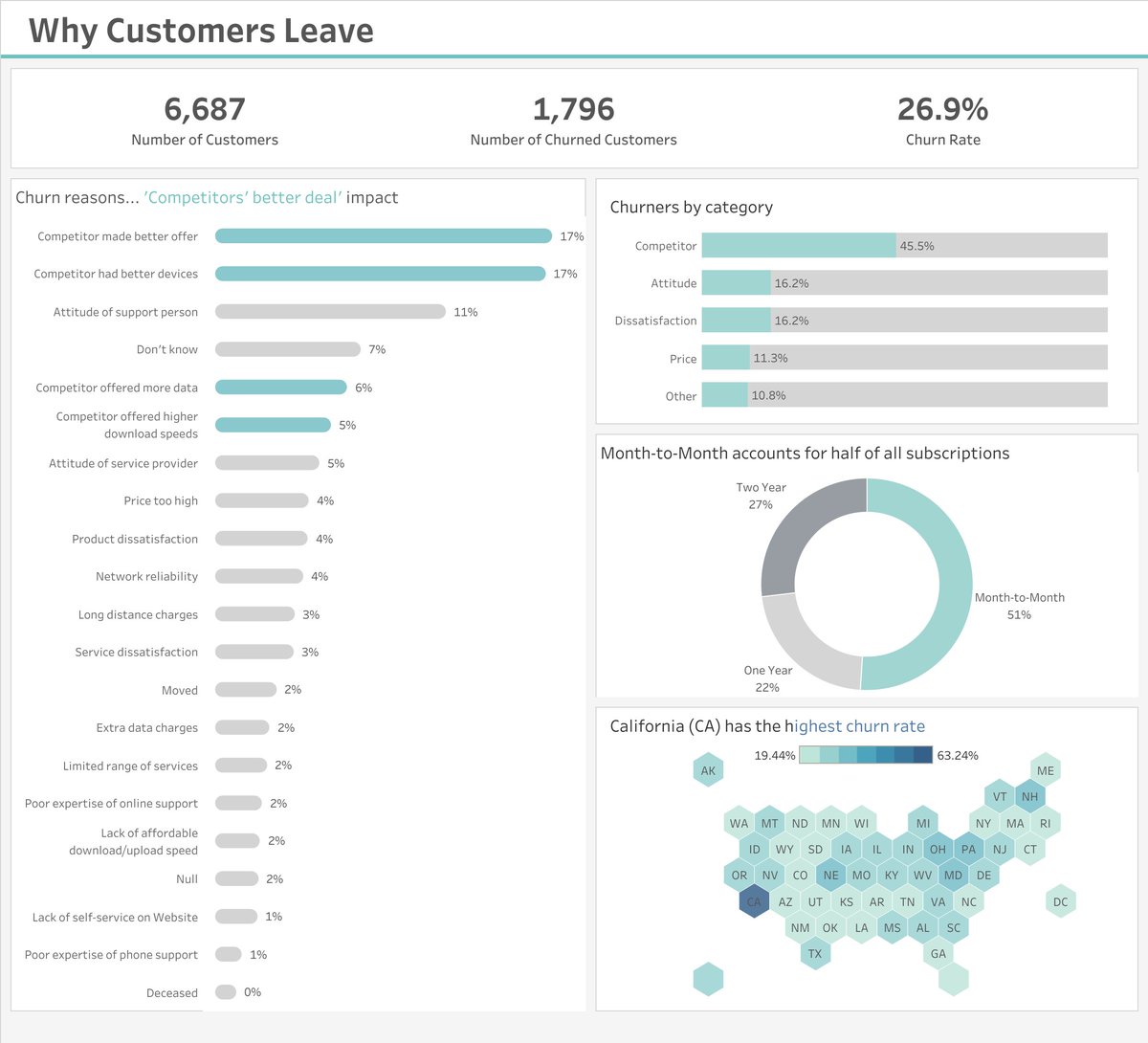
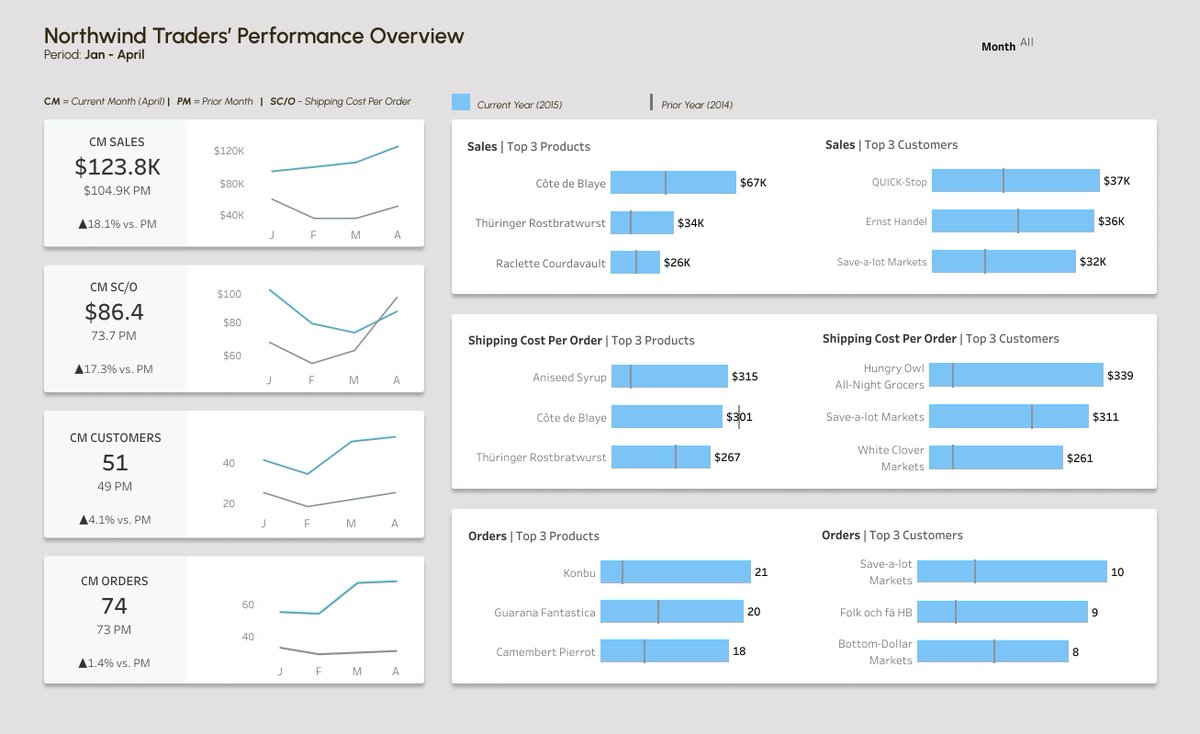

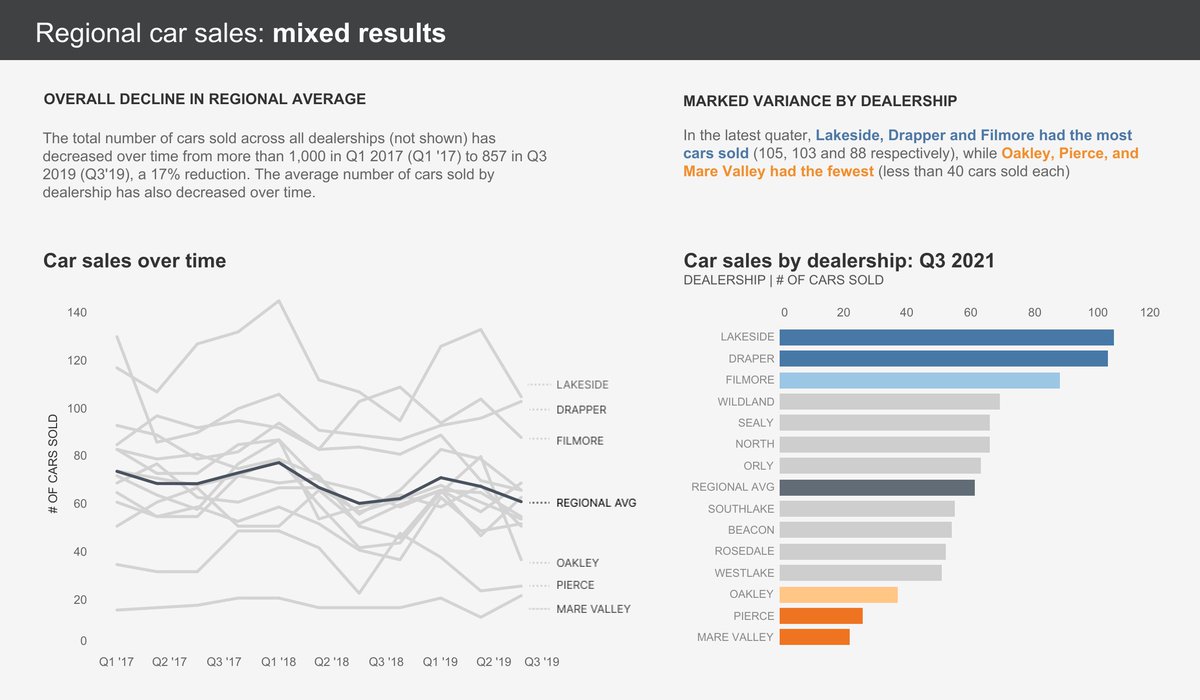

Data Analyst share your portfolio or screenshot of visualization you developed.
I want to see something. Don’t be shy. Share your work. The globe is watching.
English
@blue_resolve @iam_Uchenna I am not defending anything, just stating the fact that this is an opinion. He mentions "Somebody said..."
The statistics is correct, the validity of the data or hypothesis is up for discussion.
English

@Just_Mokami @iam_Uchenna 'if'?
'if'? Really?
We now use counterfactuals to defend invalid/heavily flawed positions?
IQ (whatever that means, with all its flaws) says nothing about one's ability to say ANYTHING sensible.
English

Someone said “The median Nigerian man is daft with nothing sensible to say.”
Looking at this from a data analyst perspective:
In a perfectly symmetrical distribution, the mean and the median would be the same. However, in real-world data, such as the heights, weights, incomes, or other characteristics of Nigerian men, the distribution is often skewed, making the median and mean different.
What do you think @starboy_abefe
English
@blue_resolve @iam_Uchenna If he is basing his assertions or opinion on a numerical variable like IQ score (which could be aggregated), a normal distribution would give mean = median = mode. Either sides of the distribution would be symmetrical.
English
@iam_Uchenna There's no such thing as median for categorical variables.
I think the sentiment here is the average (which originally covers mean, median & mode) man.
In this case 'mode' is what is correct.
Mode = most occurring Nigerian male behaviour (if behaviours are categorized).
English


@deekshas24 I made this little query that might also be helpful understanding the order of execution.

English

Day 2 of 21 #SQL Challenge:
Understanding the execution order of an SQL query:
1. FROM
2. WHERE
3. GROUP BY
4. HAVING
5. SELECT
6. ORDER BY
7. LIMIT
Mastering this order is key to writing efficient SQL queries!
#SQL #Database #LearningSQL #21DayChallenge
English
Mokami retweetledi

In SQL, the "window" in "window function" refers to a set of rows.
Window functions are a powerful tool in SQL that allows you to perform calculations over a set of rows, called a window, that is related to the current row.
In SQL, window functions are used to perform calculations on a set of rows and return multiple rows for each group
They are distinguished from other SQL functions by the presence of an OVER clause.
Window functions are similar to aggregate functions, but they do not collapse the result of the rows into a single value.
Instead, all the rows maintain their original identity, and the calculated result is returned for every row.
Some common use cases for window functions include calculating running totals, rankings, and moving averages.
To use a window function, you need to specify the function name followed by an OVER() clause.
The OVER() clause defines the window of rows that the function will operate on.
For example, to calculate a running total of sales by date, you could use the SUM() function with an OVER() clause like this:
SELECT date, SUM(sales) OVER (ORDER BY date) FROM sales_table;
The ORDER BY clause within the OVER() clause specifies the order in which the rows should be processed. In this case, we’re ordering by date so that we get a running total of sales by date.
You can also use PARTITION BY within the OVER() clause to divide the rows into partitions to which the window function will be applied. For example, to calculate a running total of sales by date and store, you could use:
SELECT date, store, SUM(sales) OVER (PARTITION BY store ORDER BY date) FROM sales_table;
Another useful window function is RANK().
This function assigns a rank to each row within the window based on the values in one or more columns.
For example, to rank sales by store and date, you could use:
There are several other ranking functions available in SQL, including
DENSE_RANK(),
ROW_NUMBER(),
NTILE().
Each of these functions assigns a rank or number to each row within the window based on slightly different criteria.


English
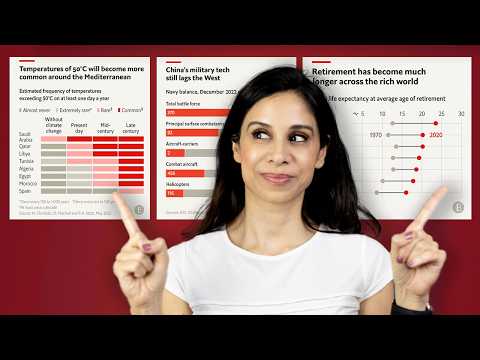
@fresh_gb There's this tutorial, but the tool used is Excel.
youtu.be/wP8NWRR0Fdg?si…
YouTube
English

Saw a blog post on building The economist style charts with Tableau sometime last week and I’ve been looking for it since then.
Anyone share this post if they find it? Thanks!
English
Understanding the order of execution allows you to write more efficient and accurate queries.
What other SQL concepts do you find interesting or challenging?
@HarunMbaabu @iam_Uchenna @_NafulaC @cheftee_lead @datawhizzz

English

forms.office.com/e/3tgCqStbFf
I prepared few SQL questions, wanna attempt and test your skills??
Try and tell me your scores!
I bet nobody gets 30/30!!!
English

27 incredible years 🎉
Looking forward to more unforgettable adventures and experiences.
Cheers to my birthday!

English
i just lost my mum to the cold hands of death
my worst nightmare has finally happened
English
@iam_Uchenna MySQL:
SELECT
users.id AS id,
users.name AS name,
SUM(orders.price) AS total_purchases
FROM users
JOIN orders
ON users.id = orders.user_id
GROUP BY 1,2
ORDER BY 3 DESC
LIMIT 10;
English
Quick SQL Trivia 🙂
How fast can you solve this?
Test your abilities!

English

Can you beat my score in less time? 🫠😅
Wanna try?
w3schools.com/sql/sql_quiz.a…
let me see your score as well 🙂

English
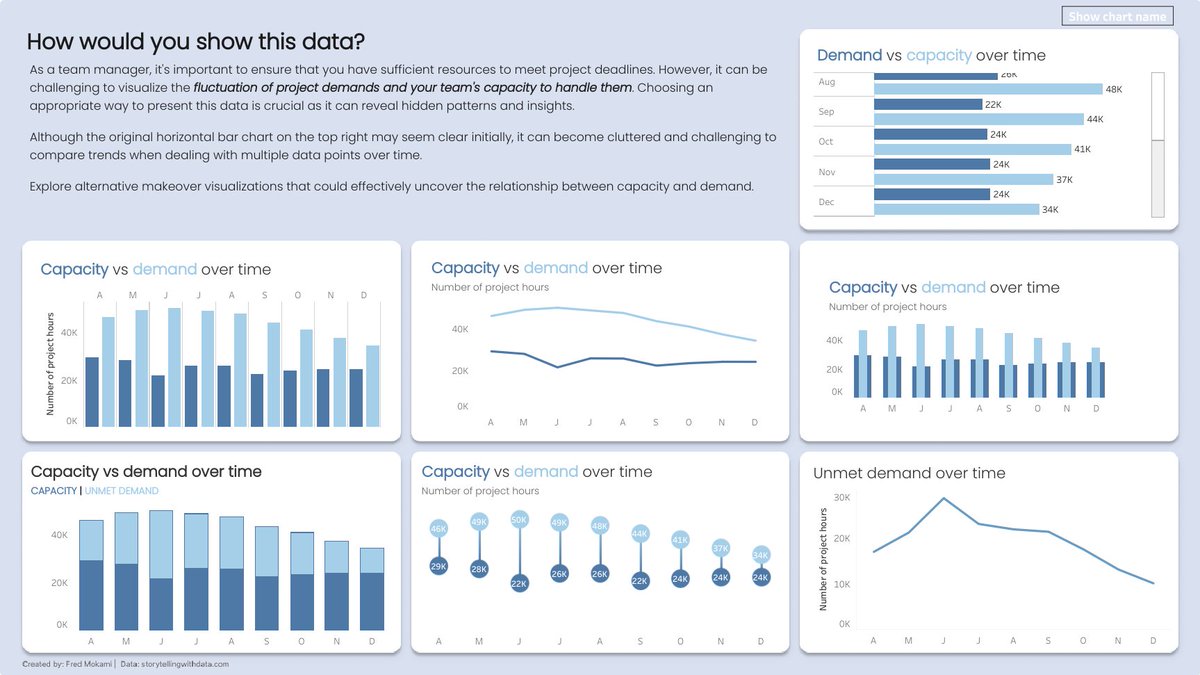
Choosing the right visualization is crucial for effective data communication. It allows your audience to draw insights, and make informed decisions.
Considering the context, which visualization would resonate most with you?
Viz: tabsoft.co/3U7pG0k
English
@im_akeelah I like you explored different angles of the data (age & gender). What is the name of the chart you used to compare gender?
English

I'm so happy that #MakeoverMonday is back! 🕺🏾
Here's this week's challenge using a parameter action and dynamic visibility to swap worksheets .
>> shorturl.at/ajDGY
#DataFam!
English